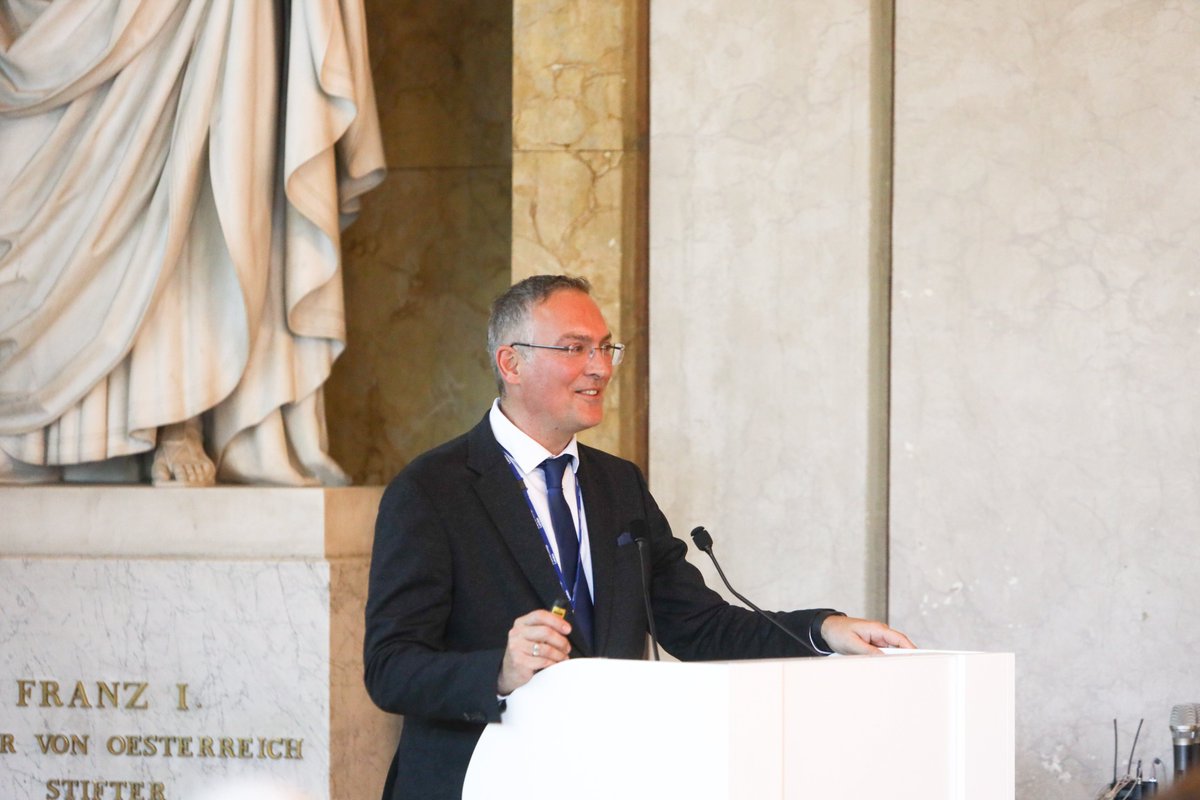
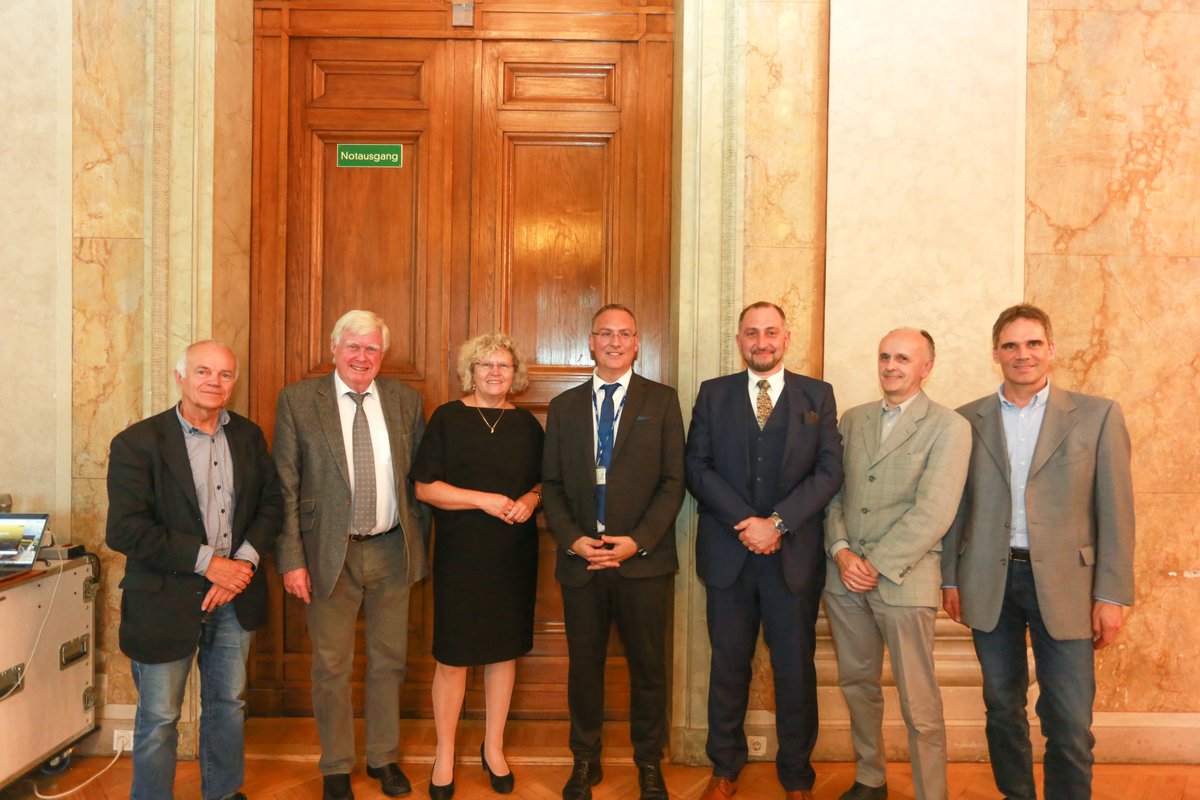
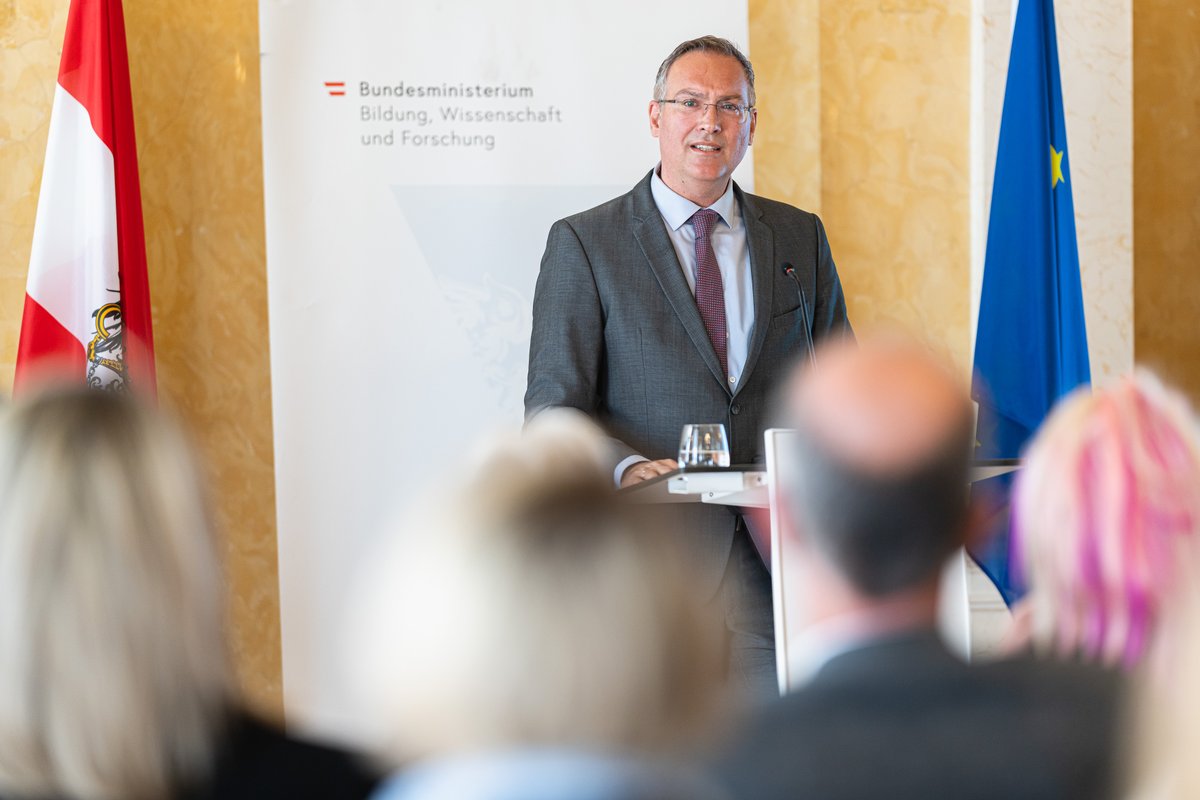
It is a pleasure to be part of todays ENDOTARGET Kick-off meeting in Helsinki. Together we will explore the role of chronic systemic inflamation as a driver in the transition from health to disease.
#HorizonEU
In 2020 Prof. Peter Ertl @tu_wien was awarded the @Houskapreis for the Parkinson-on-a-Chip model. Find out more about the topic in our recent publication.
We are very exited to present our latest publication in cooperation with @DVB_at_LCSB utilizing #iPSC midbrain #organoids and #OOC technology to enhance Parkinson’s disease models.
https://t.co/4VzIt3YO8d
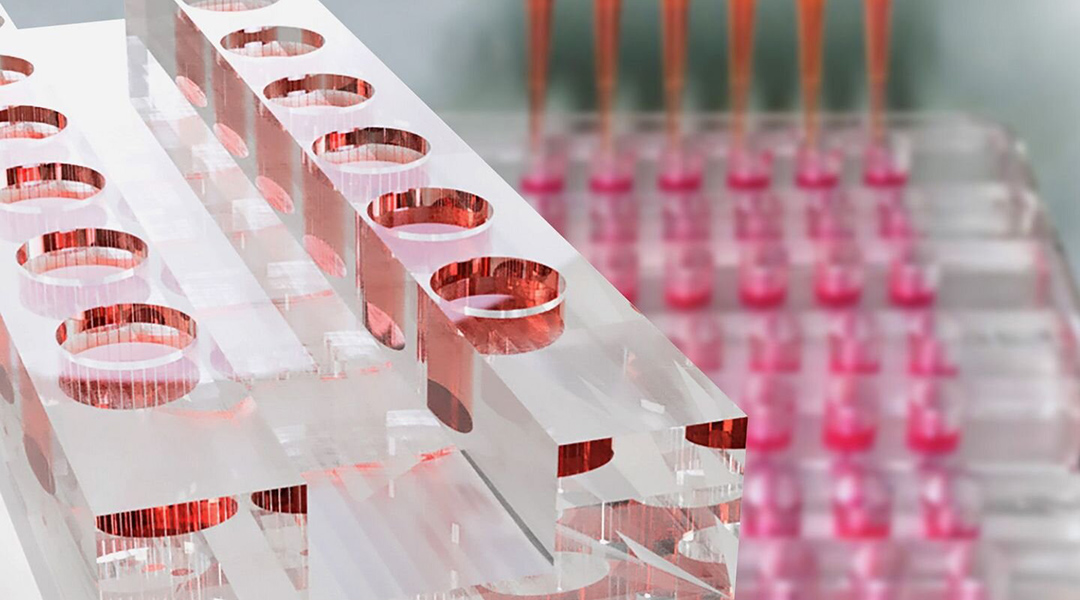
We are happy to share with you the great news that Prof. Dr. Peter Ertl received the "Staatspreis" for animal testing alternatives. He was honored for his work using multicellular spheroids on microfluidic microarrays.
Congrats Peter!!! 🥳
#Staatspreis#AnimalFree#ForTheFuture
Die TU Wien Foundation fördert zwei spannende Forschungsprojekte in Höhe von 312.000 Euro. Unterstützt wird die Entwicklung eines autarken Biochips für den raschen Nachweis einer Covid-Infektion sowie ein Projekt über klimaresiliente Sanierungsmaßnahmen. https://t.co/vuCen12kgu
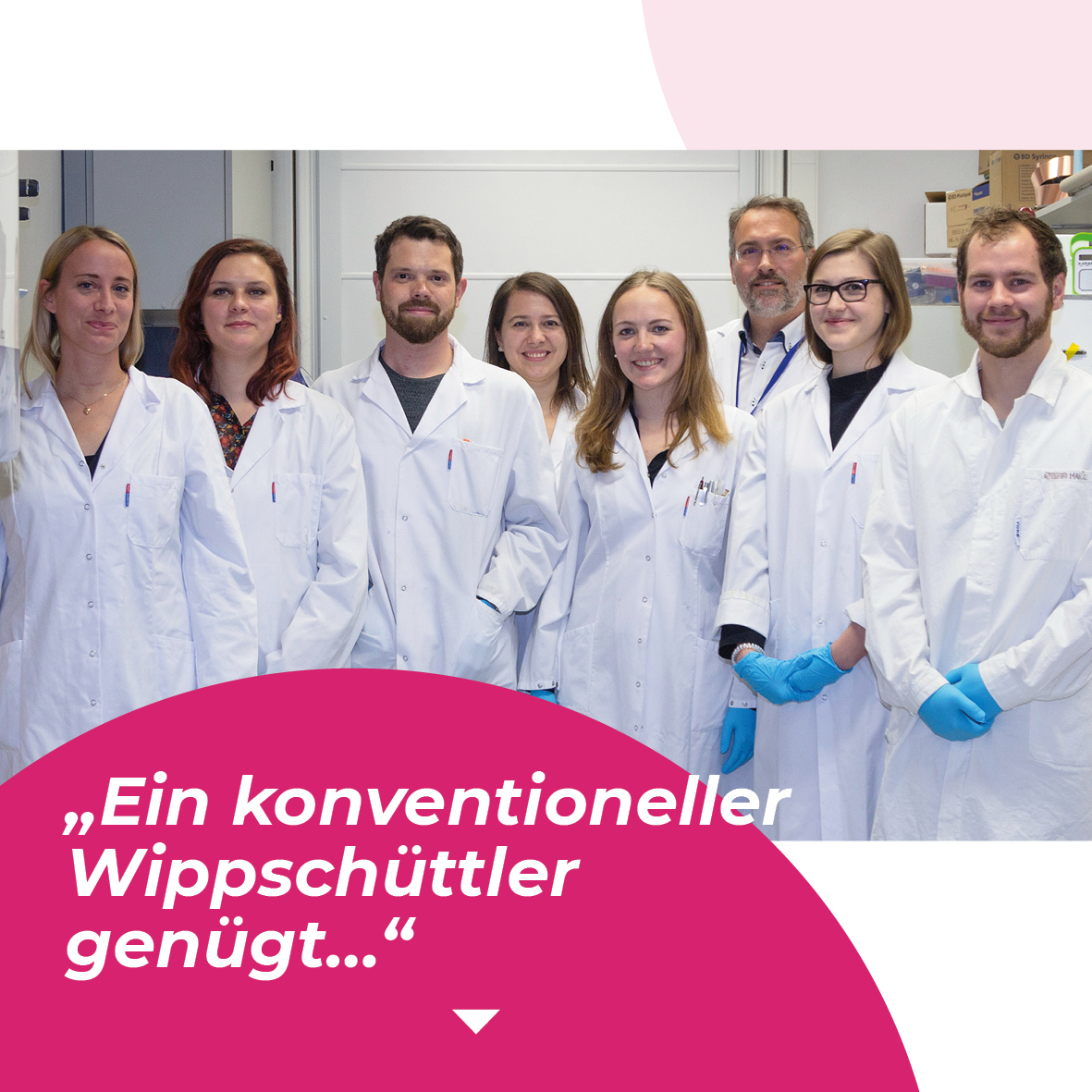
Prof. Peter Ertl und seine @cellchipgroup entwickelt an der TU Wien seit über 15 Jahren On-A-Chip-Systeme für biomedizinische Anwendungen. Den gesamten Beitrag findet ihr im neuen Bulletin!
Link in der Bio! #bulletin#oktoberausgabe
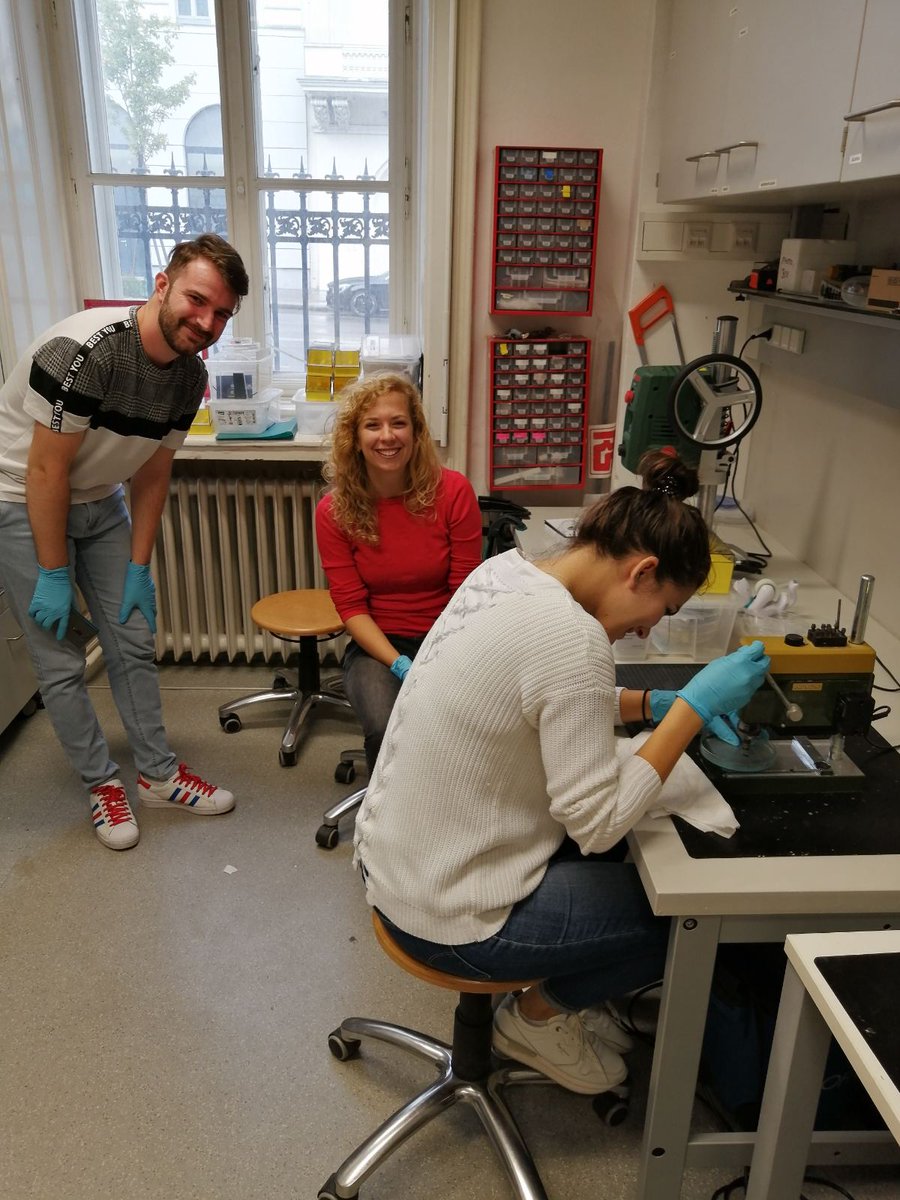
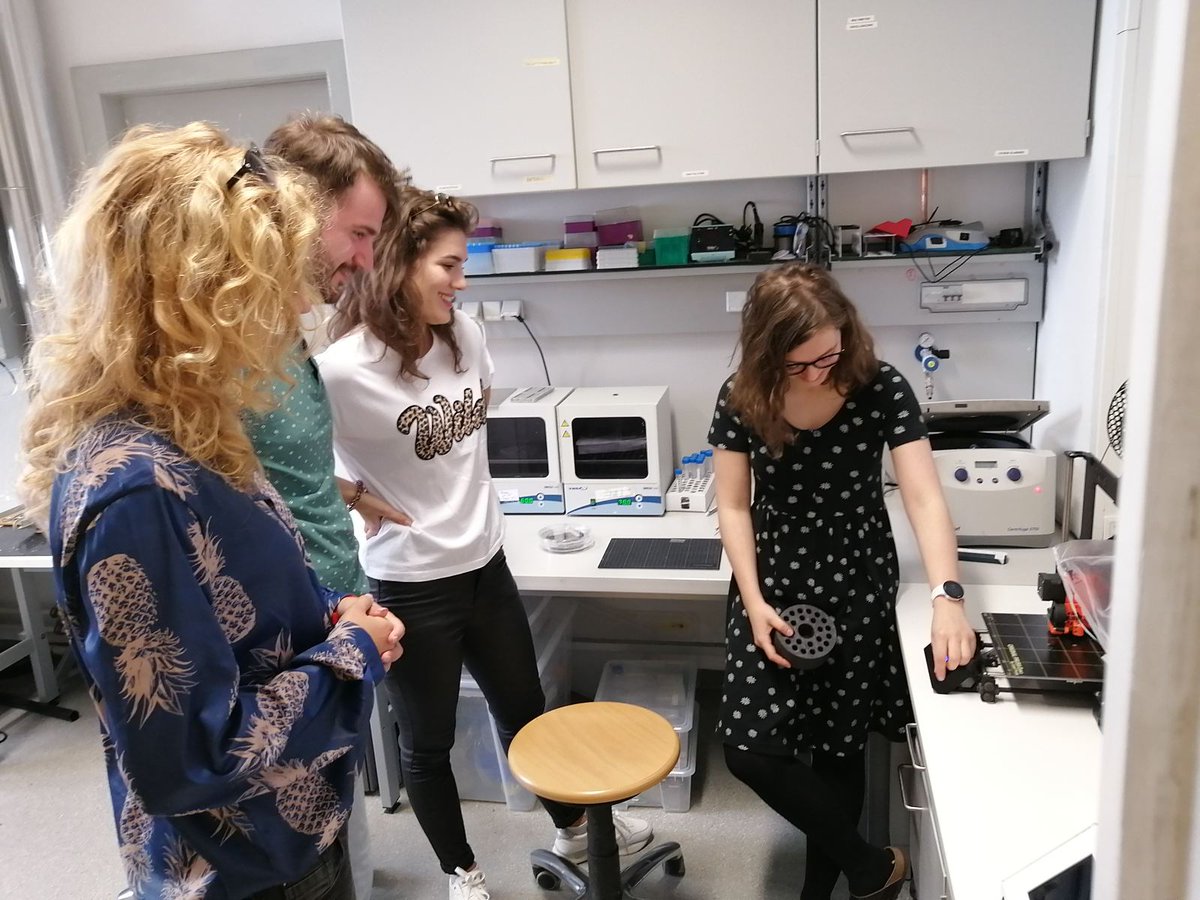
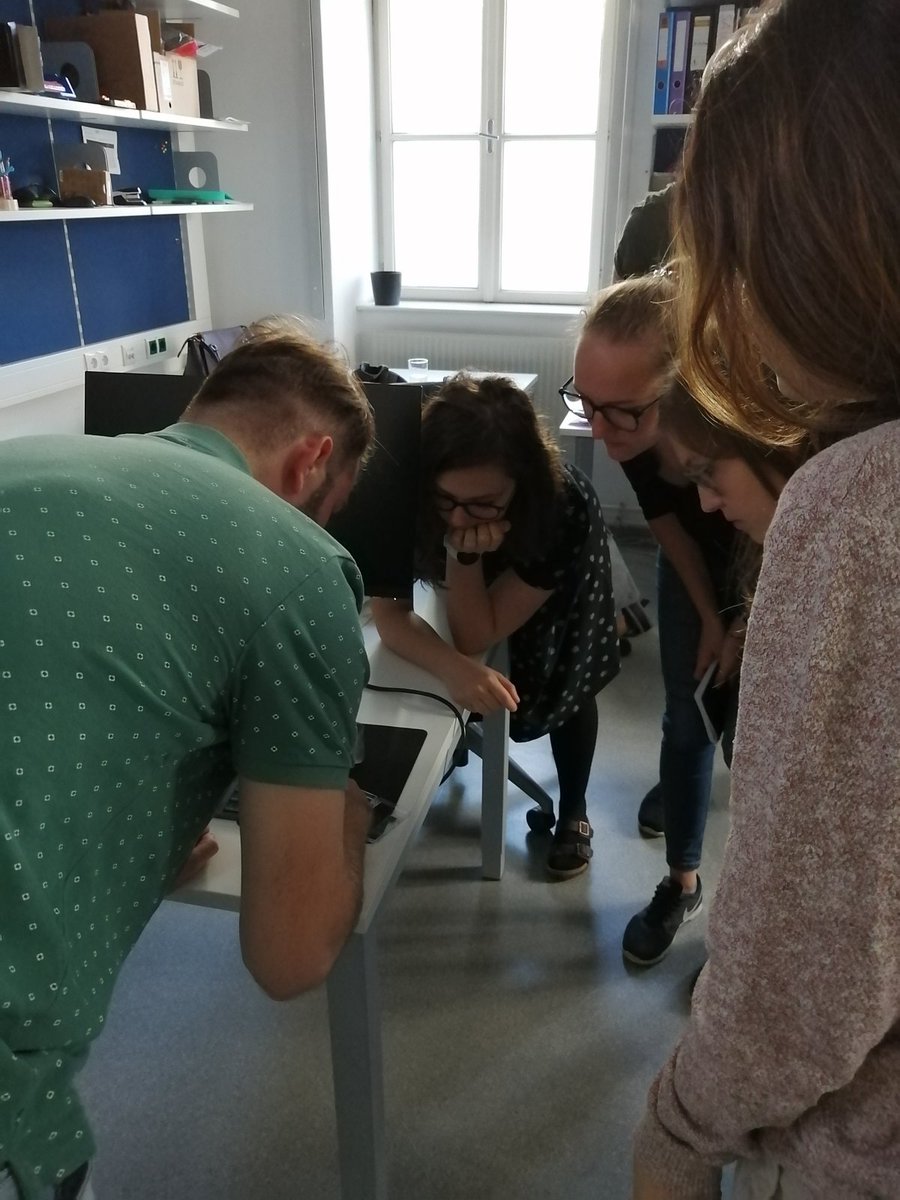
📣The 1st secondment is in progress! Our #youngresearchers are on their #extendedstayvisits at @tu_wien. The 1st training has been dedicated to glass preparation for the fabrication of microfluidic chips. Dear students, work hard and have fun! We are so proud of you!
#nanofacts
Congratulations to Barbara Bachmann on receiving the Life Science Austria PhD award in the category applied science, awarded by ÖGMBT! Barbara was part of LBI Trauma's Competence Center for Mechanobiology and @tu_wien's @cellchipgroup and is now a member of @LBG_SHoW. Cheers!
Researchers @tuvienna have developed a new biochip on which they can grow organ-specific tissue models to evaluate anticancer drug toxicity and penetration across an advanced blood–brian barrier model.
Read the article: https://t.co/dlg4Log6DB
Our work describing the impact of physiological interstitial flow on lymphatic sprouting for a capillary bed-on-chip is now online. Extremely excited to share this great work by my former PhD Barbara!
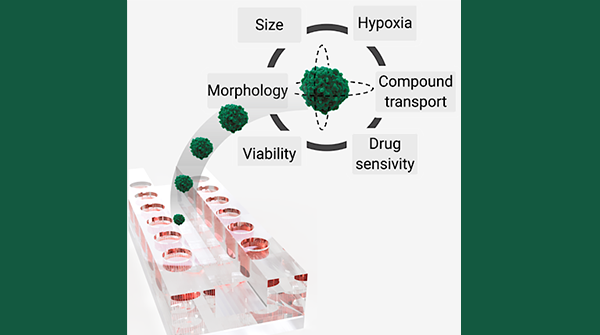
A microfluidic spheroid array is used to investigate the effect of spheroid size on anticancer drug toxicity and compound penetration across an advanced blood–brain barrier model.
@AITtomorrow2day@lbitrauma
Read the #OpenAccess article: https://t.co/mvmfT5BYEy
We are proud to announce our latest publication in Advanced Science about our microfluidic multi-size spheroid microarray for pharmaceutical screening approaches!! Great job @cellchipgroup!!
@tuvienna@ait@lbitrauma @AdvSciNews
https://t.co/XkOrTsaSjR
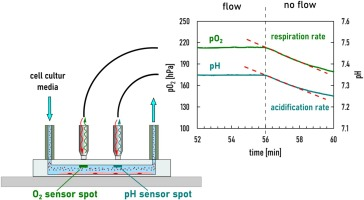
New paper out: Respiration and acidification rates of mammalian cells in microfluidics. Fruitfull collaboration between @cellchipgroup and @lightharvesting at @TUgraz within the AMI - Austrian Microfluidic Initiative @bnn https://t.co/i86z3JeaoR @bnn