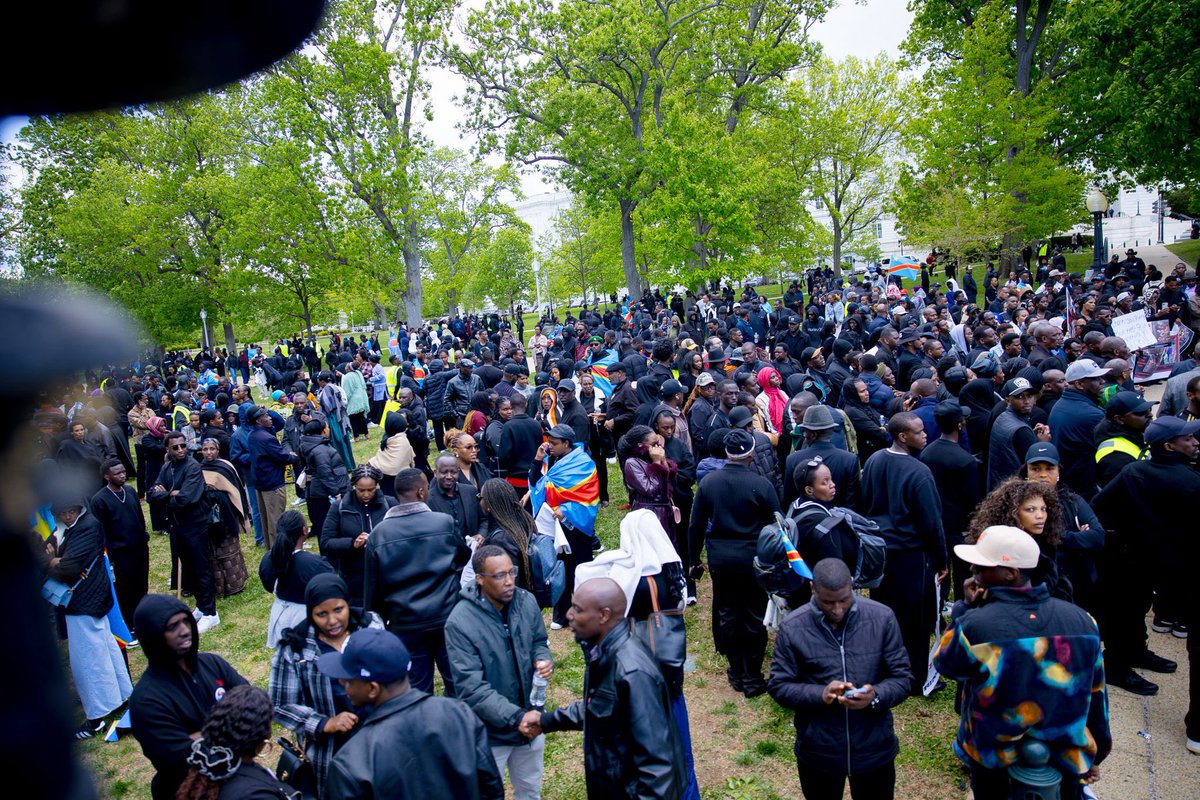
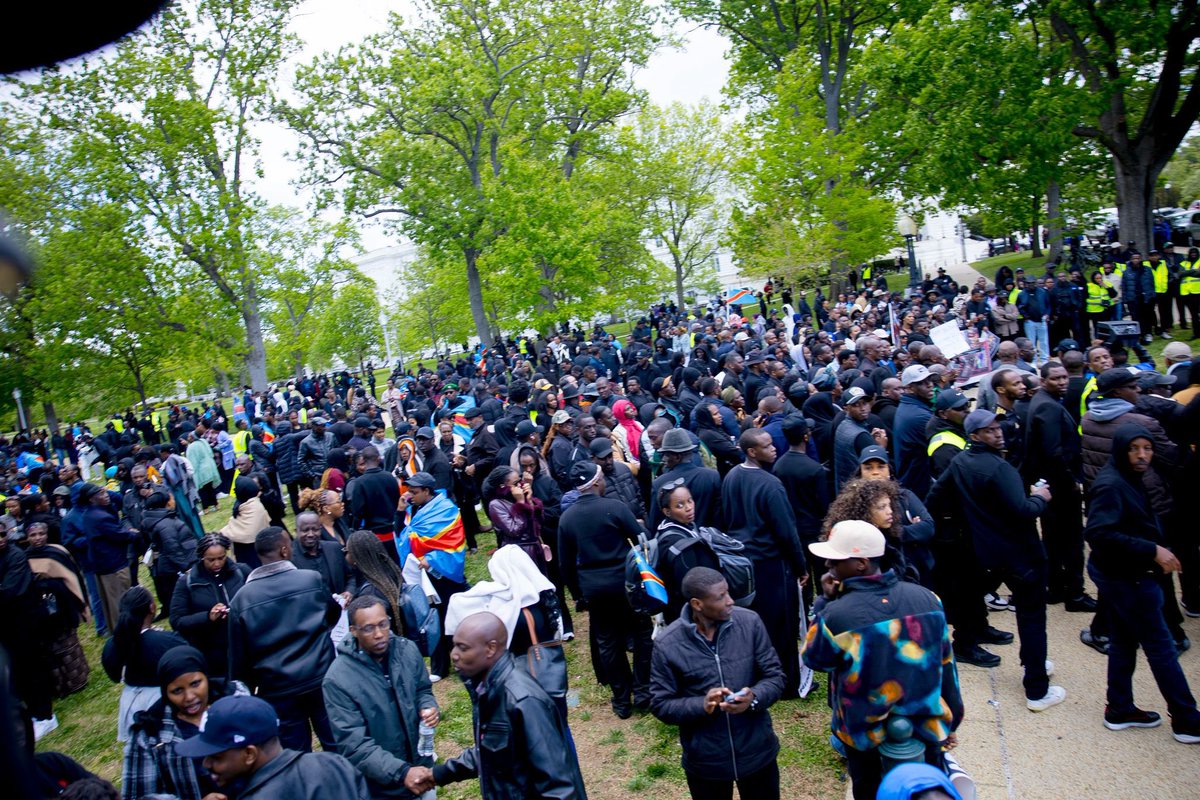
Voir des Banyamulenge se lever par milliers, jusque dans la diaspora aux États-Unis, rappelle qu'on n'ébranle pas un peuple qui a décidé de tenir debout. Ces mobilisations d'hier montrent une communauté organisée, résiliente et déterminée à faire entendre ses revendications de sécurité, de dignité et de pleine citoyenneté.
Qu'on les aime ou non, qu'on partage ou non toutes leurs lectures, les Banyamulenge sont Congolais, et ils vivront avec nous dans ce pays au même titre que toutes les autres composantes de la nation. On ne construira pas le Congo en niant l'existence de certains de ses enfants. On le construira en protégeant chaque communauté et en réapprenant le vivre-ensemble.
Ce peuple a traversé les soupçons, les violences, les campagnes de stigmatisation et les tentatives d'effacement. Pourtant, il est encore là, debout, organisé et résolu. Et c'est précisément cela, la force d'un peuple : survivre à l'injustice sans renoncer à son droit d'exister.
Le temps est venu de sortir des réflexes de haine, des procès identitaires et des exclusions sans fin. Le Congo a besoin de justice et d'un pacte national fondé sur l'égalité de tous. Notre avenir commun ne se bâtira ni dans la négation, ni dans l'humiliation de l'autre, mais dans l'acceptation de notre diversité.
Dear François Nzanga Mobutu, Good evening. I bet your father is turning in his grave, writhing in pain and shame after reading your tweet. He, at least, knew that there are authentic and fully-fledged Congolese Tutsis. He proved it until people like you and others came along and misled him.
Do I need to inform you, in case you're unaware, that the people who demonstrated yesterday in Washington DC, roughly 4,000 of them, others the same day in Nairobi, and still others in England shortly before, are Banyamulenge, these Congolese Tutsis from the highlands, who are protesting against what Tshisekedi and the FARDC, the Wazalendo, Évariste Ndayishimiye and the FDNB, as well as the FDLR and mercenaries, are doing to their relatives in Minembwe and throughout the highlands? Their Sukhoi fighter jets and drones bomb daily, killing children, women, the elderly, and men. They destroy homes, churches, schools, hospitals, and community radio stations. They even kill cows and sheep and destroy fields and crops. They have imposed a blockade on Minembwe, with no entry or exit. They have done and are doing the same thing to the Tutsi in Masisi and Rutshuru in North Kivu.
Instead of listening to their cries and examining their demands, the excuse is quickly found; the preferred shortcut is Rwanda. Always and only Rwanda. Too easy, isn't it? Your thinking, which is also the regime's narrative, can be summarized in these two sentences:
- all the problems facing the DRC come from elsewhere, particularly from Rwanda; we will end up being told that even the migrants are here because of Rwanda. “And all the solutions must come from elsewhere, especially from the United States of America, from Papa Trump.” Under these conditions, what is the point of the regime you serve?
Two small truths to remember, dear François:
“Such an attitude, this kind of ideology, this denial of nationality to Congolese Tutsis of origin, from North and South Kivu, as well as to all those who are victims of the same persecution, like the Hema and others, this easy rejection based on appearance (racial profiling), are among the root causes of the crisis the country is going through;”
“As long as we haven’t decided to be sufficiently responsible, to sit down as a nation and rigorously assess our share (of responsibility) in what is happening to us, we will continue to wait for solutions from others, solutions that may never come.”
Furthermore, there are satanic verses that must be banished immediately, in the interest of everyone and the country, such as: "There are no Congolese Tutsis, every Tutsi is Rwandan, therefore a foreigner," etc. Either we will be able to put an end to exclusion, discrimination, hate speech, and ethnic hatred, and live together according to the law and history, or this deep-seated problem risks haunting us for a long time. But to achieve this, we need leadership capable of understanding and transcending differences and turning them into assets for living together. This is possible.