#DuruşumuzBelli diye caka satanların hamaseti sadece 19 gün sürdü.
AKP’li Fon Çetesinden Fatma Betül Sayan Kaya, Silivri’de 19 gün kalıp, evine gitti.
Tayyip Bey, Fatma Hanımın “yalnız değilim, konuşurum” tehdidine ancak bu kadar dayanabildi.
Milletin 2,2 milyarını cebine indirmişti.
Yattığı her gün karşılığında, 115 milyon lirasını aklamış oldu.
İşte bu rejimin adaleti budur, çökmüştür.
Ahlak anlayışları budur, çökmüştür.
Duruşları budur, çökmüştür.
İktidarı elinde tutanların devleti idare etme kabiliyeti ortadan kalkmıştır.
Milletin huzuru için bu kara düzenin değiştirilmesinden başka yol yoktur.
SPK, önceki tasfiye esaslarında gerçekleşmeyen iade talimatlarının tutarını fon hesabına borç kaydedeceğini açıkça belirtmişti. Şimdi ise farklı bir yaklaşım sergiliyor. Peki yatırımcı hangi uygulamaya güvenecek? Hukuki güvenlik ve idari tutarlılık nasıl sağlanacak? @spkgovtr
Alış emrini kabul edip yatırımcıyı fona ortak eden sistemin, satış emrini neden aynı şekilde sonuçlandırmadığı da bu düzenleme kapsamında değerlendirilecek mi? Yatırımcı açısından alışta ve satışta farklı uygulama yapılmasının hukuki dayanağı nedir? @spkgovtr
In the ancient world, a revolt order was hidden on a man’s head.
In 499 BC, Histiaeus shaved his slave’s head, marked a secret “revolt” message on his scalp and waited for the hair to grow back. He then sent him away. The message was revealed only after his head was shaved again.
One man imagined a fleet of giant metal balloons in the sky. In 1895, Ferdinand von Zeppelin patented his steerable airship. Many thought it was madness. Seven years later, the first Zeppelin took flight and changed the future of air travel.
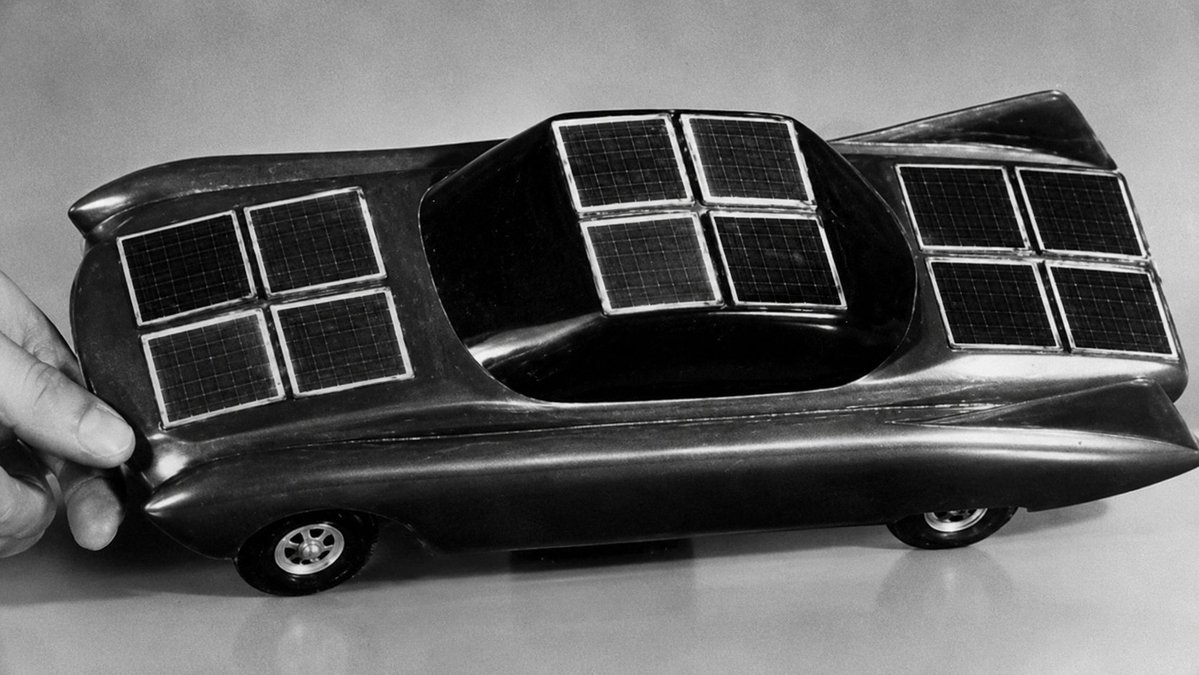
The first solar-powered car appeared in 1955. But it wasn’t big enough to leave a garage: General Motors’ “Sunmobile” was only 15 inches long. Yet it converted sunlight into electricity and actually moved.
One soldier was wounded 11 times, lost an eye and a hand… yet kept returning to war. Sir Adrian Carton de Wiart fought in two world wars, survived two plane crashes and escaped a POW camp through a tunnel. History remembers him as the “Unkillable Soldier.”
A laboratory accident changed millions of lives. In 1928, mold accidentally contaminated Alexander Fleming’s bacterial culture. The bacteria around it had died. Fleming noticed it and discovered penicillin. Seventeen years later, he won the Nobel Prize.
Halley’s Comet was in the sky when Mark Twain was born. He said, “I came in with Halley’s Comet, I expect to go out with it.” He was born in 1835 and died in 1910, when Halley returned. The writer’s prediction came true in a bizarre way.
One man survived two atomic bombings. Tsutomu Yamaguchi was in Hiroshima on August 6, 1945. Three days later, he returned to Nagasaki—and survived the second bomb too. In 2009, Japan officially recognized him as a survivor of both attacks.
There’s a country where the capital seems to change depending on what you mean. 🇳🇱 In the Netherlands, Amsterdam is the constitutional capital, while The Hague is the seat of government. The king is sworn in Amsterdam, but the country is run from The Hague.
The world’s first “library” wasn’t made of books. In the 7th century BC, Assyrian King Ashurbanipal amassed more than 30,000 clay tablets in Nineveh. They included the Epic of Gilgamesh. Thousands can still be read today.
This photo shows the aftermath of a bank robbery.
In 1892, the Dalton Gang attempted to rob two banks in Coffeyville at the same time. After a 12-minute shootout, four gang members were killed; Emmett Dalton survived, badly wounded.
The robbery became one of history’s bloodiest failed heists.
A locust’s brain can distinguish toxic chemicals made by humans.
Researchers found that neurons in its brain respond differently to different PFAS compounds.
Now they’re trying to turn this biological system into tiny sensors for detecting water pollution.
Something dying people experience is still strange enough to puzzle scientists.
Studies found that 77% of patients reported dreams or visions. The most common involved loved ones who had already died.
Why it happens is still unknown.
A snake's blood contains an antidote to its own venom.
Scientists found proteins in rattlesnake blood that can neutralize deadly venom. The mixture worked in mice exposed to otherwise lethal doses.
Now they're trying to turn the snake's own defense into a treatment for humans.
The Romans moved water “uphill” without pumps.
Their secret was the inverted siphon: water dropped into a valley, then pressure pushed it back up the other side. They used pipes, stone and precise gradients.
It never rose above its source—but it looked like it did.
This plastic disappears when heated, then comes back.
Scientists created a polymer that turns into a gas at 90°C and reforms into the same plastic when cooled.
It’s still experimental, but it could change plastic recycling.
Your brain deliberately records the things that surprise you.
Researchers found that when something unexpected happens, the brain directs more energy toward gathering sensory information.
With familiar events, it processes less detail.
So when you're surprised, your brain switches into “don't forget this” mode.