Anthony Bourdain had what looked like the best job on the planet. He got paid to roam the world eating whatever he wanted, and strangers everywhere told him things they would never tell a reporter. Eight years ago today, he died by suicide at 61.
For almost thirty years before any of that, he was a cook nobody had heard of, working long hot shifts for little money. He was in his forties when he wrote a book spilling the secrets of what really goes on behind restaurant doors, and almost overnight, the unknown cook became a star.
What made him different was that he never faked it. Other travel hosts smiled at pretty views and pretended to love everything. Bourdain sat on plastic stools in back alleys and ate exactly what the people there ate. Then he got them talking about their real lives, and they trusted him enough to tell him the truth.
He went to places most shows stayed away from, like the Congo, Gaza, Iran, and New Orleans right after Hurricane Katrina. He once ate noodles at a tiny plastic-table joint in Vietnam with a sitting US president. His show Parts Unknown ran for twelve seasons and won a dozen Emmy Awards along with a Peabody, the top prize in broadcasting. It made a food show feel like real reporting on the world.
His death was so shocking because of the gap between the life everyone saw and the life he was actually living. Here was the guy who looked freer than anyone on TV, doing the job millions of people dreamed about, and the pain underneath was almost invisible to the people around him. He had actually talked about it in the open: on camera he once described how something as small as a bad meal could drop him into days of feeling low, and he had written about his heroin addiction from when he was young. None of it fit the cheerful, curious man people thought they knew.
He died just days after the designer Kate Spade died the same way, and that week, calls to the national crisis line jumped 65 percent. The conversation that followed kept circling one hard fact: the life you envy from the outside can be sitting right on top of pain you cannot see. What he left behind is bigger than any of the awards. He taught a whole generation that the fastest way to understand a stranger is to sit down and eat what they eat.
thanks for liking this pic, now subscribe to my NEW MONTHLY NEWSLETTER about art+culture :’) i’m proud and so excited for this
link in my bio to sign up ! !
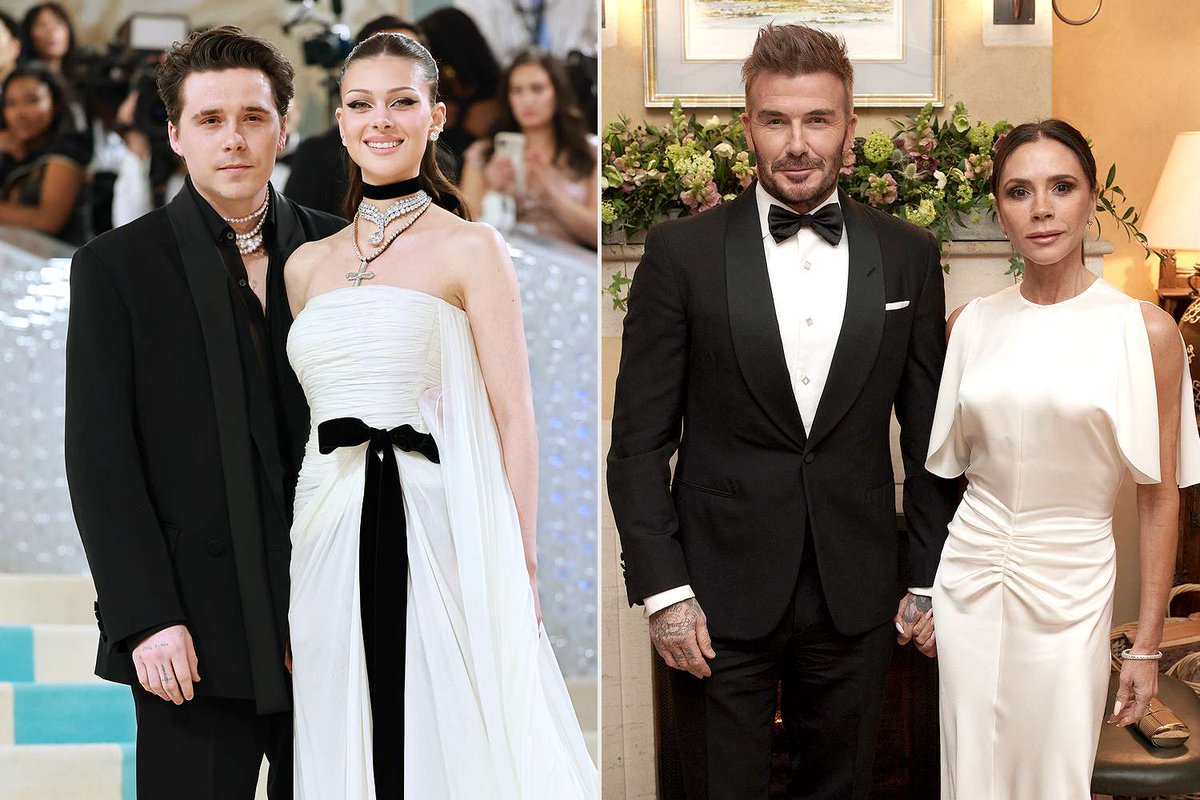
Brooklyn Beckham and Nicola Peltz are living proof that a life without adversity produces people who confuse inconvenience with trauma.
They genuinely believe they are suffering—not from war, hunger, displacement, or loss—but from a wedding dress disagreement and a painfully ordinary in-law squabble.
That’s the hardship.
At the same moment millions of people worldwide are starving, being bombed, or buried in mass graves, Brooklyn and Nicola were navigating the emotional devastation of a billionaire-funded wedding not going perfectly.
So devastating, in fact, that they coped the only way people of limitless privilege can:
by organizing another multi-million-dollar wedding.
Yes—two luxury ceremonies, because someone said something unkind, a sibling caused tension, and a mother danced at the wrong moment.
This is not resilience.
This is not struggle.
This is what happens when a lifetime of insulation convinces people that mild discomfort is a crisis worthy of public sympathy.
When your worst day costs eight figures, you are not traumatized—you are simply untethered from reality.
Thoughts. Prayers. Perspective. 🙏
#Privilege #CelebrityCulture #OutOfTouch #BillionaireProblems #FirstWorldProblems #RealityCheck #WealthBubble #SocialCommentary #CulturalDisconnect
Do you think extreme wealth actually destroys a person’s ability to understand real suffering?