Seeing a trend early gives you more time to act.
Better visibility into changing bin conditions helps farmers plan their next move.
How early would you want to know?
#GrainStorage#AgTech
Grain spoilage can start before heat, smell or visible mould.
CO₂ provides an early signal of biological activity inside stored grain.
Do you measure CO₂ today?
#GrainStorage#AgTech
You inspect the bin. What happens next?
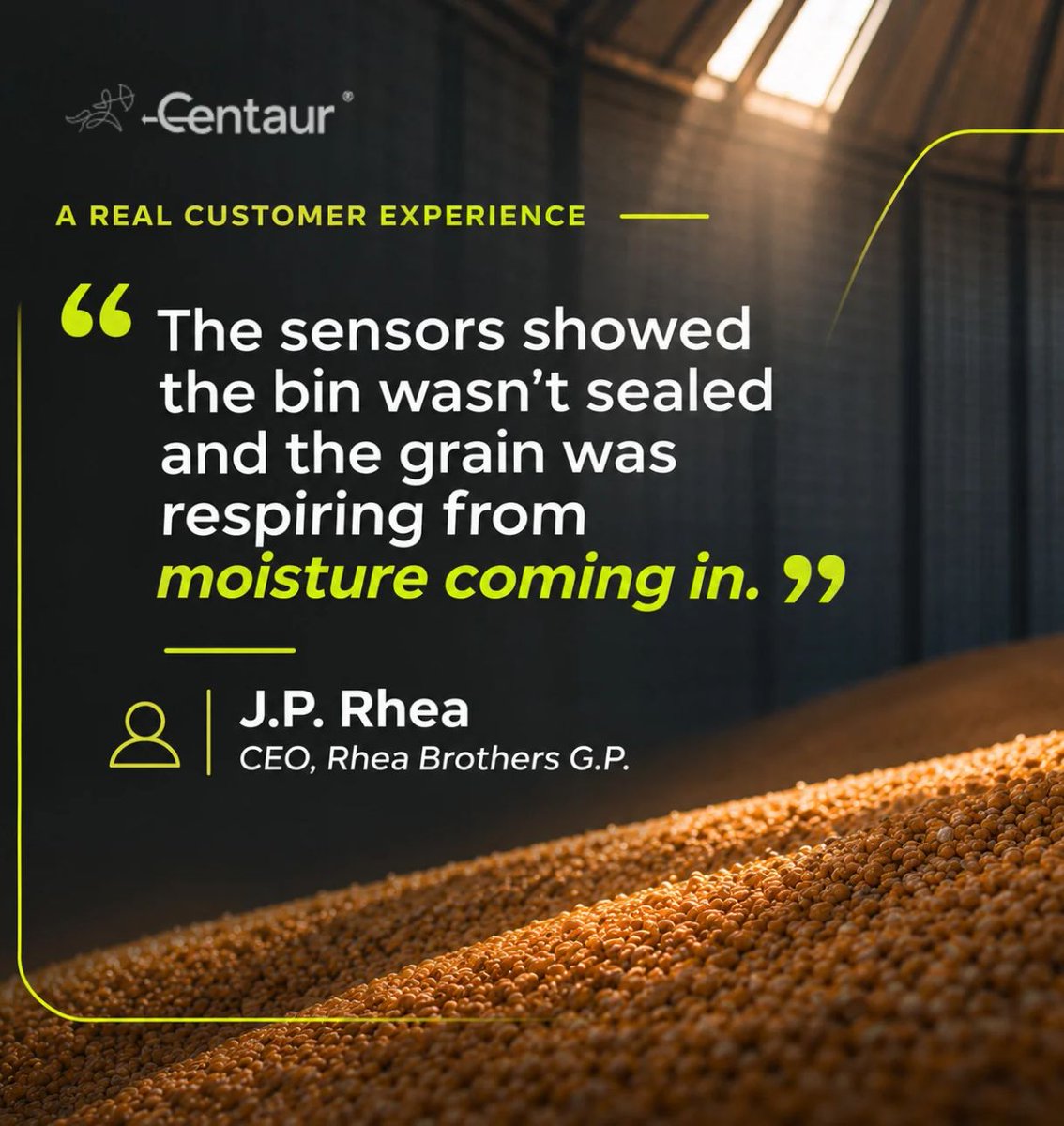
Moisture gets in. Grain starts respiring.
Centaur's Post-Harvest Intelligence Platform keeps you informed between inspections.
#GrainStorage#AgTech
Temperature readings tell part of the story. Understanding what's happening inside the grain mass requires a broader picture.
Centaur is a Post-Harvest Intelligence Platform.
Do you measure CO₂ inside your grain today?
#GrainStorage#AgTech
The grain was frozen to 3 °F. It was still respiring.
Purdue research found CO₂ sensors detect hotspots 3–5 weeks before temperature cables.
What's your cables' blind spot?
#GrainStorage#AgTech
A moisture reading alone doesn’t tell the whole story. Storage duration, environmental conditions and management practices all shape how grain data should be interpreted.
How do you turn moisture data into actionable insights?
#GrainStorage#AgTech#PostHarvestIntelligence
Moisture management is critical after corn harvest. Levels that are too high for storage conditions can increase deterioration risks, making accurate assessment essential.
How are you using moisture data to protect grain quality?
#CornHarvest#GrainStorage#AgTech
Moisture is a key factor when assessing corn for storage.
Understanding initial moisture levels helps operators manage deterioration risks and protect grain quality.
How do you assess storage readiness?
#CornHarvest#GrainStorage#AgTech
The first days in storage establish the baseline for grain quality.
Comparing future measurements with initial conditions helps operators identify changes and understand when further investigation may be needed.
Do you know where your grain stands from day one?
#GrainStorage
Corn’s journey doesn’t end when it leaves the field.
Transportation, receiving and storage all play a role in maintaining grain quality after harvest.
How does your operation protect grain quality beyond the field?
#CornHarvest#GrainStorage#AgTech
Harvesting is only the beginning.
Transportation, handling and storage conditions all play a role in maintaining corn quality after it leaves the field.
What happens after harvest matters.
#CornHarvest#GrainStorage#AgTech
Clean-looking grain doesn't always tell the whole story.
Storage conditions can create risks that aren't visible during a routine inspection.
What are you measuring beyond appearance?
#GrainQuality#GrainStorage#AgTech
Grain’s journey doesn’t end at harvest.
Transportation, handling and storage conditions can all influence its quality long after it leaves the field.
How are you protecting grain quality beyond harvest?
#GrainStorage#CornHarvest#AgTech
Harvest doesn’t mean the work is over.
Once corn is stored, moisture, temperature and storage conditions continue to influence its quality—and the risks it may face.
What happens after harvest matters just as much as getting the crop in.
#CornHarvest#GrainStorage#AgTech
The more connected a storage operation becomes, the more important prioritization becomes. Not every signal deserves the same level of attention.
When everything can be monitored, what should operators focus on first?
#AgTech#GrainStorage
Prediction gives operators something valuable: time.
More time to investigate.
More time to decide.
More time to act.
Don’t just react to what’s happening. Anticipate what’s next.
#AgTech#GrainStorage
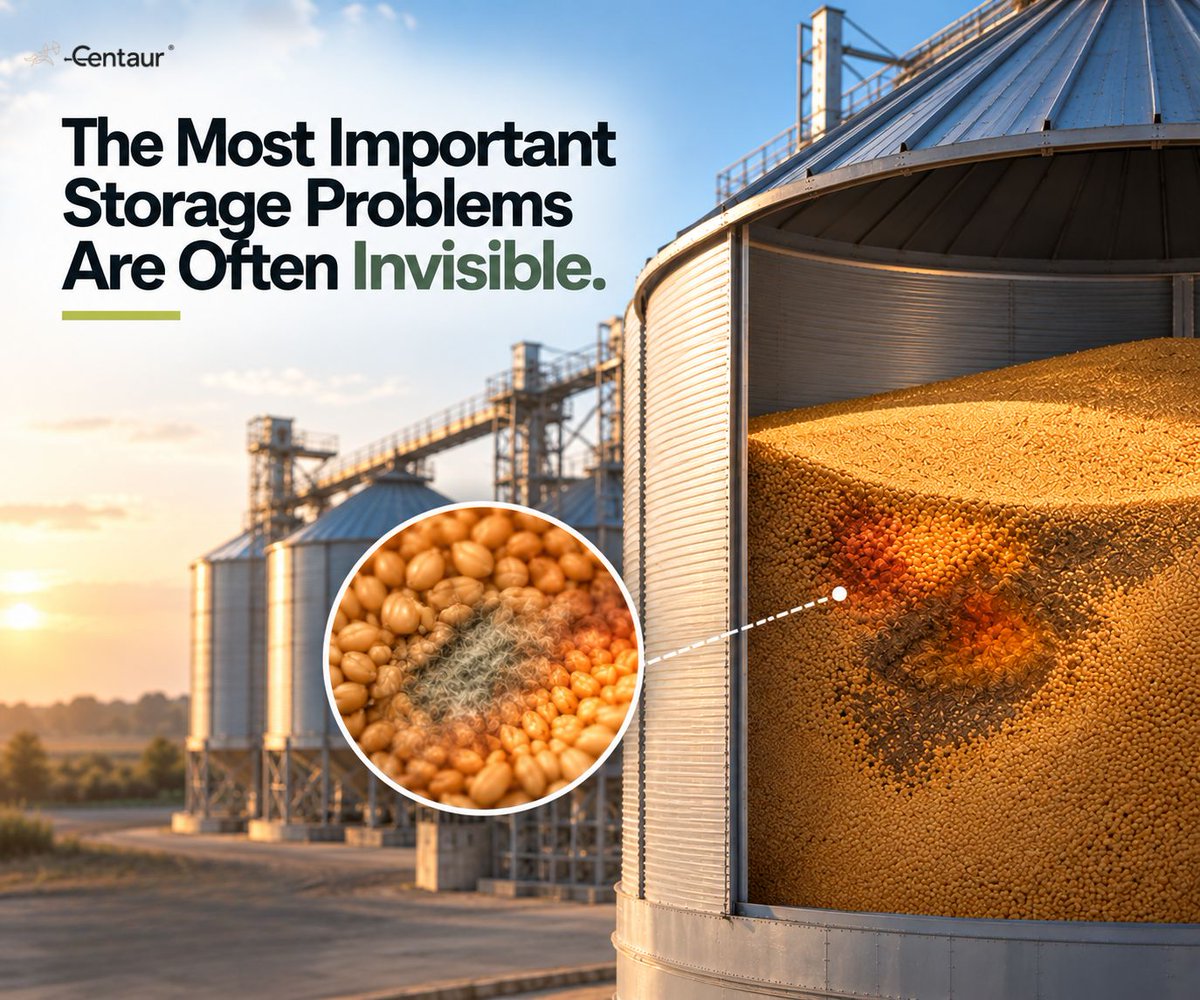
Some storage problems begin before there’s anything obvious to see. A small change today may become a much bigger concern later.
What could be changing inside your storage before you can see it?
#GrainStorage#GrainQuality#AgTech
A storage operation can generate thousands of data points.
The challenge isn’t collecting them.
It’s knowing which ones matter, why they matter, and what they mean together.
That’s where data becomes operational intelligence.
#AgTech#GrainStorage
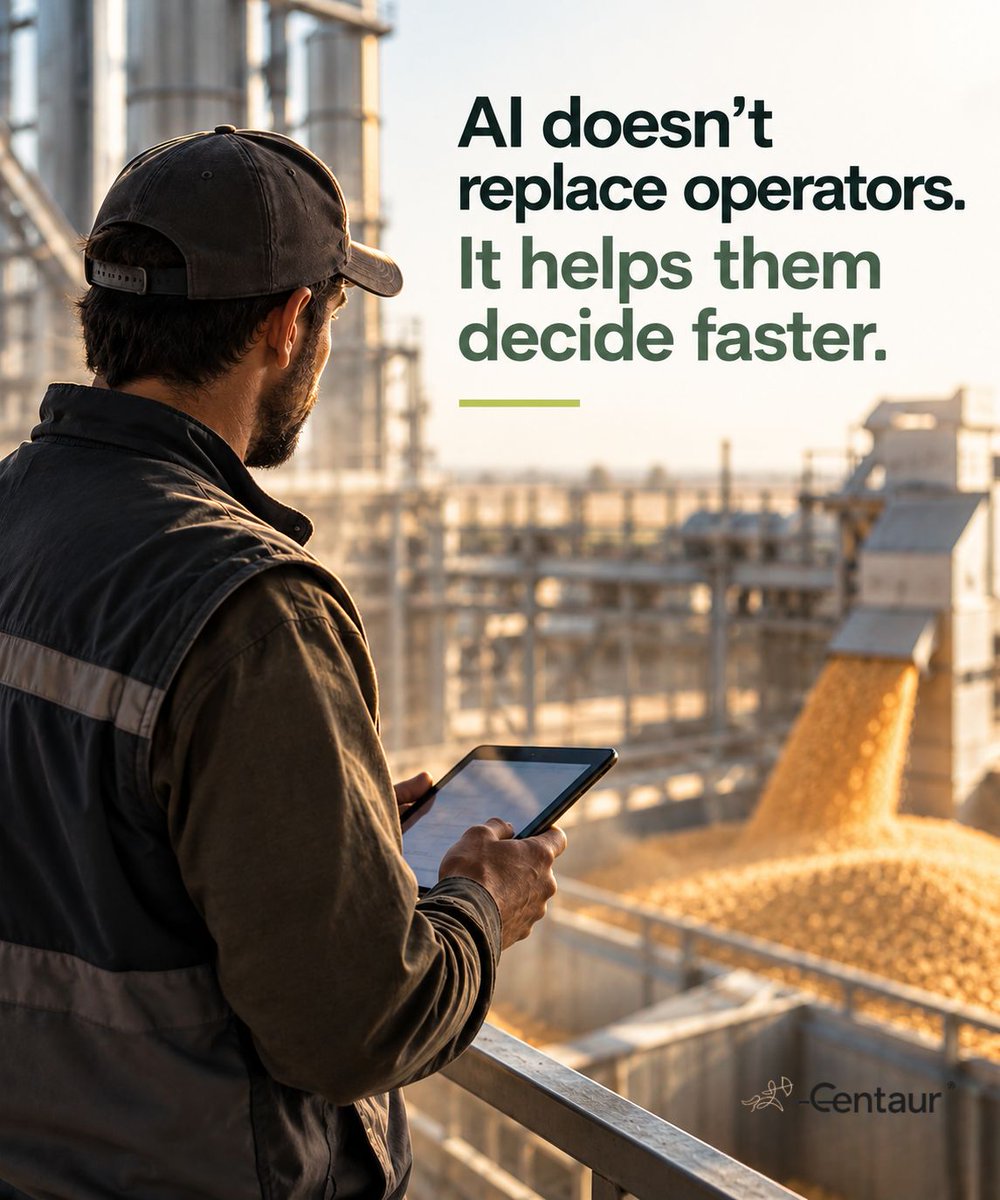
AI doesn’t replace human judgment.
It can help operators process more information, spot what matters and reach decisions faster.
But where should AI’s role end — and human judgment begin?
#AgTech#GrainStorage#AI
Small storage problems don't always stay small.
The longer a developing condition goes unnoticed, the more difficult—and potentially costly—it can become to manage.
How much can early detection change the outcome?
#GrainStorage#GrainQuality#AgTech