The Official X account of the Chief Executive Officer of The African Federation | Le compte X officiel du Bureau du Directeur Général de la Fédération Africaine
On Wednesday, 20 May 2026, The African Federation will convene the TAF Global Conference 2026, a virtual gathering open to all Africans and friends of Africa across the continent and the diaspora.
Under the theme, “Africa’s Future Is What We Do Now,” we will present TAF’s vision, strategic priorities, and practical opportunities to engage through our Chapters, Focus Units and collaborative initiatives.
If you believe in a more united, prosperous, and self-directed Africa, I invite you to join us.
20 May 2026
6pm GMT | 7pm WAT | 8pm CAT | 9pm EAT
Register: https://t.co/ERdL9zLpdh
A New Chapter in Urban Politics Has Begun
Today, history was written in New York City.
Zohra Mamdani — born in Uganda, raised in Queens, proudly Muslim, child of immigrants — has won the New York City mayoral race. A city of 8.8 million people, 800 languages, and every possible identity just affirmed a truth that political consultants know but rarely say out loud:
Numbers. Structures. Strategy. Discipline. That is how power is won.
This campaign was not an accident. It was engineered.
• Community organising across boroughs
• Hyper-local messaging in diaspora neighborhoods
• Data-driven voter segmentation
• Relentless field operations
• Targeted mobilisation of first-time voters
Over 1.2 million doors knocked.
Tens of thousands of volunteers trained.
Digital outreach scaled to every demographic layer.
This is what it looks like when grit meets strategy.
This victory challenges old assumptions about electability, identity, and who gets to dream of power. From Kampala to Queens to City Hall — the story reminds us:
Nothing is impossible in politics when:
https://t.co/xHkpF4qT7U know your numbers
https://t.co/UprMkQ93qB build real structures
https://t.co/RVLB2HxHD8 hire and listen to experts
https://t.co/CiM8CcTNxH run a strategy, not a personality campaign
In the coming years, political schools, strategists, and campaign managers across the world will study this campaign — not because it was flashy, but because it was disciplined, data-driven, and rooted in the lived realities of ordinary people.
A masterclass in modern democratic mobilisation just unfolded in front of us.
This is what the future of politics looks like.
#PoliticalStrategy #CampaignArchitecture #DataDrivenCampaigns #Mobilisation #Leadership #ShikamoStrategies #IPE25 #GlenMpani @ShikamoCampaign@IPE_Official_
Our upcoming X-Space led by TAF Wellness is a deep dive into how we can decolonise education, from dismantling Eurocentric content to making #AfricanKnowledge, languages,and community wisdom the heart of our curricula: https://t.co/m9I7Uh5C5h
Our strength lies in embracing our differences while working with common purpose. Before our cultural differences, we are #African first. Visit our website to read our full statement about #AfricaDay2025: https://t.co/VBLhoajrbX
#TAF wraps up a month of powerful conversations on the #AfricanMentality this Saturday, 22 March 2025! Join us as we connect the dots, challenge old narratives and shape the mindset that will build #Africa’s future. 2PM GMT | 3PM WAT | 4PM CAT | 5PM EAT: https://t.co/VhF9p2zqF0
What then does this mean for #Africa with some of the world’s largest reserves? Many #African countries extract minerals and export raw materials without substantial value addition.
#Ethiopia is the only country on the continent that never was colonised. Its victory at #Adwa in 1896 proved that #Africans could resist imperial domination. This is a strong example of unity & self-determination. 🇪🇹 #TAFEthiopia#Ubuntu
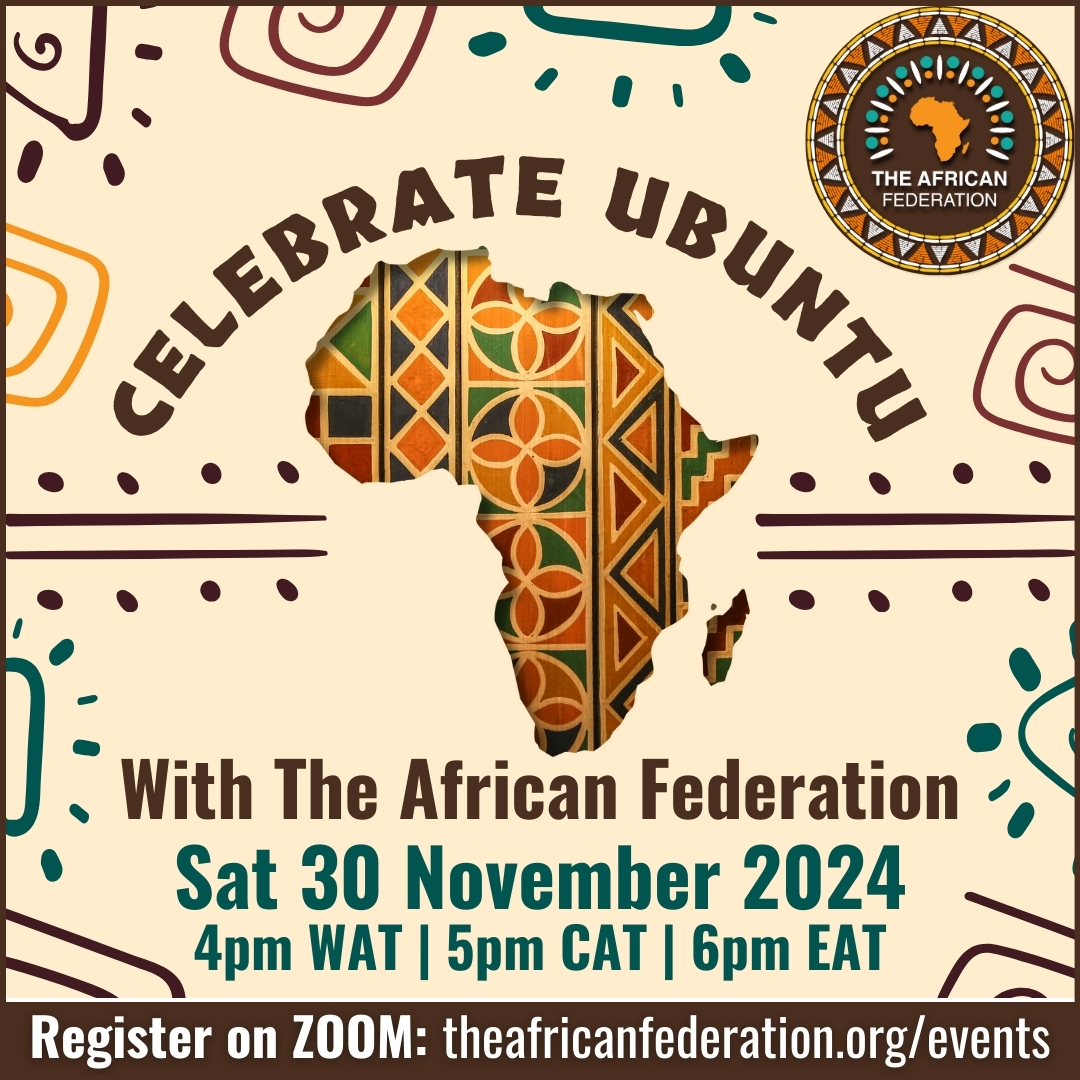
The journey of Ubuntu and The African Federation culminates on November 30th with TAF Narrative's Ubuntu Grand Celebration! Together, we’ve explored Ubuntu’s force in driving real change across Africa. Now, we gather to confront the imposed narratives, embrace our communal power and reawaken Africa’s voice.
This is not just a conversation; it’s our commitment to unity, leadership and African identity. The winners of the Ubuntu Creative Competition 2024 will also be revealed! Visit our website to register: https://t.co/Lg87NNwkKw
By integrating the #Ubuntu philosophy in our environmental initiatives, we can create a more stronger, ecological, healthier and resilient Africa. The time has come to combine modern knowledge and ancient wisdom to address our global environmental challenges. #UbuntuDay2024
Visit our website to learn more about TAF: https://t.co/UAskuplkOv
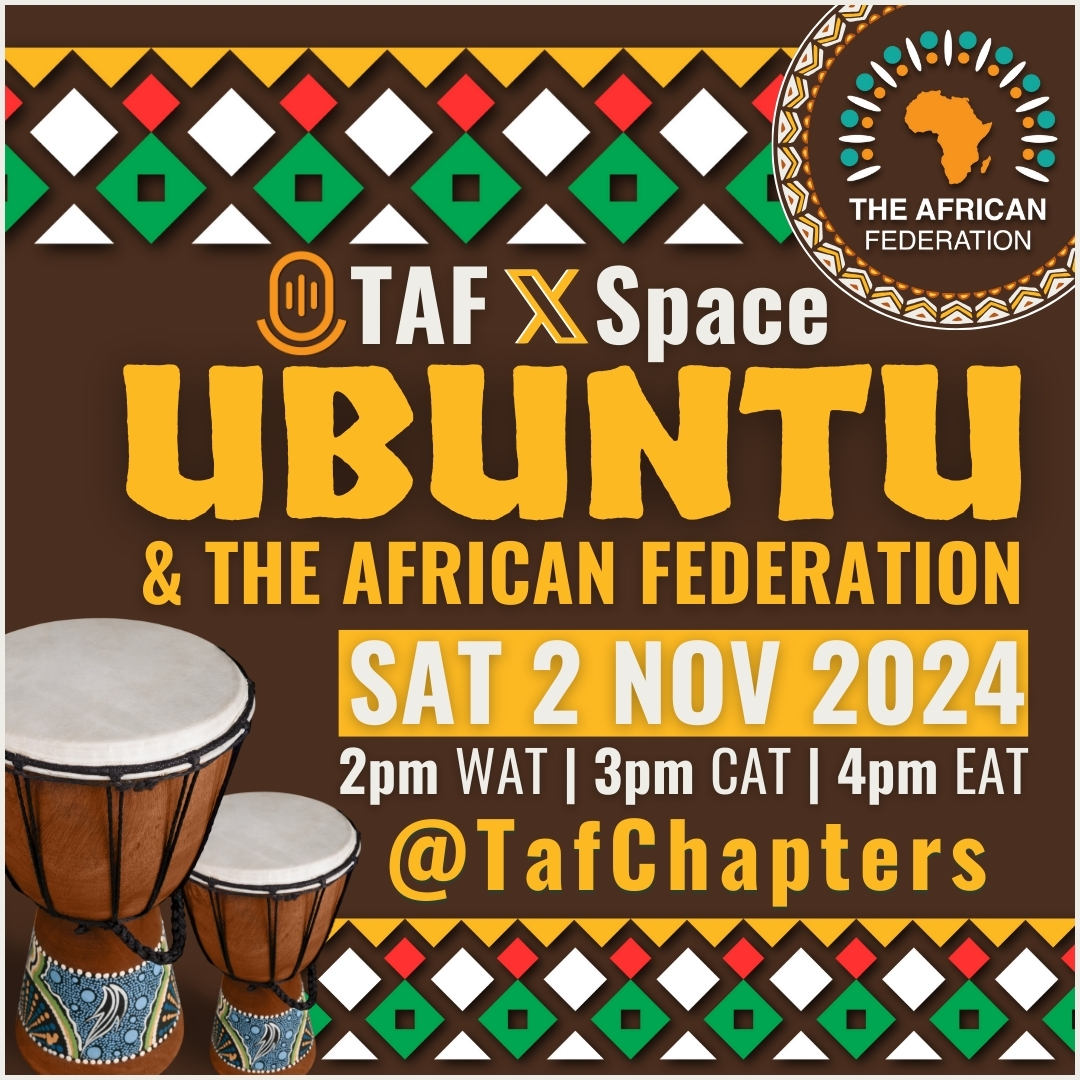
Join us on Saturday 2 November at 1pm GMT | 2pm WAT | 3pm CAT | 4pm EAT for a space on X: https://t.co/wp2yCp0QSs. Themed around #Ubuntu, TAF Kicks-Off November Ubuntu Day Celebrations; featuring speakers from across TAF, Africa and the diaspora who will explore how Ubuntu can guide solutions to Africa’s pressing issues. The practice of Ubuntu in local communities, personal experiences of Ubuntu in everyday life, Ubuntu’s potential to address contemporary environmental, health, social, political and economic challenges. #UbuntuDay2024
LINGUISTIC IMPERIALISM
Linguistic imperialism is the process whereby dominant powers impose their language on those they colonise, suppressing indigenous languages and thus marginalising their speakers and sustaining power inequalities.
Indigenous languages in colonial Africa were frowned upon, while colonial languages were made mandatory. In Anglophone Africa, policies were all written in English; media and broadcasting used English; and there were many systemic policies forbidding the use of indigenous languages.
For example, students in many Kenyan schools were punished for using any other languages, with most of these punishments involving shaming tactics such as the wearing of bones from dead animals as chains around the neck. This also happened to the indigenous people who were forced to speak Arabic and change their names in places like Sudan.
This warped the consciousness of individuals, leading to a loss of appreciation for indigenous languages and cultures - and promoted the adoption of the coloniser’s worldview, values, systems and structures.
UNESCO's 1953 report, The Use of Vernacular Languages in Education, indicated that around 40% of the global population received education in an unfamiliar language. Sub-Saharan Africa, which is home to nearly 30% of the world’s languages, still uses the colonisers’ languages as national languages.
Consequently, the education and values instilled remain those of the colonisers. Many languages are at risk of extinction, with only a few speakers left. The loss of these languages is equivalent to the loss of African heritage and culture.
#Cameroon, the journey to a united and prosperous #Africa starts here! TAF Cameroon is soft launching on Saturday 19 October 2024 at 1pm GMT | 2pm WAT | 3pm CAT | 4pm EAT. Join us as we pioneer good governance & sustainable economic growth. Register at: https://t.co/z473yTzXua
In our mission of making #Africa a Superpower by 2050, for the many rather than the few, #TAF promises to be objective, respectful, fair, honest, transparent, accountable, inclusive and tolerant. Visit our website to learn more: https://t.co/SdbTC12c0L
#Nigerians have taken to the streets across the country to protest against bad governance, corruption, and the skyrocketing cost of living, which has resulted in more economic hardship for the already struggling ordinary citizens.
The protests, which were largely planned by the country's youth online, began on August 1 and are expected to last ten days. They are intended to pressure the government to address the pressing issues raised by Nigerians, including record-high inflation, scrapping of fuel subsidies, endemic corruption, and insecurity.
#Nigeria is one of the leading economies in Africa, boasting huge oil exports and a sizable population of over 210 million people. However, like most African nations, the country has faced decades of corruption, bad governance, and persistent security issues, resulting in underdevelopment and increasing poverty levels.
Despite being one of Africa’s largest economies, over 80 million people in Nigeria live below the poverty line, and more than 50 million are considered vulnerable. While the political class remain seemingly insensitive to the plight of their people, this is a stark reminder of the glaring inequality in the nation - with the the gap between the rich and the poor growing worlds apart.
The political elite in Nigeria are among the highest-paid in Africa, enjoy flashy lifestyles, living in affluent suburbs, and driving luxurious SUVs. In contrast, their electorate struggles to meet their own basic needs and the country's economic hardships make life more and more unbearable.
A wakeup call for the country’s leadership
The ongoing protests in Nigeria were inspired by similar efforts in Kenya, where the youth successfully pressured the government into submitting to their demands following a historic countrywide protest on June 25 which resulted in a breach of the parliament buildings. Similar efforts by Ugandans were thwarted by the police.
One of the key issues fueling the current protest in Nigeria is corruption! Every year, billions are lost to the pockets of a few through corruption instead of funding public projects that would benefit everyone.
According to the Anti-corruption Agencies of Nigeria, in 2022 alone, the country lost $18 billion to corruption and financial crime, equivalent to 3.8% of its GDP. Although the country is among the leading oil exporters in #Africa, which should result in robust economic growth, its riches are plundered by politically connected elites.
In addition to corruption, Nigerians are also facing the toughest economic time in recent history due to fiscal and monetary policies adopted by their current administration. Unlike previous regimes, President Bola Tinubu’s administration scrapped fuel subsidies that had been cushioning Nigerians from high prices at the pump.
Additionally, the government has stopped propping the naira to let it assume its absolute market value - a move that has left the local currency in a free fall. As a result, the naira lost more than 70% of its initial value in mid-2023 and the country continues to face a dollar shortage crisis.
Skyrocketing cost of living, increasing economic hardship
While the two critical decisions aimed to bolster investor confidence, attract more foreign investments, and boost exports, they have resulted in a record-high inflation rate of over 40%, making life unbearable and causing more suffering to the already struggling population.
The high fuel price has pushed the cost of commodities higher by over 30%, crippling the purchasing power of many citizens surviving below the minimum wage. However, President #Tinubu has defended the new measures terming them painful but necessary to stabilise the country’s economy, with more than half of revenue collected channeled to external debt servicing.
Nigerians also decry bad governance, which has almost become the new normal. Many state institutions are dysfunctional, and insecurity is surging in northern parts of the country, slowing economic growth in the region. Due to policy uncertainties, the country also faces a volatile business environment.
All these issues have resulted in civil unrest in the oil-rich West African nation, with most citizens calling on the government to reinstate fuel subsidies, end corruption and stabilise the #naira.
The push for good governance, accountability in the use of public resources, and an end to corruption in Nigeria and other African countries is a wake-up call for African leaders. It underscores the urgent need for policies that consider the plight of ordinary citizens and create an environment where everyone can thrive.
With good governance and accountability in the use of public resources, African countries can realise sustainable economic growth, reduced foreign borrowing, increased infrastructural development, and reduced poverty.
Read this and other posts on #African #politics and society on my website here: https://t.co/TmOVi3w9X7
The moment we've been waiting for is finally here! The soft launch of the #TAFBotswana Country Chapter is about to begin. Please Join us on Saturday 27 July 2024, at 3pm CAT. Help #Africa become a #Superpower2050 for the many rather than the few. Register at https://t.co/JXLODSaYJj
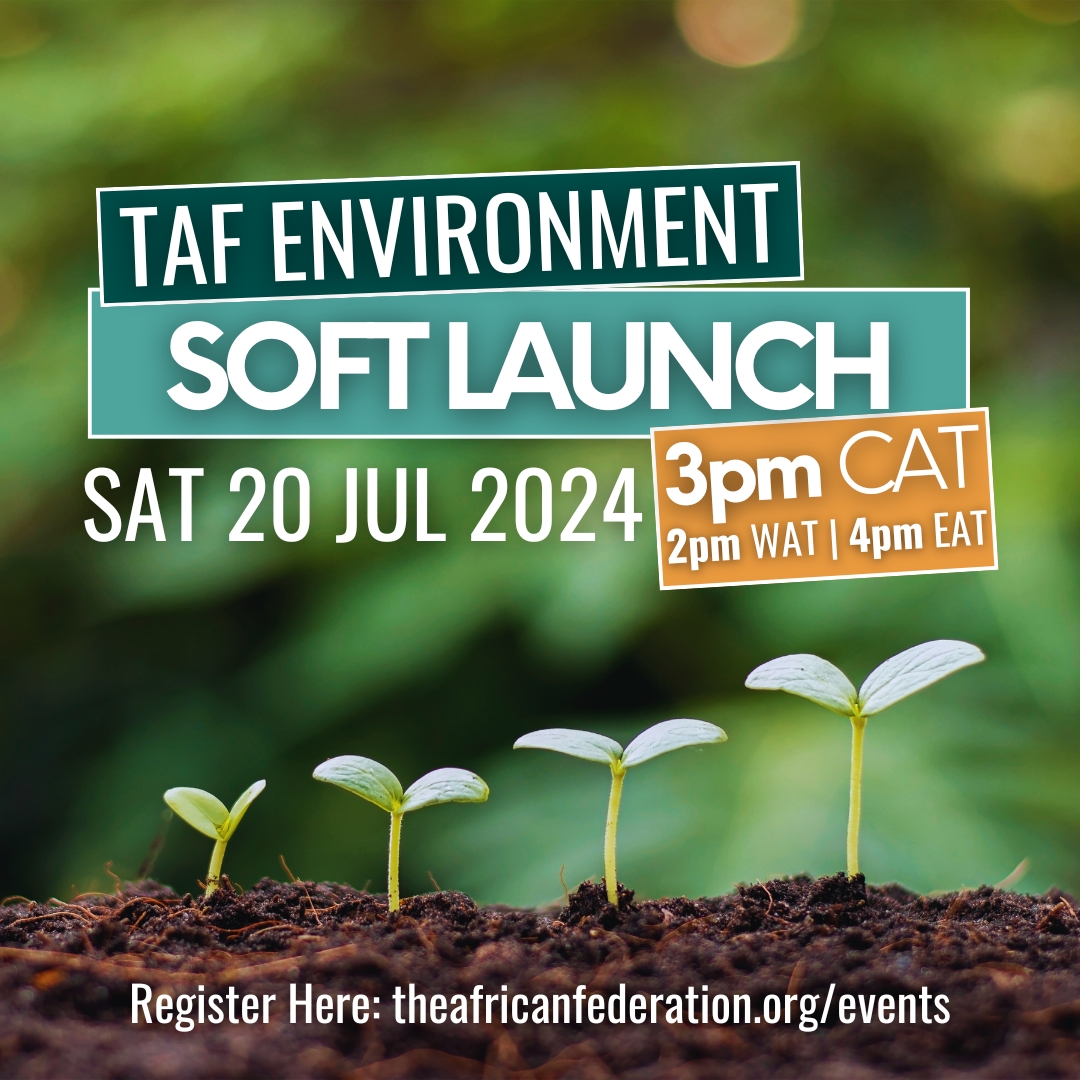
Mitigating environmental challenges in #Africa needs a multifaceted approach. TAF Environment is soft launching on Saturday 20 July 2024 at 3pm CAT | 4pm EAT, and we'll discuss strategies to combat deforestation, enhance biodiversity, promote sustainable agriculture and support #GreenTechnologies. We aim to address climate impacts on agriculture, water resources & ecosystems and develop comprehensive waste management policies. Join us in fostering regional cooperation for a sustainable future. Register here: https://t.co/AD0KT8J5Q5
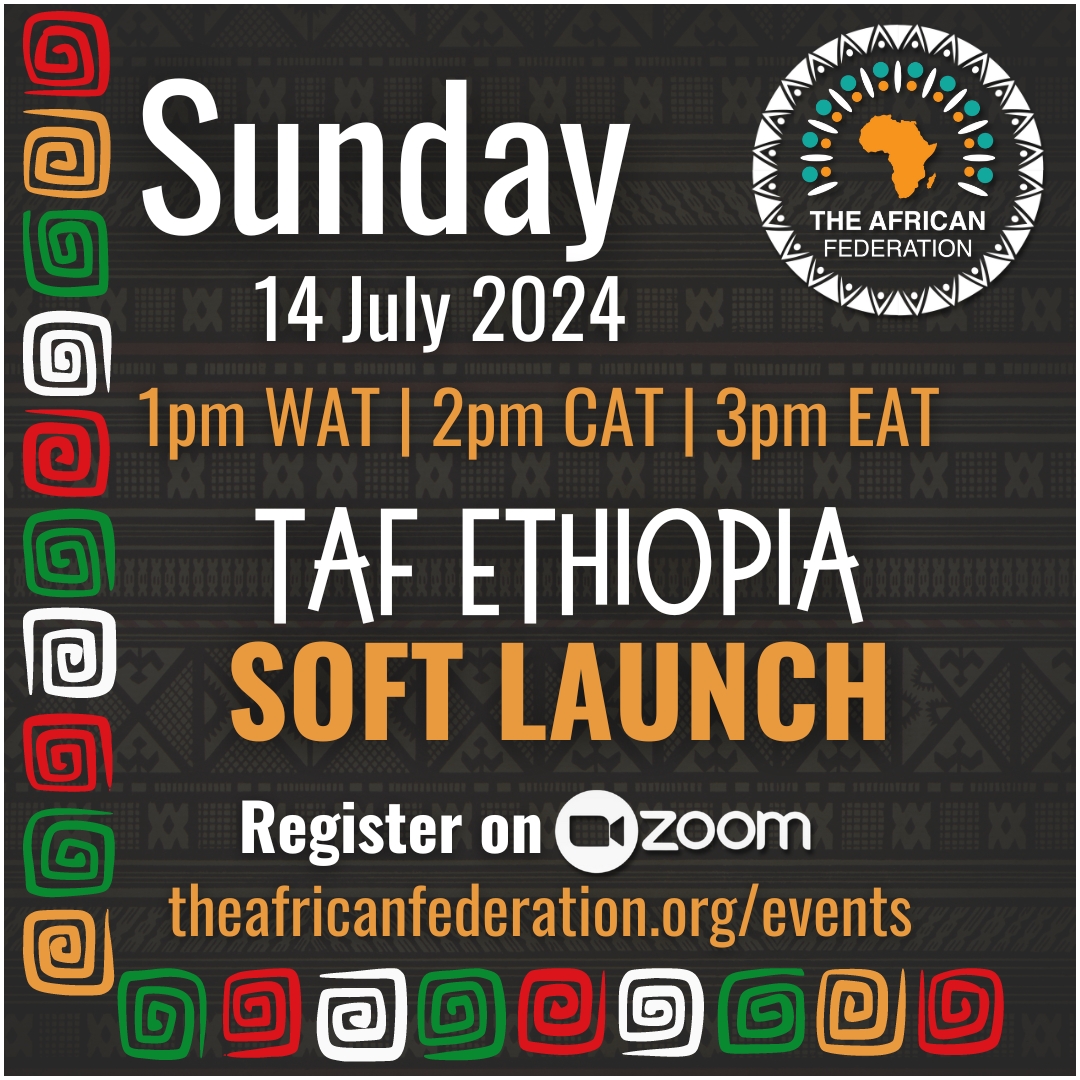
Join us on Sunday 14 July, at 2pm CAT for a pivotal moment in #Ethiopia’s future. #TAFEthiopia is dedicated to tackling the nation's pressing issues head-on: from self-determination to #economic & #environmental #sovereignty, #healthcare challenges and discriminatory global power relationships. One of our objectives is to usher in a new era of #transparency, #sustainable development and #prosperity for all Ethiopians so that by 2050 Africa will be a superpower for the many rather than the few. Register here: https://t.co/sqEubQPxns
#TAFEthiopia #AfricanLiberation #AfricaRising #PanAfricanism
This is not environmentalism. This is corporatism land grabbing and wealth transfer facilitated by governments. The majority of these solar panels will end up in landfills after 25-30 years.