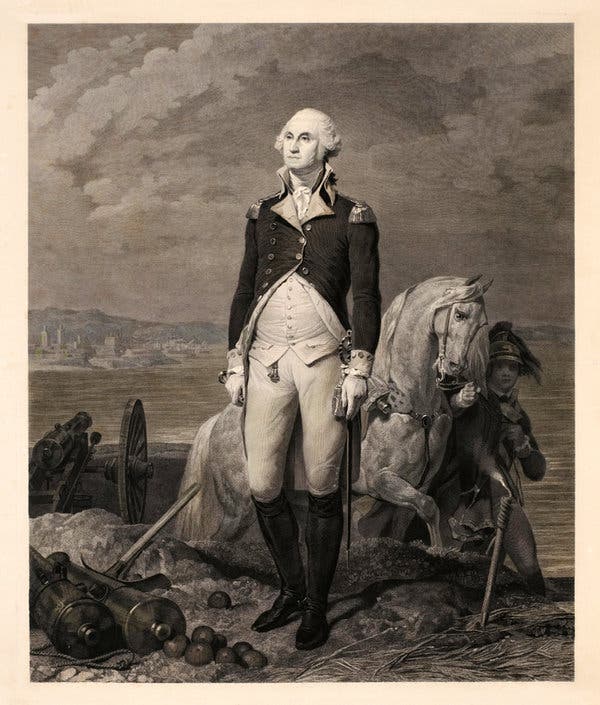
In 1783, King George III asked an American painter what George Washington would do now that he had virtually won the war. The painter replied that the General intended to return to his farm in Virginia. The King was stunned. He reportedly said, "If he does that, he will be the greatest man in the world."
Throughout history, victorious generals almost always seized the throne. From Caesar to Cromwell, military success usually meant political dictatorship. The concept of voluntarily walking away from absolute power was practically unheard of. But George Washington wasn't like other men.
By December 4, 1783, the British surrender at Yorktown was past, and peace was finally assured. Washington commanded a powerful, seasoned army that adored him. Conversely, many of his officers were unpaid and angry at the inefficient Congress. They had the guns, the manpower, and the loyalty to install a new monarch. He could have been King George I of America.
Instead, on this day in history, Washington walked into the Long Room at Fraunces Tavern in lower Manhattan. The room was filled with his most loyal officers—men like Henry Knox and Baron von Steuben—who had frozen with him at Valley Forge and bled with him for eight long years.
The atmosphere wasn't celebratory. It was heavy with inevitable separation. Washington, usually stoic and commercially reserved, poured a glass of wine and looked at his brothers-in-arms with visible emotion. "With a heart full of love and gratitude, I now take leave of you," he said, his voice shaking. "I most devoutly wish that your latter days may be as prosperous and happy as your former ones have been glorious and honorable." He didn't order them. He didn't demand their allegiance. He hugged them.
One by one, the hardened soldiers wept openly. Washington embraced each man in silence. There was no pomp, no ceremony, and no speeches about future conquests. It was just a quiet goodbye between warriors who had done the impossible. Immediately after leaving the tavern, Washington didn't march on Congress to demand payment or power. He rode to Annapolis, Maryland, resigned his commission, and went home to Mount Vernon to plant crops.
He did the impossible.
He refused the crown.
He trusted the people.
By stepping down, he ensured that the United States would be a republic ruled by laws, not a kingdom ruled by force. He proved that the military serves the people, not the other way around. It was the final, and perhaps greatest, victory of the Revolution.
The world watched in awe as the American Cincinnatus returned his sword to its sheath, proving that character is the strongest constitution of all."
#archaeohistories
I’m not sure why we are so excited by advancing technologies that are meant to replace our natural design to reason, analyze, contemplate, solution, create, and build. Ultimately, we will become the weakest version of humankind since our creation.
I have some context that may be helpful here. Most, if not all of the sideline or team gear you see is meant to be exclusive to coaches and players and are not mass produced for general purchase. There are also contractual terms from Nike that restrict schools on quantities and SKUs that they can sell.
My son works for a local restaurant in Provo. Several months ago, my son catered for @BYUMBB after practice. After everyone was served, my son was heads down packing/cleaning up when he heard someone ask if he needed any help. It was @AJ_Dybantsa
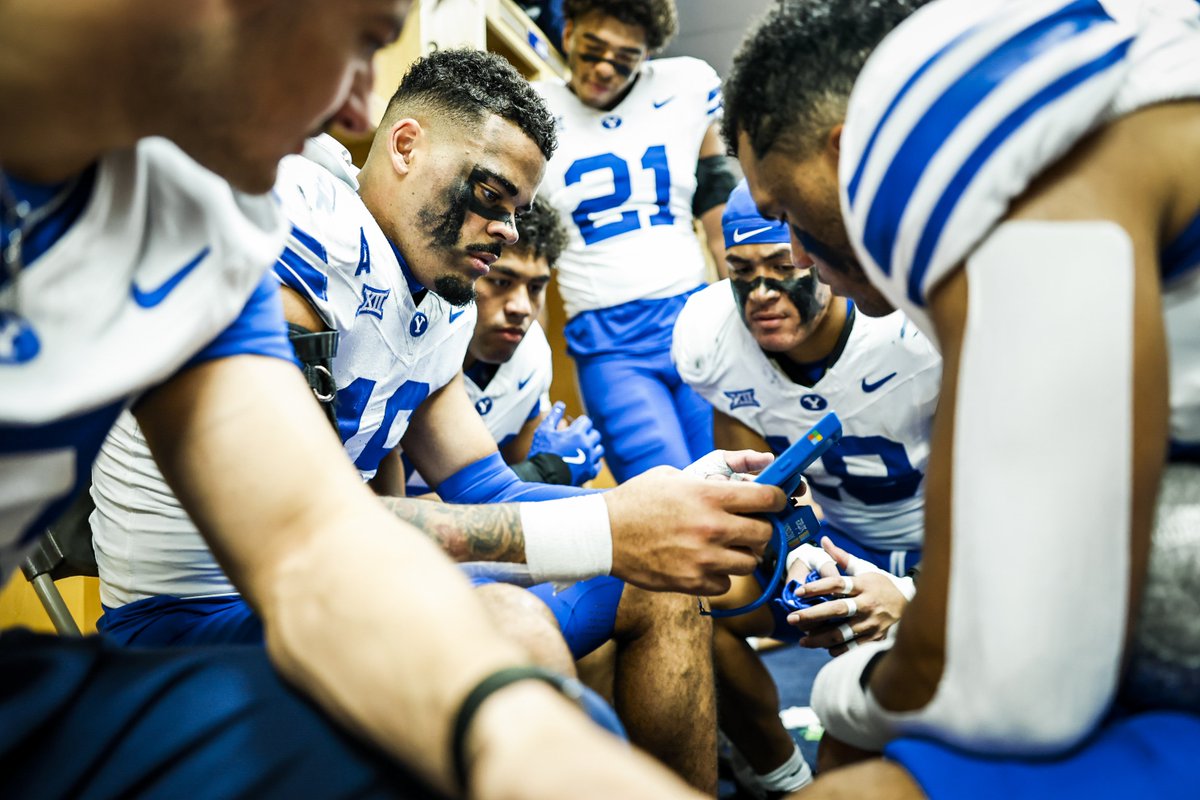
@rhancoug17 I found it interesting that ESPN reported BYU players and staff sat around and just hung out during the delay, no iPad play reviews, nothing. Looks like one team took advantage of the delay and the other wasted it.