In this episode of Footnotes, Himal Southasian’s Editor, Roman Gautam (@romangautam), speaks with the Indian investigative journalist Josy Joseph (@josyjosephkj) who obtained the Inside Deutsche Bank leak with the South African journalist Khadija Sharife. Joseph describes how money moves through the global financial system, the revelations emerging from the leak, and behind-the-scenes details of how journalists across the world worked together to report the #InsideDeutscheBank stories. Watch now: https://t.co/yVYbcVIjoj
Inside Deutsche Bank
Millions of internal files were obtained by Josy Joseph (@josyjosephkj) and Khadija Sharife. Hundreds of journalists have been poring over the data for a year.
The story starts today.
https://t.co/FPmp54gAOQ
At least 99,000 hectares, an area about a third larger than #Singapore, cleared for projects by India’s apex wildlife body between 2014 & 2026 across Protected Areas, eco-sensitive zones & wildlife corridors, report Prakriti Srivastava & @prernabindra
🧵👇
1/10
https://t.co/ZAuzFATG7o
Between 2014 & 2026, India’s apex wildlife body cleared 73,774 hectares inside Protected Areas—almost 3 times the area of Gir National Park—for mines, dams, highways & more
Prakriti Srivastava & @prernabindra’s investigation
Link 👇
Last month, the Indian government said the country needs more thermal to make the grid climate-resilient. Does it? For @carboncopyinfo, a deep dive into what India's grid needs to become climate-resilient. Tip: this is not about adding renewables. https://t.co/gCtyid22Aa.
Lifecycle emissions of incinerators need to be taken into consideration.
- 𝐉𝐚𝐜𝐨𝐛 𝐉𝐨𝐡𝐧𝐬𝐨𝐧 𝐀𝐭𝐭𝐚𝐤𝐩𝐚𝐡,
𝐙𝐞𝐫𝐨 𝐖𝐚𝐬𝐭𝐞 𝐃𝐢𝐫𝐞𝐜𝐭𝐨𝐫, 𝐆𝐫𝐞𝐞𝐧 𝐀𝐟𝐫𝐢𝐜𝐚 𝐘𝐨𝐮𝐭𝐡 𝐎𝐫𝐠𝐚𝐧𝐢𝐬𝐚𝐭𝐢𝐨𝐧
𝐃𝐚𝐲 𝟑
"Prevention and resource efficiency must be central. Organic waste must be the priority for rapid methane abetment. Fossil fuel plastic connection should be recognized."
In her address, she also referred to CFA's recent report - "The Climate Cost of Burning Waste" and highlighted the need to put an end to WTEs.
-𝐌𝐚𝐫𝐢𝐞𝐥 , 𝐂𝐋𝐈𝐌𝐀𝐓𝐄 𝐩𝐫𝐨𝐠𝐫𝐚𝐦 𝐝𝐢𝐫𝐞𝐜𝐭𝐨𝐫, 𝐆𝐀𝐈𝐀
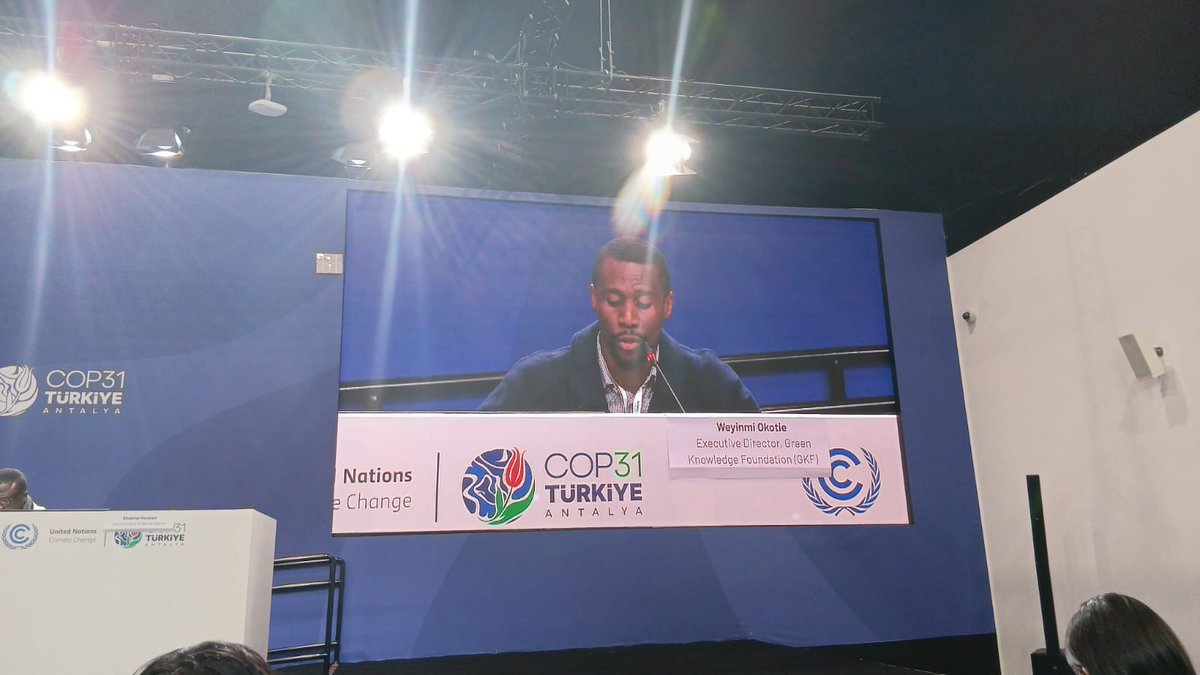
The(se) WTE come into Africa and promise to use waste and produce electricity. But the reality is very different.
15 proposals analysed in Africa. They are about 4 billion in capital. Waste is of low calorific value. And incinerators lock in cities into it for decades. Investment should be in comprehensive zero waste systems including composting, biogas, black soldier fly, integration of waste pickers and extended Producer Responsibility
Climate finance should not go towards incinerators
- 𝐖𝐞𝐲𝐢𝐧𝐦𝐢 𝐎𝐤𝐢𝐭𝐢𝐞 , 𝐄𝐃, 𝐆𝐫𝐞𝐞𝐧 𝐊𝐧𝐨𝐰𝐥𝐞𝐝𝐠𝐞 𝐅𝐨𝐮𝐧𝐝𝐚𝐭𝐢𝐨𝐧.
𝐃𝐚𝐲 𝟐 𝐚𝐭 𝐂𝐎𝐏𝟑𝟏
𝐊𝐚𝐧𝐚𝐝𝐞𝐯𝐢𝐚 𝐈𝐧𝐧𝐨𝐯𝐚, 𝐟𝐨𝐫𝐦𝐞𝐫𝐥𝐲 𝐇𝐢𝐭𝐚𝐜𝐡𝐢 𝐙𝐨𝐬𝐞𝐧 𝐈𝐧𝐧𝐨𝐯𝐚 𝐰𝐚𝐬 𝐚 𝐩𝐚𝐧𝐞𝐥𝐢𝐬𝐭 𝐢𝐧 𝐭𝐡𝐞 𝐬𝐞𝐬𝐬𝐢𝐨𝐧 "𝐏𝐨𝐰𝐞𝐫𝐢𝐧𝐠 𝐭𝐡𝐞 𝐂𝐢𝐫𝐜𝐮𝐥𝐚𝐫 𝐂𝐢𝐭𝐲: 𝐖𝐚𝐬𝐭𝐞 𝐚𝐧𝐝 𝐔𝐫𝐛𝐚𝐧 𝐈𝐧𝐟𝐫𝐚𝐬𝐭𝐫𝐮𝐜𝐭𝐮𝐫𝐞."
Kanadevia’s involvement in major incineration projects in Casablanca, Bangalore, Pune and Manila exposes a fundamental conflict between its circular economy messaging and infrastructure built to burn large quantities of waste. These projects risk committing cities to costly waste-burning systems, undermining investment in prevention and recovery, and transferring environmental and social burdens onto communities already affected by waste infrastructure.
𝐆𝐀𝐈𝐀 members including 𝐂𝐅𝐀 attended the session and raised important issues regarding the same and challenged the company.
COP31 should scrutinise these investments, rather than present them as evidence that incineration is a climate solution.
#COP31 #MethaneEmissions #Petrochemicals #EnvironmentalHealth #NO_WTE #Circularity #EnvironmentalJustice #IndustrialPolicy
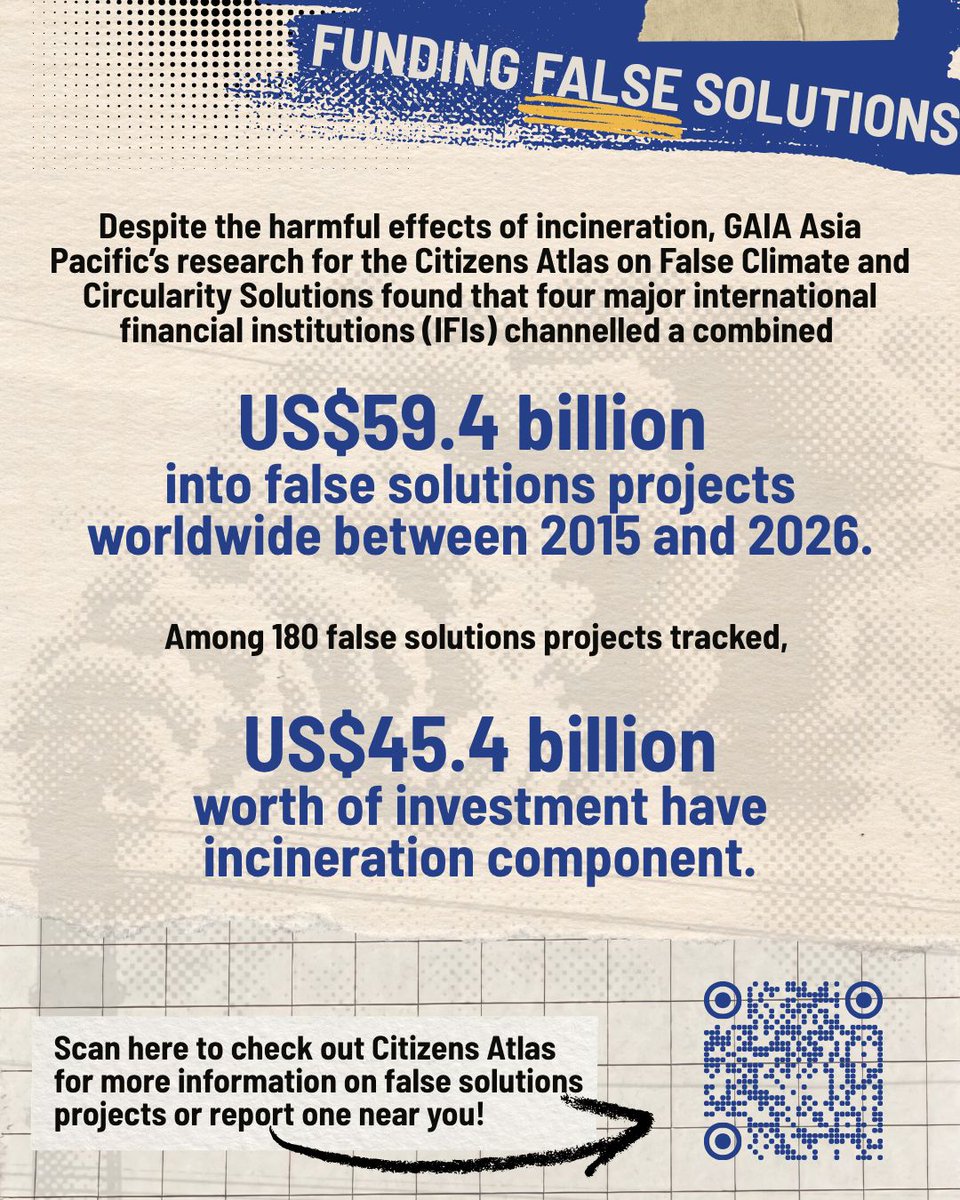
𝐖𝐚𝐬𝐭𝐞 𝐢𝐧𝐜𝐢𝐧𝐞𝐫𝐚𝐭𝐢𝐨𝐧 𝐢𝐬 𝐧𝐨𝐭 𝐜𝐥𝐢𝐦𝐚𝐭𝐞 𝐚𝐜𝐭𝐢𝐨𝐧. Yet, from 2015 to 2026, four major international financial institutions have poured US$45.5 billion into projects involving waste incineration, allowing waste burning to be packaged and financed as a climate solution.
We cannot allow climate finance to bankroll false solutions while genuine Zero Waste alternatives remain chronically underfunded. We cannot let financial institutions profit from false climate solutions at the expense of people, communities, and the planet.
As COP31 puts climate action and finance under the global spotlight, governments and financial institutions must be held accountable for where their money goes and the harm it enables.
Make your voice count. Add your name to the growing call to stop financing waste incineration.
𝐒𝐢𝐠𝐧 𝐭𝐡𝐞 𝐩𝐞𝐭𝐢𝐭𝐢𝐨𝐧 𝐧𝐨𝐰:
https://t.co/IasUwKwtsC
Share the petition, mobilize your networks, and encourage others to stand against the financing of waste incineration. Together, we can demand that COP31 deliver climate finance that supports genuine solutions, not harmful false alternatives.
𝐅𝐮𝐧𝐝 𝐙𝐞𝐫𝐨 𝐖𝐚𝐬𝐭𝐞 𝐬𝐨𝐥𝐮𝐭𝐢𝐨𝐧𝐬, 𝐧𝐨𝐭 𝐰𝐚𝐬𝐭𝐞 𝐢𝐧𝐜𝐢𝐧𝐞𝐫𝐚𝐭𝐢𝐨𝐧!
#StopWasteIncineration #ZeroWaste #ClimateFinance #ClimateJustice #COP31
[Waste Incineration, Zero Waste Solutions, Climate Finance, False Climate Solutions, Financial Accountability]
https://t.co/MCLxyqTJkM
𝐖𝐡𝐨 𝐫𝐞𝐚𝐥𝐥𝐲 𝐨𝐰𝐧𝐬 𝐈𝐧𝐝𝐢𝐚? 𝐀𝐧𝐝 𝐰𝐡𝐲 𝐝𝐨𝐞𝐬 𝐞𝐜𝐨𝐧𝐨𝐦𝐢𝐜 𝐠𝐫𝐨𝐰𝐭𝐡 𝐥𝐞𝐚𝐯𝐞 𝐬𝐨 𝐦𝐚𝐧𝐲 𝐩𝐞𝐨𝐩𝐥𝐞 𝐛𝐞𝐡𝐢𝐧𝐝?
India's growing wealth tells only one side of the story. Behind the headlines of billionaires, booming markets and economic growth lie deeper questions about wealth concentration, social exclusion, unequal opportunities and the distribution of resources.
Finance Shala's Online Course #2 brings these questions into focus through five engaging sessions with leading researchers, academics and activists.
Explore the political economy of inequality, understand how wealth is measured and distributed, question existing economic structures, and discover why tax justice and redistribution matter.
📚 Understanding Inequality in Contemporary India: Wealth, Social Exclusion & Distributive Justice
📅 𝟐𝟑–𝟐𝟕 𝐍𝐨𝐯𝐞𝐦𝐛𝐞𝐫 𝟐𝟎𝟐𝟔
⏰ 𝟔:𝟎𝟎–𝟖:𝟎𝟎 𝐏𝐌 (𝐄𝐯𝐞𝐫𝐲 𝐝𝐚𝐲)
💻 𝐎𝐧𝐥𝐢𝐧𝐞 | 𝐙𝐨𝐨𝐦
💰 𝐅𝐞𝐞: ₹𝟓,𝟎𝟎𝟎 (𝐏𝐚𝐫𝐭𝐢𝐚𝐥 𝐟𝐞𝐞 𝐰𝐚𝐢𝐯𝐞𝐫𝐬 𝐚𝐯𝐚𝐢𝐥𝐚𝐛𝐥𝐞 𝐟𝐨𝐫 𝐞𝐥𝐢𝐠𝐢𝐛𝐥𝐞 𝐚𝐩𝐩𝐥𝐢𝐜𝐚𝐧𝐭𝐬)
Learn from Rahul Menon, Anmol Somanchi, Surbhi Kesar, Anirban Bhattacharya and Harsh Mander.
Don't just observe inequality. Understand how it works and what can change it.
Apply now!
https://t.co/6JB8oMHfGX
@BanOrAnir@anmol_smnch@TheRahulMenon@SurbhiKesar@harsh_mander
(Finance Shala, Economic Inequality, Wealth Concentration, Social Exclusion, Distributive Justice, Tax Justice, Wealth Redistribution, Economic Justice, Indian Economy, Financial Accountability)
#FinanceShala #EconomicInequality #SocialJustice #TaxJustice #WealthRedistribution
Day 1 at COP31 delivered an important fact that should reframe every conversation about “cheap” petrochemicals.
We all know landfills and petrochemical hubs are methane machines. But in the Global Methane Hub panel, Mr. Andrez Pica Tellez highlighted a detail that rarely makes the headlines: methane emissions don’t travel alone. They arrive with PFAS and benzene which are known carcinogens, turning the environment around these sites into a slow-motion health disaster for the communities living beside them.
This is especially relevant and uncomfortable for India, where the petrochemical sector is expanding significantly:
India’s petrochemical expansion plans include BPCL’s ₹1.45 trillion Andhra Pradesh refinery and petrochemical complex, HPCL’s ₹79,459 crore Rajasthan refinery and petrochemical complex, BPCL Bina’s ₹49,000 crore hub with a 1.2 MMTPA ethylene cracker, Adani’s ₹26,000 crore Mundra PVC plant, and Petronet LNG’s ₹20,685 crore Dahej PDH/PP units. Indian Oil separately plans ₹1 trillion in petrochemical investments, raising its petrochemical intensity from 6.5% to 16%.
As capacity grows, what’s the plan for the communities on the fence line?
#COP31 #MethaneEmissions #Petrochemicals #EnvironmentalHealth #India #PFAS #Benzene #EnvironmentalJustice #IndustrialPolicy
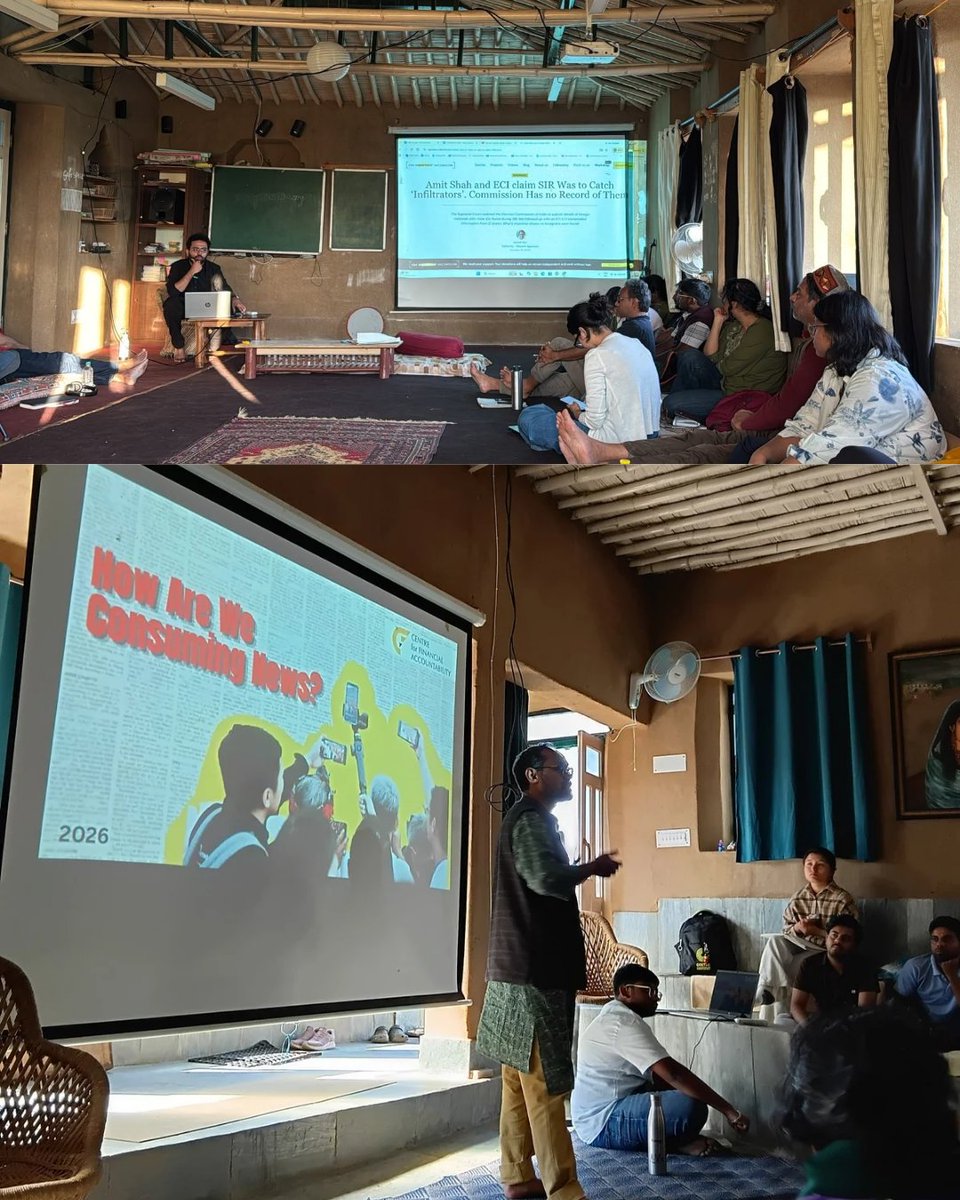
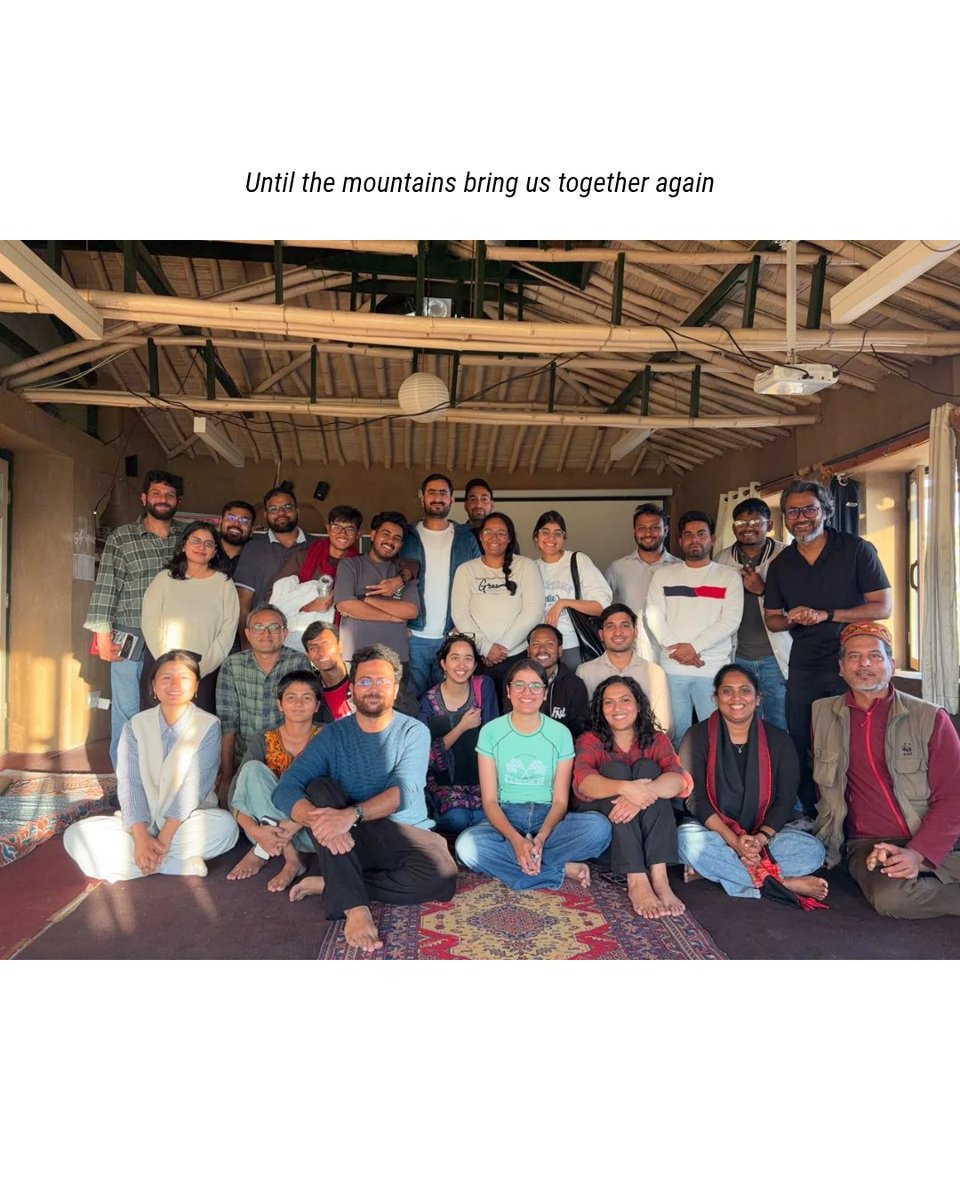
The workshop with @cfa_ind paid particular attention to investigations involving government, corporations and climate, tracing how policies, projects and corporate activities affect communities and the environment.
#landconflictwatch#dataandinvestigation#narrative
The fact that Palestine has submitted its third climate action plan, as required every five years by all parties under the Paris Agreement, has me torn. A tough read for obvious reasons
https://t.co/O3ERrQkBUK