Florida Softshell Turtle (Apalone ferox) — Miami. N. America's largest softshell; breathes through a snorkel snout and supplements respiration through its throat. https://t.co/4Py3DBYJU9 | https://t.co/fu3EGFxY7C @chadkeates#SoftshellTurtle#FloridaWildlife#Herpetology
Green Treefrog (Hyla cinerea) & Squirrel Treefrog (H. squirella) — Florida. Both natives, both preyed on by the invasive Cuban Treefrog. The Squirrel Treefrog is a master of colour variation: green, brown, grey, or mottled. https://t.co/4Py3DBYJU9 #FloridaFrogs#Hylidae
Black racer (Coluber constrictor) spotted in Fort Lauderdale, FL (2025). Sleek, speedy, nonvenomous (3–5 ft), a daytime hunter and helpful garden ally that keeps rodents, frogs, lizards and large insects in check. Usually flees rather than bites. Photo: Chad Keates. #BlackRacer
Red Toad - Schismaderma carens
from St Lucia, KwaZulu Natal, South Africa
https://t.co/DGQhxCjy0y
A medium-sized toad with distinctive reddish-brown coloration, rough, warty skin, and characteristic paired spots on its back.
Cryptic species alert! 🐸🕵️♂️
This Tremelo Sand Frog (Tomopterna cf. adiastola) from Bray, Botswana, is a perfect example of why we use genetic tools in the field. Many sand frogs are morphologically identical, making DNA and call analysis essential for a correct ID.
The Wahlberg’s Kalahari Gecko (Pachydactylus wahlbergii) is a masterclass in desert camouflage. 🦎🌙
Photographed this specimen in Bray, Botswana. These geckos are hardy Kalahari survivors, known for their vocal "clicks" and specialized toe pads for navigating the arid terrain.
The Giant Bullfrog (Pyxicephalus adspersus) is not your average backyard hopper. 😤
Photographed this massive male in Bray, Botswana. These apex amphibians are famous for their aggression and their ability to remain encysted underground for years. A true Kalahari survivor.
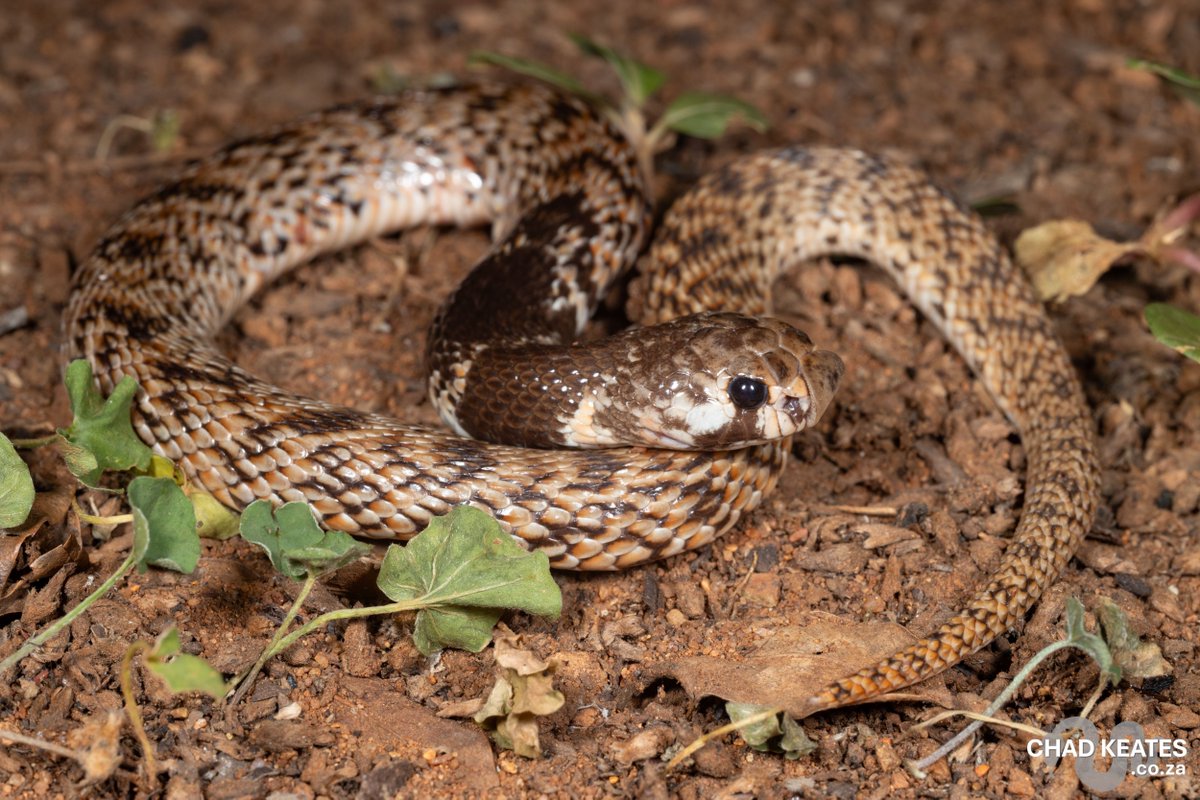
Form meets function with this East African Shovel-snout (Prosymna stuhlmanni) from Hoedspruit, Limpopo
Their nose is a specialized tool.
🚜 Shovel-nose: For excavating through soil.
🥚 Egg Specialist: They have enlarged, blade-like teeth to slit open reptile eggs!
Form meets function: The Leolo Flat Gecko (Afroedura leoloensis) from Limpopo
🔹 Structure: Extremely flat body for life in narrow rock crevices.
🔹 Skin: Characteristic soft, velvet-like scales.
🔹 Distribution: A key player in the rocky ecosystems of the Limpopo province.
The Water Lily Frog (Hyperolius pusillus) from hoedspruit, Limpopo
🟢 Translucent skin (almost like a glass frog).
🪷 Glues its eggs in a single layer between lily pads or submerged leaves.
🔊 Despite their size, their metallic calls dominate the pans after a summer rain.
Meet the Reticulated Centipede-eater (Aparallactus lunulatus)
Imagine your entire diet consisted of venomous, centipedes 🦂❌
🔹 Highly specialized diet
🔹 Opisthoglyphous (rear-fanged) but harmless to us
🔹 Fossorial: Spends most of its time in leaf litter or loose soil.
A nocturnal gem from Hoedspruit, LIM: The Marbled Tree Snake (Dipsadoboa aulica).
These slender, semi-arboreal snakes are master predators of sleeping amphibians.
👁️ Huge eyes for low-light hunting.
🌲 Perfectly adapted for life in the thickets and riverine forests.
Southern Foam-nest Frog (Chiromantis xerampelina)
These frogs are "communal nesters." Multiple males and females whip up a foam nest overhanging water.
🥚 Eggs stay safe from aquatic predators.
💧 The foam keeps tadpoles moist.
🌊 When ready, they drop straight into the water!
The Eastern Shield-nose Snake (Aspidelaps scutatus) from hoedspruit, Limpopo
Don't let the size fool you; these fossorial elapids are full of character.
🛡️ Enlarged rostral scale for burrowing.
🐍 Docile until provoked, then it’s all hoods and hisses.
🎨 Stunning banding pattern