AI can make your MVP in a weekend.
Making it work with real users is the actual job.
I’ve helped SaaS founders ship 25+ MVPs over last 18 months, which include:
• A wellness platform
• A social media platform (for sports professional)
Here are some of the case studies👇
AI can build your SaaS in hours.
But how do you know the code is actually safe to ship?
We use a 3-level AI review system before anything reaches production.
Here’s how it works:
LEVEL 1 - PRIVATE VIBE CHECK
This happens while we’re still building.
• Create a branch
• Build with Cursor
• Run Bugbot for instant feedback
• Fix issues before committing
The goal: catch problems while they're still cheap to fix.
LEVEL 2 - FORMAL REVIEW
Once the feature is ready:
• Push the branch
• Open a PR
• Let Bugbot run another review
• Fix anything it flags before merging
A second pass catches things the first pass missed.
LEVEL 3 - SECURITY AUDIT
This is where we go deeper.
• Run our custom security audit skill (backed by Fable 5)
• Scan the entire codebase for vulnerabilities
• Get every finding + recommended fix in a .md report
Our security skill, backed by Fable 5, has already caught issues Bugbot missed.
The interesting part?
We don't treat AI review as a single step.
We build → review → audit → fix → verify.
AI lets us ship MVPs faster.
This system makes sure we're not shipping code we don't trust.
Bookmark this if you're building with AI.
Claude Design is amazing!
With Opus 5.5, it's more powerful than ever.
You can create an entire design system for your SaaS in a few steps:
→ Upload references of websites you like
→ Tell Claude what your brand stands for
→ Define your visual direction
→ Iterate until you're happy
Then ask Claude to turn everything you've discussed into a complete design system.
The best part?
You can export it as HTML and use it as context to redesign your entire application.
We've taken this one step further for MVPs:
PRD → DB Design → Design System → Wireframes
→ Claude Design → Claude Code
No Figma.
No designing every screen from scratch.
You give Claude the product foundation and references.
It handles the execution.
This has become our go-to workflow for designing MVPs.
3 resources to polish your vibecoded UI:
1) https://t.co/ONiYAoRX0q - 150+ ready to paste prompts for all sorts of interactions
2) https://t.co/vkV93gNBgF - newly launched, but make your MVP look sleek
3) https://t.co/SJPoGAjQCc - use this to polish your landing page
Something else i missed out on? 👀
4/ Polishing with Claude
thru my landing page skill, I ask claude to prepare a hero section
tell it to place the character at bottom of the screen, so that it can used across all devices.
Thats it, all it takes is 30 mins to pull this off!
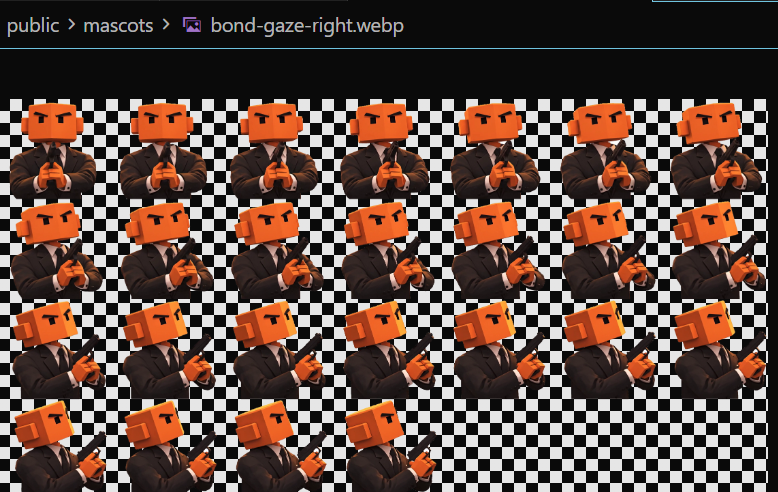
3/ Turning video into spritesheet
Inserting a video, makes it janky and slow (would make it problematic to load in mobile too)
I tell Claude to turn the video into 7x4 spritesheet, while also removing the background.
This helps me capture all the movement, without feeling the lag.
Agree, but this is only half of it.
CODING_STANDARDS.md remembers what your agent got wrong.
But what if it could also remember what you already got right?
The implementation barely changes for:
- Payments
- Auth
- Onboarding
- Dashboards
and after building over 25+ products over last 2 years, i can vouch for above.
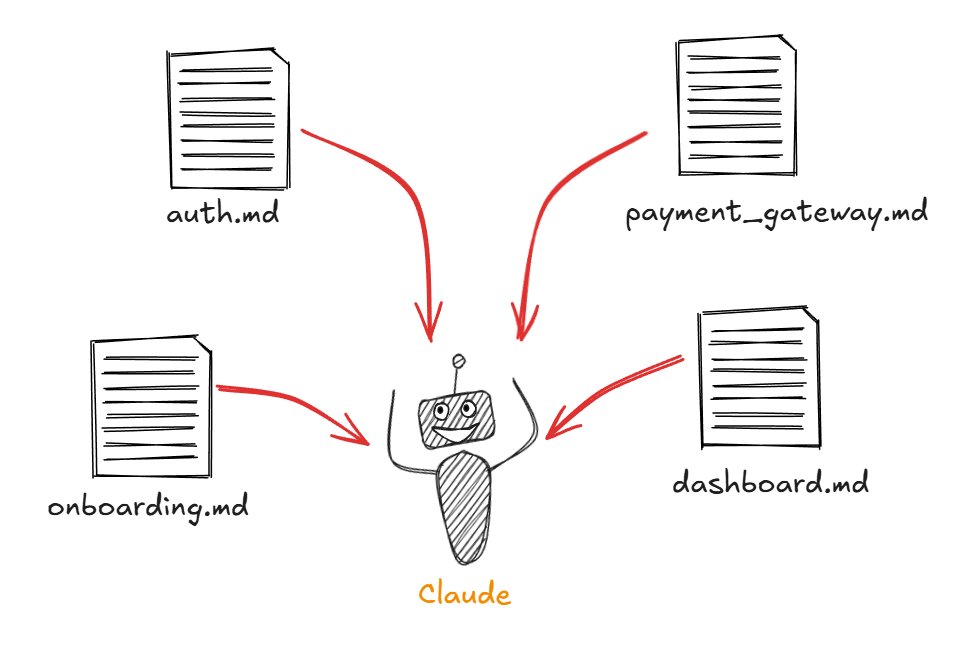
So we started turning proven implementations into specs:
→ auth.md
→ payment_gateway_impl.md
→ onboarding_impl.md
→ dashboard_impl.md
Now the agent doesn't reinvent our Stripe subscription flow every time.
It follows a pattern we've already built, tested and shipped.
That's the bigger unlock:
Don't just teach your agent what NOT to do.
Teach it how you already do things.
Start with CODING_STANDARDS.md.
Then, the moment you build the same module twice, turn it into an implementation spec.
Tons of folks ask me "how do I create a CODING_STANDARDS.md file?"
My answer is that if you're using it right, it should only be empty for about 5 minutes.
Every meaningful thing your agent gets wrong should be noted into CODING_STANDARDS.
- Forget to implement dark mode?
- Forgot a validation rule?
- Used the wrong framework primitive?
Use /retro to fill it up, or modify it yourself.
30 things Claude won't do for your vibecoded website, unless you ask:
- Custom 404 page
- Meta titles on every page
- Meta descriptions on every page
- Open Graph image
- Favicon set
- robots.txt and sitemap.xml
- Alt text on every image
- Compressed images
- Page speed check
- Mobile breakpoints
- Color contrast fixes
- Loading states
- Empty states
- Form error states
- Spam protection on forms
- Thank you page (after successful checkout)
- Failed payment handling
- Webhook signature checks
- Password reset flow
- Email verification
- Cookie consent banner
- Privacy policy and terms
- Analytics installed
- Error tracking
- HTTPS enforced
- API keys out of the frontend
- Server side validation
- Rate limiting on auth routes
- Row level security on every table
- Database backups
It builds exactly what you describe. So describe the boring stuff too.
Claude Agent as Agent 007.
Opus 5.5 + GPT images + my landing page skill.
The character tracks wherever your mouse goes.
• Tracks cursor in the hero
• Peeks in from the edge of screen
• Leans toward whatever pricing plan you hover
Same sprite sheet used throughout!
Introducing Claude Opus 5.5, the first model in our new Claude 5.5 family.
It performs at the level of Claude Fable 5.1 for most tasks, and costs 40% less to run than Opus 5.
Claude Design is amazing!
With Opus 5.5, it's more powerful than ever.
You can create an entire design system for your SaaS in a few steps:
→ Upload references of websites you like
→ Tell Claude what your brand stands for
→ Define your visual direction
→ Iterate until you're happy
Then ask Claude to turn everything you've discussed into a complete design system.
The best part?
You can export it as HTML and use it as context to redesign your entire application.
We've taken this one step further for MVPs:
PRD → DB Design → Design System → Wireframes
→ Claude Design → Claude Code
No Figma.
No designing every screen from scratch.
You give Claude the product foundation and references.
It handles the execution.
This has become our go-to workflow for designing MVPs.
How we build and ship client MVPs with AI.
2 years. 20+ products.
we’ve distilled everything, we’ve learned,
into a 4-step AI MVP system:
01 / CAPTURE
02 / THINK
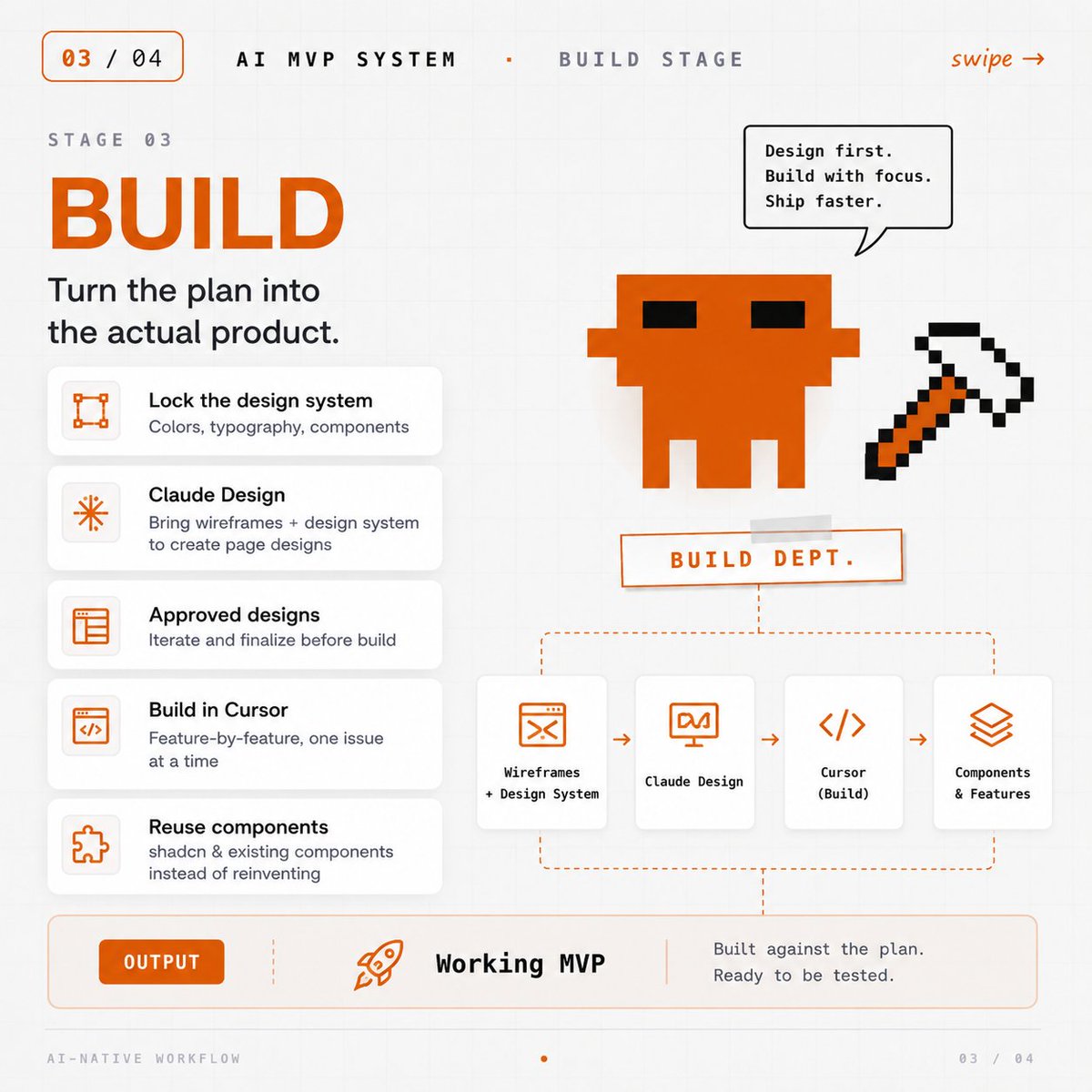
03 / BUILD
04 / PROVE
01 / CAPTURE
Start with the founder, not the prompt.
→ Record the discovery call with Grain
→ Feed the transcript into GPT
→ Extract the vision, problems and requirements
The founder explaining the problem in their own words is often the best context an agent can get.
02 / THINK
Turn that context into a battle-tested plan.
→ PRD.md
→ moscow.md
→ db-design.md
→ wireframes.md
We review the plan with another model, fix gaps, then break it into small GitHub issues with clear outcomes.
The agent shouldn't discover what to build while it's coding.
03 / BUILD
Design before writing production code.
→ Lock the design system
→ Bring wireframes + design system into Claude Design
→ Create the actual page designs
→ Build feature-by-feature in Cursor
→ Reuse existing components instead of reinventing them
Every feature is built against the approved plan and design direction.
04 / PROVE
Don't trust the first version.
→ Run Bugbot after meaningful sessions
→ Run our dedicated security audit
→ Fix + verify
→ Deploy to Vercel
→ Watch real user behaviour through analytics
Then feed what we learn back into the next iteration.
Capture → Think → Build → Prove.
That's our AI-native MVP workflow.
The best MVP spec isn't always a Google doc.
Sometimes, it’s a 30 min discovery call with the founder.
What we do is:
- Record the call with Grain
- Paste call transcript in GPT
- Plan MVP scope using Moscow
This allows us to keep the MVP to build as per founder's vision, while keeping it lean.
We built an internal tool for a founder in Lovable within 24 hours after discovery call.
I've turned the entire process into a playbook for shipping lean, AI-built MVPs.
Want the full playbook?
Like + follow
Comment “VISION”
I’ll send it to you