The Change Pathways app is coming soon! Personalized discipleship resources & counseling tools to help you through whatever you're facing. Follow for insights.
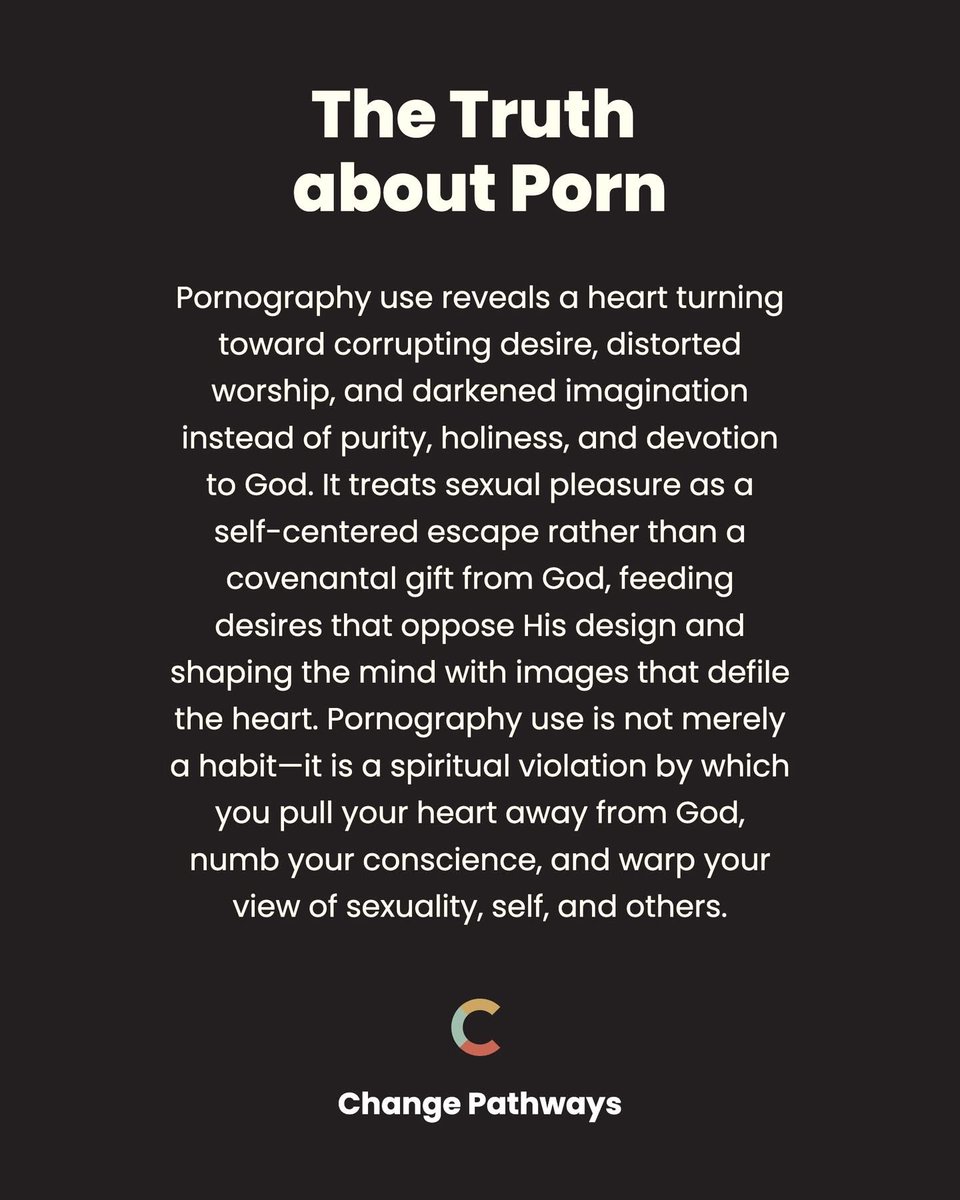
Pornography use exposes:
- Corruption of desire: feeding lust rather than cultivating purity and self-control.
- Distorted worship: turning to images for comfort, escape, or satisfaction instead of God.
- Dehumanization: viewing others as objects to consume rather than image-bearers to honor.
- Darkened imagination: reshaping the mind with impurity instead of Scripture.
- Secret bondage: hiding sin rather than walking in integrity and light.
- Rejection of God’s design: pursuing pleasure outside covenant faithfulness and holiness.
God calls His people to purity, renewed imagination, and wholehearted worship. True change begins as the heart turns from corrupting desires, receives cleansing through Christ, and cultivates patterns of purity, discipline, and Spirit-led obedience.
#pornaddiction #biblecn #biblicalcounseling #changepathways
Gossip reveals a heart that is careless with truth and reckless with the reputation of others, speaking in ways that tear down rather than build up.
It trades in secret information, half-truths, or harmful speculation, often under the guise of concern or insight.
Gossip treats words as tools for self-exaltation, entertainment, or control rather than instruments of grace and truth.
Failure to leave and cleave reveals a heart that is resisting God’s design for marital unity, loyalty, and identity.
It allows parental influence, divided commitments, or misplaced dependence to shape the marriage in ways God never intended.
Instead of embracing the one-flesh union, this pattern keeps the heart, loyalty, or decision-making tethered to former family structures or expectations.
#christianmarriage #biblecn #biblicalcounseling
Excited to provide simple, clear, biblical counseling resources for children and teens with the @changepathways app. Release planned for the end of the year. Follow up for updates!
Helping children see the problem of self-isolation:
Being shy or quiet, or wanting time alone, is not a sin. And staying away from someone who is not safe is right. But hiding from God, or from the people He gave you to love, is sin. Sin is going against God in what we think, say, or do.
#counselingchildren #biblecn
Permissive parenting reveals a misunderstanding of biblical love, authority, and responsibility. Instead of exercising God-given leadership with clarity, consistency, and courage, permissiveness relaxes boundaries, avoids correction, and values short-term peace over long-term faithfulness.
It treats leniency as kindness, when in reality it withholds the loving discipline a child needs to grow in wisdom and obedience to God.
Permissive parenting exposes:
- A fear of conflict: avoiding correction to preserve comfort or approval.
- Misdefined love: equating affection with the absence of boundaries.
- Lack of courage: failing to lovingly say “no” when it is needful and wise.
- Absence of structure: leaving children without the guardrails God designed.
- Inconsistent authority: allowing behavior that Scripture calls parents to address.
- A distorted picture of God: portraying Him as indulgent rather than holy and wise.
God calls parents to reflect His firm yet tender love—a love that instructs, corrects, protects, and leads. Biblical authority is not harshness but courageous, consistent shepherding that teaches children the beauty of obedience, the security of boundaries, and the steadfast love of a faithful Father.
Gentleness in a parent’s manner is not the sin; laying down the authority and correction God gave with it is. Loving correction is never harshness, and turning from permissiveness never means turning to control or to severity.
Where both parents are raising the child, each parent’s part is his or her own obedience to Christ, and neither may use the other’s role to coerce, control, or manipulate. Where a parent is harming a child by physical harm, reviling words, threats, or leaving the child without the care and protection the child’s age requires, the issue is Abusive Behavior, and the child’s safety comes first.
#parenting #biblecn
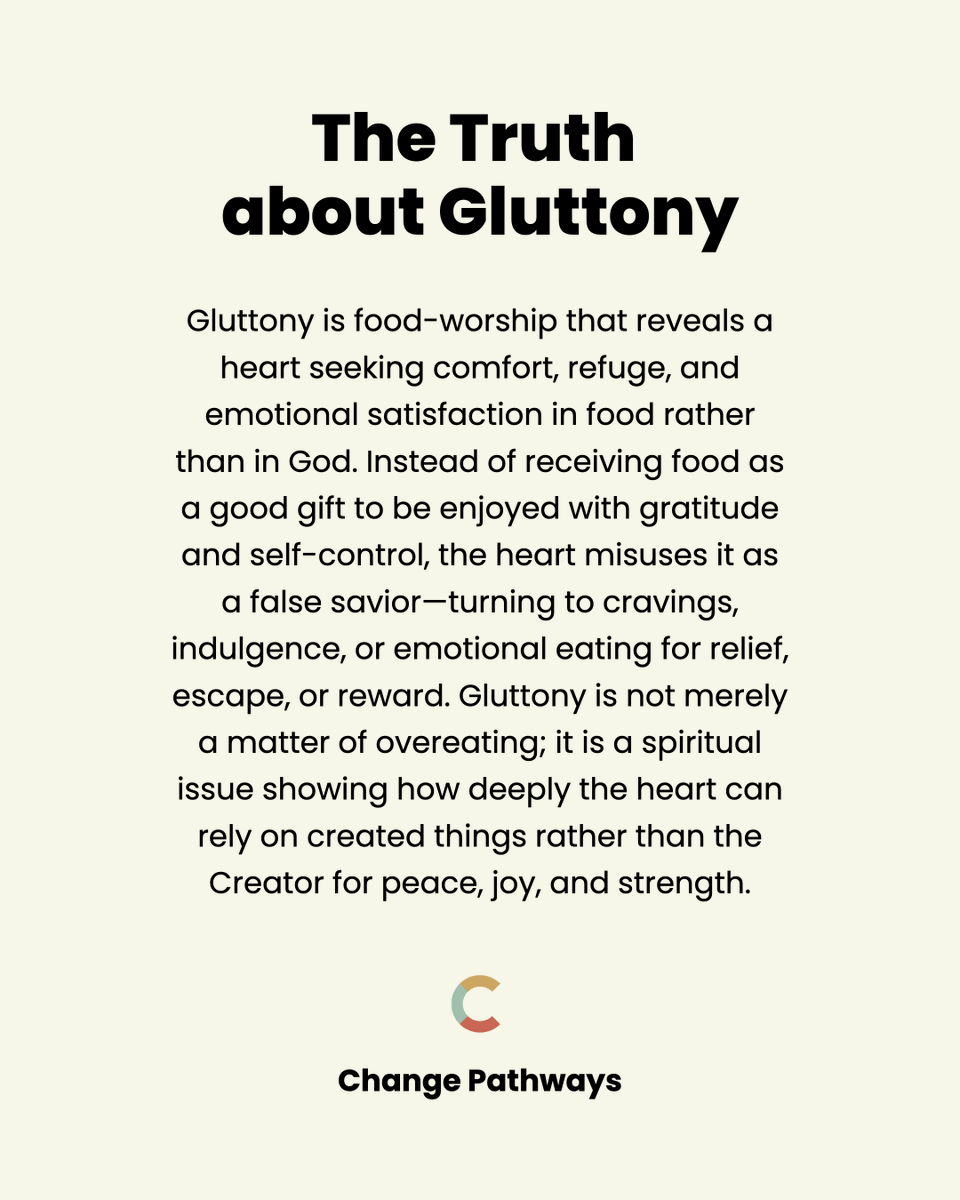
Gluttony and food-worship expose:
- A false refuge: turning to food for comfort instead of seeking God’s presence.
- Misplaced satisfaction: expecting food to supply joy, peace, or relief only God can give.
- Self-indulgent cravings: allowing desire and appetite to dictate decisions and habits.
- Emotional dependence: using food to numb pain, stress, boredom, or loneliness.
Distorted worship: letting cravings rule the heart instead of submitting desires to Christ.
- Loss of self-control: giving way to impulses rather than walking in Spirit-led discipline.
God calls His people to seek refuge, satisfaction, and comfort in Him alone, to practice self-control by His Spirit, and to enjoy His gifts with gratitude rather than indulgence.
True change begins as the heart turns from false refuge, learns to delight in God above cravings, and embraces disciplined, thankful stewardship of both body and appetite.
Pornography use exposes:
- Corruption of desire: feeding lust rather than cultivating purity and self-control.
- Distorted worship: turning to images for comfort, escape, or satisfaction instead of God.
- Dehumanization: viewing others as objects to consume rather than image-bearers to honor.
- Darkened imagination: reshaping the mind with impurity instead of Scripture.
- Secret bondage: hiding sin rather than walking in integrity and light.
- Rejection of God’s design: pursuing pleasure outside covenant faithfulness and holiness.
God calls His people to purity, renewed imagination, and wholehearted worship. True change begins as the heart turns from corrupting desires, receives cleansing through Christ, and cultivates patterns of purity, discipline, and Spirit-led obedience.
Spiritual apathy and indifference reveal a heart that has become dull toward God, resistant to His Word, and disengaged from the responsibilities He has entrusted.
They treat spiritual things as optional, non-urgent, or unimportant, reflecting a loss of wonder, conviction, and pursuit of God.
Apathy does not usually erupt loudly. Apathy settles quietly, numbing desire for holiness, worship, service, and obedience.
Scripture also knows a weariness and heaviness of heart that is not in itself sin: a soul weighed down by long burdens (Psalm 42:5), or a body worn down and depleted. Weariness of that kind is brought to God in honest lament, and medical care for the body is never discouraged.
The apathy addressed here is the other thing: a heart that has stopped seeking God and treats Him as optional.
Apathy and indifference expose:
- A cooled affection for God: losing delight in His character, presence, and promises.
- Neglect of Scripture and prayer: drifting from the means by which God awakens and sustains the heart.
- Unbelief: doubting that obedience matters or that God rewards those who seek Him.
- Comfort-driven living: choosing ease over sacrifice, convenience over faithfulness.
- Relational withdrawal: pulling away from community, accountability, and meaningful service.
- Spiritual passivity: allowing sin, discouragement, or distraction to go unchallenged.
Apathy numbs the soul to the seriousness of sin and the beauty of Christ. Yet God graciously calls indifferent hearts to awaken: to remember His mercies, to repent of spiritual sloth, and to seek Him with renewed zeal.
Scripture promises that the God who restores the fainthearted also rekindles desire, joy, and steadfast obedience in those who return to Him.
I am so pleased with the progress of the new @changepathways app that @_BCSociety is building. I can't wait to share it with the Church.
We are expanding our content to include children's and teen's versions of all relevant content.
It will also be available for personal use — not only for pastors, counselors, and ministry teams.
This will equip individuals to self-counsel, not with generic and topical devotional content, but with personalized resources that walk you through the entire change process.
Another improvement is that pastors and counselors will be able to share customized resources across ministry teams as well as updates on those in their care — all while maintaining confidentiality standards.
I'm thankful to God that we're able to achieve a personalized and customizable approach without AI generating the content.
Instead, everything the app presents to the user will be pre-written, vetted, and tested by seasoned biblical counselors and pastors that hold to a historic biblical counseling perspective and are committed to the sufficiency of Scripture for the care of souls.
Please follow @changepathways for updates. We are eager to bless you, so we'll be providing a lot of free content on social media, but you will not want to miss out once the new app is released.
The death of a spouse is a uniquely devastating loss because it severs a covenantal bond that Scripture treats as profound, exclusive, and deeply personal. Marriage is not merely companionship; it is a one-flesh union established by God, marked by shared life, shared calling, and shared identity (Genesis 2:24; Matthew 19:6).
When a spouse dies, the loss is not only relational but existential: daily life, future plans, a sense of security, and personal identity are all profoundly altered. Scripture does not minimize this loss or treat it as easily replaced.
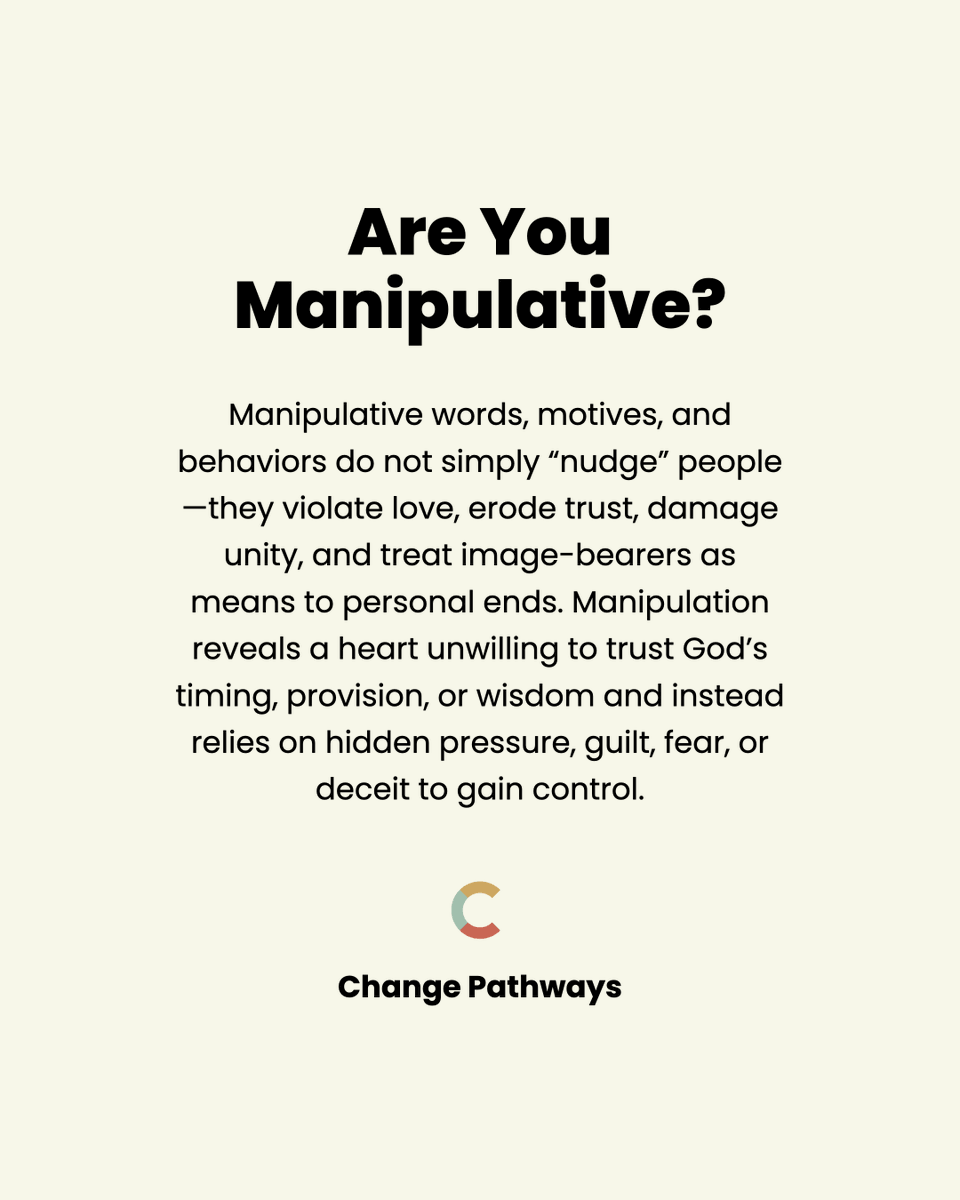
Godly sorrow grows when you recognize how manipulation grieves the Lord, harms others, corrupts relationships, blinds the heart, and spreads confusion, hurt, or fear.
True sorrow arises when you see manipulation not merely as unwise or unhelpful, but as sin against God and neighbor.
Such sorrow stops keeping silent and brings your hidden schemes into the open before Christ, with no defense of them and no punishing of yourself, for He will not despise a broken and contrite heart.
Slander reveals a heart that is careless with truth and willing to harm others through misrepresentation, using words to tear down rather than to reflect God’s justice, integrity, and love.
It spreads falsehoods, twisted facts, or unjust accusations, often motivated by anger, pride, fear, or a desire for control. Slander violates both love of neighbor and reverence for the God of truth.
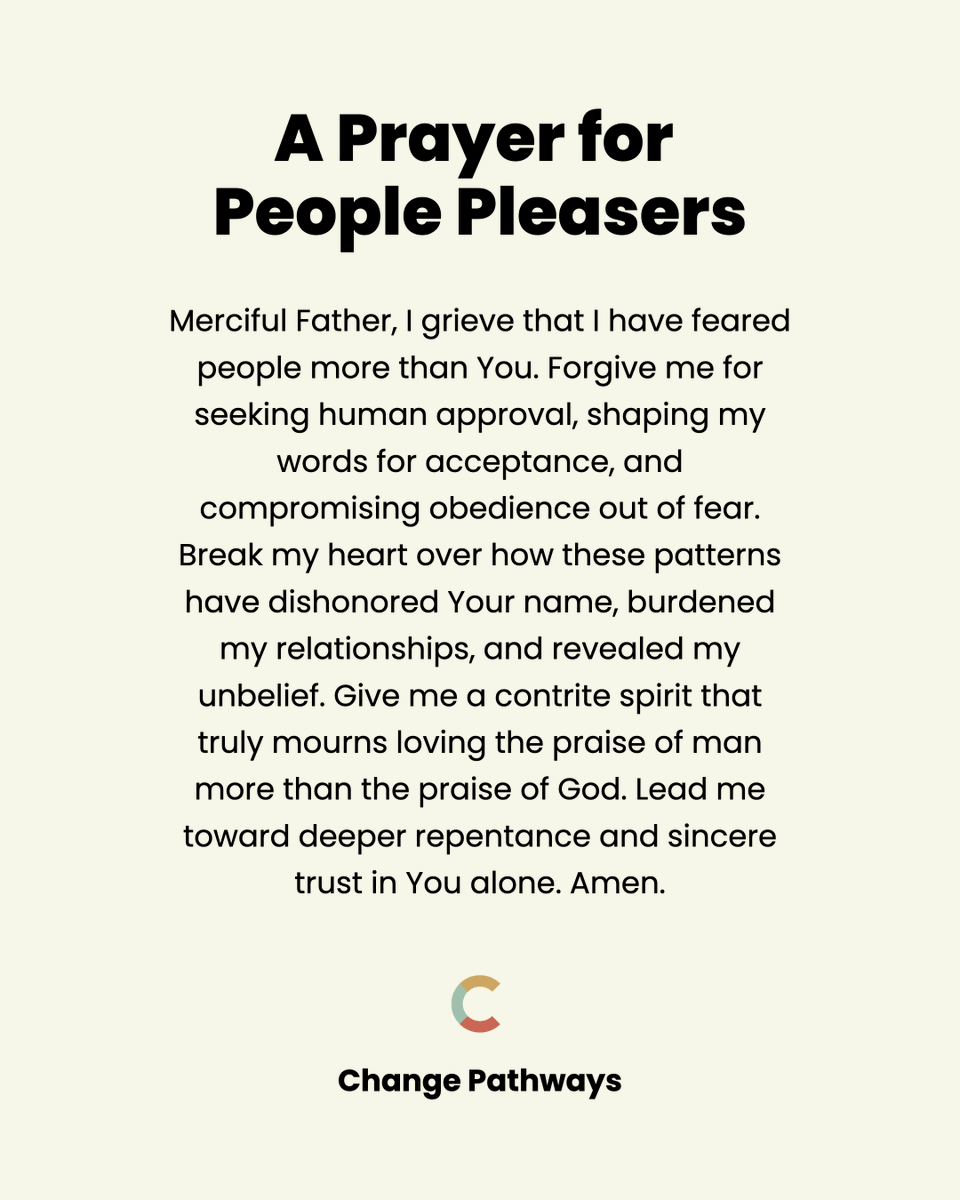
People-pleasing and fear of man reveal a heart that is seeking approval, acceptance, or avoidance of rejection from others instead of living for the approval of God.
They elevate human opinions above divine authority and interpret identity through the eyes of people rather than through the promises of God. Fear of man leads to compromise, dishonesty, anxiety, and relational bondage.
Comparison reveals:
- A failure to see our worth and identity as defined by God, not others.
- A grief-worthy unbelief that God has been unkind or unfair.
- A pattern of deceitful thoughts that elevate human approval and diminish God’s.
- A turning away from gratitude and toward envy, resentment, or self-pity.
- A need to be retrained in contentment, humility, and identity in Christ.
God’s call is to turn from the sideways gaze of comparison to the upward gaze of worship, learning humility, gratitude, and joy in what He has wisely and lovingly given.
Criticism reveals a heart that is quick to judge and slow to love, measuring others by personal standards rather than God’s Word. It exposes a spirit that magnifies the faults of others while minimizing one’s own, treating harsh evaluation as righteous discernment. Criticism elevates self as judge, undermines unity, and misrepresents the compassion and gentleness of Christ.
Criticism exposes:
- Pride: assuming superior insight, maturity, or righteousness.
- Judgmentalism: condemning others instead of pursuing their restoration.
- A harsh spirit: speaking in ways that wound rather than heal.
- A distorted view of righteousness: confusing personal preference with moral law.
- Lack of compassion: overlooking the weaknesses, burdens, and struggles of others.
- Resistance to self-examination: focusing on others’ faults while ignoring one’s own need for repentance.
Criticism fractures relationships and grieves the God who calls His people to build one another up. True biblical speech flows from humility, gentleness, and a desire to restore, not from superiority or irritation. God calls believers to put away faultfinding and to speak words that reflect His mercy, patience, and grace.
— Follow @changepathways for more biblical insights like these.
Consider the truth about rejection. Scripture affirms that God created people for relationship and fellowship, which is why rejection or exclusion strikes so directly at the human longing to be known, welcomed, and included.
#rejection#biblicalcounseling#biblicalchange