Steve Jobs once called Warren Buffett for advice on stock buybacks.
Buffett told Jobs, “There’s just 2 questions” to ask:
1. Do you have enough cash to build the business the way you see it over the next 5-10 years?
2. Is your stock selling for less than it’s worth?
Jobs answered Yes to both.
Buffett said: “Well, you’ve answered your own question.”
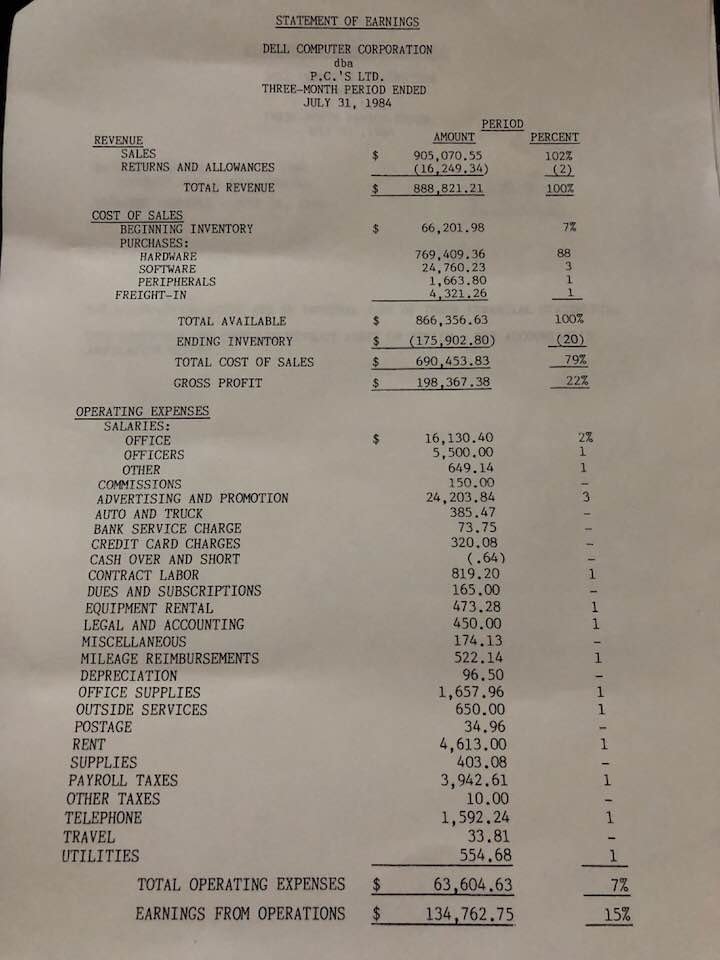
This one page changed my life.
42 years ago today, it convinced my parents I shouldn't go back to college.
I started by upgrading PCs from a dorm room.
Today @Dell is helping build the infrastructure that powers AI, from the edge to some of the world's largest AI factories.
You never know which small decision will change everything.
Keep building🚀🙏 #PlayNiceButWin
Warren Buffett literally gave a 9-minute masterclass on what makes a business worth owning, inside the interview where he explains why he broke his own rule on technology.
Eight things he teaches:
1. A good business is not one that grows. It is one that earns high returns on capital for a long time. His words: "something that you can expect to earn high returns on capital over a long period of time." Growth without returns on capital is just a bigger version of the same problem.
2. Measure it against doing nothing. Buffett points out he can put huge amounts of money into government bonds and collect payments every year with no risk. So a good business has to earn a lot more than treasuries, and be expected to keep doing it. If your business does not clear the riskless rate by a wide margin, the capital has a better home.
3. The gap between similar-looking businesses is enormous. Most banks earn 13 or 14 percent on capital. Ask anyone to guess American Express and they say something similar. It earns 30 percent plus, and Buffett is clear it "does not incur more risk in doing so than the banks that earn 13 or 14 percent." Same industry, more than double the return, no extra risk taken.
4. Charlie Munger's test: the cash has to be real. Munger pounded the idea that a business was not good just because it was doing sexy things. It had to be earning real cash, be able to pay that cash out if it wanted, and better yet be able to put it back to work inside the business. A company that earns high returns but cannot redeploy the money is worth less than one that can.
5. Time is the multiplier, so duration is the thing to protect. Buffett says a long period of time "gets to be very important because it doubles later on to the very big numbers." One great year is noise. The rate is what compounds.
6. When the facts change, retire the rule. Buffett spent decades known for not buying technology, and said so himself. His explanation for buying now is that the business changed: Google and its competitors are "laying out hundreds of billions," they are big capital spenders, and that is real money. When they were asset-light he passed and the market loved them. Now that they spend heavily, shareholders like them less and he thinks they are more likely to win. He did not change his test. He noticed the business had moved into the category his test rewards.
7. Nobody is measuring the thing that matters. Buffett says he cannot recall a report on Wall Street that gets into the internal rates of return a business is actually earning, and calls the fixation on next quarter ridiculous. He rates Alphabet ahead of 90 or 95 percent of what gets merchandised through Wall Street, on the record rather than the story. If your own reporting tracks growth and headcount but not return on capital, you are measuring what is easy.
8. Every wonderful business gets attacked, so ask how long it stays wonderful. In 1958 he helped start Data Documents, after IBM was forced by an antitrust settlement to divest half the capacity of its best business. That advantage ran out after 10 or 15 years, and he knew some of the people who caused it to run out. His closing line is the whole lesson: "It's not a question of whether it was wonderful yesterday. The question is, how long is it going to be wonderful?"
The move for an operator: run the test on your own business this quarter. What return are you earning on the capital in it, how does that compare to doing nothing, and what would have to be true for that return to survive the next ten years.
Warren Buffett with Becky Quick, CNBC Squawk Box, July 2026.
버핏이 CNBC에서 구글 얘기한 2분이 요즘 AI capex 논쟁 전체를 정리함.
"구글이랑 경쟁자들 전부 수천억 달러를 깔고 있다. 그건 진짜 돈이다. 우리 철도 개발에도 그런 돈은 안 들어갔다. 소프트웨어 시절엔 없던 게임이다."
자산 가벼울 땐 안 사더니 capex 무거워서 주주들이 싫어하는 지금 샀냐는 질문엔 — "기록을 보면 이 회사들이 월스트리트가 파는 물건의 90~95%보다 승자가 될 확률이 높다. 월스트리트 보고서 중에 기업의 실제 내부수익률을 파고드는 걸 본 적이 없다. 다음 분기 얘기만 묻는다. 우스운 일이다."
버크셔는 이 판에 310억달러를 얹었음. 어제 구글 FCF가 22년 만에 ���음 마이너스가 된 바로 그 지출을, 버핏은 사야 할 이유로 읽는 중.
I don't give a fuck if you've lost every job and nobody likes you and you're 39. You're not even at halftime. You're just losing right now. You're not a loser.
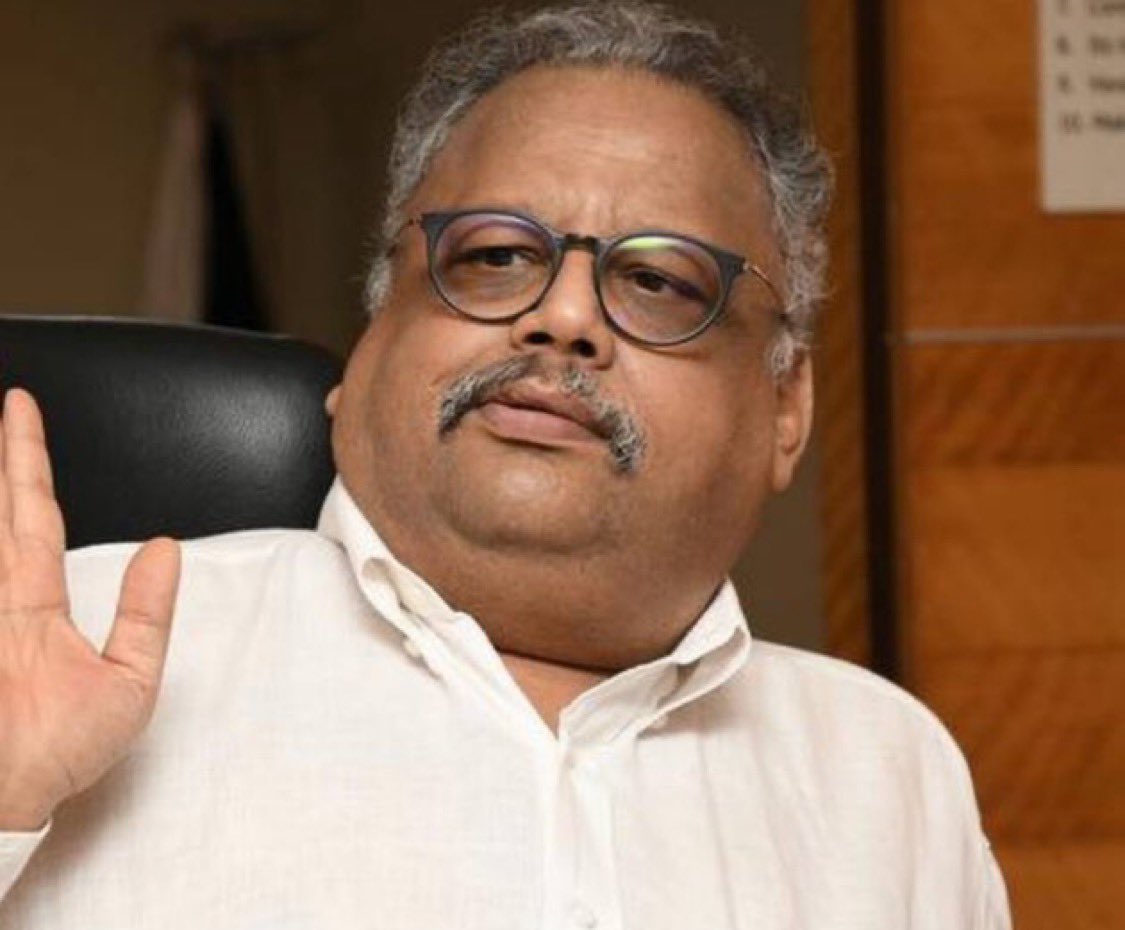
“You know, a balance-sheet is like a bikini, it shows more but it hides what is vital. I learnt to read a balance sheet and then I got fascinated by stocks.”
-Rakesh Jhunjhunwala