User centred design is a good idea when used effectively and pragmatically. If used dogmatically, it can create an over reliance on needing to “test” users in order to make any design decision, stifling the progress and creativity of teams.
We were excited to participate in Design Systems Day 2023. Check out reflections and highlights from the team: https://t.co/zNlk4YyXzz
“Design systems don’t solve problems, people do.”
What the design team at TPXimpact were up to in October: https://t.co/HJmeSXjqFe
- Co-design training day
- Team day in London
- Service design in Berlin
- Design systems day
- We have a new design director
Read the journey of a junior designer from the fantastic Emma Axelsson (https://t.co/cbVfBmkfrj). I had the privilege of hiring Emma nearly two years ago and am constantly impressed by their proactive, passionate and approachable attitude. https://t.co/9MnGaxyTc9
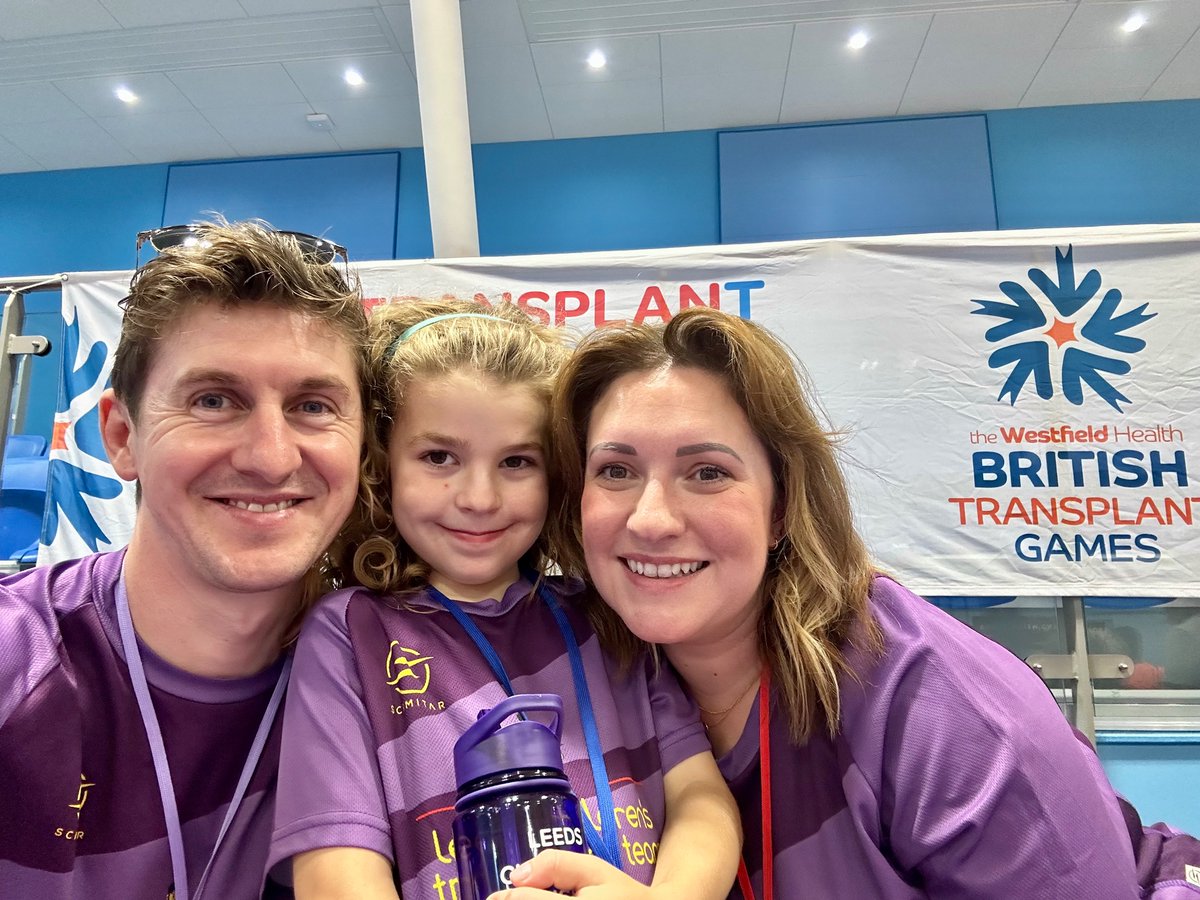
#BritishTransplantGames 2023 are go to GO!!!! My son Hamish is four years post kidney transplant and competing for Leeds Children’s Transplant Team. They’ve been amazing through all of Hamish’s care. Donations not necessary but appreciated 🙏 https://t.co/dg4bSyIAMz #JustGiving
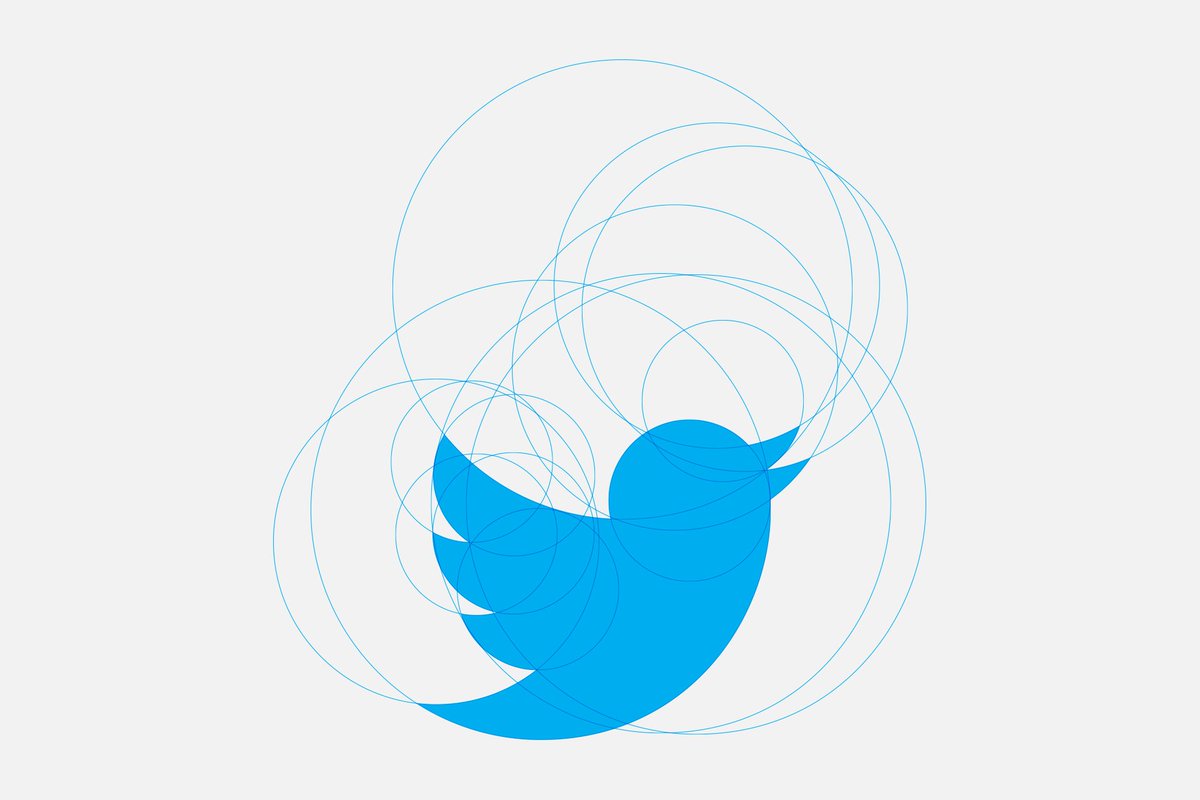
Today we say goodbye to this great blue bird
This logo was designed in 2012 by a team of three. @toddwaterbury, @angyche and myself,
The logo was designed to be simple, balanced, and legible at very small sizes, almost like a lowercase "e", a 🧵
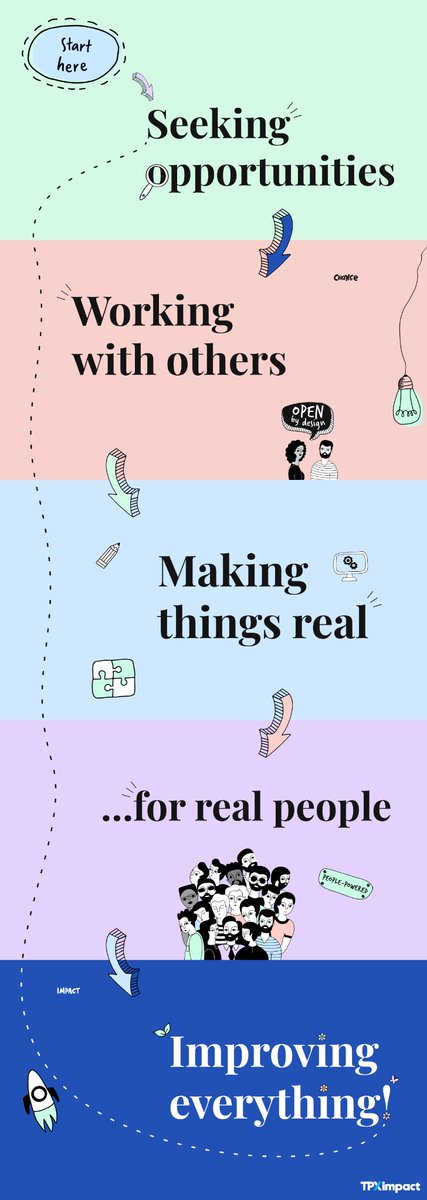
Here it is: the complete picture highlighting our consistent and circular approach in interaction & product design. Thanks for following along. If you want to learn more about what we do and why I’d be happy to share. My DMs are open. Link to blog post: https://t.co/CmTw9zvvdb
Last one in the series:
*Improving everything!*
We want to leave things in a better state than we find them. We think about ‘ends’ from the start, placing value on meaningful handovers, documentation, and storytelling, setting up the best chance of sustainable success.
…for real people: Good design must work for everyone. This means our work is technically accessible, sure. But also means having a deep understanding of, and testing with, real people, beyond personas. We’re not just designing for the users of today, but the users of the future.
Making things real: Creating tangible designs that bring ideas to life and show how the future might work. Sometimes that means prototyping in code, with real data to bridge the gap to technology. We tell the story of our work in the context that it contributes to.
Working with others: in the open. Sharing our ideas regularly and actively inviting contribution. This fosters diverse thinking and cultivates an informed and aligned understanding of where we’ve been and where we’re going.
Seeking opportunities: to challenge assumptions and take risks, generating new ideas. Sometimes our ideas fail, but that’s okay — we’ve learnt one way not to do something. Failure is not the end but a necessary part of the path and an opportunity to learn by doing.
Our team has added to our https://t.co/ScujtAKpJE blog for the first time in a very long time!
Read about our very busy June where we launched two different DLUHC funds on @luhc's new Access funding service https://t.co/jdxkjl30Ls
#funding#digital#servicedesign