The asteroid that hit Earth about 66 million years ago, wiping out most of the planet’s life, may also have heated up the climate for millennia. https://t.co/NbLA9RonTV
We are building #winogradsky columns this Thursday with 30 elementary students! (See, we don’t only teach science to adults) This is a perfect #interactive resource to introduce to them, to expand the learning at home and inspire their parents to help them “dig” further. https://t.co/DnUef054uL
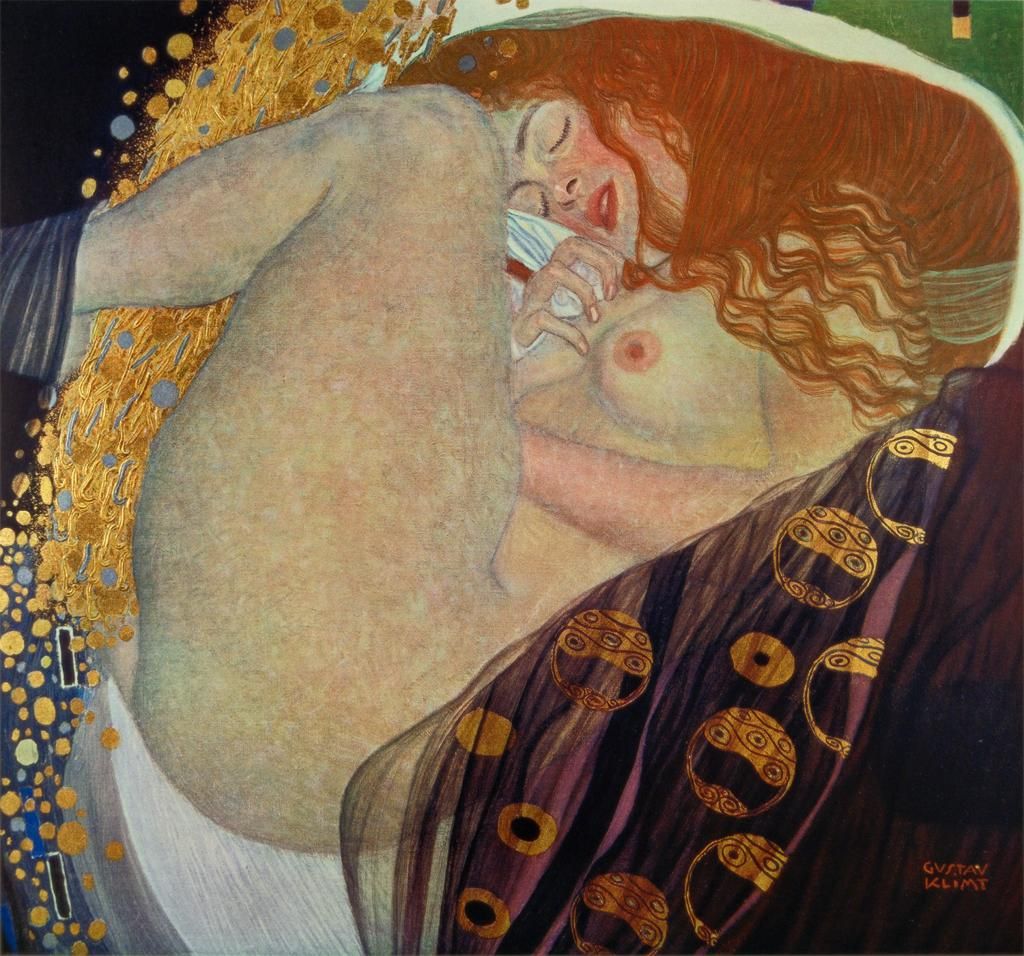
If the spherical objects in the right corner of Klimt's Danaë seem to you like mammalian embryos, that's because they are! Klimt was in close contact with researchers at the Vienna medical school and have seen a lot of histology. From the great Kandel's book The age of insight.
If you're teaching Life Science in MS or HS and not yet aware of HHMI BioInteractive, please check it out ! Instant phenomena, great simulations, powerful media - What questions might you have? : ) https://t.co/JpHe9kuHp2
How can scientists use genetic engineering to reduce mosquito populations - and stop the spread of certain diseases? In this video, find out how scientists in Brazil are combatting Zika. Want to know more: https://t.co/m60FOIgcXi #15for15#DNADay
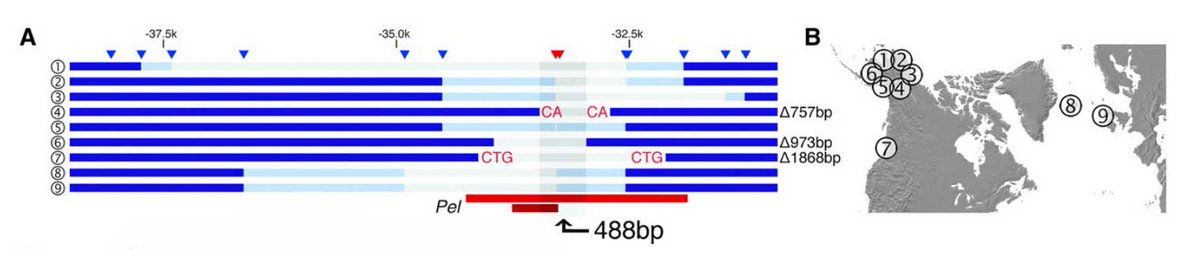
Species can undergo major alterations to their morphology as the result of environmental pressures. Use this new #Data Point activity to discuss the deletion mutations that led to diminished pelvic spines in stickleback fish. #15for15#DNADay https://t.co/Pc6t37luPD
Harry Anderson, the actor best known for his part in the sitcom "Night Court," died at his Asheville residence today.
He spoke with us in 2011 about why he loved his life here. #avlnews https://t.co/LJQBgVc7F5
Celebrate DNA Day with our new CRISPR interactive, featuring interviews with leading scientists like @doudna_lab who discusses CRISPR’s applications in research and uses for treating genetic diseases. https://t.co/upJg1NXtWE
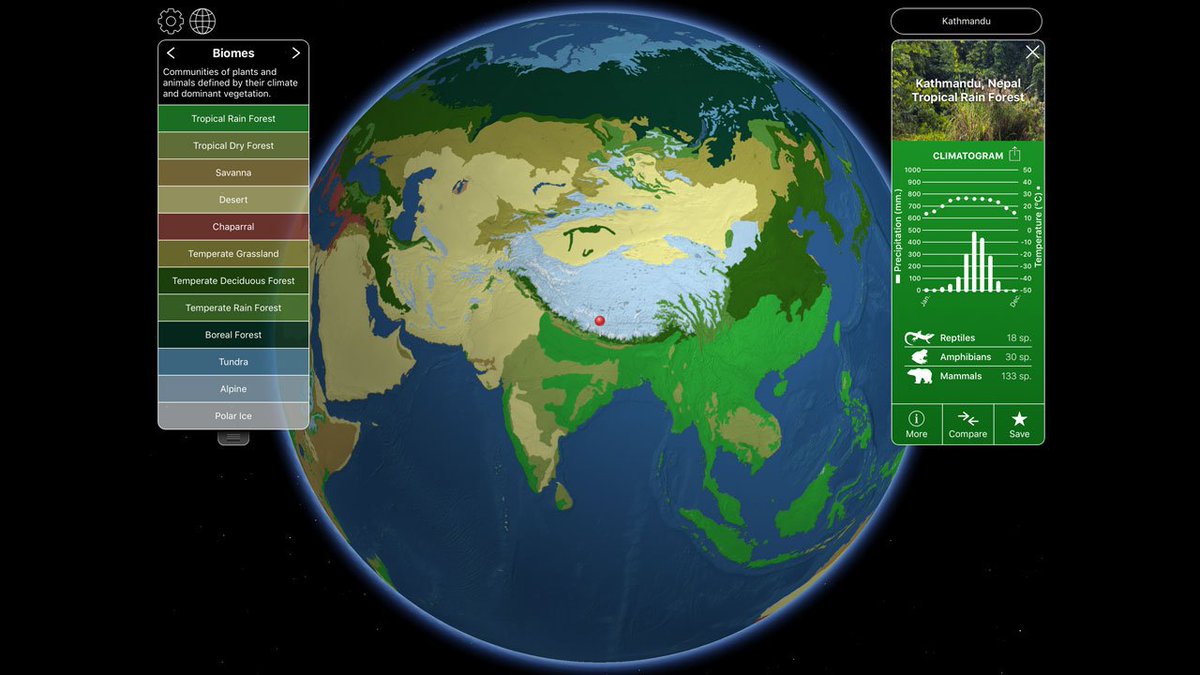
Explore Earth’s terrestrial biomes on #EarthDay18 . Use BiomeViewer, a free app – now with an accompanying worksheet. Examine threatened species using @IUCNRedList data and human impacts over the past 300 years.
One of the ways you can integrate DCIs with the other dimensions in your classroom is through #phenomena. How might you use the #phenomena described here in a recent edition of the #NGSS NOW newsletter to connect to the DCIs in MS-PS1-2? https://t.co/OtM4g7dwoG
Starving polar bears may soon become a more common sight as the sea ice they rely on for hunting grounds continues to melt away. https://t.co/WSvs58urDG
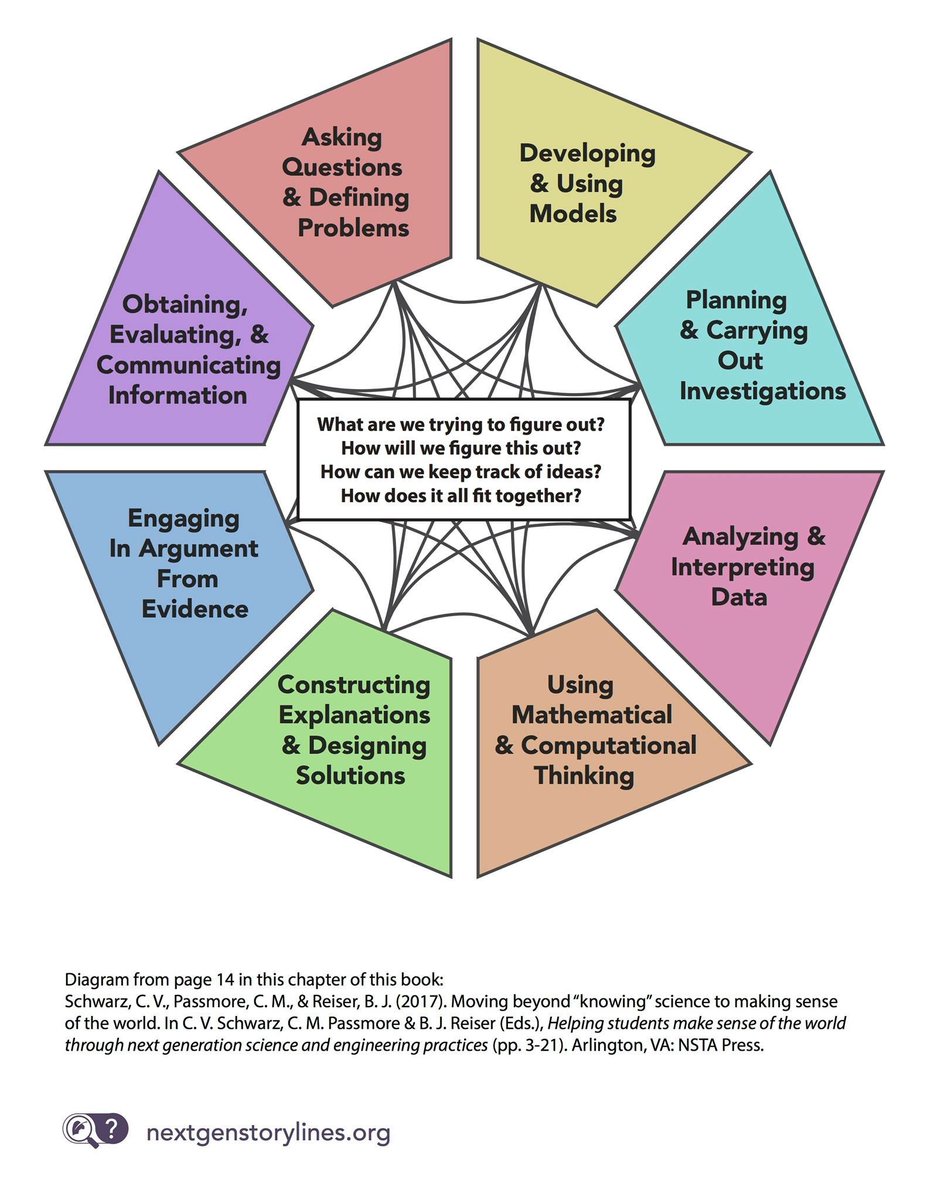
NEW & IMPROVED—#NGSS 3D assessments should be built around all 8 science & engineering practices. But how? This tool provides task formats for each practice & was just updated using expert feedback by @dizzvh, @bpenuel & I. Check it out! #NGSSchat#SciEd
https://t.co/x8UUDr8YQZ