📢💣 ¡Descifran el primer Papiro de Herculano completo!
Ojo a esto porque gracias al Vesuvius Challenge, y mediante IA y tomografía avanzada, se ha logrado la lectura completa de un papiro carbonizado por el Vesubio sin desenrollarlo, atribuido al estoico Crisipo de Solos 🧵👇
@accelereta42_ À mi de esta lista me hacen ruido Juno y los Increíbles, que si es la película animada supongo que va por el lado del concepto de familia.
The intellectual life was never something that only the elites enjoyed.
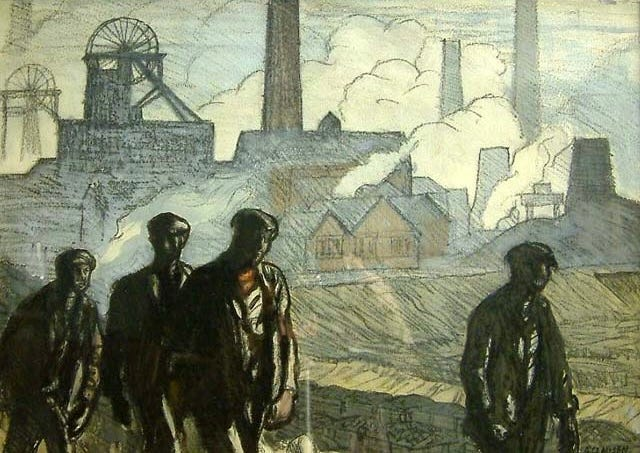
In England there has long existed a massive, self-directed culture of education among working-class people. Coal miners in industrial England read voraciously, with many even self-studying Latin or history after long shifts underground or in factories.
Coal miners, mill workers, and mechanics built their own libraries and formed reading societies to study Shakespeare, Dickens, Milton, even Plato. A grassroots intellectual movement that grew independent of elite institutions.
Jonathan Rose makes this case in "The Intellectual Life of the British Working Classes", one of the most illuminating cultural histories of recent decades.
While elites might have consumed culture for status, ordinary readers engaged with it morally and personally, seeing in Shakespeare and the classics a means of moral development and self-mastery. This revelation directly challenges the 20th-century academic assumption (inspired by postmodernism and Marxist cultural studies) that "high culture" is inherently exclusionary.
Pulling from autobiographies and letters, Rose shows that workers often described reading as a form of inner liberation, citing writers like Ruskin, Carlyle, and Dickens as their moral guides. They read with a degree of seriousness we rarely see today, treating their books as beloved companions in a lifelong pursuit of wisdom.
The rise of mass media and television following WWII made a preference for reading slowly give way to one for passive entertainment.
And the democratization of education paradoxically coincided with a lowering of intellectual standards — just like how more people than ever attend university today, yet popular culture as a whole is much less intellectually vibrant than it was 50 years ago.
@TriunfoLailo@PROMAKOS_ Los altos mandos japoneses no querían firmar la rendición ante los soviéticos, porque temían que depongan al emperador por lo que prefirieron rendirse ante los norteamericanos.
@kankantokusei Esta hipótesis empata con la contraria qué dice que los jóvenes gringos no les importa nada de lo que pasa fuera de USA por la misma razón, la mayor parte de sus vidas no han tenido exposición este tipo de situaciones.
🇺🇸📚Estados Unidos le ha dado mucha basura al mundo, pero también muy buena literatura. De ella, una de mis favoritas es la del Sur, ese territorio tan legendario que a veces parece inventado. Sale hilo con mis diez libros favoritos del Deep South. 📚🇺🇸
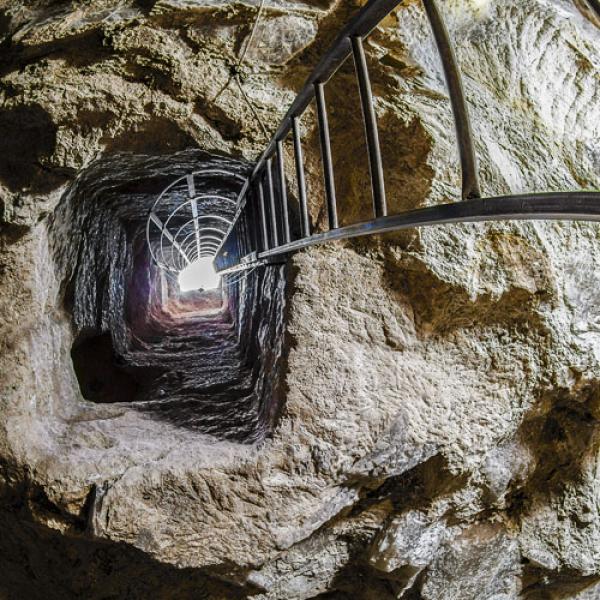
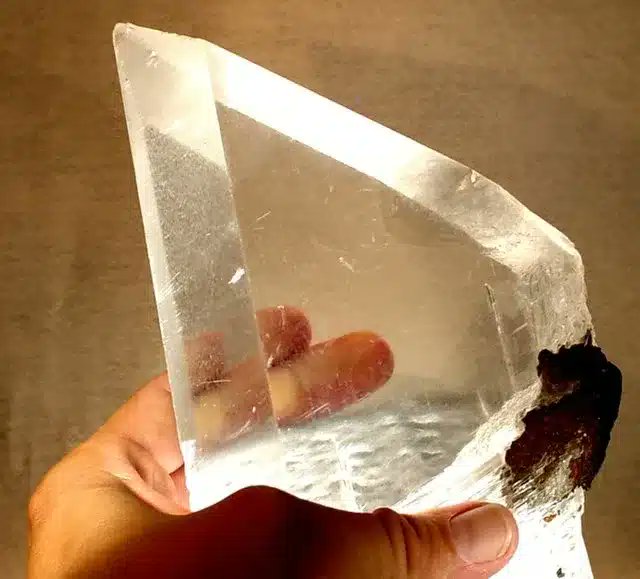
Roma excavó galerías subterráneas que superan los 30 km de longitud, en 27 explotaciones mineras conocidas, con centro en el municipium de Segóbriga (hoy Saelices, Cuenca). Pero no buscaban oro o plata, sino "lapis specularis", un yeso cristalizado utilizado en ventanas 🧵👇