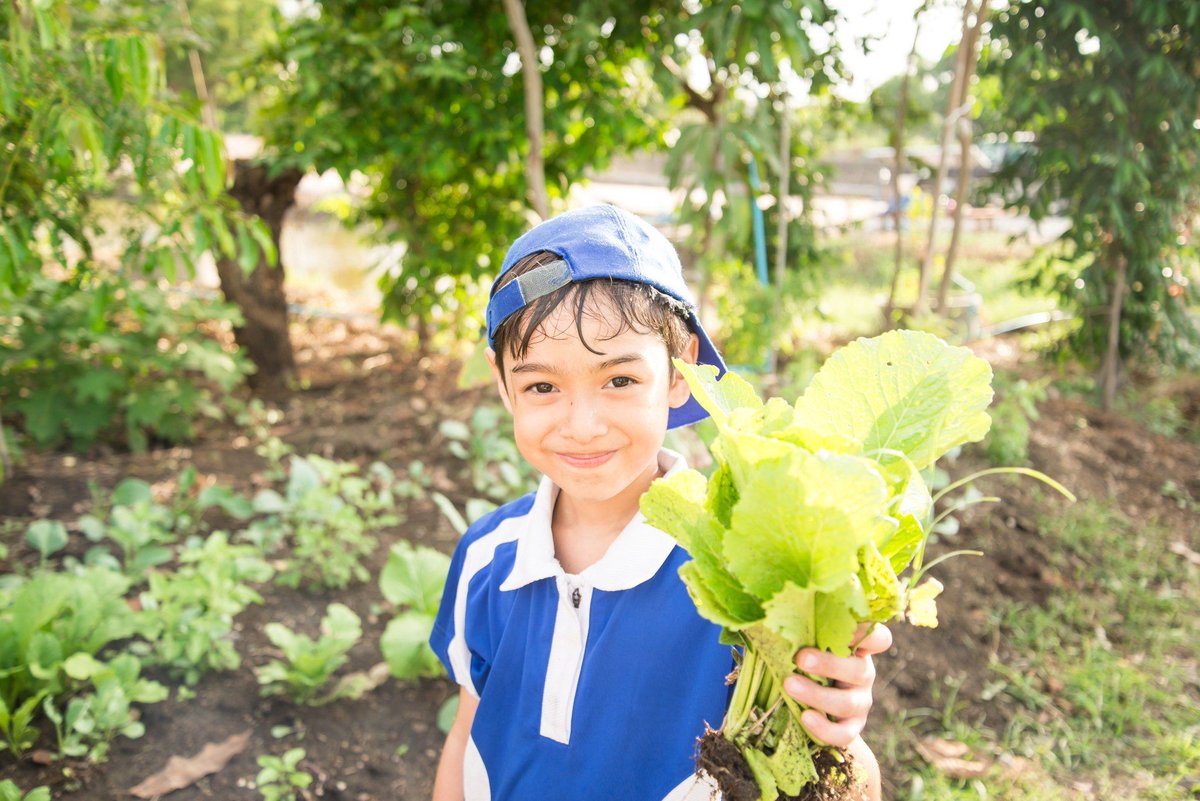
It is great to see so many schools engaging in sustainable practices! This is a great, simple initative that aims to reduce our ecological footprint and increase sustainable practices. #UoNTeach https://t.co/1OjyDJ4l3i
Engadine High School's Student Sustainability Team will be participating in 'Clean up Australia Day' this Friday! Our kids will clean up our school and surrounding bush areas and pathways to keep our beautiful bushland setting looking amazing! #cleanupaustralia
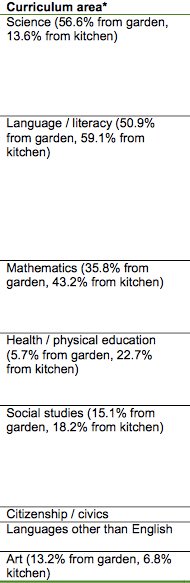
This is great! A school kitchen and garden project allows teachers with so many opportunites to teach across all Key Learning Areas! This is really beneficial considering how much we are required to teach our students! And what better way than to do it HANDS ON!! #UoNTeach https://t.co/flWdR68me7
This is just a quick screenshot from the Kitchen Garden Foundation website. It shows just how many integrated KLA'S you can fit into a Kitchen Garden Project! Inside the classroom and outside in the garden #UoNTeach
Such a fun and engaging project that allows all students, across all stages within the school to participate and actively learn about sustainable practices! #UoNTeach https://t.co/twXl0tEeHx
This is a great resource to have in the classroom! Using it in correspondence with developing a school garden will allow students to easily relate the benefits of the food grown to their health, encouraging them to develop healthy lifestyles. #UoNTeach https://t.co/dSXFkCpo2K
This nutrition image is worthwhile to have in a classroom as it identifies what healthy fruit and vegetables help and protect certain parts of the body #healthyeating#healthylifestyle#UONTeach
In addition to developing students awareness about what is needed to grow food, school gardens also provide students with many other opportunities, including allowing students to gain knowledge about healthy eating. #UoNTeach https://t.co/oHbTtQ6eia
This looks like a great resource, that provides global perspectives. It is clear adopting a whole-school approach to sustainability education is best for student participation and engagement. #UoNTeach https://t.co/5sizp8avWi
This is such a fun, engaging way to incorporate sustainability into the classroom, as well as incorporating several aspects of 21st century learning. Allowing and encouraging students to develop sustainable practises each day. #UoNTeach https://t.co/MqMAXNe9qY
Ensuring teachers are recieving adequate professional development to teach topics such as sustainability within our schools is crucial. Research has revealed that lack of professional development is often a barrier to successful sustainability education. #UoNTeach https://t.co/V40cCIUq9O
What a great school-wide approach for incorporating sustnability education into the school, and highlighting the importance of this topic to students and the wider community. This sounds like a very exciting day for all involved! #UoNTeach https://t.co/PFJAZkzUru
I completely agree, there are both positives and negatives to sustainability education. Though the benefits to students' learning and our natural environment is significant. Therefore it is a topic that must be taught within classrooms and on a school-wide level. #UoNTeach https://t.co/eE9dfkcP7E
https://t.co/LtTlgd7q2R
(2/2) This resource provides students with information about designing, managing and harvesting a garden, as well as preparing and eating the resources grown. This could be used in several ways in the classroom to enhance student learning. #UoNTeach
https://t.co/LtTlgd7q2R
(1/2) Kitchen Gardens is a resource created by the New South Wales, Department of Education. It provides both students and teachers with excellent resources. For example, teachers can access syllabus links, programs and policy advice #UoNTeach
Due to the increasing complexity of urban areas Rocca et al. (2012) argue the importance of school gardens. They also reveal garden projects allowing students to be involved and spread awareness, significantly improves students sense of inclusiveness and responsibility. #UonTeach
The Lorax by Dr. Seuss, has been produced as both a picture book and movie. This could be used in a classroom as a fun and engaging way to introduce students to the concept of sustainability. #UoNTeach
https://t.co/To0UnfZheC
A great, easy to access, resource for schools and teachers to easily embed sustainability practices into the school, classroom and community. #UoNTeach
https://t.co/Q9eIsR38ly
KidsGardening is an organisation leading the school gardening movement. KidsGardening states garden-based learning aims to improve students nutritional attitudes, educational outcomes, social & emotional learning and environmental sustainability. #UoNTeach
Laurie et al. (2017) revealed a study of school gardens in South Africa. Gardens provided fresh produce for meals and created positive attitudes towards sustainable living and healthy eating. It was concluded that school gardens should be used to promote nutrition. #UoNTeach
Turner et al. (2017) reveal a school's desire to foster greater appreciation of Aboriginal culture, perspectives and knowledge. Collaboration with Elders and developing a Garden, teacher knowledge and understanding were stegnthened and students experiences were enriched #UoNTeach
Christodoulou and Korfiatis (2018) studied students' interests in the activies and tasks involved with a school garden project. Their findings reveal that there is a strong correlation between students' interest in the activities, motivation, and their intention to act. #UoNTeach
Townsend, Gibbs, Macfarlane, Block, Staiger, Gold & Long (2014) reveal motivations, imacts and issues assioicated with school garden projects. Involving volunteers enhances engagement between the school and community. However, an issue was matching their motivations. #UoNTeach