We are delighted to announce that the ACE-III Trainer update is now live, with new vignettes for scoring practice and guidance on remote administration/use of interpreters! Take a look and send any comments or questions via: https://t.co/I5F4SAx7oy
@Lwhitnall22@NES_Psychology
Really proud to be retweeting this! The KnowNeuropsych crew has been hard at work putting this together and we think you all are really going to enjoy it!
Please help India breathe. I am trying to get this NGO get funding for oxygen concentrators and help for covid sufferers.
https://t.co/c3adKZIcNV
#missionrahat#OxygenCrisis#CovidIndia
Looking to hire a full time Research Assistant in Pune, India for a project involving translation and adaptation of the Birmingham Cognitive Screen to India. Project duration is May-Dec 2021. For more details/ to apply with CV, email me before 9th April: [email protected]
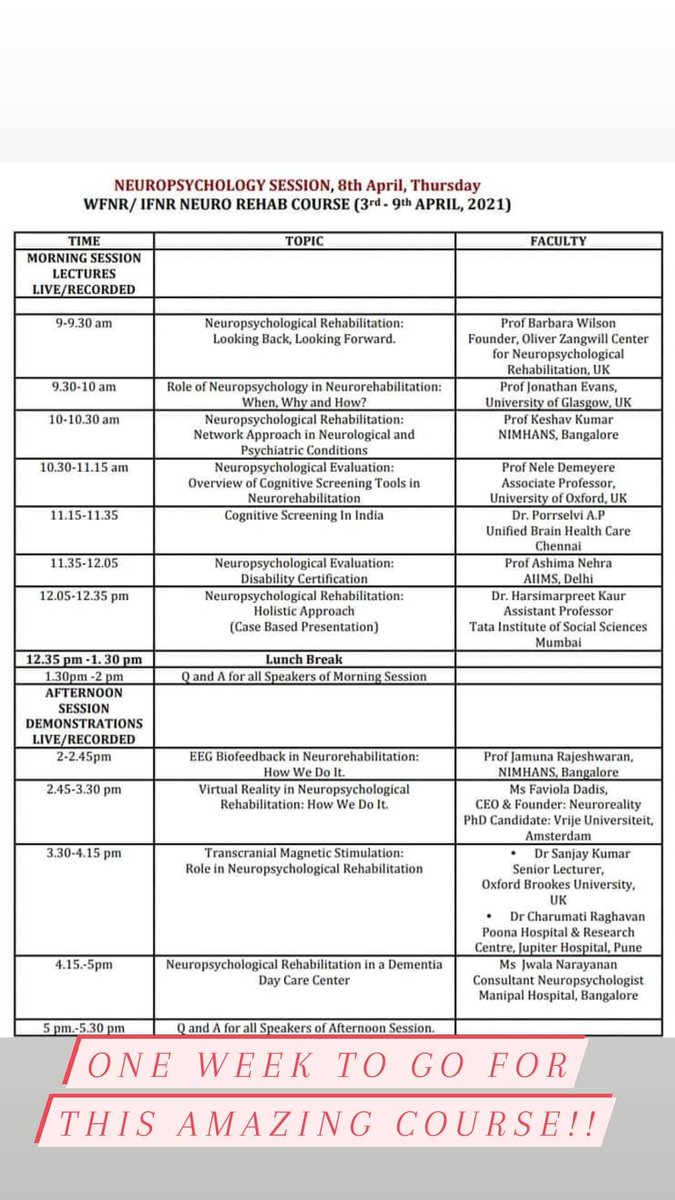
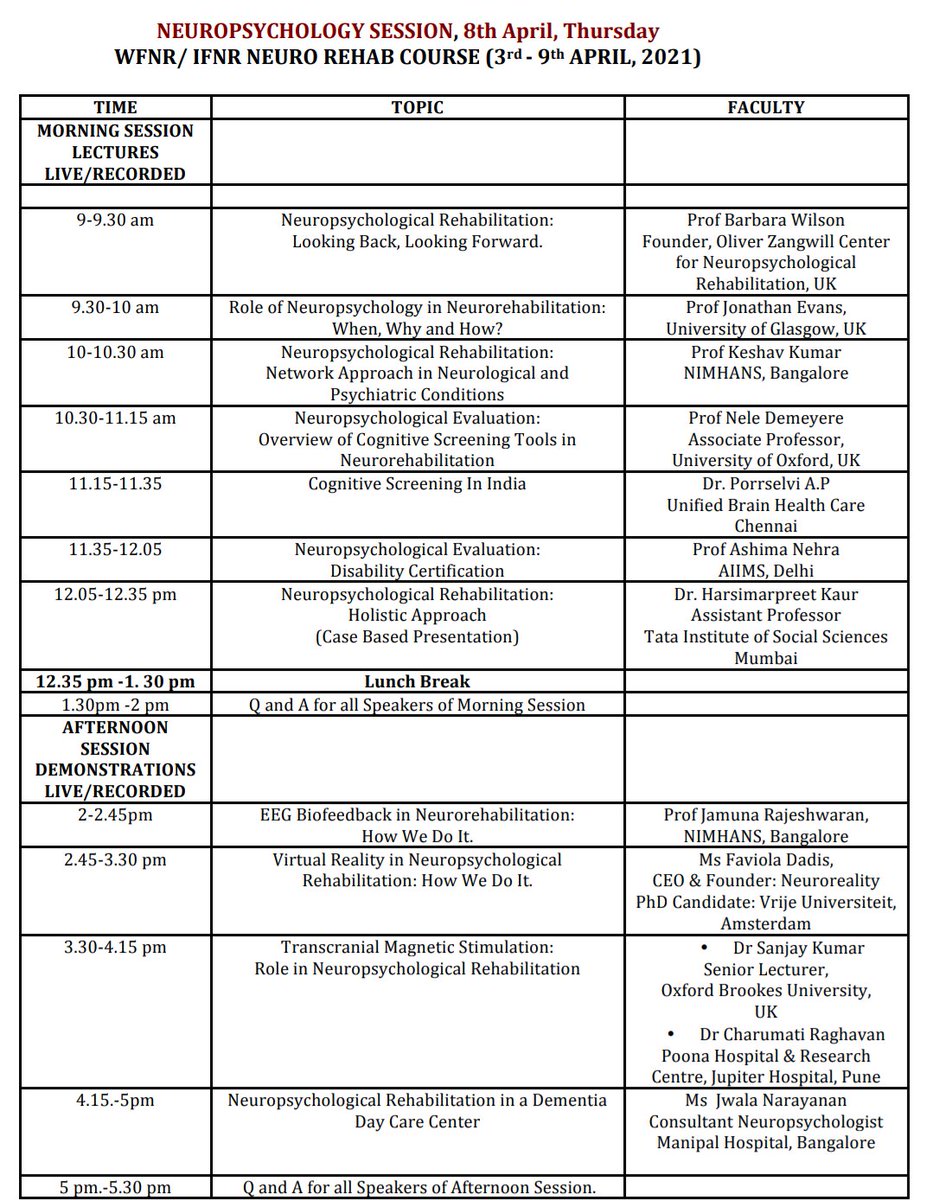
Neurorehab conference & teaching course in April organised by the Indian Federation of Neurorehab (in affiliation with World Federation for Neurorehab).
Particularly excited about neuropsychology day on 8th April!
For more details on registration:
https://t.co/VfuvDj7DrU
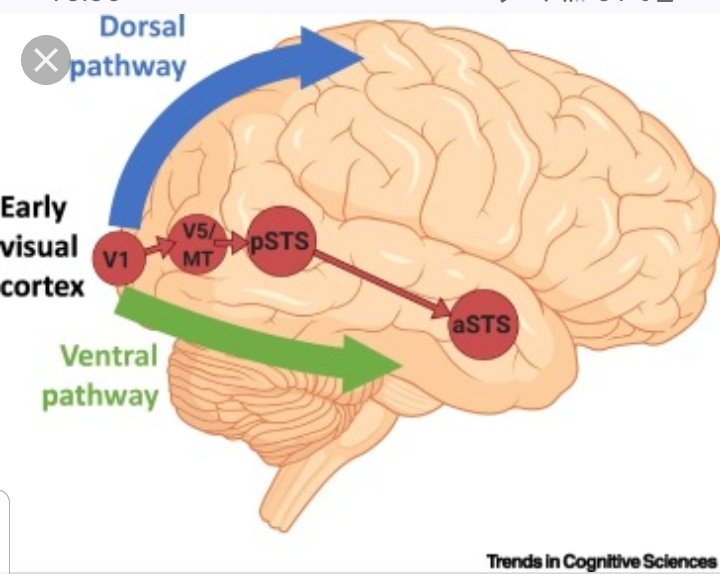
Evidence for a 3rd Visual Pathway specialized for Social Perception. Degregated from dorsal & ventral pathways; projects from early visual cortex into superior temporal sulcus (STS). Computes higher sociocognitive functions based on dynamic social cues. https://t.co/URB0ENJQ7W
🔸Now on YouTube🔸
"The Riddoch Phenomenon: A History" delivered by Professor Jane Riddoch.
Jane was recently awarded the Freda Newcombe Prize at this year's British Neuropsychological Society Autumn meeting #BNSautumn2020
https://t.co/Bod4OVXEAl
Please RT and encourage early career colleagues from all over the world, all disciplines to sign up! FREE - ESO GAINS WSO Early Career Development Virtual Workshop ***Dec 4th and 5th ***Register using the link below! @WorldStrokeEd@ESOstroke@IntJStroke
Inter individual differences in functional connectivity in lateral prefrontal cortex and parieto-temporo-occipital junction may explain differences in task performance
https://t.co/HHJloG7sfD
If we stop funding behavioral research, developing behavioral paradigms, and teaching behavioral techniques, not only will we lose out on a lot of discoveries, we will also not be able to do useful neuroscience.
Neuroscience without behavior is a lost cause.
/fin
Yes, this work by @HampshireHub @mehta_mitul72 and colleagues is the strongest evidence for cognitive consequences and their potential impact in #LongCovid
Definitely worth looking at their data plots to put things in perspective.
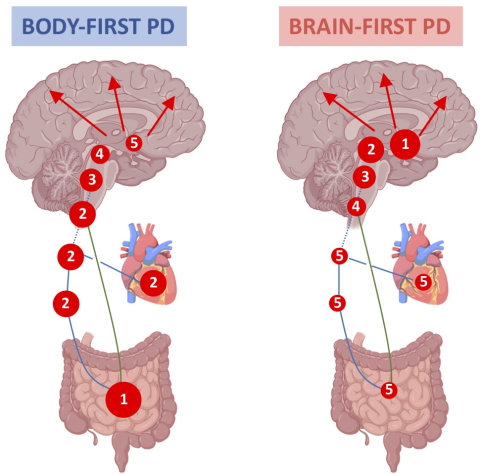
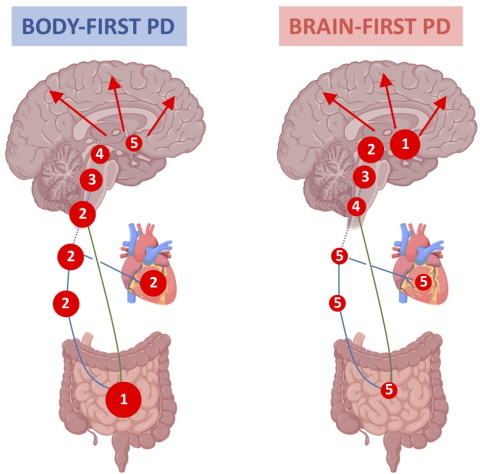
Horsager et al. present evidence for the existence of two subtypes of Parkinson's disease: 'brain-first', which starts in the brain and propagates downwards, and 'body-first', which originates in the ANS of the gut and spreads to the brain. https://t.co/5VegoueEe6
Why can some people tolerate Alzheimer’s disease pathology without developing dementia? Dumitrescu et al. highlight pathways that may protect the brain from the effects of amyloidosis. https://t.co/gwqpaCpglU
Horsager et al. present evidence for the existence of two subtypes of Parkinson's disease: 'brain-first', which starts in the brain and propagates downwards, and 'body-first', which originates in the ANS of the gut and spreads to the brain. https://t.co/5VegotX3my
Our new paper on the impact of blood pressure, diabetes and other vascular risk factors on executive function in @uk_biobank with @micheleveldsman Xin You Tai @BrainInTheMind@fmrib_steve@ten_photos is out https://t.co/vDk8rATMvM and in The Guardian https://t.co/0QV7cRCga1