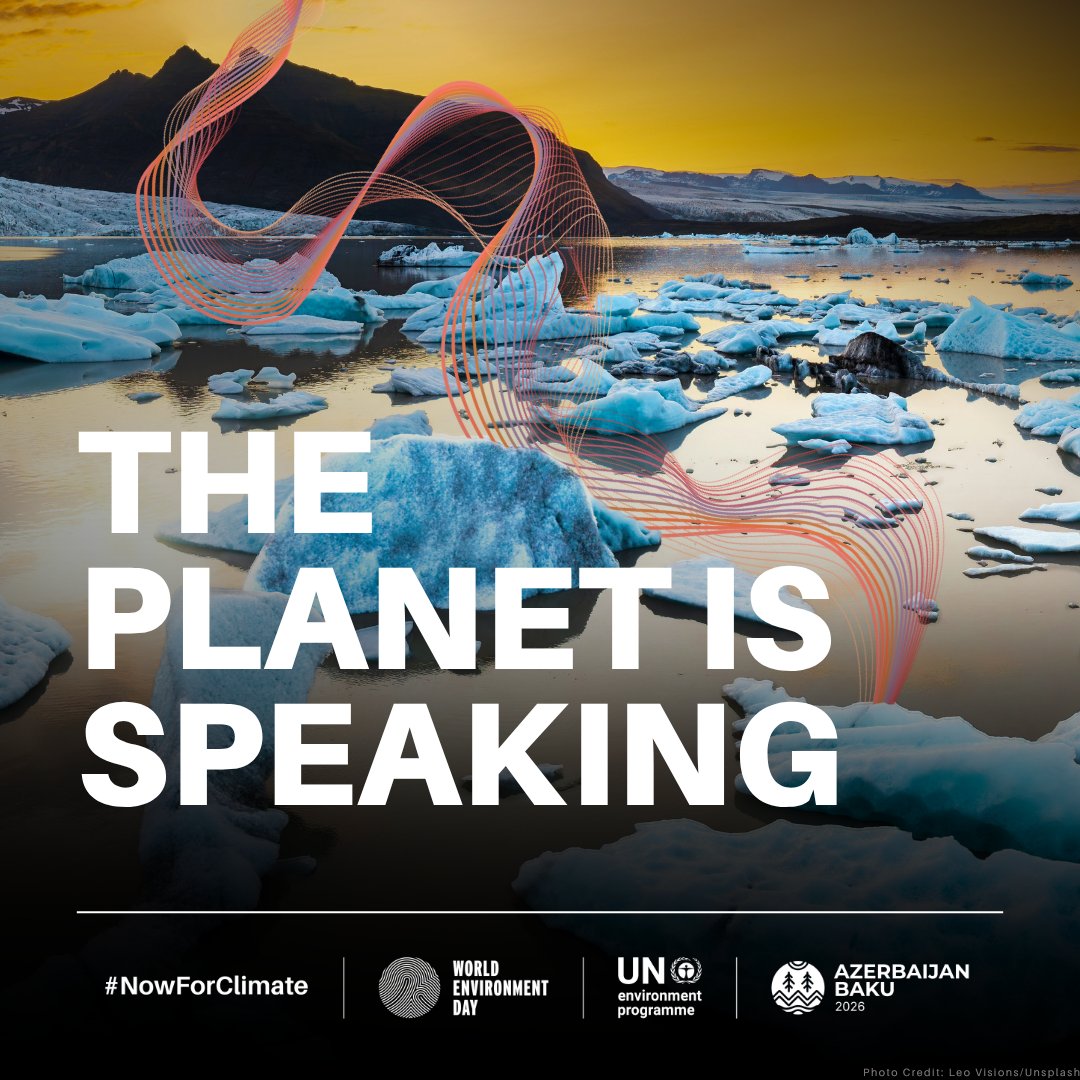
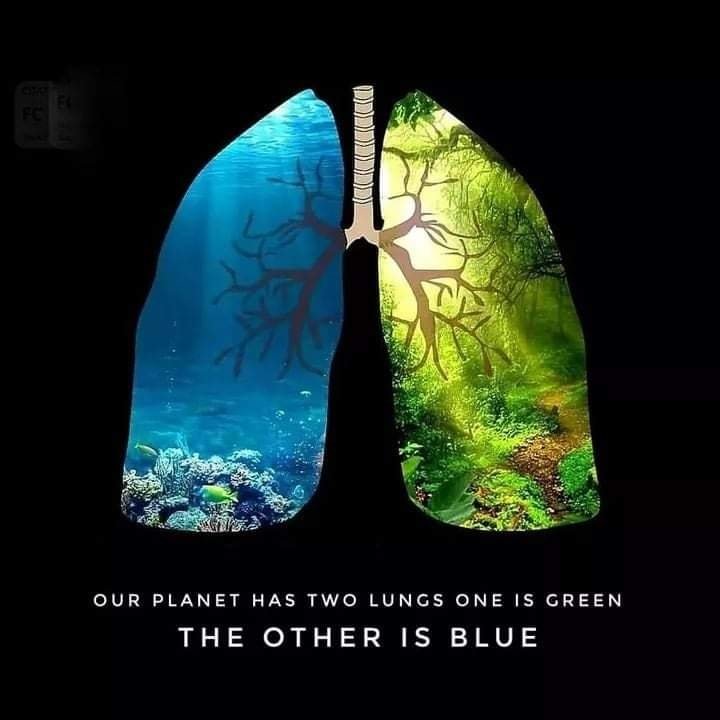
Our planet is sending us signals.
Too wet. Too dry. Too hot.
But listen, listen again.
Do you hear something else?
This #WorldEnvironmentDay, we turn the volume up on the urgent signals the Earth is sending and how, together, we can act #NowForClimate.
📽 Open Planet
Polar ice is melting at an accelerating rate. Sea levels are rising. Ocean systems are shifting.
The way we respond has never been more urgent.
This #WorldEnvironmentDay, join us #NowForClimate: https://t.co/e2SY5xwAG5
I heard so many times the commentators in the Indian cricket or IPL cricket, always talking negatively many moments that are totally down to the morale of viewers. Please be gentle to everyone.
@IPL@cricketaakash@MohammadKaif
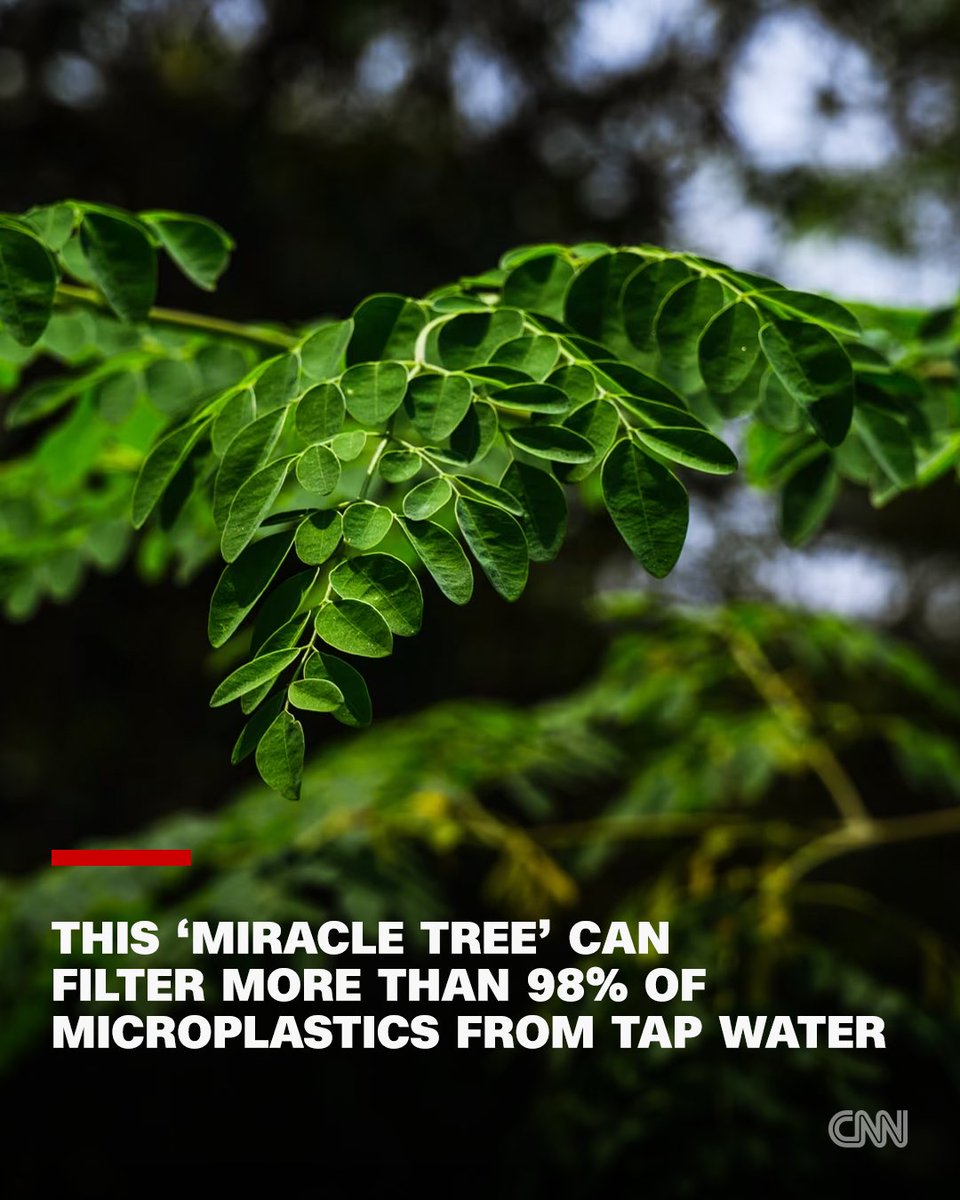
The moringa tree, known as the “miracle tree”, is one of the most nutrient-dense plants on the planet and is prized for its healing qualities. It also has another huge benefit, according to new research: it’s excellent at removing microplastics from water. https://t.co/7brn5FoLIA
🚨 Say “goodbye” to fertilizers.
Dr. Mariangela Hungria, a distinguished researcher at the Brazilian Agricultural Research Corporation (EMBRAPA), has been named the 2025 World Food Prize laureate for her pioneering work in soil microbiology. Often described as the "Nobel Prize for Food," this honor recognizes her development of over 30 biological technologies that utilize natural bacteria to nourish crops. By harnessing the power of Biological Nitrogen Fixation through specific bacterial strains, Hungria has successfully replaced heavy reliance on synthetic fertilizers, drastically improving the sustainability and yields of soybean and other vital crops across South America.
The scale of Hungria’s impact is staggering, with her methods currently applied to more than 40 million hectares in Brazil alone. This agricultural revolution saves farmers an estimated US$40 billion annually while preventing the release of over 180 million metric tons of carbon dioxide equivalent emissions each year. Her career-long dedication at EMBRAPA has not only solidified Brazil’s status as a global agricultural leader but also provided a low-cost, eco-friendly blueprint for global food security. Her work proves that the most powerful solutions for feeding the world can be found within the soil itself.
source: World Food Prize Foundation. Dr. Mariangela Hungria Named 2025 World Food Prize Laureate for Revolutionary Work in Soil Microbiology.
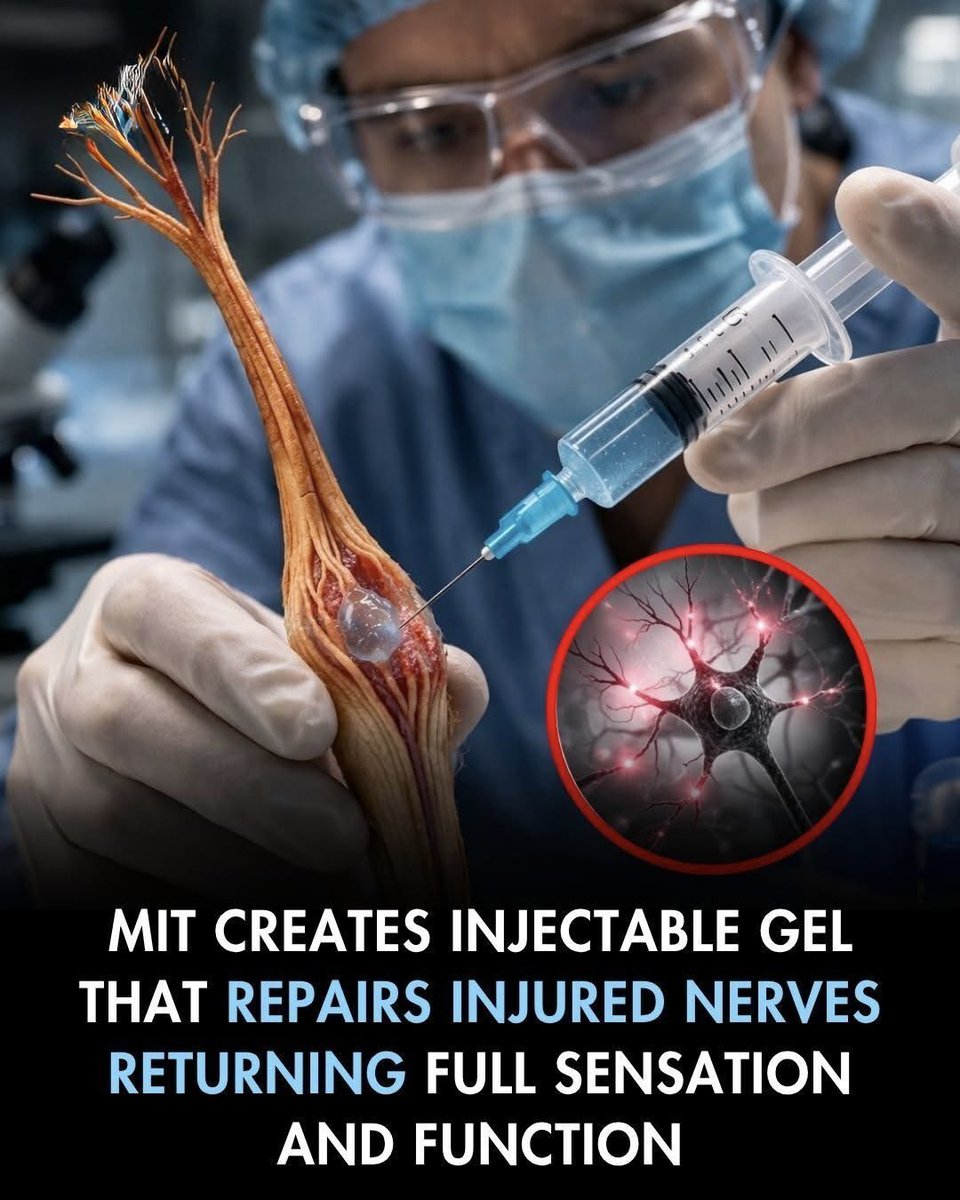
🚨 “A Single Injection That Could Restore Feeling?”
Scientists at MIT have developed an experimental injectable gel that may help repair damaged nerves. This gel mimics natural body tissue and supports nerves as they regrow and reconnect.
In early studies, it has shown restored sensation and movement, something traditional treatments rarely achieve. While still in early research stages, the results are giving hope for future treatments of nerve injuries.
Source: Massachusetts Institute of Technology. (n.d.). Research on injectable hydrogels for nerve regeneration.
A DNA-based strategy from researchers of Indian Institute of Technology Bombay makes drug-resistant bacteria responsive to antibiotics again.
Two recent studies were led by Prof. Ruchi Anand and Prof. P.I Pradeepkumar, from the @Chemistry_IITB.
https://t.co/LvviLzXKAl
A recent laboratory study suggests that tamarind, a fruit widely consumed in Asia and Africa, may help the body eliminate microplastics.
Microplastics—tiny plastic particles now detected in human blood, organs, and even brain tissue—are difficult for the body to remove naturally and may pose long-term health risks.
Researchers found that certain compounds in tamarind seeds can bind to microplastic particles, potentially helping the body gather and expel them.
In controlled experimental settings, participants who consumed tamarind extract showed higher levels of microplastics in their waste compared to control groups.
The study was conducted by researchers at Tarleton State University in Texas, who are investigating plant-based compounds that may help remove microplastics from biological systems.