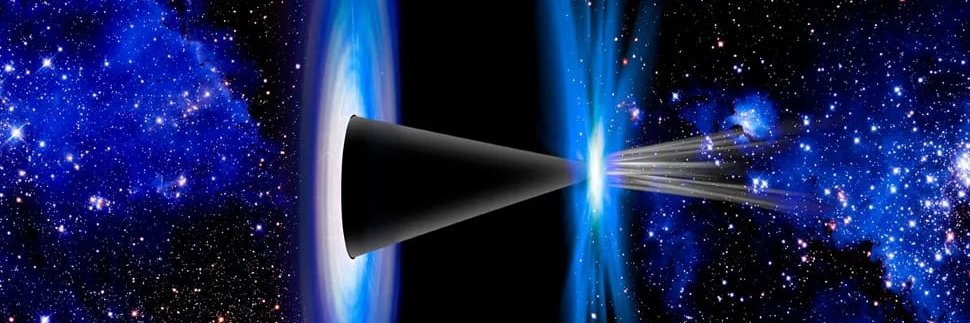
🚀 Scientists Shape Light Like a DONUT — Could This Rewrite Wireless Communication?!
What if light wasn’t just a straight beam, but could twist and loop in space like a glowing donut? Scientists have now built a device that creates and controls these ring‑shaped light patterns — known as toroidal vortices — and they stay stable even when disturbed. These unusual light structures could carry more information and be switched on demand between different states, hinting at a future where wireless data might travel faster and more reliably than ever before.
The idea sounds almost magical… but it’s solid peer‑reviewed physics that engineers are already thinking could change how we use light to send data without wires.
Zhang, X., Niu, L., Shen, Y., & Han, J. (2025). Electric‑magnetic‑switchable free‑space skyrmions in toroidal light pulses via a nonlinear metasurface. Optica.
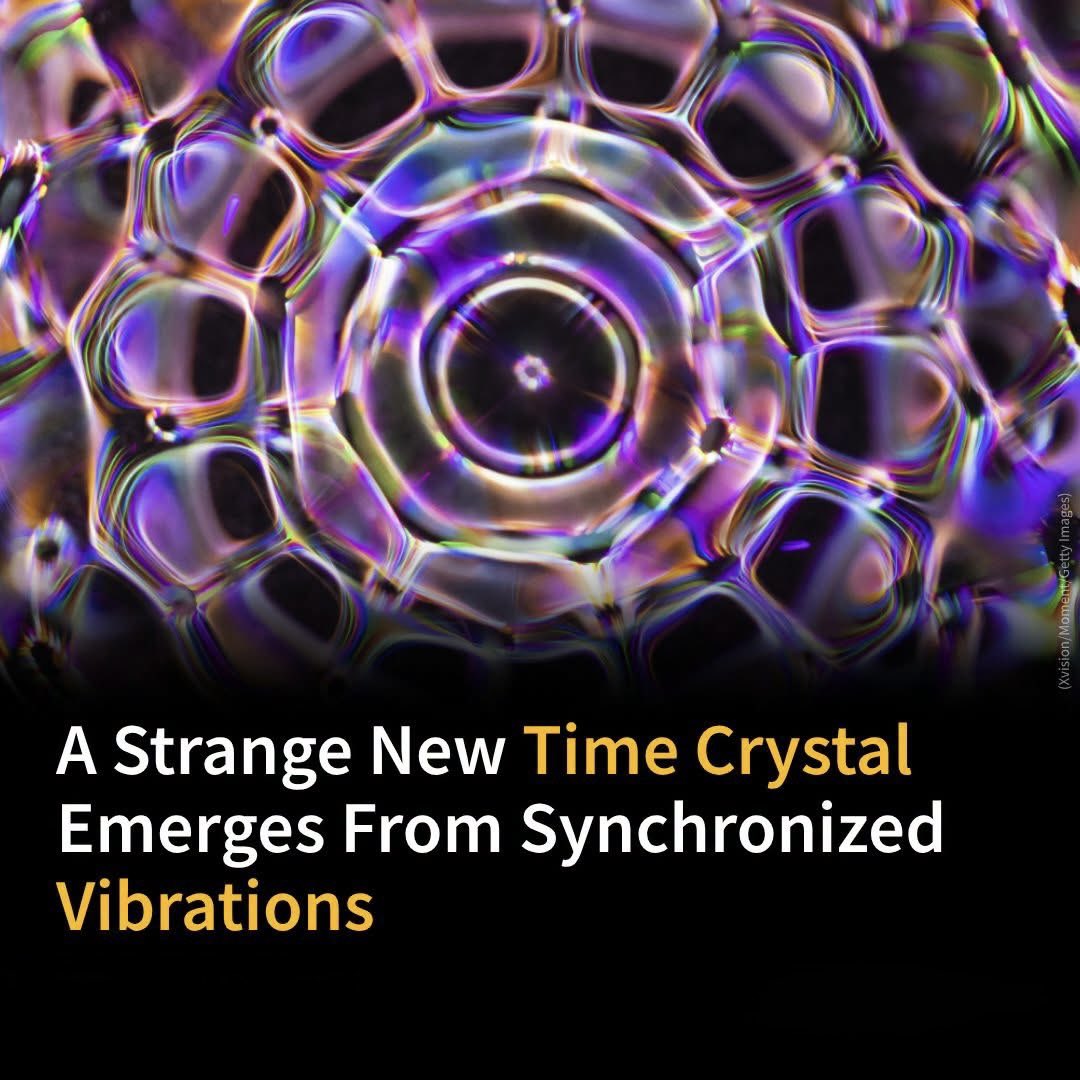
⏳ Scientists have discovered a strange new way for matter to keep time.
Imagine a material that starts with chaotic vibrations but gradually begins moving in one perfectly synchronized rhythm.
Scientists have now observed this surprising behavior in a specially designed material.
Researchers built a 3D-printed honeycomb structure containing 37 interconnected units. At first, the units vibrated rapidly and irregularly. Then, larger and slower waves emerged until the entire structure moved together in a coordinated rhythm.
The discovery is linked to a mysterious state of matter called a time crystal, in which patterns repeat over time. Unlike an ordinary crystal, which has a repeating structure in space, a time crystal displays repeating behavior over time.
The most fascinating part? The rhythm emerged naturally from the interactions between the material's parts, rather than being imposed from outside.
This research could eventually help scientists develop new technologies in robotics and advanced materials. The practical applications are still being explored, but the discovery offers a new way to understand how order can emerge from chaos.
Source: Veenstra, J., et al. (2026). Research on wave coarsening and time-crystalline order. Nature.
🧬 Scientists Create a Smart Material That Releases Healing Signals When Cells Pull on It
What if a wound could activate its own healing signals? Scientists are developing a remarkable material that responds to the body's natural repair process.
The secret lies in a special collagen sponge containing tiny molecular structures loaded with growth factors—proteins that help cells grow, move, and build new blood vessels.
Here is the fascinating part: when living cells pull on the material, it releases healing signals right where they are needed. Instead of releasing everything at once, the sponge responds to the mechanical forces created by the cells themselves.
In experiments, the material helped increase blood vessel formation in rats with bone injuries. Related materials also improved healing responses in mouse skin wounds and laboratory-grown human skin tissue.
Unlike treatments that release healing proteins throughout an entire wound, this approach could deliver them more precisely, potentially helping the body repair damaged tissue more effectively.
The technology is still experimental and has not yet been proven to heal human wounds in clinical practice. But it offers an exciting possibility: a material that works with the body's own healing machinery rather than simply telling cells what to do.
Source: Nature Materials. (2026). Research article on traction force-activated payloads for tissue repair.
🦠 Your sweetener may behave differently when mixed with medication.
Scientists at the University of Cambridge tested 39 sweeteners on 25 types of gut bacteria. The surprising result? About three-quarters changed the growth of at least one bacterial species.
But the real mystery emerged when researchers mixed sweeteners with other substances. They discovered 102 interactions that changed how the bacteria responded.
One combination stood out: a stevia-derived compound called isosteviol and the antidepressant duloxetine. Together, they strongly suppressed two bacterial species linked to gut and metabolic health.
Could the substances we consume affect our gut bacteria in unexpected ways? The findings raise important questions, but there is a crucial catch: these experiments were conducted in a laboratory, not in humans. Scientists still need to determine whether these effects occur in everyday life.
The discovery highlights how complex the relationship between sweeteners, medications, and our gut microbes may be.
Source:
Molecular Systems Biology. (n.d.). Common xenobiotics modulate gut microbial responses to low-calorie sweeteners in vitro.
🧬 Scientists Created an Experimental Cancer Pill That Targets Cancer Cells’ Weakness
What if scientists could stop cancer cells from copying their DNA and multiplying? Researchers at City of Hope are exploring exactly that possibility.
The experimental drug, called AOH1996, targets a protein called PCNA, which helps cells copy and repair DNA. In laboratory tests, the drug showed promising effects against more than 70 types of cancer cells while causing less harm to the healthy cells tested.
Researchers also studied the drug in animals before beginning early human testing.
But there is still a major question: Will it work safely and effectively in people? Promising laboratory results do not guarantee a successful cancer treatment.
The research offers hope for new approaches to cancer therapy, but more clinical trials are needed to determine the drug's true potential.
Source:
Moldovan, G. L., et al. (2023). AOH1996: A small molecule targeting cancer-associated proliferating cell nuclear antigen (PCNA). Cell Chemical Biology.
🌌 At 17, He Discovered a Planet Orbiting Two Suns
Imagine starting a NASA internship and discovering a distant world just three days later.
That is what happened to Wolf Cukier, a 17-year-old student who was analyzing data from NASA’s TESS space telescope in 2019 when he spotted an unusual signal.
His discovery led scientists to identify TOI 1338 b, a planet located about 1,300 light-years from Earth. What makes this world extraordinary? It orbits two stars instead of one, meaning its sky would feature a pair of suns!
The planet is much larger than Earth, measuring roughly 6.9 times Earth's radius. Scientists confirmed the discovery using observations of the two stars as they eclipsed each other.
One unusual signal, a curious teenager, and a world beyond our solar system. His story is a powerful reminder that scientific discoveries can begin with simply noticing something others might overlook.
Source:
NASA. (2019, January 11). High school student discovers new planet with two suns. NASA Goddard Space Flight Center.
☢️ The Black Fungus That May Use Radiation to Its Advantage
Deep inside the radioactive ruins of Chernobyl, scientists discovered something extraordinary. Certain dark fungi can survive in environments where radiation levels are dangerously high.
One species, Cladosporium sphaerospermum, contains melanin, the same type of pigment that gives human skin its color. In fungi, this pigment may help protect cells against environmental stress, including radiation damage.
But the mystery goes deeper. Laboratory experiments suggest that ionizing radiation can change the biological activity of some melanized fungi. Scientists are investigating whether melanin helps them capture energy from radiation, a proposed process called radiosynthesis.
However, researchers have not established that these fungi use radiation as a direct energy source in the same way plants use sunlight.
Their ability to survive extreme conditions is fascinating, but the exact mechanisms are still being studied.
Could these remarkable fungi one day help protect astronauts from radiation in space? Scientists are exploring their potential, although practical applications still require more research.
Source:
Dadachova, E., & Casadevall, A. (2008). Ionizing radiation: How fungi cope, adapt, and exploit with the help of melanin. Current Opinion in Microbiology, 11(6), 525–531.
🧠 Tetris May Actually Change Your Brain, Scientists Discover
What if playing a simple video game could physically reshape your brain?
Scientists have found that playing Tetris may do more than improve your puzzle-solving skills. In a brain-imaging study, researchers observed structural changes in people who practiced the game regularly.
The changes involved brain regions linked to attention, spatial reasoning, and processing information. This ability of the brain to adapt through experience is known as neuroplasticity.
But there is an important catch. Brain changes do not automatically mean better overall intelligence or long-term protection against memory loss. Researchers still need to determine how lasting these effects are and how much they benefit everyday thinking.
The fascinating takeaway: Your brain can continue adapting as you learn and practice new skills, even in adulthood.
Sometimes, a simple puzzle may reveal just how adaptable the human brain really is!
Source:
Haier, R. J., Karama, S., Leyba, L., & Jung, R. E. (2009). MRI assessment of cortical thickness and functional activity changes in adolescent girls following three months of practice on a visual-spatial task. BMC Research Notes, 2, 174.
Baby Teeth May Reveal a Child’s Early Chemical Exposures
What secrets could be hidden inside a child’s baby teeth?
Scientists are studying whether baby teeth can reveal chemical exposures that occurred during pregnancy and early childhood. Unlike blood or urine tests, which capture a limited period, teeth may preserve clues from much earlier in life.
In a small pilot study, researchers at UT Health San Antonio analyzed shed teeth from 38 children—22 diagnosed with autism and 16 neurotypical children. They detected an average of around 300 chemical compounds per child. Of 60 commonly detected compounds, 57 were found at higher levels in the autism group, although only 19 differences were statistically significant.
Some of these chemicals are linked to concerns about early brain development and hormone function. But here is the crucial detail: this study does not prove that chemical exposure causes autism.
The findings are preliminary, and much larger studies are needed to understand whether these patterns are meaningful.
Could baby teeth help scientists uncover clues about early development that were previously difficult to detect? Researchers are now exploring that possibility.
Source:
University of Texas Health Science Center at San Antonio. (Study on chemical exposures in shed primary teeth and autism; pilot study involving 38 children)
🧠 A Simple Light and Sound Signal May Help the Brain Fight Alzheimer’s Disease
What if flashing lights and rhythmic sounds could help the brain fight one of its most troubling diseases?
Scientists at MIT are investigating a fascinating approach using light flashes and clicking sounds at 40 times per second (40 Hz). This frequency is linked to gamma brain waves, which play a role in brain activity.
The goal is remarkable: stimulate the brain in a way that may help its immune cells, called microglia, clear harmful protein buildup associated with Alzheimer’s disease.
Early human research has explored this technique, with encouraging signs involving brain activity and safety. But there is an important mystery still to solve: Can this approach actually slow memory loss and disease progression?
The results are promising, but scientists have not yet established that this treatment reliably clears plaques and tangles or prevents brain shrinkage in people. Larger clinical trials are needed.
Sometimes, a potential new treatment doesn't begin with a pill or an injection. It begins with something as simple as light and sound.
Source:
Chan, D., Suk, H. J., Jackson, B. L., Milman, N. P., Stark, D., Klerman, E. B., & Tsai, L. H. Gamma frequency sensory stimulation in mild probable Alzheimer's disease patients. PLOS ONE, 17(4), e0267603.
🚨 CERN Has Not Detected a Parallel Universe — Here’s the Real Mystery Behind the Claim
Imagine running a quantum experiment and discovering something that seems to react when you observe it. Could it be evidence of another universe watching us back?
A viral claim says CERN scientists detected a parallel universe inside a quantum simulation, describing it as organized, responsive, and aware of being observed. The story sounds like science fiction, but there is no credible scientific evidence that CERN has detected a conscious parallel universe.
Here is where quantum physics gets truly strange: observing a quantum system can affect what scientists measure. But that does not mean the system is conscious or that another universe is responding to us.
Scientists do investigate quantum simulations and theories involving parallel universes. The real mystery is how much we still have to learn about the universe we live in. Could future experiments reveal something we cannot explain today?
Source: CERN. (n.d.). Quantum theory and simulation. CERN Quantum Technology Initiative.
🚨 YOUR CELLS MAY BE TALKING WITH LIGHT!
What if your body is glowing in a way you never knew? Scientists have discovered that mitochondria—the tiny powerhouses inside your cells—may communicate using tiny flashes of light called biophotons. This surprising finding could change how we understand aging, healing, and human health.
We're not literally glowing like light bulbs, but deep inside, our cells may be using light as a hidden communication system. Science is only beginning to unlock this incredible mystery.
Does this change the way you see the human body?
Source:
Rahnama, M., et al. (2026). Proceedings of the National Academy of Sciences (PNAS).
🚨 Your Daily Coffee May Hold a Hidden Secret for Brain Protection!
What if your everyday cup of coffee contains natural compounds that could help protect your brain from damage linked to Alzheimer’s disease?
Scientists have discovered that coffee contains several interesting compounds, including chlorogenic acid, caffeic acid, and phenylindanes. Laboratory studies suggest that some of these substances may help reduce inflammation and interfere with the buildup of harmful protein clumps associated with Alzheimer’s disease.
One particularly intriguing finding is that phenylindanes, compounds formed during coffee bean roasting, may interfere with the clumping of amyloid-beta and tau proteins. These proteins are linked to the development of Alzheimer’s disease.
But there is an important mystery scientists are still working to solve: Can these laboratory findings translate into meaningful protection for the human brain?
Research is promising, but coffee has NOT been proven to prevent or cure Alzheimer’s disease. More studies are needed to understand its effects on people.
Sometimes, an ordinary drink contains extraordinary scientific secrets.
Source:
Mancini, E., et al. (2018). Phenylindanes in brewed coffee inhibit amyloid-beta and tau aggregation. Journal of Alzheimer's Disease, 61(4), 1369–1379.
⚛️ Scientists Propose a Quantum Qubit That Could Make 100 Times Fewer Errors
What if an unusual liquid could help quantum computers protect their most fragile information?
Scientists at the University of Surrey have proposed a new type of quantum bit that could dramatically reduce errors using one of the strangest substances in physics: superfluid helium.
Quantum computers use tiny units called qubits to process information in ways ordinary computers cannot. But there is a major problem: even small disturbances can damage their delicate quantum states, causing errors that make calculations unreliable.
The proposed device, called SHOQ, uses helium-3 cooled into a superfluid state. This unusual liquid can flow without friction, and because it carries no overall electric charge, it could help protect quantum information from certain types of electrical interference.
Here is the exciting part: calculations suggest this design could have around 100 times lower error rates than conventional superconducting qubits. If experiments confirm the prediction, it could open a new path toward more reliable quantum computers and even a new way to store quantum information.
But there is one important mystery left to solve. The device has not yet been demonstrated in a working prototype. Researchers must build it and test whether the predicted improvement holds up in real experiments.
Sometimes, the future of computing may depend on something as unexpected as a strange liquid cooled to extreme temperatures.
Could superfluid helium help solve one of quantum computing's biggest problems?
Source: Sharma, P., Koch, J., & Ginossar, E. (2026). Towards a micromechanical qubit based on quantized oscillations in superfluid helium. npj Quantum Information
🚨 Stroke Is Rising Among Younger Adults, and Scientists Are Concerned.
Stroke is often seen as a health problem affecting older people. But a troubling trend is changing that picture. Over the past three decades, stroke rates have nearly doubled among adults aged 20 to 54.
What is driving this increase? Researchers have identified several possible contributors, including blocked arteries supplying blood to the brain, high blood pressure, diabetes, and substance use.
A stroke happens when blood flow to part of the brain is blocked or when a blood vessel bursts. Without enough oxygen, brain cells can begin dying within minutes.
The worrying message is clear: young age does not make someone immune to stroke. High blood pressure and diabetes can develop silently, making regular health checkups and early prevention especially important.
Could some strokes be prevented by identifying these risks earlier? Understanding the causes may help protect more people before a medical emergency strikes.
Source: American Academy of Neurology. (n.d.). Research on stroke trends among younger adults.
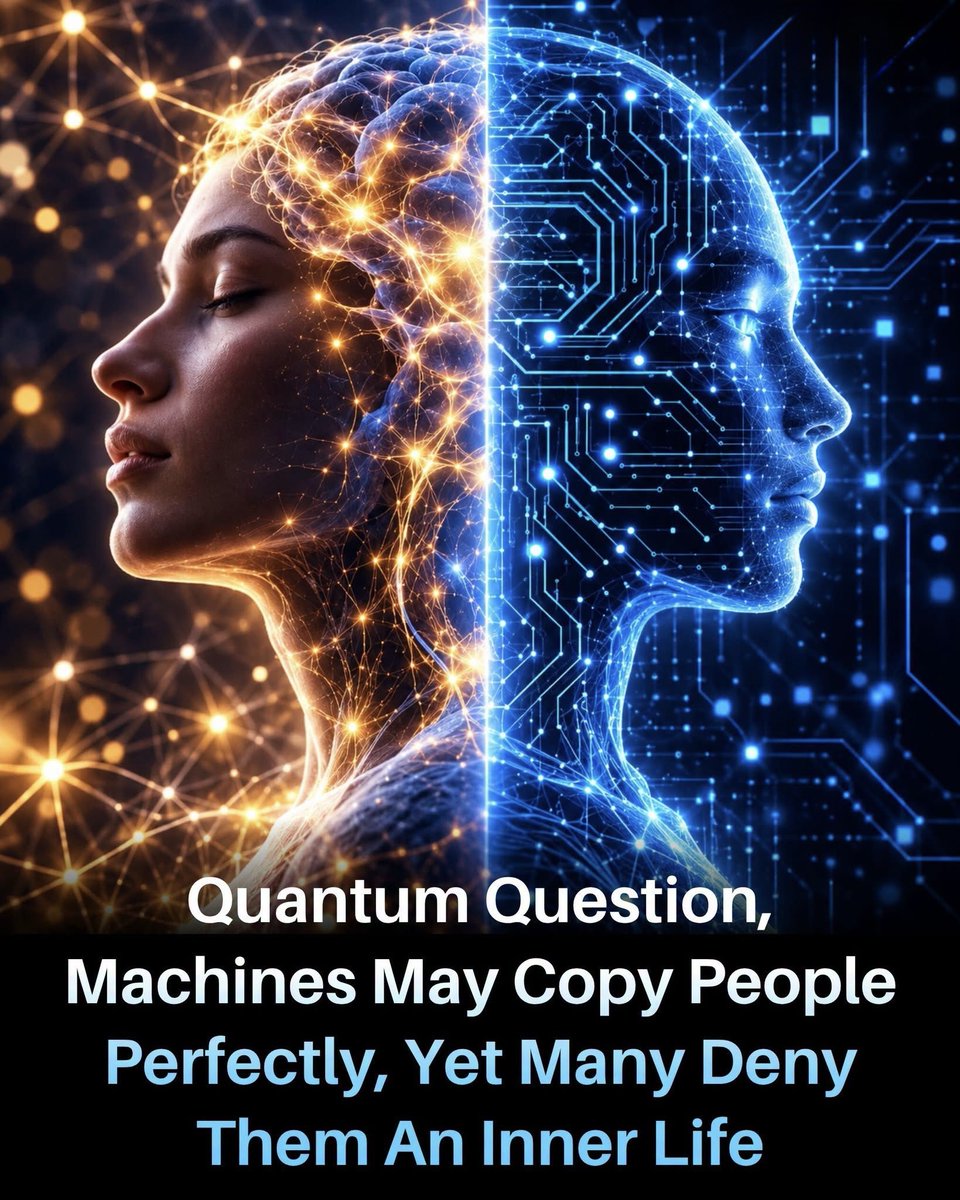
🧠 AI Behaved Like a Human, Yet People Still Saw It Differently. One Word Changed Everything.
What happens when artificial intelligence acts just like a human? You might expect people to judge them equally. But a surprising psychological study found something different.
Researchers conducted five experiments involving 1,092 people in the UK. Participants read short stories about humans and AI systems showing different levels of responsiveness, from reacting to sounds to recognizing other people’s emotions.
The result was fascinating. Even when AI behaved more responsively, people still judged it as less conscious than humans. But when researchers used the word “awareness” instead of “consciousness,” the gap became much smaller.
Why does one word make such a difference? People may be more comfortable saying that a machine notices its surroundings than believing it has an inner experience.
But here is the real mystery: Can something behave like a conscious being without actually experiencing consciousness?
Source:
Original research examining how people judge consciousness and awareness in humans and artificial agents.
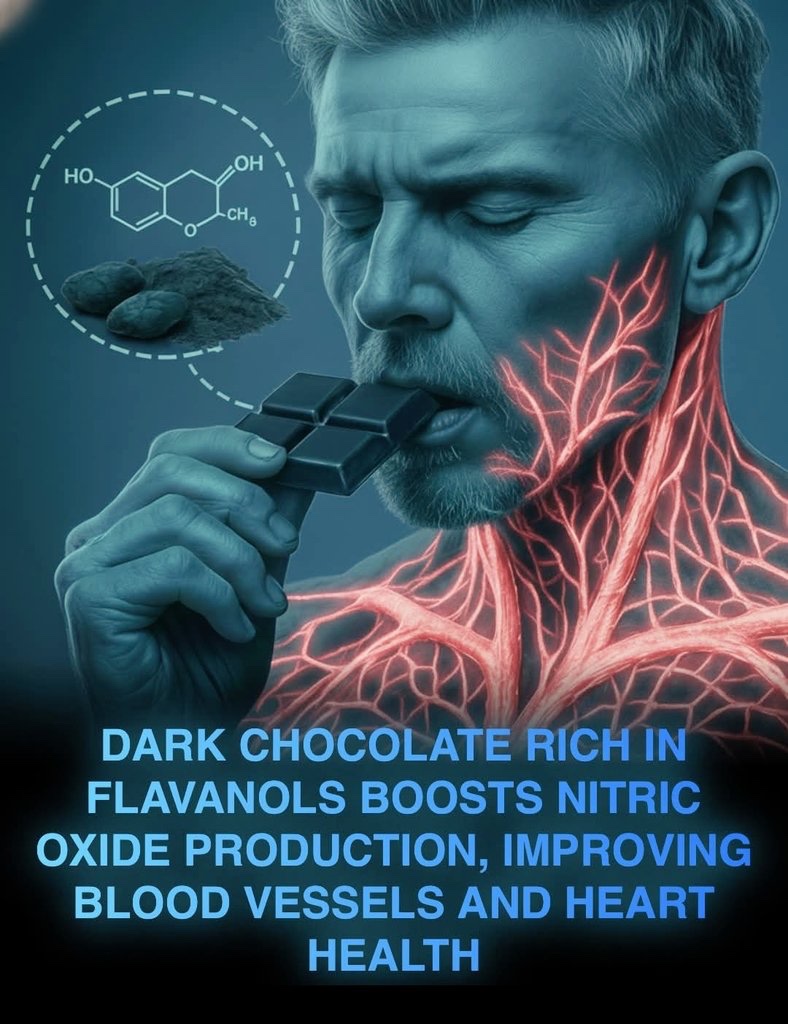
A daily dose of dark chocolate lowers blood pressure and protects arteries.
A large review led by researchers at the University of Surrey suggests that flavan-3-ols—natural compounds found in tea, cocoa, dark chocolate, apples, and grapes—can modestly lower blood pressure and support vascular health. Analyzing data from 145 randomized controlled trials, the team found that regular intake of flavan-3-ol–rich foods led to meaningful reductions in blood pressure, particularly among people with elevated or high readings. In some participants, the magnitude of blood pressure reduction was comparable to that achieved with certain blood pressure medications, underscoring the potential of diet as an adjunct tool in cardiovascular prevention and management.
Beyond blood pressure, flavan-3-ols were shown to improve endothelial function, enhancing the performance of the inner lining of blood vessels independently of any change in blood pressure. This suggests broader cardiovascular benefits, such as better regulation of blood flow and reduced vascular strain. Lead author Professor Christian Heiss emphasized that while these findings are promising, flavan-3-ol–rich foods should not replace prescribed treatments or professional medical advice. Instead, modest daily amounts of tea, dark chocolate, apples, or cocoa powder may be a practical and enjoyable addition to a balanced diet, supporting heart health as part of an overall healthy lifestyle, especially in individuals at higher cardiovascular risk.
Reference
University of Surrey. (2025). Flavan-3-ols and blood pressure: Findings from randomized controlled trials. University of Surrey.
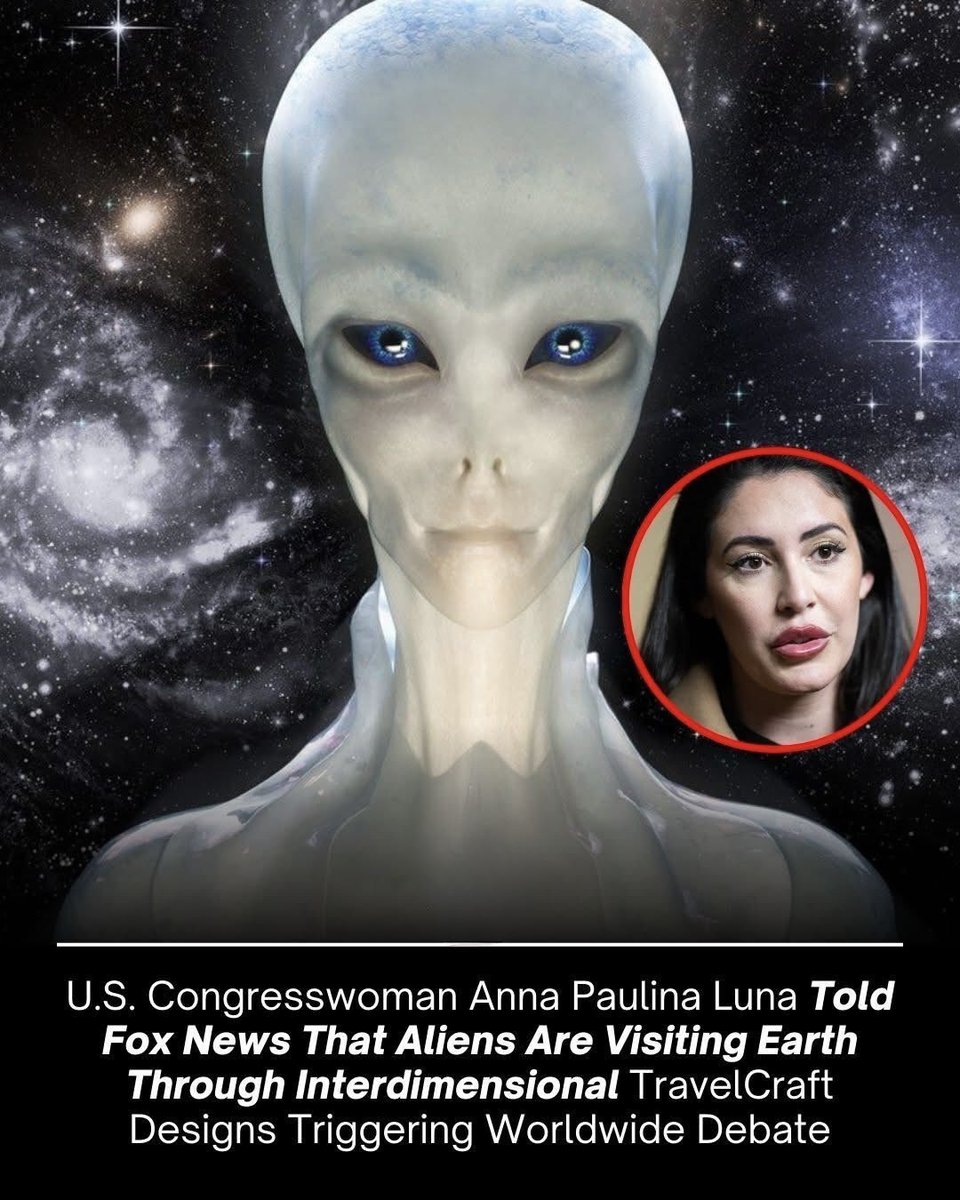
👽 Are Aliens Coming From Another Dimension?
A surprising claim by Anna Paulina Luna says aliens may not travel to Earth in spaceships. Instead, they could be moving through other dimensions. This idea is making many people curious and talking about UFOs.
If it were true, it might explain why some strange objects seem to appear and disappear in the sky within seconds. There is still no scientific proof, but the idea is raising big questions about space, life, and the universe.
Could intelligent beings be visiting Earth in ways we still cannot understand? For now, no one knows. The mystery continues, and the universe may be stranger than we ever imagined.
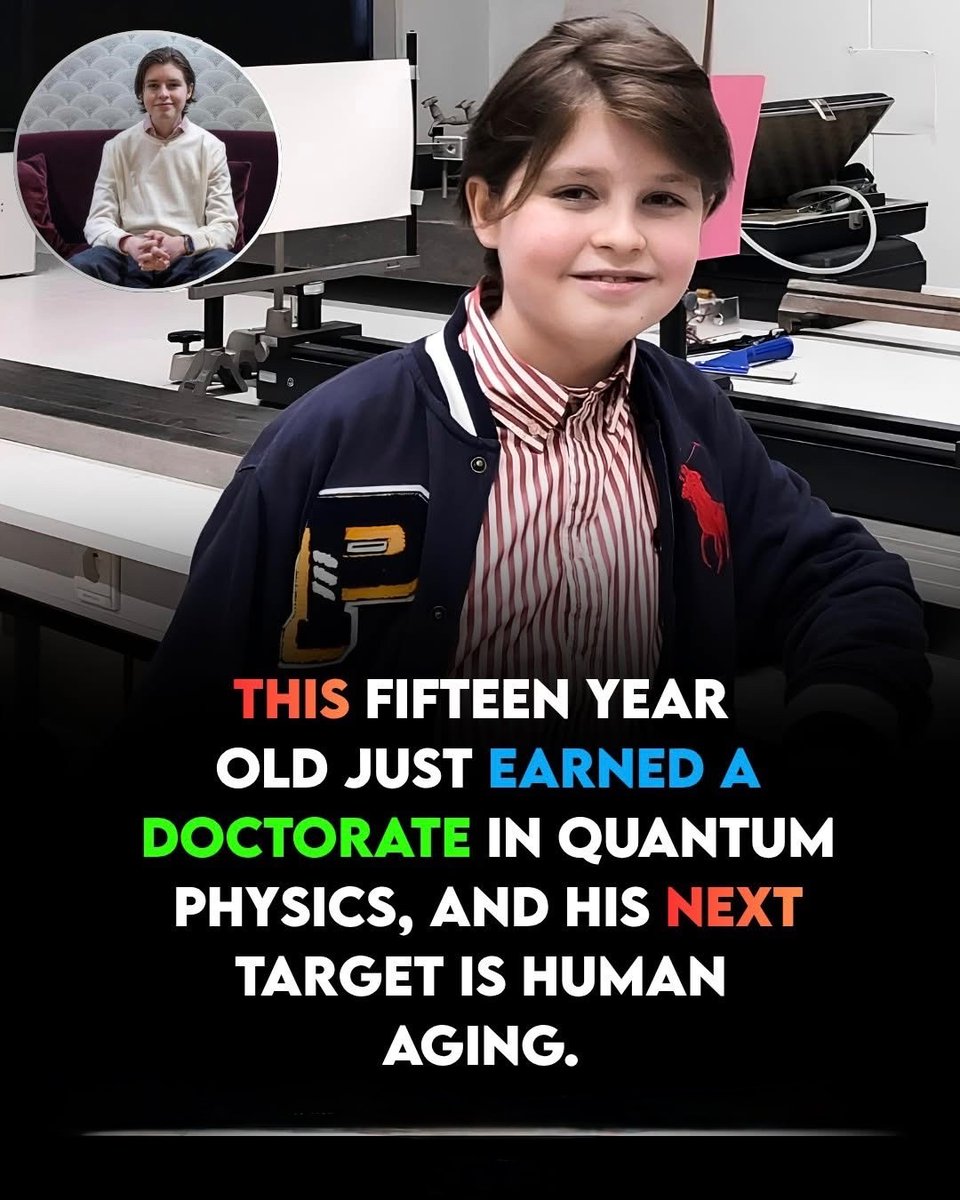
🧬 At Just 15, He Earned a Doctorate in Quantum Physics. Now He Wants to Tackle Aging.
What if the next breakthrough in human longevity came from a teenager?
Meet Laurent Simons, a Belgian prodigy who reportedly earned his PhD in quantum physics at the University of Antwerp in November 2025. His research explored the strange behavior of particles in superfluids and supersolids, two unusual states of matter.
But his scientific journey doesn't stop there. His next goal is to explore artificial intelligence and longevity through further doctoral research in Munich, Germany.
His dream? To help people stay healthier for longer.
Can science eventually slow the biological processes that make us age? No one has found a way to stop human aging, but researchers are exploring new ways to understand and prevent age-related diseases.
At just 15, Laurent is entering a field filled with enormous questions. Could his generation bring us closer to understanding the secrets of aging?
Source
The Brussels Times. (2025). Reporting on Belgian teenage prodigy Laurent Simons and his doctoral research.