Peter Eotvos, Evocative Modernist Composer and Conductor, Dies at 80
“Cosmonaut Yuri Gagarin’s flight into outer space in 1961 —‘the first major event of my life’— inspired him to write the piano work ‘Kosmos’ when he was 17.”
https://t.co/uIp2JwG78G
And oops from me also. In my haste I botched the second line. It should read:
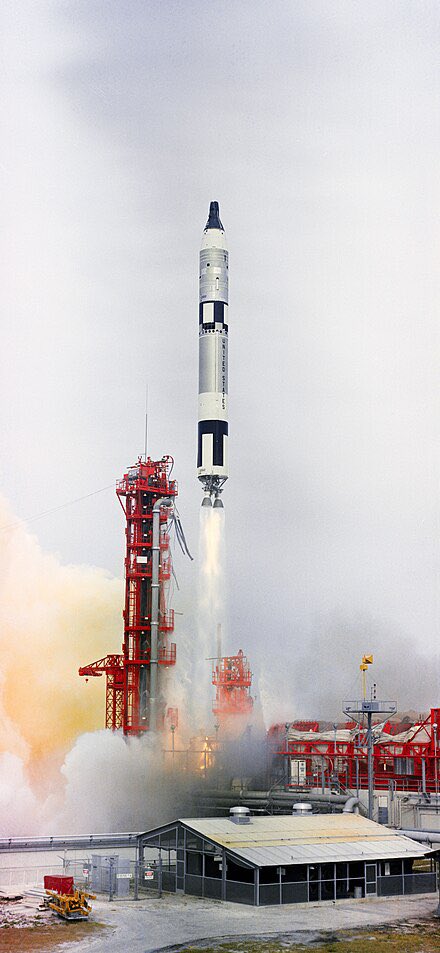
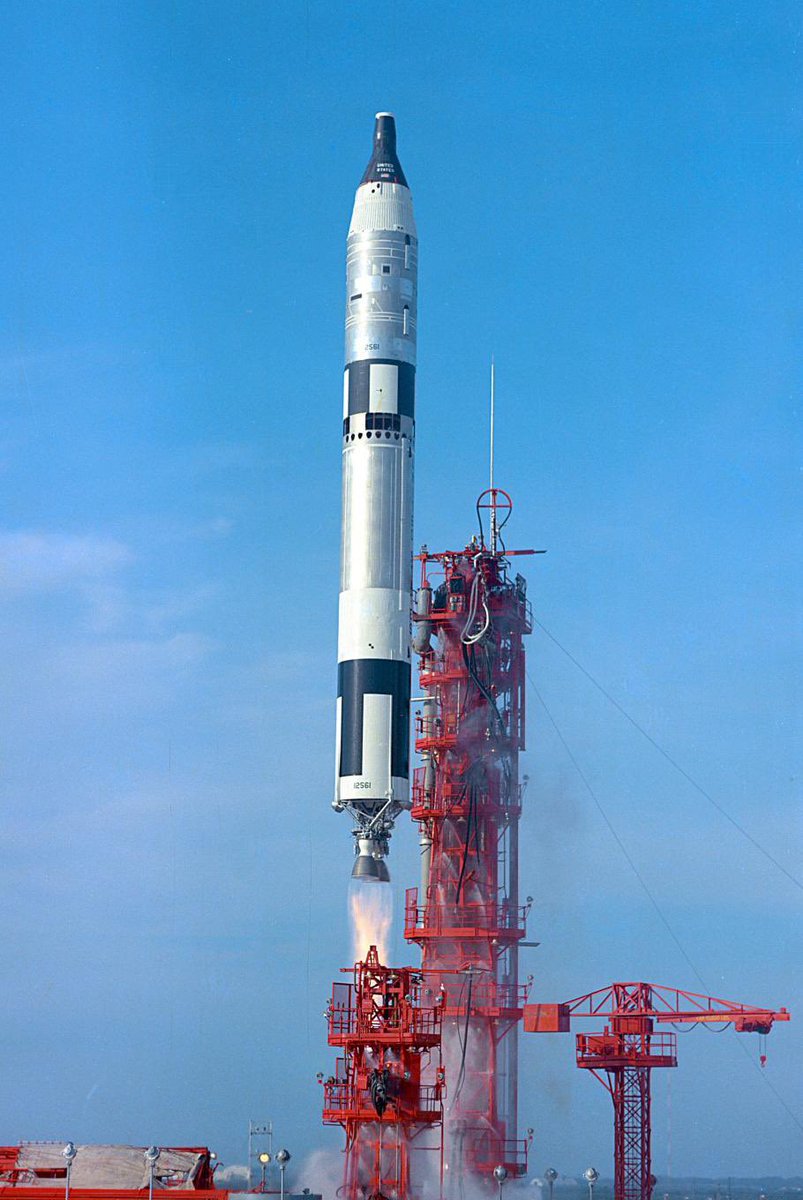
GT 7 left on Dec 4, ’65; GT 6A launched Dec 15, three days after the dangerous Dec 12 sudden shutdown.
Thanks.
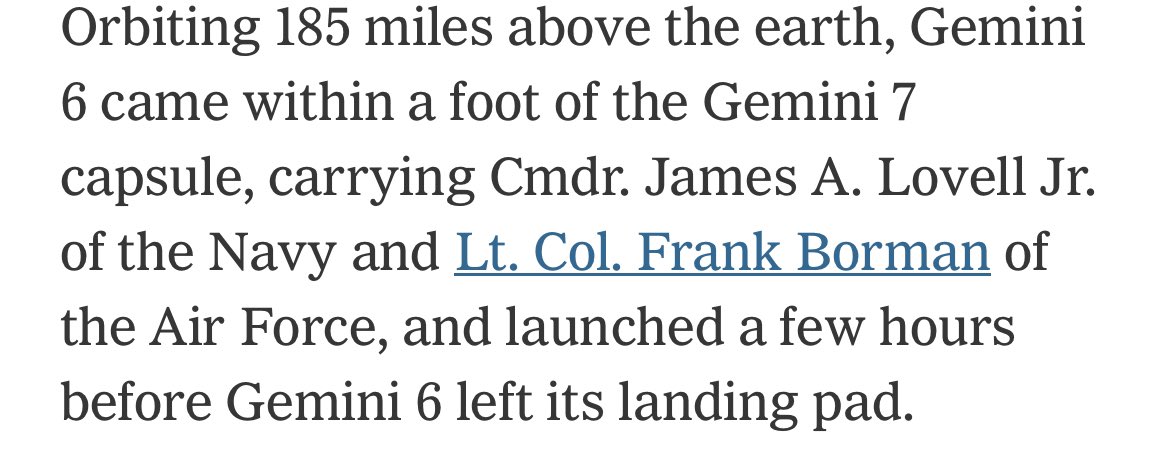
Huh? NYT’s Tom Stafford obit reports Gemini 7 was “launched a few hours before Gemini 6 left its landing pad.”
GT 6 left on Dec 4, ‘65; GT 6A launched Dec 15, 3 days after the dangerous Dec 12 sudden shutdown.
And what is its “landing pad”?
@nyttypos@wmcdonaldnyt@paxr55
The innovative turn-around schedule launches of GT 7 and GT6A in a few days was a risky labor intensive operation by the crews at Launch Complex 19 at Cape Canaveral. It would have been impossible to accomplish in “a few hours.”
Jane Pauley looks back at Newton Minow, a one-time chairman of the Federal Communications Commission, whose many accomplishments were overshadowed by the withering criticism he laid at the feet of commercial television in 1961. https://t.co/oq4Sk2oWQb
@SpitfireMarkIX@somogyianthony And anyone wanting to dig further into the transcript of the April 17, 1967 hearing may find this published transcript of interest.
https://t.co/9joNVmJTSU
April 17, 1967: Astronaut Frank Borman probably saves the future of the Apollo program on this day. On Capitol Hill, he joins Jim McDivitt, Donald Slayton, Wally Schirra and Alan Shepard to testify before the House Science & Astronautics Committee about the Apollo 1 fire. 1/6
@SpitfireMarkIX@somogyianthony There were multiple hearings on Capitol Hill. Mondale sat on the Senate committee. The House committee was where Borman’s “Are you confident in us?" speech occurred. Transcript PDFs are found here:
https://t.co/rRwi4cRiuu
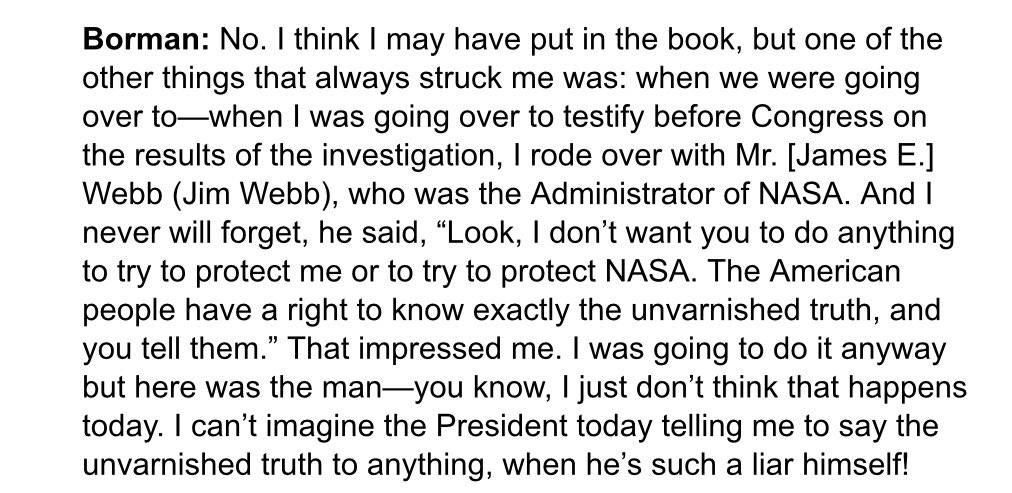
A footnote to this story. When Borman was traveling to testify on Capitol Hill, he rode in NASA Administrator James Webb’s famous Checker. Webb made one request.
From Borman’s NASA oral history:
A good day to recall a pivotal moment in Frank Borman’s NASA career which took place not in space but in a congressional meeting room in Washington DC.
Sadly it appears no film cameras recorded the moment.
(It was later somewhat fictionalized in “From the Earth to the Moon”.)
April 17, 1967: Astronaut Frank Borman probably saves the future of the Apollo program on this day. On Capitol Hill, he joins Jim McDivitt, Donald Slayton, Wally Schirra and Alan Shepard to testify before the House Science & Astronautics Committee about the Apollo 1 fire. 1/6
April 14, 1970: As Mission Control is dealing with the emergency on Apollo 13, astronaut Frank Borman takes an urgent call from Robert Gilruth, director of the Manned Spacecraft Center. “Vice President Agnew is on his way here. Can you do me a favor?” 1/4
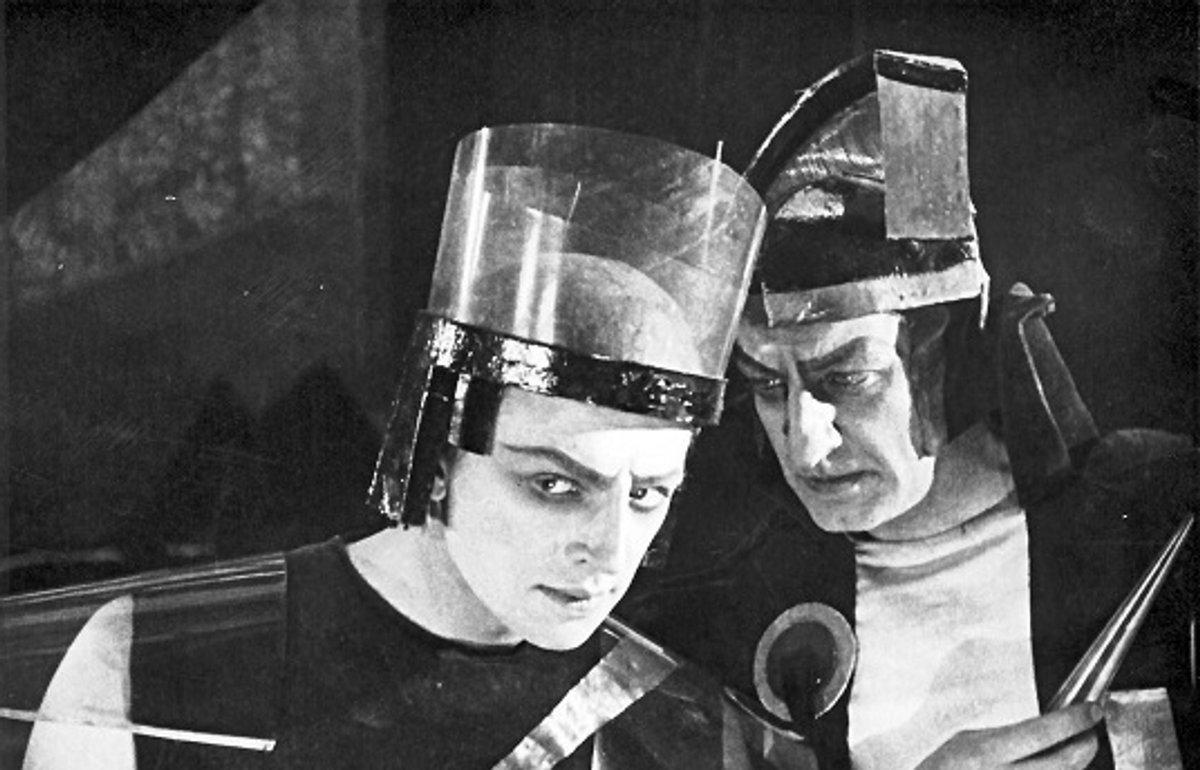
“Is Utopia Really Possible?” touches off a Soviet science fiction mania. By one count, 250 articles are published in Russian in the next decade on space flight, far more than in the U.S. A 1924 Soviet film “Aelita: Sunset of Mars” (1st tweet) imagines a trip to the planet. 2/2
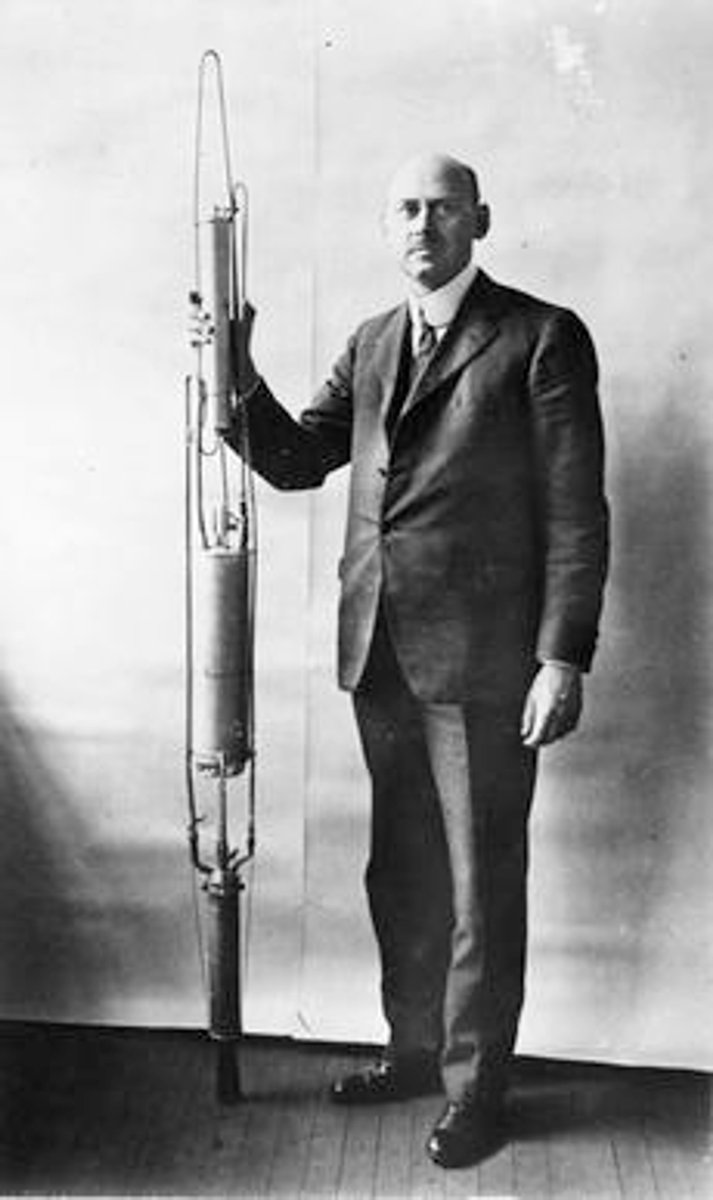
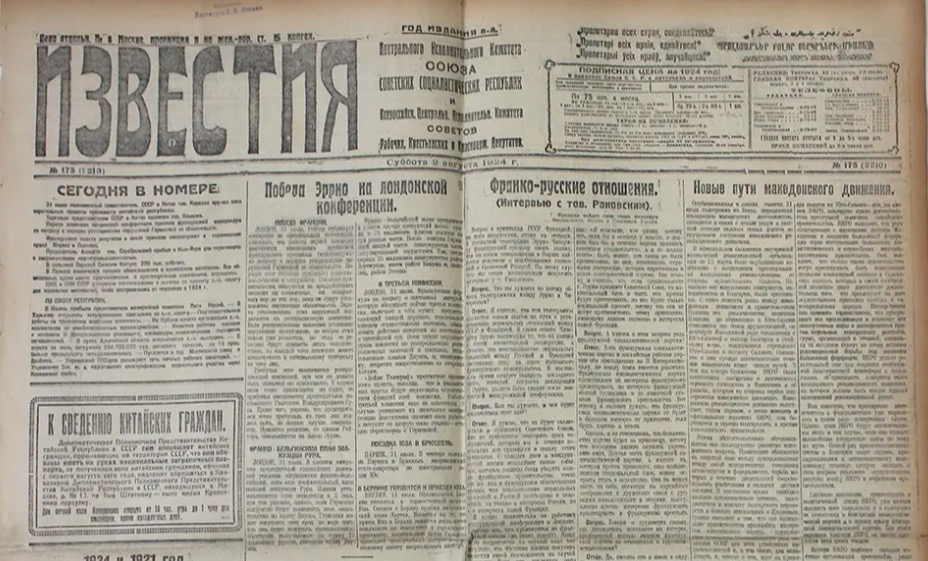
Oct. 2, 1923: An article titled “Is Utopia Really Possible?” appears in Russian newspaper Izvestia, promoting space travel to expand humanity’s horizons. The piece notes that U.S. scientist Robert Goddard’s rocket experiments provide a possible means to escape Earth’s orbit. 1/2
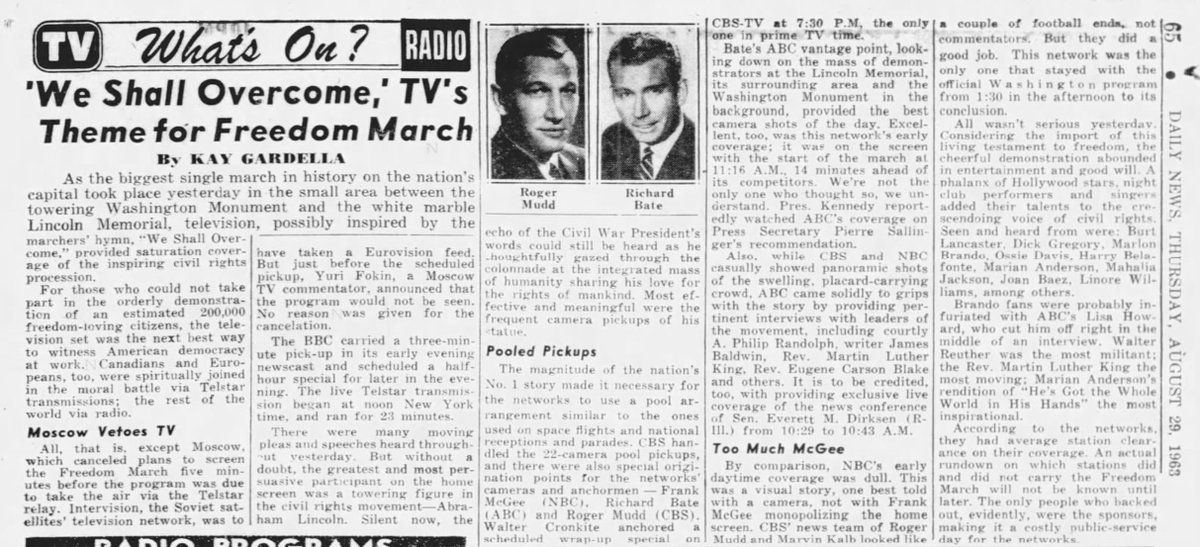
Telstar broadcast 23 minutes of live TV of the 1963 March on Washington to European networks. Soviet TV was to carry the live feed, but canceled it five minutes prior to broadcast.
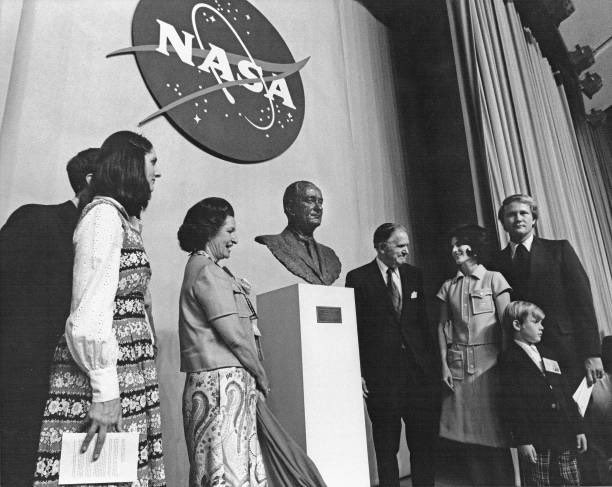
Members of former President Lyndon B. Johnson's family, including former US First Lady Lady Bird Johnson and NASA Administrator James E Webb pose with a bust of Johnson during a ceremony naming the Center in the honor of the former President in Houston, Texas.
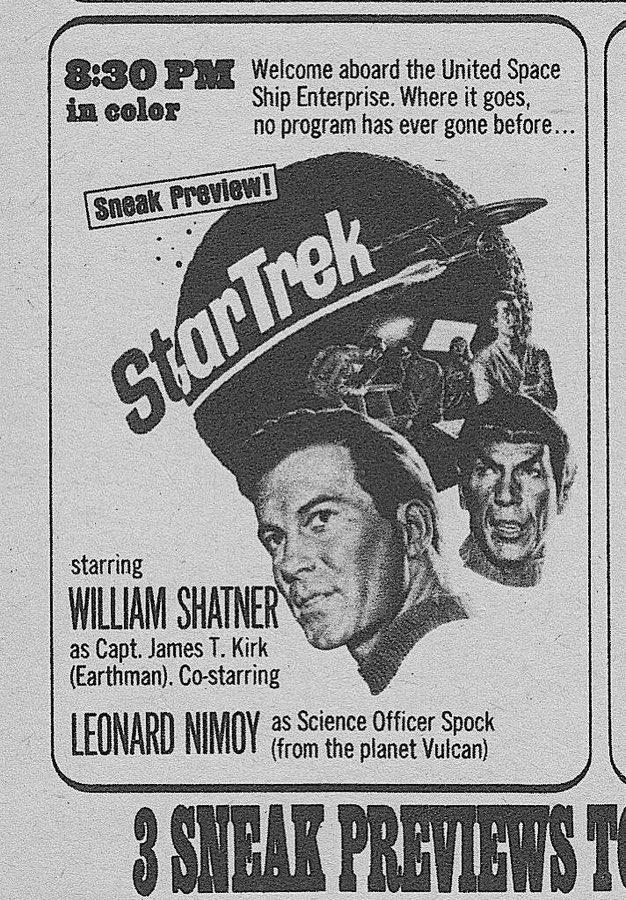
September 8, 1966: Four days prior to the launch of Gemini 11, NBC attempts to best their competition at CBS and ABC by premiering a new prime time space-themed dramatic series a week before its official announced premiere. Star Trek debuts with the episode "The Man Trap."