Pub Alert! Introducing new @Journal_of_Comm publication: “The persistence of toxic online messages influences perceptions of harm and attributions of blame”, by @ChasMonge@_nicmatthews and David C DeAndrea Read here: https://t.co/28PkKtyYBa
@ica_infosys@icahdq
Excited to share new work by Sam Bashian, @rachelbwade, Blue Lerner, and me.
We look at how anxiety coupled with medical jargon (think drs office) impact people's ability to pay attention to information. @OhioStateComm 👇
https://t.co/TeNMWzYcb4
Pumped to announce my latest work, now out at @Journal_Of_Comm. In it, we explore how message persistence changes the way people think about harm and blame when people do nasty things. Advance online pub (Open Access) here: https://t.co/3dYGRvZssP
Inspiring or demoralizing? Deservingness perceptions help determine why emerging adults experience positive or negative effects from envy-inducing social media posts https://t.co/8iw980w77u
📢How does side-taking influence perceptions and reactions to stories?📢In our latest issue, Nicholas L. Matthews, C. Joseph Francemone, C.K. Monge, Kaitlin Fitzgerald, Teresa Lynch, & Matthew Grizzard investigate this question. Read about their findings👉 https://t.co/76d5DjVuWq
📢How does side-taking influence perceptions and reactions to stories?📢In our latest issue, Nicholas L. Matthews, C. Joseph Francemone, C.K. Monge, Kaitlin Fitzgerald, Teresa Lynch, & Matthew Grizzard investigate this question. Read about their findings👉 https://t.co/76d5DjVuWq
New pub out w/ @_nicmatthews in New Media & Society. Over 3 studies, we present and describe “smurfing” as a “toxic?” behavior (emphasis on the question mark) in games and use smurfing to experimentally test competing claims in blame attribution theory. https://t.co/FMUbr47MHP.
How do we make sense of online toxicity? Over 5 studies and 7 experiments, we look at how people read the moral context of flaming, and how public flaming may (fail to) influence how other people feel about flamers and their targets. Now out at @ica_jcmc. https://t.co/w8TZW5u7p1
PubAlert! Introducing new @Journal_of_Comm publication: “A comprehensive experimental test of the affective disposition theory of drama”, by @MattGrizz , @JFrancemone , @RDFrazer, Kaitlin Fitzgerald, Charles K Monge, Christina Henry. Read here: https://t.co/dmJC4D1xUj
Dems and the vaccinated are more likely than others to believe anti-vaxxers who die from COVID-19 deserved their fate, a new study finds. But even 63% of Democrats thought an anti-vaxxer deserved to have a full recovery from the disease. @OhioStateComm https://t.co/VNmvvQJiaX
Did you notice a cool new button has been added to JASP? Our latest and exciting new feature, the R Syntax mode now allows you to access the underlying function call in R for your analyses!
Learn more about how to use R Syntax on our blogpost here: https://t.co/g4kk5v9sMN
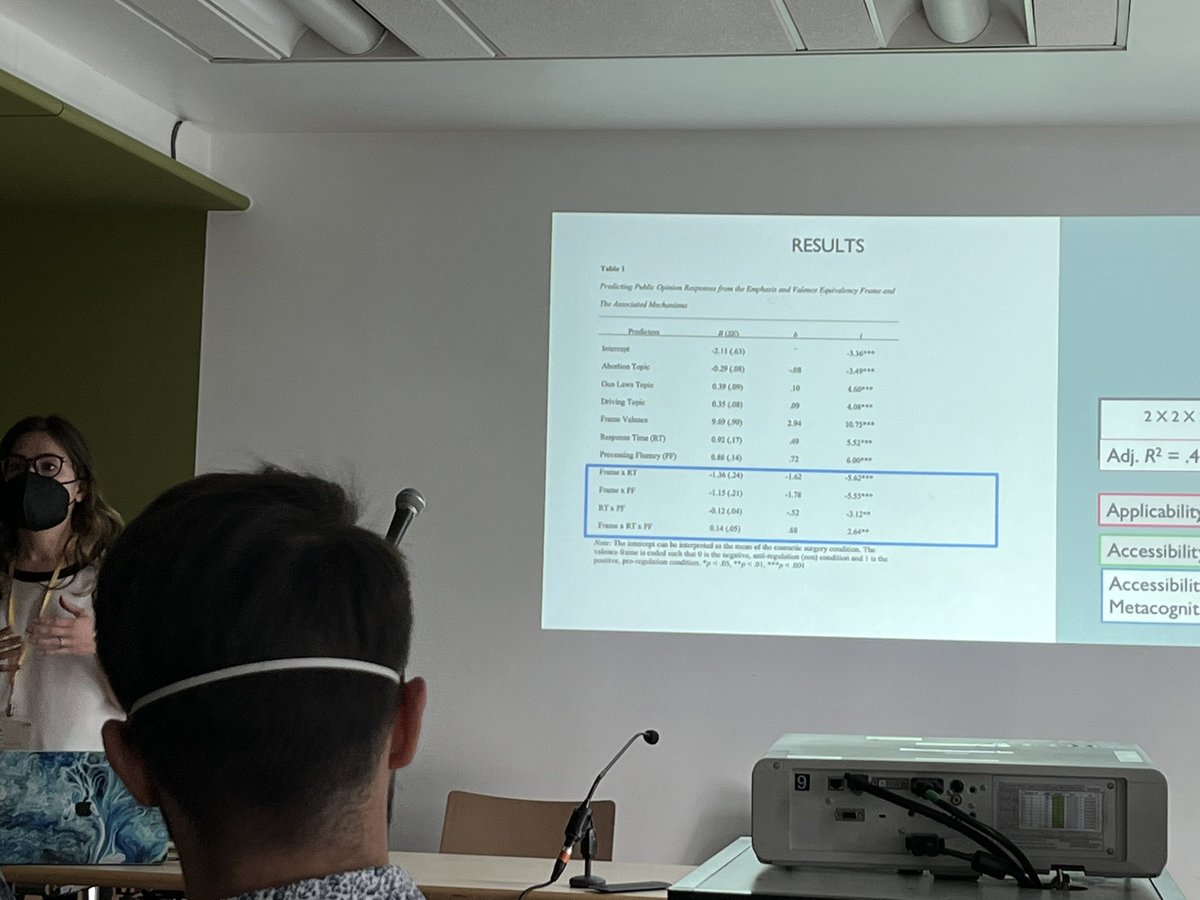
Had the opportunity to see @rachel_cbarry from @OhioStateComm present some hot experimental research that disentangles different types of framing by @hcshulman, @eliza_riggs12, Rachel Lopez, @ombullock, and Rae at #ICA2022. Excited to see where this integrative approach goes.
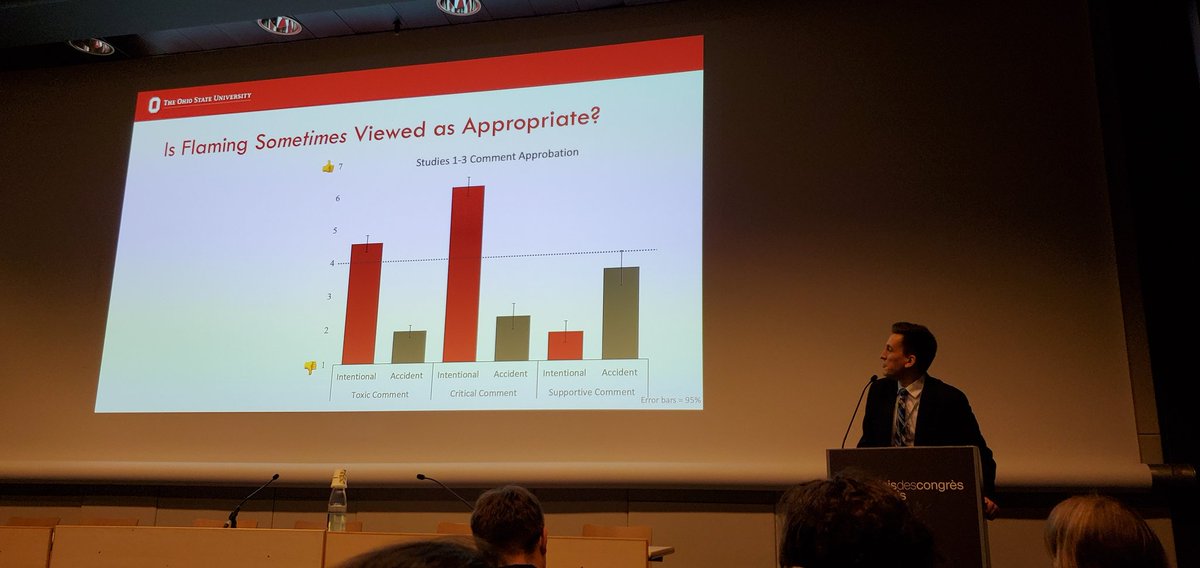
@ChasMonge from @OhioStateComm shares research showing what online flaming signals. Surprisingly, people morally approve of flaming under certain contexts #ica22
‘Flaming’ co-players in video games does not pay off: In Media Psych’s latest issue, @ChasMonge & Thomas C. O‘Brien present an experiment on the influence of toxic behavior in #LeagueofLegends on team & individual performance. 🎮 Read the full article at: https://t.co/v3qDMOgnQm
My grad cohort has had me thinking I need to work on my vocabulary, but I managed to conversationally use the term “hoi polloi” today, so yeah. The holiday is going great.
Our latest article examines toxic behavior in multiplayer online games. Monge & O’Brien (@ictrueblue) demonstrate a negative effect of opponents' flaming on player performance in League of Legends, regardless of player motivation level. Online first at https://t.co/UOD54biw9l