LEST YOU FORGOT
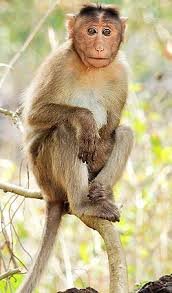
The Soko (also spelled Shoko or Tsoko) totem—meaning monkey or baboon (often linked to the baboon in particular)—is one of the oldest and most widespread totems (mitupo) in Shona culture, particularly among the Shona people of Zimbabwe and related groups.
Mythical Origins in Guruuswa
According to oral history, totemism itself began with the progenitor ancestor Mambiri (sometimes associated with early Shona or Karanga forebears) in the legendary homeland of Guruuswa (or Guruuswa)—a mythical place of tall grass located north of the Zambezi River, in what is now southern Tanzania (formerly Tanganyika).
Mambiri chose the Soko totem for his followers for two main practical and social reasons:
To prevent incestuous marriages (makunakuna) by enforcing exogamy (marriage outside one’s own clan/totem).
To establish a clear social identity and kinship system for the growing community.
This made Soko one of the foundational or “original” totems (often paired with Dziva in some accounts of early Shona/Karanga society). As the population expanded and strict exogamy made suitable marriages difficult within a single totem, a second major totem—Shava/Mhofu (eland)—was later adopted to allow intermarriage between the two groups while preserving the system.
Subdivision into Zvidawo (Subgroups)
As Shona communities migrated southward, settled in what is now Zimbabwe, and grew larger (linked to early movements such as those of the Mbire people), the original Soko lineage expanded and subdivided into multiple branches or zvidawo (sub-totems, praise names, or chidawo). These acted as clan-specific identifiers or honorifics while retaining the core Soko mutupo.
This subdivision helped maintain exogamy rules, distinguished lineages, and reflected local histories, leadership, and migrations. All branches share the common Guruuswa root, but they developed distinct identities tied to specific regions, roles, and ancestors.
Key examples from oral traditions and praise poetry (detembo) include:
Soko Mukanya (also linked to Vhudzijena, meaning “white-headed,” or sometimes Ncube) — often regarded as one of the earliest or “original” branches (ndiyo yekutanga), associated with spirit mediums (mhondoro), rainmaking, and sacred status. Killing a baboon/monkey was believed to stop rain, so Soko/Mukanya people were seen as rainmakers.
Soko Mbire (or Mhokore) — tied to the oldest migrating core and the founders of Mbire identity; linked to areas like Hwedza (Wedza) and early settlers.
Soko Murehwa — emerged from groups that settled in the Murehwa district.
Soko Kumene, Soko Matarira/Chirongo, and others — each with local histories, such as iron-smelting (vapfuri vemhangura) or rainmaking roles (vanaisi vemvura at sites like Matonjeni).
These are reflected in traditional Shona praise poetry (detembo) for the Soko totem, which praises traits like ingenuity, cleverness, agility, and social astuteness (modeled on the monkey/baboon) while naming specific lineages, origins from Guruuswa, and ancestral figures like VaPfumojena or Soko Mbire yaSvosve.
Cultural and Symbolic Significance
The totem embodies monkey/baboon characteristics: intelligence, adaptability, quick-wittedness, playfulness, and resourcefulness. Clan members historically avoided eating monkey/baboon meat and, in some branches, protected them as sacred animals.
Soko remains common across Shona society today and extends to some related groups (e.g., associations with Ncube among Ndebele-influenced communities). It continues to shape identity, kinship, marriage rules, and oral history.
In summary, the Soko totem’s history reflects the early formation of Shona society in Guruuswa, its role in establishing social order through exogamy.
There is no logic when it comes to God's love. He leaves the 99 to find the one that is lost.' It's okay to be weak, vulnerable, humble and allow the grace of God to touch you. Nothing can separate us from the love of God.
This lady is exposing Bill Gates
“Bill Gates is not a philanthropist because he gives a small amount of money to take control of entire sectors.”
A renowned scholar explaining Bill Gates is nothing but a very greedy corporate tycoon with no ethics.
Must watch👇