Polish Foreign Minister Radosław Sikorski at the UN Security Council:
🗣 "To the representatives of the Russian Federation, I have this to say: You have been trying to conquer Donbas for over twelve years and Kyiv for over four. You have been stopped by heroic Ukraine, a country with one-tenth of Russia's GDP. But Poland has almost half of your GDP. Europe has 10 times your GDP. NATO has 25 times your GDP. You can still kill a lot of people, but you cannot win. You can stop this imperial war of choice at any time. Don't endanger Europe and the world any further. Stop destroying Russia's future. Sergey, I know you're listening. Tell your boss: 'enough is enough.' Thank you."
Please share the information about Oleshky everywhere you can!
Russia is starving residents of the town and nearby villages by denying food supplies and evacuation. People in Oleshky need help, or else they won't survive the winter!
“What is the purpose of our defence policy?”
“To defend Britain!”
“No Bernard. It’s to make people believe Britain is defended”
“The Russians?”
“No, the British. The Russians know it’s not defended”
Long-time Ukrainian journalist Dmitri Gordon says that within the next two weeks, the Ukrainian military will inflict a catastrophe upon Russia of scale of enormity that it will unite all Ukrainians and "give us wings"
"They are fucked", he predicts.
Thank you, @PrimeministerGR Kyriakos Mitsotakis, for your warm Independence Day message and Greece’s steadfast support. At the heart of the Greek word “democracy” are the people and their power to decide. Ukraine is defending exactly this right today — to choose our own future, free from aggression and coercion. We deeply value Greece’s principled stance that borders cannot be changed by force. Upholding this principle today requires increasing pressure on Russia and making the cost of its aggression ever higher until it ends this war. Grateful to Greece and its people for standing with Ukraine.
La nouvelle est passée presque totalement inaperçue dans les médias français, en raison du Mondial de foot et des incendies : l’intelligence artificielle a réussi à déchiffrer entièrement un rouleau de papyrus carbonisé d’Herculanum, aussi fragile que de la cendre de cigarette, sans le dérouler et sans même y toucher ! On y a découvert un traité philosophique sur le stoïcisme. Il a fallu des trésors d’ingéniosité et de technologie pour parvenir à ce résultat. Le rêve est donc devenu réalité : bientôt, on pourra lire en un temps record les centaines de rouleaux de cette bibliothèque calcinée par le Vésuve il y a 2000 ans, et la littérature gréco-latine s’enrichira d’autant de textes inédits, de nouvelles tragédies ou épopées peut-être. Dans cet été déprimant, voilà un vrai rayon de lumière. Vive la science !
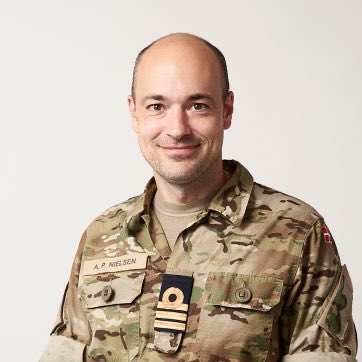
In his latest video, Danish military analyst Anders Puck Nielsen delivers a stark message about the future of European defense:
Europe does not need armies that can instantly defeat Russia, but ones that can survive the opening shock of a high-intensity war.
The era of Western militaries relying on small, expensive high-quality forces and maneuver warfare is over.
For decades, Western defense planning focused on expeditionary warfare, banking on superior quality and rapid maneuver to avoid attritional grinds at all costs. As Anders Puck Nielsen points out, that approach is obsolete in a high-intensity war against a peer adversary like Russia. Attritional warfare will dominate from the very beginning, and European armies must be structured to survive that opening blow.
In this new environment, mass matters just as much as quality. The military that enters the war will not be the same military that finishes it, because the initial force will suffer massive losses and have to be replaced. Europe does not need a pristine peacetime army designed to defeat Russia in a single decisive battle. It needs an armed force built for endurance: one that can survive the first phase, absorb heavy losses, and rapidly scale up production to rebuild itself for the long fight.
Unmanned systems will be crucial to preserving precious manpower during that devastating opening phase. However, as Nielsen notes, drones cannot completely replace traditional armor. Infantry still needs the protection of tanks, armored personnel carriers, and infantry fighting vehicles to survive on a transparent battlefield.
At the same time, defensive measures alone will never be enough. Russia's growing deep-strike capabilities pose an existential threat that air defense alone cannot solve. Europe must develop and scale up its own long-range strike capacity to hit back into Russian territory at scale and degrade their war machine.
This shift also reshapes the naval domain. Massive, expensive frigates may no longer make as much sense for contested narrow seas like the Baltic during the opening phase of a conflict, even if they remain useful for expeditionary roles.
Old systems are not suddenly obsolete, but their role is changing. As Nielsen emphasizes, Europe must embrace mass, adaptation, cheap production, and rapid innovation
Petraeus: The death zone in Ukraine extends 35 kilometers on either side of the front lines — defined by drone battery life. Tanks can't survive. Armored vehicles can't survive. Nothing can.
Neither side even drives vehicles anymore. Russians keep trying and keep proving it.
Petraeus: No trenches — drones fly through. Soldiers in survivability positions hundreds of meters apart, not mutually supporting. Resupplied by ground robots.
Commanders can't visit the front line. Soldiers stay 60+ days. In urban areas, some couldn't be extracted for months.
Petraeus: Russian advances mean individual soldiers running forward trying to dig in. Drone units pick them up immediately, cycle surveillance drones, then FPV attack drones arrive.
You see them hitting around the soldier in the woods until one connects. It doesn't end well.
Petraeus: Ukraine is about to isolate Crimea. Gasoline so short they won't sell it to civilians. Tourists who came for beaches are trying to get home any way they can.
Kerch Bridge rail no longer works. Ferries knocked out. Land bridges destroyed. Pontoon bridges now targeted.
Petraeus: Ukraine took down Russia's air defenses steadily. Russia pulls them to Moscow — vulnerabilities open everywhere else. Moscow refinery hit three nights running, out at least six months.
They're going after fuel storage, refineries, gas lines from Siberia to the west.
Petraeus: Real prospect now that Putin might need a cessation of hostilities himself. Oil sanctions reimposed, national welfare fund running out of money.
Crimea isolated, front lines cut off, economy crushed — all of this could force Putin to recognize he should end this war.
Source: text of Tymofiy Milovanov
"Russia is not going to end this war because of economic complexities.
It's not going to end this war because of the death of Russian soldiers.
It is going to end this war if the population turns against it."
- Alexander Stubb
President of Finland
Time is ticking..⏰️
(Clash report)
russian panic factory wants diplomats in Kyiv scared, divided and packing. Instead, we are very much here — having coffee between meetings at a café just hit on Sunday, with no windows or doors, but still open. Ukrainians do not rattle easily. Neither do their friends ✌️
Alice Weidel: "I personally consider the war waged by Ukraine to be high security risk for Germany. You can’t keep poking big bear in the eye with hot iron, like drone attack deep into Russia, and expect nothing to happen."
What a vile Russian shill. She lacks basic cognitive ability to remember that Russia started this war, Russia invaded Ukraine, and Russia is deliberately poking itself in the eye with hot iron every single day instead of just going home.
Alice wants you to believe that imperial invasion is fine, but self-defense is wrong. Reject this Kremlin mouthpiece, dear Germans, do not vote for her!
It certainly cannot be called a coincidence that one of the longest massive Russian attacks against Ukraine takes place precisely at the time when the President of the United States arrived for a visit to China – a visit from which much is expected. In this difficult geopolitical moment, Russia is clearly trying to disrupt the overall political atmosphere and draw attention to its evil – seeking to do so at the expense of Ukrainian lives and Ukrainian infrastructure.
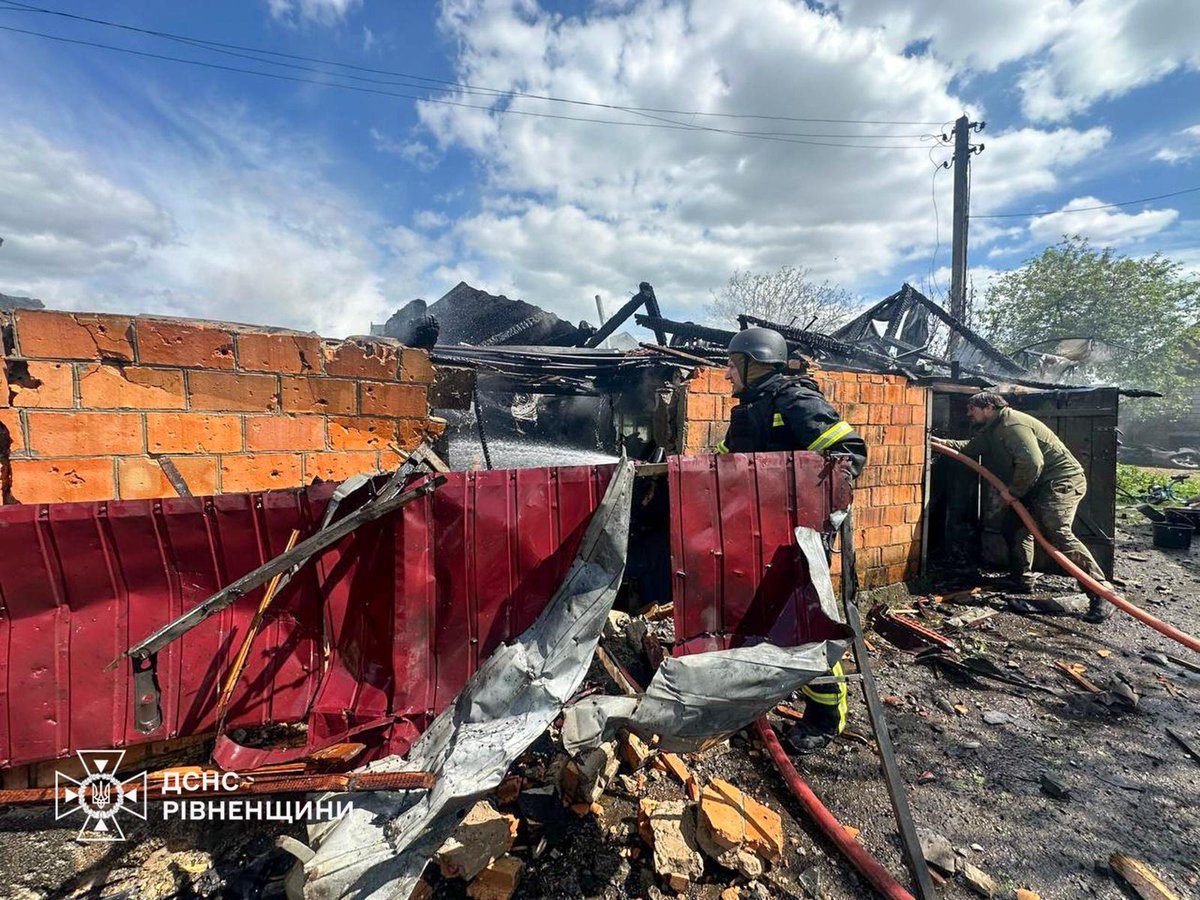
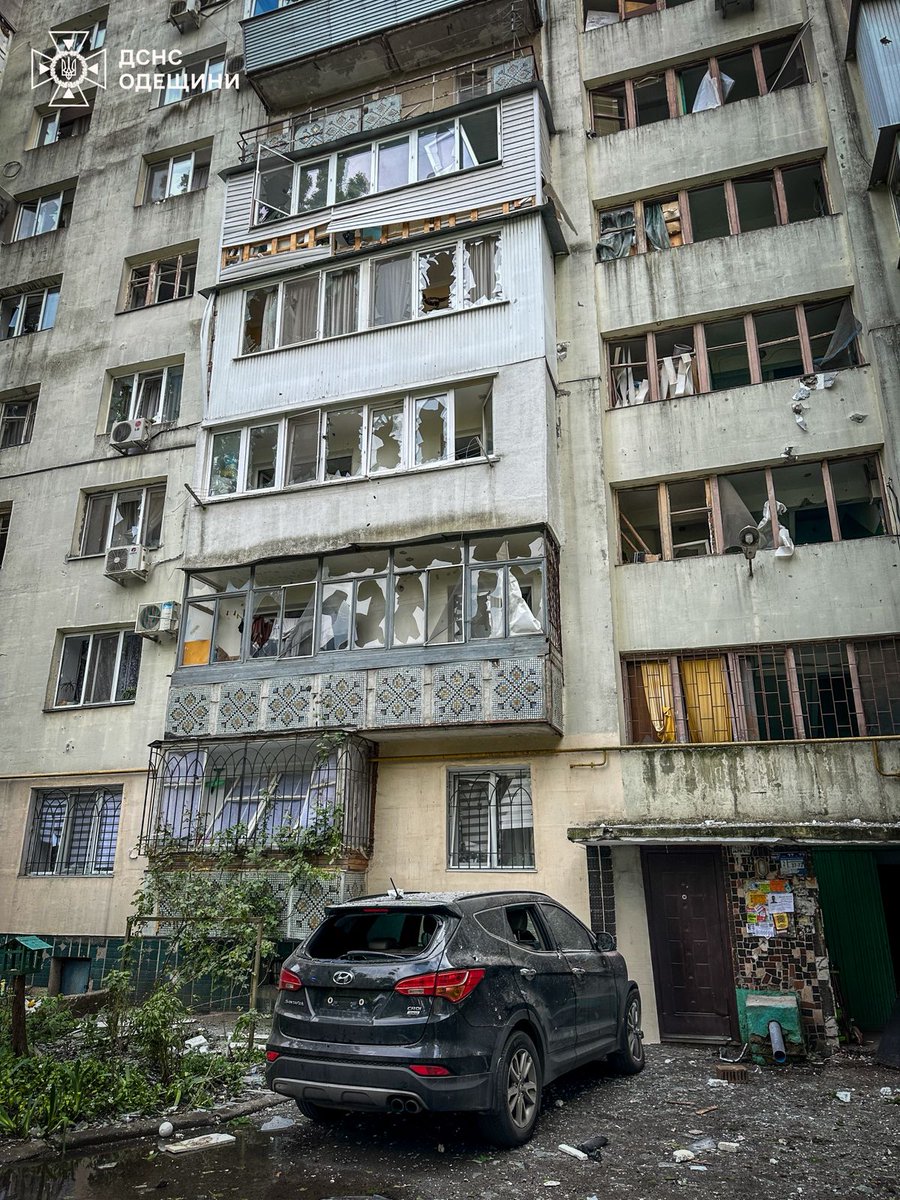
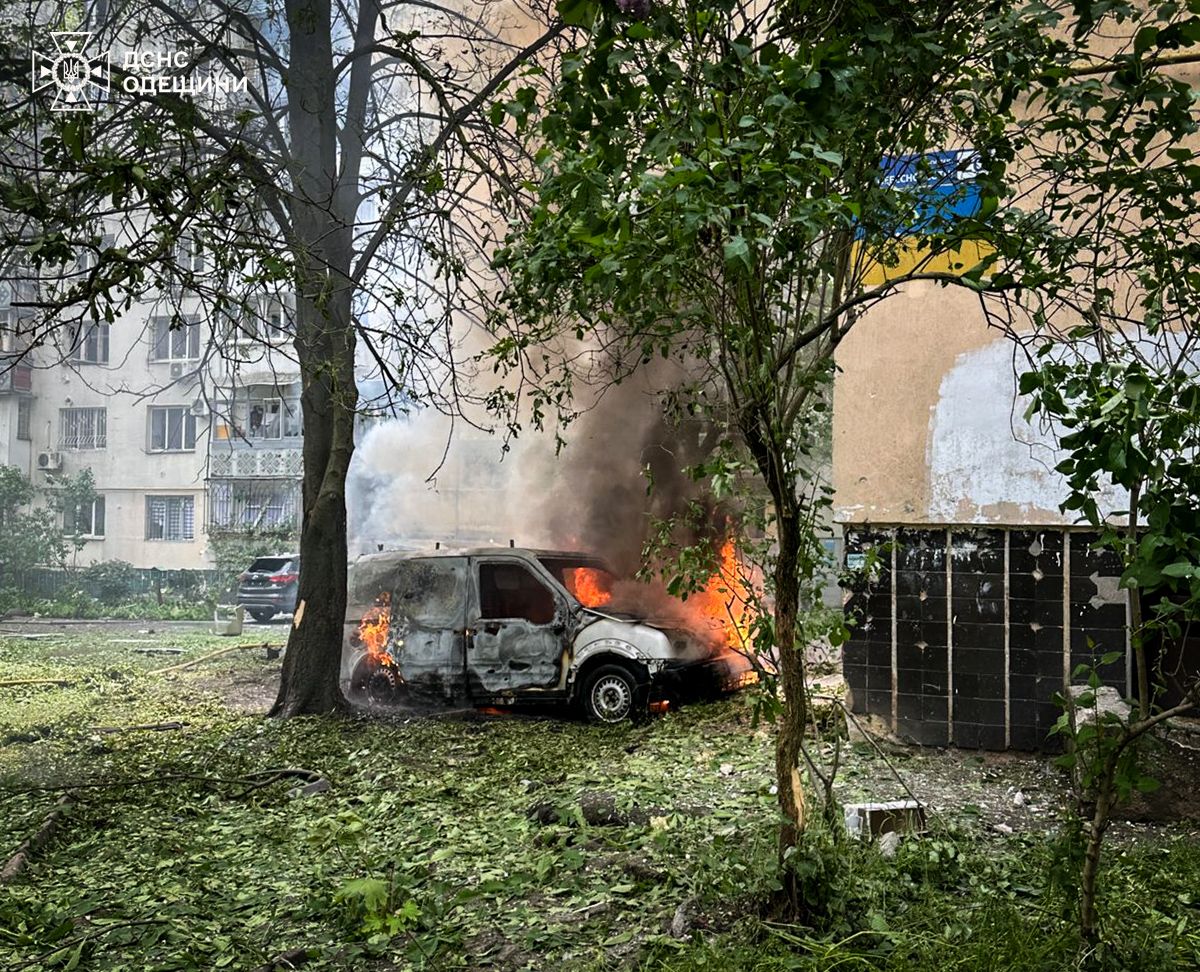
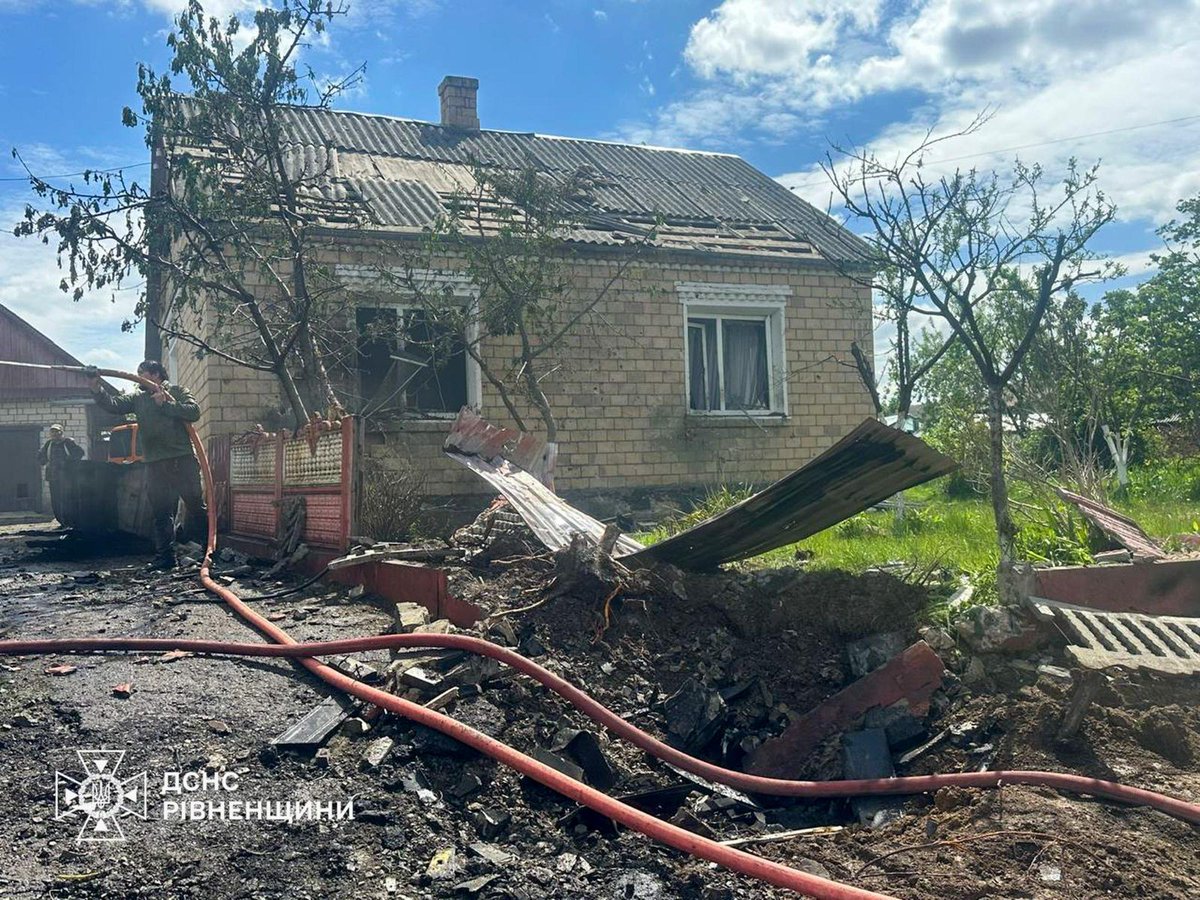
Throughout the entire day today, the Russians have been launching waves of “shaheds” against our regions – and, in particular, deliberately targeting regions closest to the borders of NATO countries. Hits have already been recorded in Zakarpattia, Lviv region, Volyn, as well as in Ivano-Frankivsk and Rivne regions. Unfortunately, there are also hits in many of our other regions – Vinnytsia, Chernivtsi, Khmelnytskyi, Dnipro, Kirovohrad, Zaporizhzhia, Zhytomyr, Kyiv, Mykolaiv, Odesa, Sumy, Cherkasy, Kharkiv, and Kherson regions. As of now, dozens of people are reported injured, including children. Sadly, six people have been killed. My condolences to their families and loved ones. Since midnight, at least 800 Russian drones have already been launched, and the attack is ongoing, with additional drones entering our country’s airspace.
According to our intelligence, after all the waves of drones, missile launches against Ukraine are also entirely possible. Our warriors are defending Ukraine, but Russia’s obvious aim is to overload air defense systems and inflict as much grief and pain as possible specifically during these days. It is important that the world does not remain silent about this. It is important that Russia’s true intentions are made clear to leaders and countries. It is important to apply real pressure on the Russian aggressor so that this terror is brought to an end. All services are currently engaged in dealing with the consequences of the strikes. Please pay attention to air-raid alerts. I am grateful to every partner who stands with Ukraine!
Drone Motherships: Όταν το Φθηνό Γίνεται Επικίνδυνο
Η Ρωσία επιβεβαίωσε αυτό που πολλοί θεωρούσαν λογικό επόμενο βήμα: τη χρήση φορέων-drones για την εκτόξευση οπλισμένων τετρακόπτερων FPV βαθιά μέσα στον αντίπαλο χώρο.
Σύμφωνα με τον Serhii Beskrestnov, σύμβουλο του Υπουργού Άμυνας της Ουκρανίας και ειδικό σε θέματα ηλεκτρονικού πολέμου, ένα FPV με πολεμική κεφαλή εντοπίστηκε στη στέγη πολυκατοικίας σε απόσταση άνω των 30 χιλιομέτρων από τα ρωσικά σύνορα. Ο φορέας: το Gerbera.
Το Gerbera είναι ένα ρωσικό drone κατασκευασμένο από αφρώδη υλικά, σχεδιασμένο αρχικά ως χαμηλού κόστους δόλωμα για να κορεστεί η ουκρανική αεράμυνα κατά τη διάρκεια επιδρομών Shahed, εκμεταλλευόμενο την οπτική ομοιότητα με το ιρανικής σχεδίασης πλήγμα. Η εμβέλεια του κυμαίνεται από 300 έως 600 χιλιόμετρα, ανάλογα με τη διαμόρφωση του φορτίου.
Από την πρώτη τεκμηριωμένη χρήση του ως φορέα FPV τον Φεβρουάριο του 2026, η πλατφόρμα εξελίσσεται με ρυθμό που αξίζει προσοχής.
Η λογική του συστήματος είναι απλή και αποτελεσματική. Τα FPV έχουν συνήθως περιορισμένο βεληνεκές, γύρω στα 60-65 χιλιόμετρα. Ένας φορέας μεγαλύτερης εμβέλειας τα μεταφέρει πέρα από τη ζώνη πρόσβασης, τα απελευθερώνει, και το FPV συνεχίζει στον στόχο. Στην ίδια λογική, η Ρωσία τοποθετεί FPV και κάτω από τις πτέρυγες αναγνωριστικών Orlan-10, επαναχρησιμοποιήσιμων πλατφορμών με εμβέλεια έως 120 χιλιόμετρα.
Η Ουκρανία δεν απέχει: ανέπτυξε το δικό της σύστημα FP-1 για επιθέσεις σε στόχους στην Κριμαία.
Η κλίμακα είναι αυτή που αλλάζει τη στρατηγική εκτίμηση. Η Ρωσία αναμένεται να παράγει πάνω από επτά εκατομμύρια FPV drones το 2026. Ακόμη και αν μόνο ένα μικρό ποσοστό αξιοποιείται σε παραμέτρους φορέα, ο πολλαπλασιαστής επίδρασης είναι σημαντικός. Το Forbes είχε σημειώσει ήδη από τον Φεβρουάριο ότι ενώ το Gerbera μεταφέρει μόνο ένα FPV λόγω περιορισμένης ωφέλιμης δύναμης, το ίδιο δόγμα, εφαρμοσμένο σε μεγαλύτερα Shahed, θα μπορούσε να επιτρέψει τη μεταφορά οκτώ ή περισσότερων.
Το ερώτημα για τις ευρωπαϊκές δυνάμεις και τα στρατηγικά επιτελεία του ΝΑΤΟ δεν είναι αν αυτή η τακτική θα μεταφερθεί σε άλλα θέατρα. Η μεταφορά είναι μαθηματικά βέβαιη. Το ερώτημα είναι αν τα υφιστάμενα συστήματα αντιαεροπορικής άμυνας και ηλεκτρονικού πολέμου έχουν τη δυνατότητα να αντιμετωπίσουν ταυτόχρονες και ετερογενείς απειλές σε πολλαπλά επίπεδα ύψους, με φορείς και φερόμενα να πετούν διαφορετικές διαδρομές. Ο αριθμός 30+ χιλιόμετρα από τα σύνορα, σε στέγη πολυκατοικίας, δεν είναι μια τακτική ανωμαλία, είναι πιλοτική δοκιμή.
Μήπως το πραγματικό πρόβλημα δεν είναι το drone αυτό καθεαυτό, αλλά η έλλειψη ενός νέου δόγματος αστικής αεράμυνας που να λαμβάνει υπόψη τη διαβάθμιση απειλών σε φθηνά, σύνθετα και ετερογενή συστήματα;
Πώς αξιολογείτε την ετοιμότητα των ευρωπαϊκών δυνάμεων να αντιμετωπίσουν αυτή την εξέλιξη;
#DroneWarfare #FPVDrones #Gerbera #UAV #NATODefence #EuropeanSecurity #HybridWarfare #ElectronicWarfare #Ukraine #MilitaryTech
Can Ukraine 🇺🇦 reverse the trend?
My latest article on the subject traces the evolution of drone use, Ukraine's new strategy (organization, troop deployment, fortifications), and the situation on the front lines.
Read it in the article published here :
L'armée française 🇫🇷 rattrape rapidement son retard dans les drones
Voici ce qui me semble essentiel par rapport au retour d'expérience d'Ukraine 🇺🇦 :
🔹️Constituer une petite réserve de 100 000 FPV à 1 500€ max (il ne sert à rien d'en avoir plus, ils seront vite obsolètes), déployer ces drones dès aujourd'hui en OPEX.
🔹️Disposer d'une industrie capable de produire rapidement des millions d'exemplaires en cas de conflit
🔹️Ne pas créer d'unités 100% drones mais intégrer dans chaque division/brigade/bataillon une section ou un régiment de dronistes (reconnaissance et frappe)
🔹️Former des milliers d'experts qui doivent être capable eux-mêmes de former un grand nombre de soldats en cas de conflit
🔹️Déployer des drones FPV et de reconnaissance dans tous les exercices, faire peser une menace constante à chaque échelon lors de ces exercices pour forcer leur adaptation.
🔹️Développer les drones intercepteurs pour économiser notre défense anti-aérienne. Déployer ces drones partout et sur les navires.
🔹️Développer des capacités de frappes moyenne et longue portée, à bas coût (exemple Shahed ou Fire Point)
🔹️Camoufler, disperser, protéger tous nos moyens. L'ensemble des avions doivent disposer de hangars, lors des exercices, être invisible doit être une nécessité, installer des filets anti-drones est crucial.
🔹️Installer des cages autour de nos blindés (même si c'est visuellement horrible). Au minimum avoir la capacité d'installer ces moyens anti-drones.
🔹️Revoir notre artillerie (disposer de capacités pour creuser un grand trou et y enfouir nos canons, protégés par des filets anti-drones.
🔹️Développer les drones navals (une frégate ou un PHA pourrait servir de navire mère pour une dizaines de drones navales, un sous marins pourrait déployer des mini-sous marins au plus prêt d'un ennemi.
🔹️Développer les drones terrestres (UGV), pour la logistique, la reconnaissance, l'appui feu...
🔹️Investir beaucoup plus dans la recherche, notamment des technologies de laser, l'IA, la communication des drones...
...