TODAY'S DISASTROUS POLL FOR TORIES
Most voters won’t even think of voting Tory - YouGov
Sunak personal rating -41
even lower than for Johnson when he left office
BUT
Tory Party even worse
Approval rating -48
Why?
Because this is a cruel, lying govt
https://t.co/l7OOVJcjO5
Hospital scandal exposed as hundreds of Covid Nightingale beds sold for just £6
Millions of pounds lost..
Bought for £2,500, sold for £6
Yep...Tories...the party of zero responsibility and total financial profligacy (of our money)
https://t.co/ZfY7vG3i8p
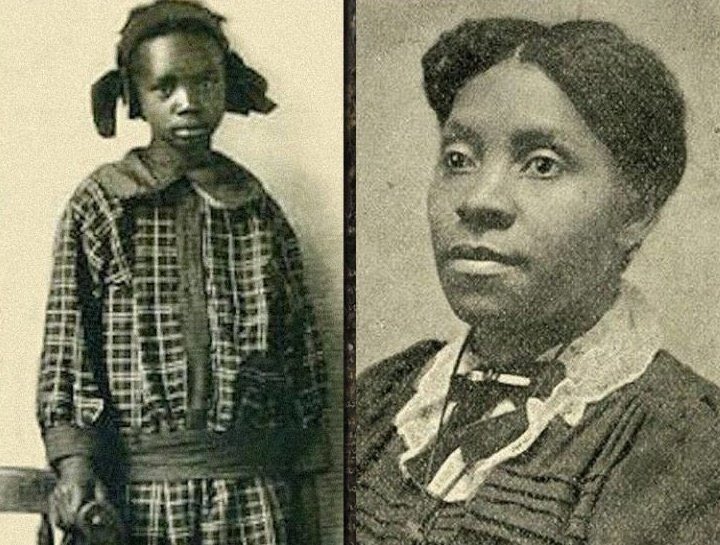
In 1913, a remarkable story unfolded in the heart of Oklahoma that would eventually turn a 10-year-old girl named Sarah Rector into one of the nation's first black millionaires. At that time, the United States was still grappling with the remnants of racial segregation, and the allocation of land to Native Americans and African Americans was deeply entrenched in discriminatory practices.
Sarah Rector, born to African American parents of Creek Nation descent, was among the beneficiaries of the Dawes Act of 1887. This legislation aimed to break up communal tribal lands and allocate individual plots to Native Americans and their descendants. However, the system was inherently biased. The best agricultural lands were typically reserved for white settlers, while less fertile and often barren plots were assigned to African Americans and Native Americans.
Sarah's fate seemed sealed when she received her land allotment of 160 acres, seemingly located on barren soil in an area known for its lack of agricultural potential. But destiny had other plans. Beneath the surface of that seemingly barren plot lay a hidden treasure—oil.
In a twist of fate, oil was discovered on Sarah Rector's land. The black gold gushed forth, transforming her life and fortunes beyond anyone's wildest imagination. Sarah, still a child, found herself sitting on top of a literal gold mine. News of her newfound wealth spread like wildfire, and she soon became the subject of intense media attention.
With shrewd management and the support of her family, Sarah's wealth grew rapidly. Her story symbolized the potential for African Americans to succeed against all odds and transcended racial barriers. Sarah's life in the spotlight also highlighted the systemic injustices that had held back marginalized communities for so long.
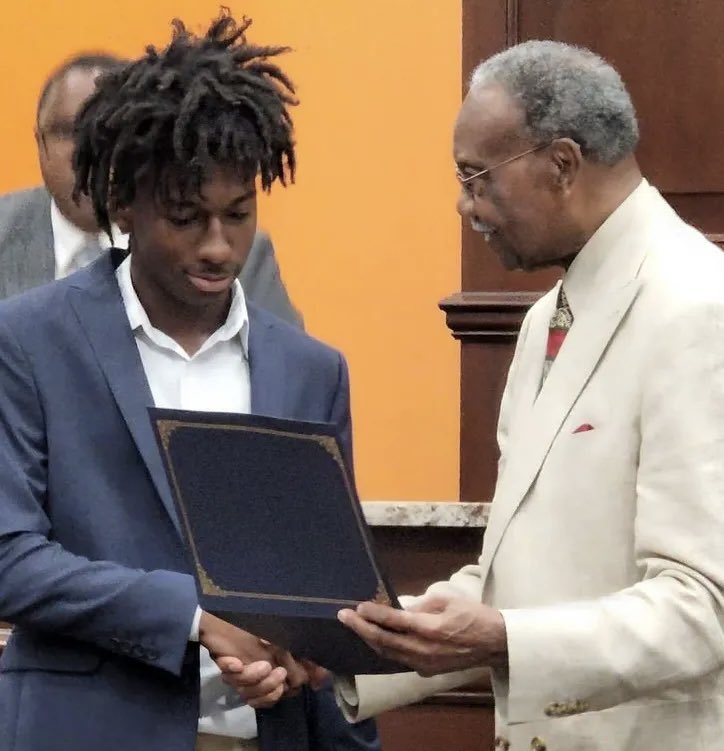
This is Corion Evans.
While he was driving in Mississippi, he saw a car swerve and crash into a river. Without hesitating, he ran out, jumped into the water, and rescued three girls inside.
He was 16 at the time.
The driver of the vehicle stated she was following her GPS and did not realize she was going into the water.
Corion Evans said he immediately ran over, took off his shoes and shirt and went into the water when he saw the car sinking and heard the three occupants shouting for help.
When Police Officer Gary Mercer responded to the scene, he attempted to bring one person to shore who began panicking and caused him to struggle under water.
Evans helped rescue him, too.
Officials presented Evans with a certificate of commendation for his heroism in rescuing the four people. They also recognized Mercer for his "bravery in the rescue."
“It's not often enough that you see people put others above themselves."