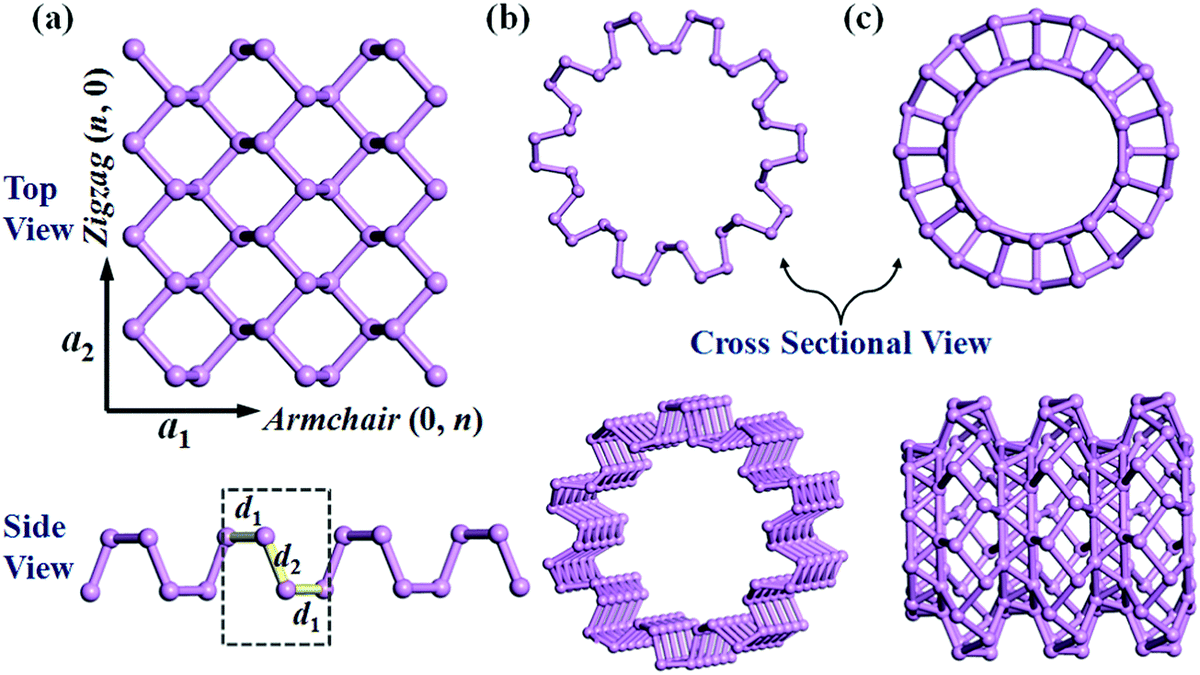
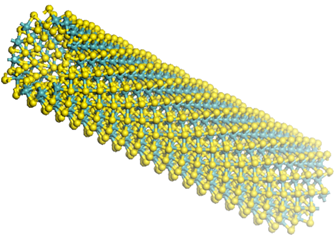
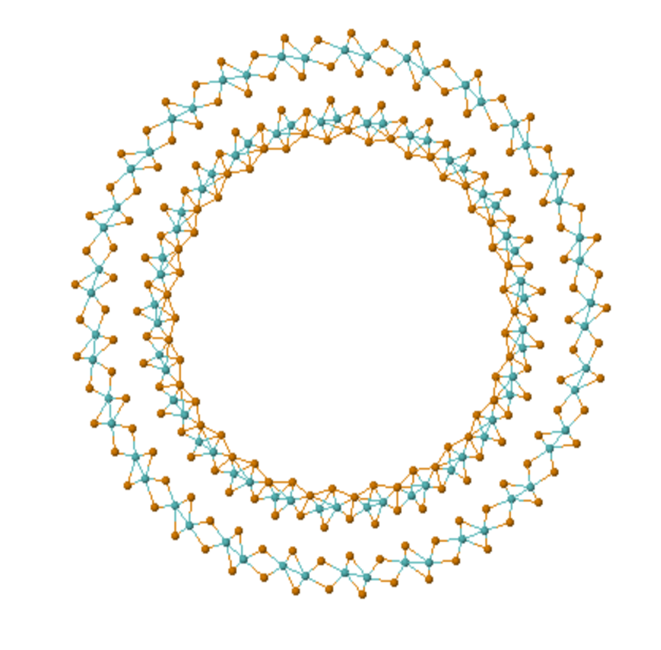
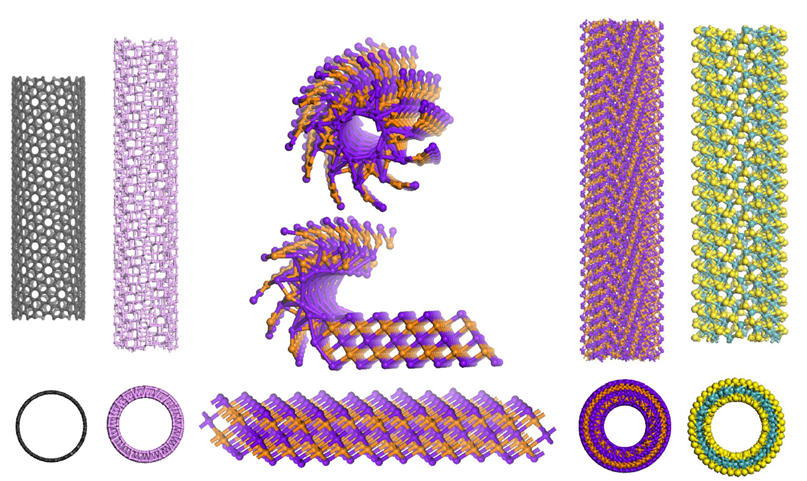
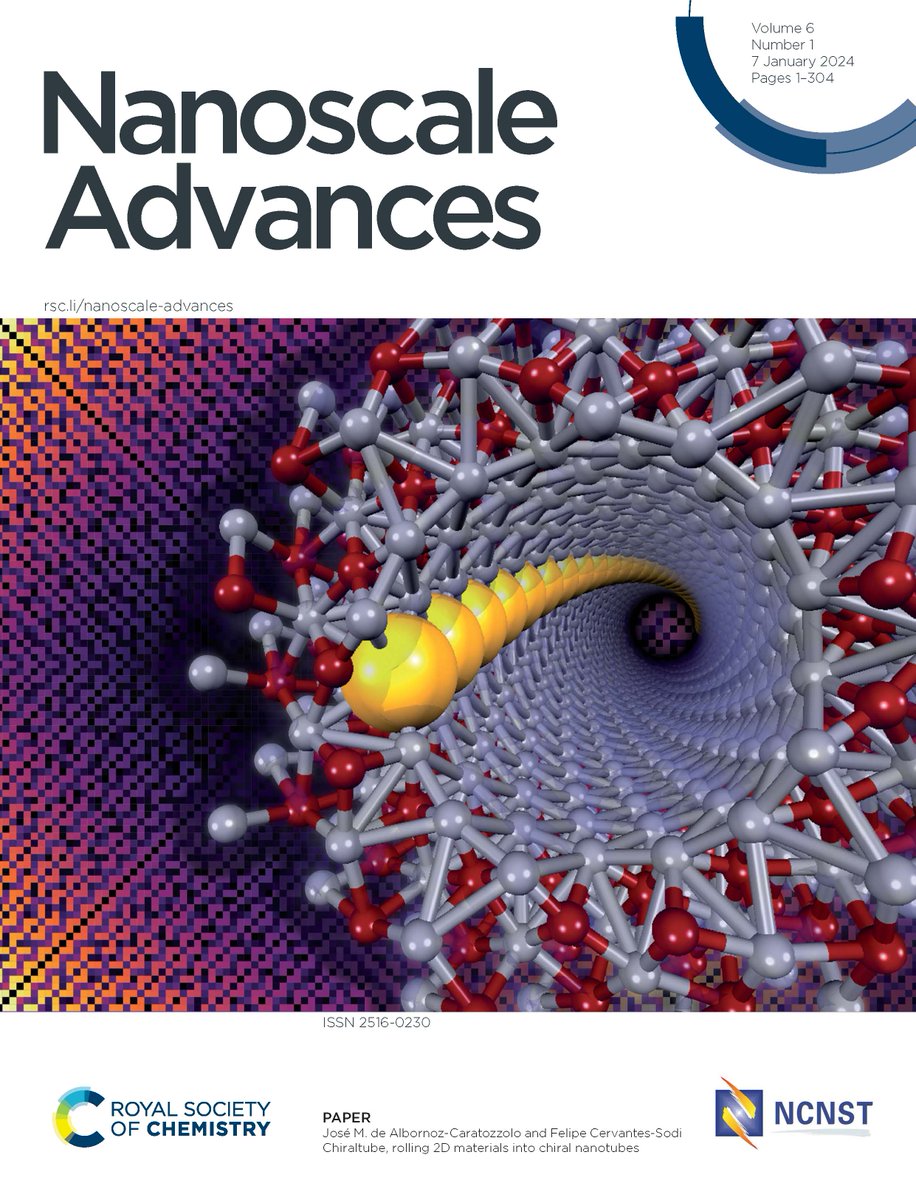
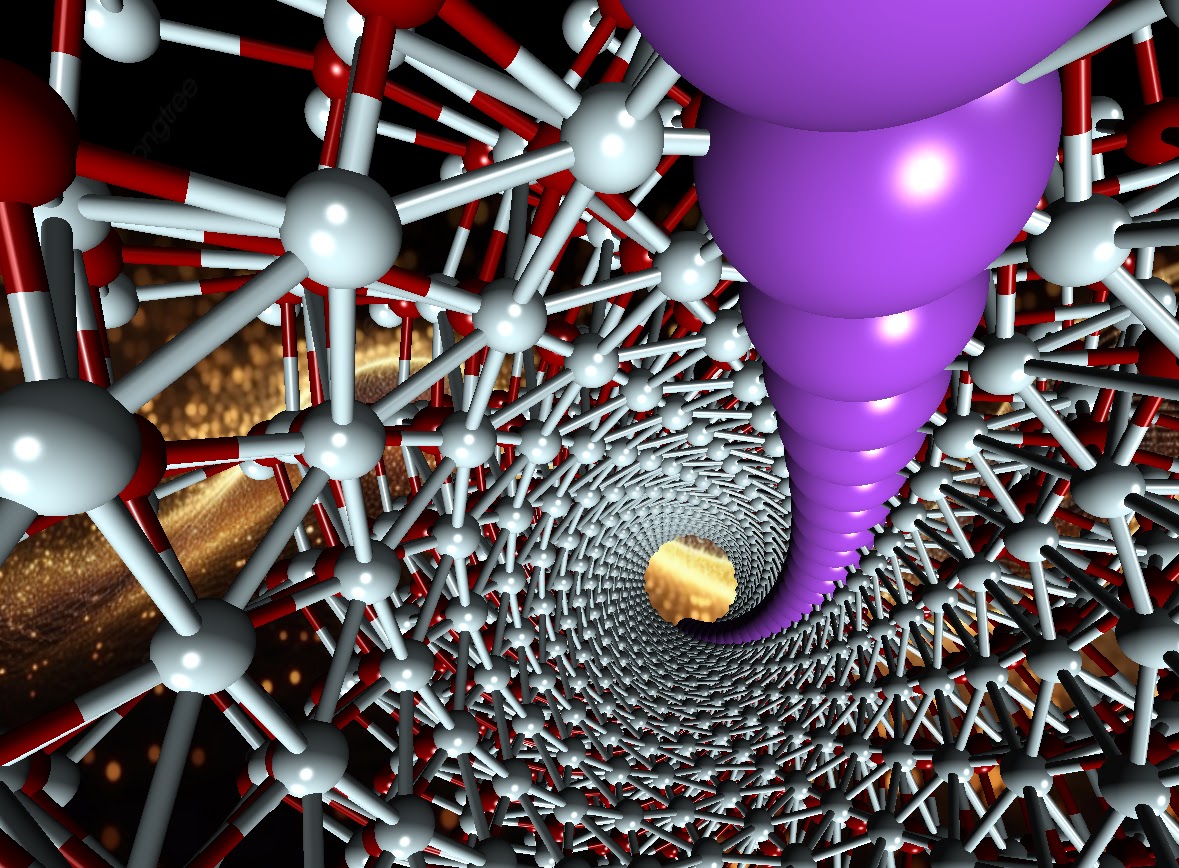
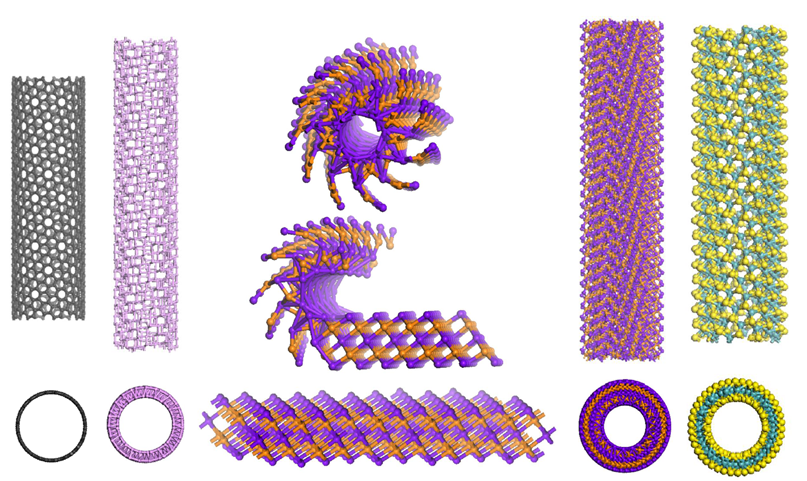
Check out our new paper published in @nanoscale_rsc@RoySocChem "Chiraltube, rolling 2D materials into chiral nanotubes"
Check out the program here https://t.co/xPiE1u0zEA
Or freely download from github https://t.co/ZNAvGJB1vS
From @uia_fismat@IBERO_mx
https://t.co/yIeCrCJ6a4
Our recent article in Nanoscale Advances has been highlighted as a Popular Advance! Read our paper and see the full collection at
https://t.co/RFEQpTQ0Vx.
Use our tool to build chiral nanotubes:
https://t.co/Dkm9KAo5xi
@chema_dac@uia_fismat@IBEROinvestiga@nanoscale_rsc
@nanoscale_rsc@chema_dac@uia_fismat Generate atomic coordinates of chiral nanotubes from any 2D material effortlessly.
Check it out at https://t.co/pZvdW3sf3m and explore a new dimension in nanotechnology!
#2DMaterials#Nanotube
Check out the front cover of issue 1 of #NanoscaleAdvances highlighting work from José M. de Albornoz-Caratozzolo and Felipe Cervantes-Sodi on rolling 2D materials into chiral nanotubes
https://t.co/AYyhgL0ABn
@fcervantessodi@chema_dac@uia_fismat
Front cover - now published in Nanoscale Advances
Chiraltube, rolling 2D materials into chiral nanotubes†
https://t.co/pZvdW3sMSU
@nanoscale_rsc@IBERO_mx@IBEROinvestiga@uia_fismat
https://t.co/Fl3QE02PfY
Chiraltube is out!
Try the program to generate atomic coordinates of chiral nanotubes from any 2D material
https://t.co/NqI4jsGzS8
@RoySocChem
https://t.co/rh6IO0G5FC
Check out our new paper published in @Universe_MDPI "Fab-Four Cosmography to Tackle the Hubble Tension"
How can an alternative cosmological model give insights into one of the biggest mysteries in cosmology?
From @IBERO_mx@uia_fismat & @icnunam@UNAM_MX
https://t.co/iSeR8Gv2xm
@LatinXChem congratulates @chema_dac from @uia_fismat. The #Comp110 poster got an honorable mention in the #LXChemComp category.
Thank you for your participation and enthusiasm sharing your work!
https://t.co/2lyzP6MTXa
@EveryWhereChem@LatinXChem@FCervantesSodi@uia_fismat ...spread out and the atoms on the inner shells are more squished together. For these, the program currently doesn't adjust anything but we are working on a solution!
I hope I answered your question! 3/3
@EveryWhereChem@LatinXChem@FCervantesSodi@uia_fismat We also first relax the structure computationally before any calculations so any effects in distances between atoms is ultimately not important. However, for multi-layer materials (like MoS2), it is true that the atoms in the 'outer' shells of the nanotube are more... 2/3
@ghutchis@AvogadroChem I see. Our program is already also in Python so I guess it would be even easier to implement. I'll let you know when its public!
@ghutchis@AvogadroChem Hi Geoff! Sounds very interesting! Having something like this on Avogadro would be very helpful. I'll let you know when we make the program public!
@ErnestoChigo@LatinXChem@FCervantesSodi@uia_fismat Hola! Esa pregunta está un poco fuera del alcance de este trabajo, pues el programa tiene la función de proporcionar la estructura del nanotubo. Sin embargo, ya con esta estructura se podrían hacer cálculos computacionales que podrían resolver tu pregunta. Gracias por preguntar!
@FCervantesSodi@LatinXChem@uia_fismat Sure, here it is! https://t.co/hZ6DptNd2Y
The file has 138 atoms but that's because I duplicated it along the z direction so that it would be more illustrative, the actual 'unit cell' of the nanotube would have only 69 atoms.