For anyone interested in teaching or learning PCR and DNA barcoding, here’s some recommended reading: four articles written by DNA barcoding educators describing lesson plans, learning objectives, and experiences running their courses.
For teachers, these articles might be useful to build, structure, or improve a course.
For learners, they might provide interesting insights into what to learn and practice from a “teachers’ lesson plan” perspective, going way beyond what a basic protocol or practical might offer.
All of these studies had very similar aims but used different methodological approaches in terms of DNA extraction, software, and course length. So there are plenty of methodological options to look into and find out what suits you best.
⭐ The first article, by Erasmus (2021), describes DNA barcoding as a component of a third-year biochemistry course in British Columbia, Canada. The lesson plan involved a one-hour lecture and two three-hour laboratory sessions based on DNA barcoding stoneflies (Plecoptera).
The practicals used Chelex resin for DNA extraction; FinchTV for chromatogram inspection and editing; and the Barcode of Life Data Systems (BOLD) and NCBI’s GenBank for sequence identification:
Erasmus (2021). DNA barcoding: A different perspective to introducing undergraduate students to DNA sequence analysis. Biochemistry and Molecular Biology Education, 49(3), 416-421.
https://t.co/xb7S4j9lZT
⭐ The second article, by Shevcenko et al. (2019) covers a course of 10 one-hour sessions framed around the DNA barcoding of caddis flies (Trichoptera) in New Jersey, USA.
Over this course the students learned about sample collecting; insect diversity; vouchering and photographing of collections; extracting DNA using the HotSHOT method; PCR of the COI barcode region; gel electrophoresis amplicon visualisation; Sanger sequencing; editing DNA sequences; uploading results to the Barcode of Life Data Systems (BOLD); and phylogenetic analysis.
Shevcenko et al. (2019). Undergraduate teaching of scientific concepts using DNA barcoding of Trichoptera. Zoosymposia, 14, 16-31.
https://t.co/h5yeOlHuX3
⭐ A third article, by Casanova & Shumskaya (2021), covers the DNA barcoding of fungi over three laboratory classes. The practicals used a spin column kit DNA extraction (Powersoil from Qiagen), and DNA analysis via NCBI’s BLAST search tool and free MEGA phylogenetics software:
Casanova & Shumskaya (2021). Exploring DNA in biochemistry lab courses: DNA barcoding and phylogenetic analysis. Biochemistry and Molecular Biology Education, 49(5), 789-799.
https://t.co/0lxO4v6P4h
⭐ And finally, for those short of time or for remote homework purposes, two simple exercises were described by Al-Deeb (2021) in basic BLAST searching and phylogeny construction using the online https://t.co/wgUd48buoD tool, designed as a basic introduction and to break through barriers arising from the fear of bioinformatics:
Al-Deeb (2021). Using DNA Sequences and Phylogenetic Trees as Tools for Teaching Entomology to Undergraduate Students: A Simple Approach. Advances in Entomology, 9(4), 147-154.
https://t.co/AAFLsm0RMz
If any of these are useful to you, please let us know. We’d also be very glad to know of any similar articles we can add to this list for future posts!
***
https://t.co/xb7S4j9lZT
Here’s a comprehensive (48-page) review of DNA extraction methods developed for point-of-need DNA-based testing that could be useful for DNA testing practitioners, students of PCR, fieldwork researchers, and anyone interested in DNA extraction chemistry. 👇
The authors, Lee et al. (2023), review methods suitable for use outside of conventional laboratories, ranging from quick and dirty extractions to affordable and easy-to-use extraction testing devices for mass distribution, such as lab-on-a-chip devices.
They also dive into the chemistry and processes behind each extraction option with referenced examples, comprehensive tables, and some great illustrations of the different methods. So this is a great learning/teaching/lookup reference even if all of your work is lab-based.
Importantly, the authors examine recent DNA extraction methods devices in the context of the World Health Organisation’s REASSURED criteria for point-of-need testing, and assess their usefulness for users within this framework.
You can read the article here:
Lee et al. (2023). Chemical Trends in Sample Preparation for Nucleic Acid Amplification Testing (NAAT): A Review. Biosensors, 13(11), 980.
https://t.co/QXOxpaZdol
Describen casi 1 millón de nuevos antibióticos en el microbioma global, mediante "machine-learning", 79 de ellos son activos frente a 63 patógenos distintos.
Enhorabuena @delafuenteupenn
https://t.co/2IQAqQoK1U
¿ℚ𝕦𝕚𝕖𝕣𝕖𝕤 𝕗𝕠𝕣𝕞𝕒𝕣 𝕡𝕒𝕣𝕥𝕖 𝕕𝕖 𝕟𝕦𝕖𝕤𝕥𝕣𝕒 𝕗𝕒𝕞𝕚𝕝𝕚𝕒?Te invitamos a la reunión informativa que tendrá lugar el próximo 𝕞𝕒𝕣𝕥𝕖𝕤 𝟙𝟡 𝕕𝕖 𝕤𝕖𝕡𝕥𝕚𝕖𝕞𝕓𝕣𝕖 𝕒 𝕝𝕒𝕤 𝟙𝟠 𝕙𝕠𝕣𝕒𝕤 en el Aula 1 del servicio de docencia del Hospital Reina Sofía.
@PDuchement No entiendo a los docentes que defienden parcialmente este caso por que el profesor quisiera ser "divertido". El objetivo final del mismo, lo tengo súper claro, no era evaluar a sus alumnos. Era darse autobombo y publicidad en redes. Un disparate. Felicidades por denunciar. 👏👏
En el año 2008, un equipo de electroforesis con su transiluminador nos costo 6200 euros. Hoy, con los precios disparados de casi todo, este equipo que lleva integrado la fuente de alimentación y el transiluminador, solo nos ha costado 400 euros, 15 veces menos
#DIYBio#Biohacking
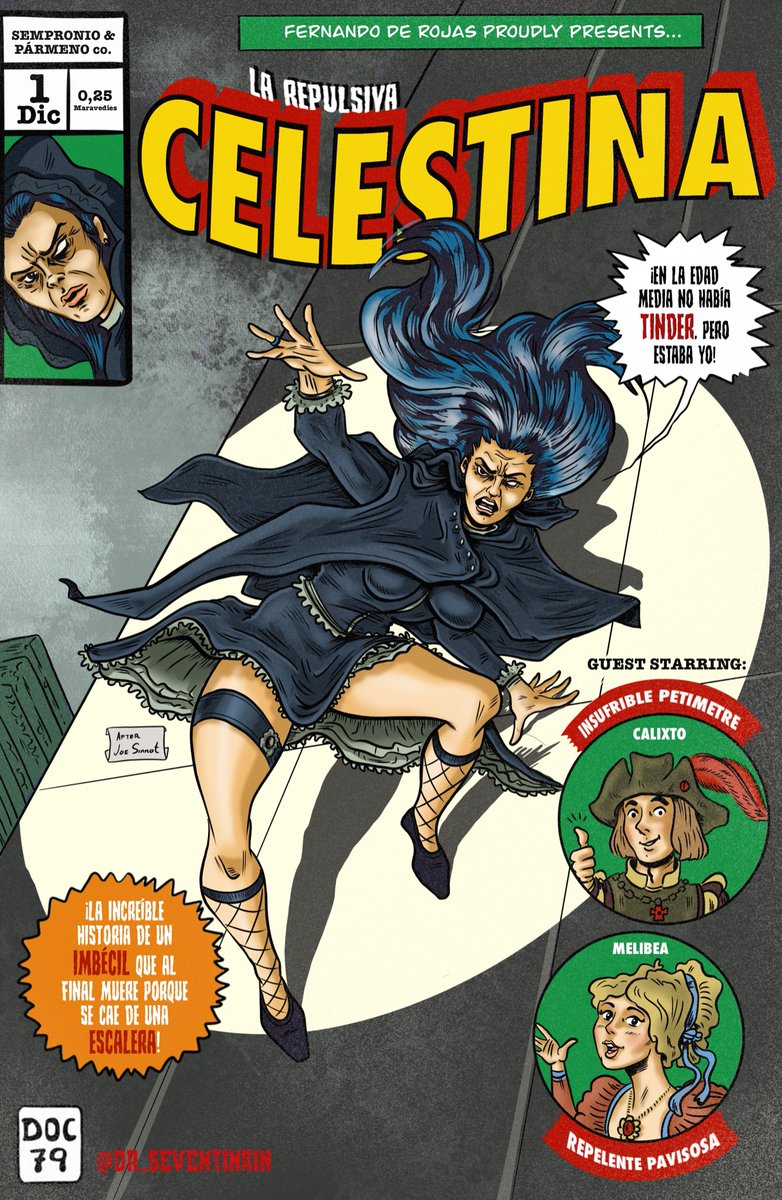
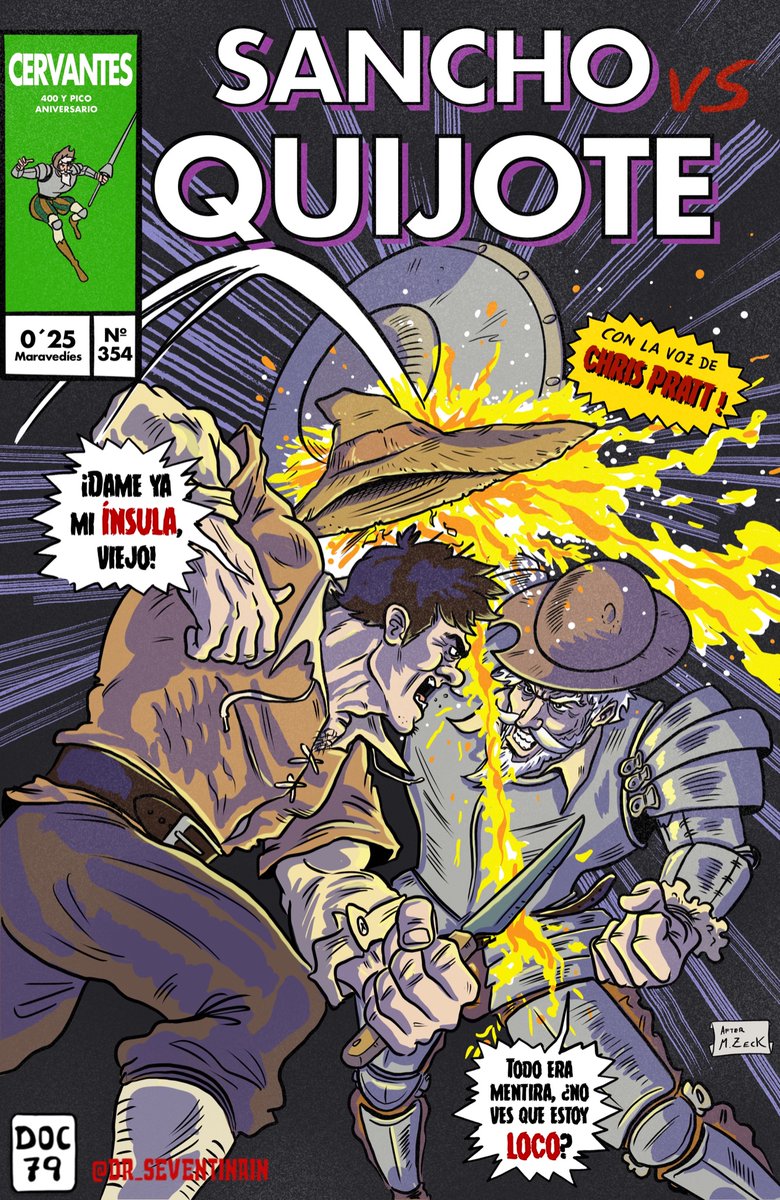
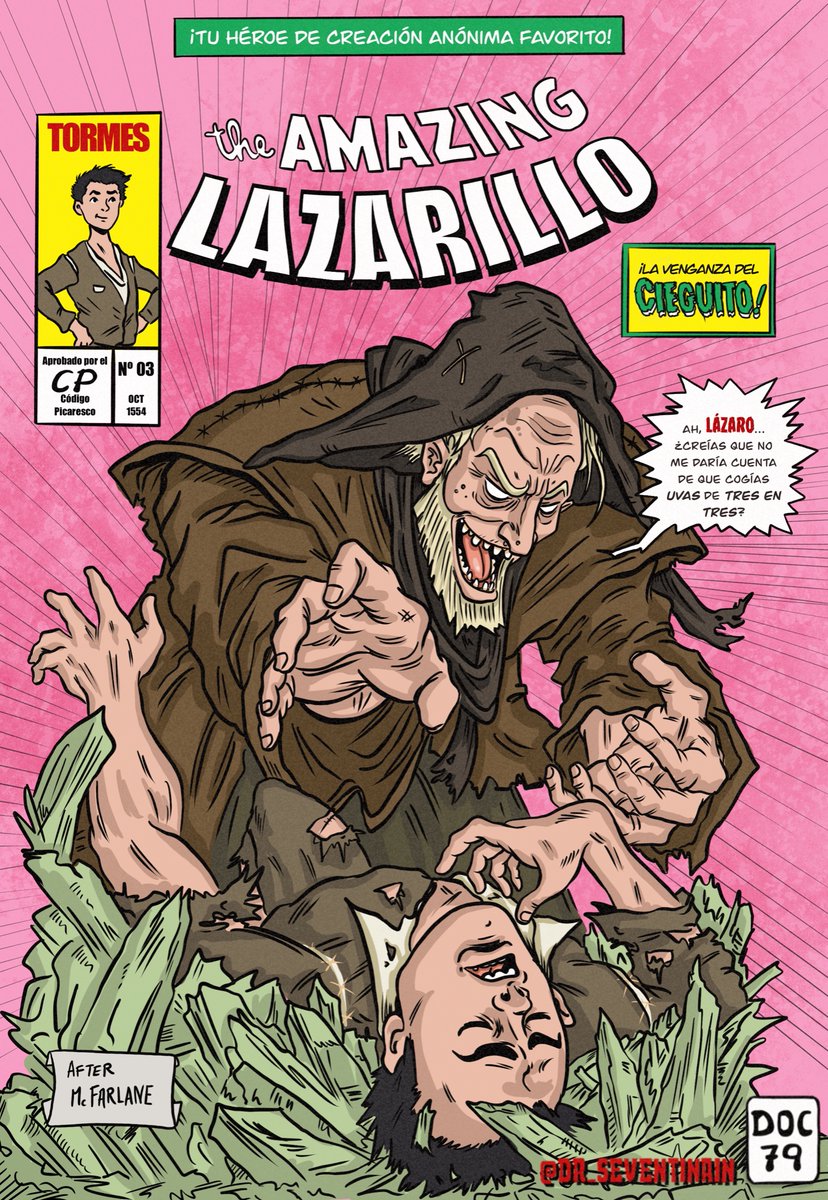
Aquí van juntitos los 4 primeros #ClásicosMarvelizados, de los que no puedo estar más contento con su acogida. Este fin de semana espero poder dedicar tiempo al siguiente, ¿qué clásico, español o no, os gustaría que fuese a continuación? El que más votos tenga será el afortunado!
Hace unos meses, en el I.E.S Juan Carlos I, @JuancarlosiIes purificamos la proteína verde fluorescente de nuestra cepa de E. coli, que transformamos hace años con un plásmido. Esta semana tocaba extraer ese plásmido y hemos puesto a las bacterias a bailar un poco...😂😂.
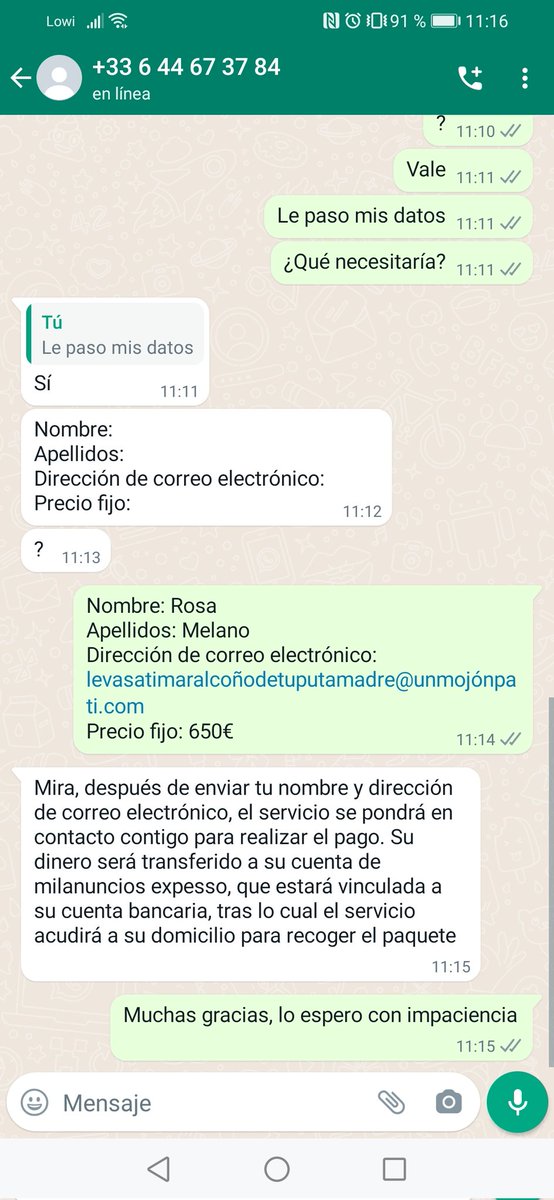
⚠️OJOCUIDAO⚠️
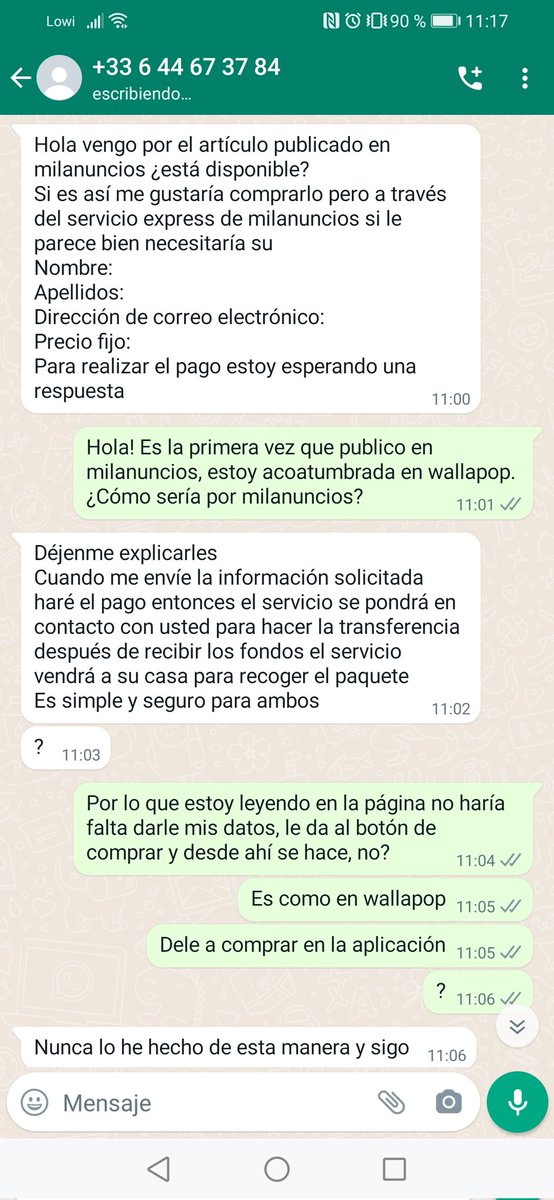
He puesto un anuncio en milanuncios y este número se pone en contacto conmigo, dice que le de mis datos para hacerlo por milanuncios express. Apestaba a timo de lejos. ¿No quieres datos? Pues ahí tienes datos
@PDuchement Como padre y profesor, tus hilos me han permitido reflexionar sobre el uso de las redes sociales. Comparto en ocasiones, esta información con mis compañeros de claustro. Tu labor es muy importante y tienes todo el apoyo de muchos de nosotros. Felicidades por tu trabajo.