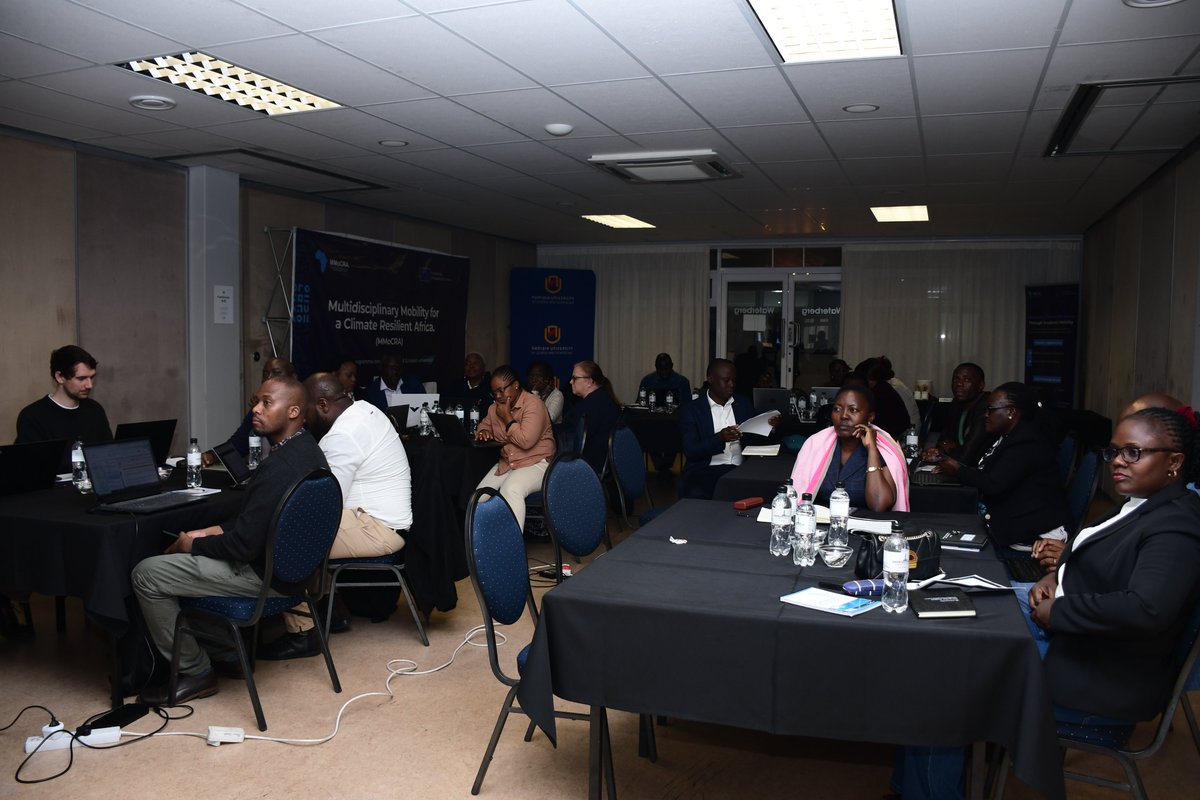
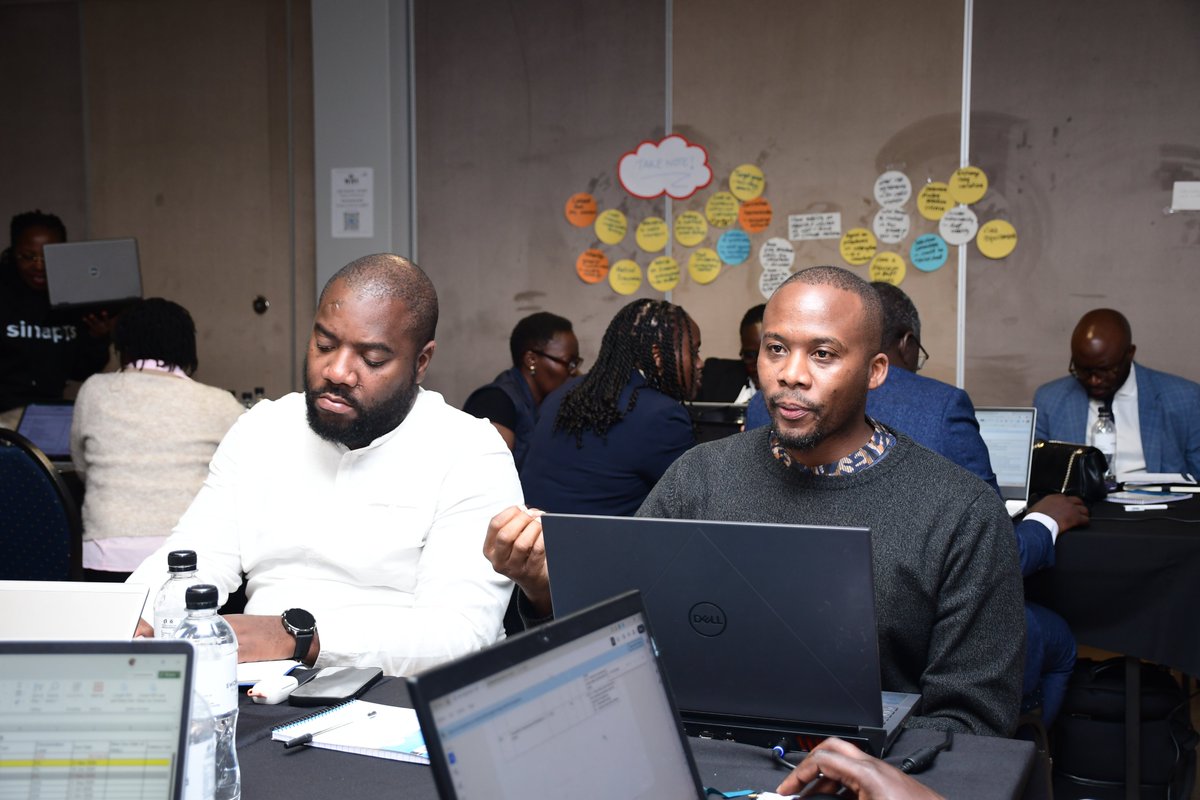
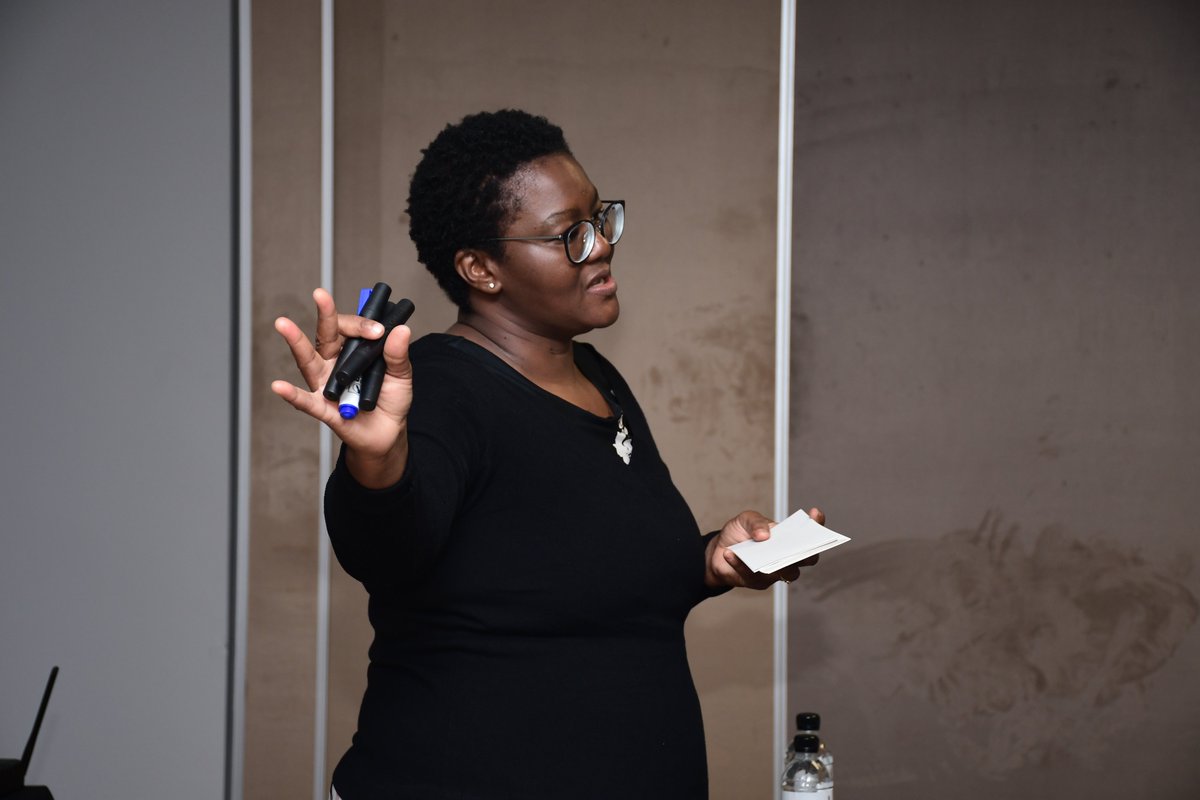
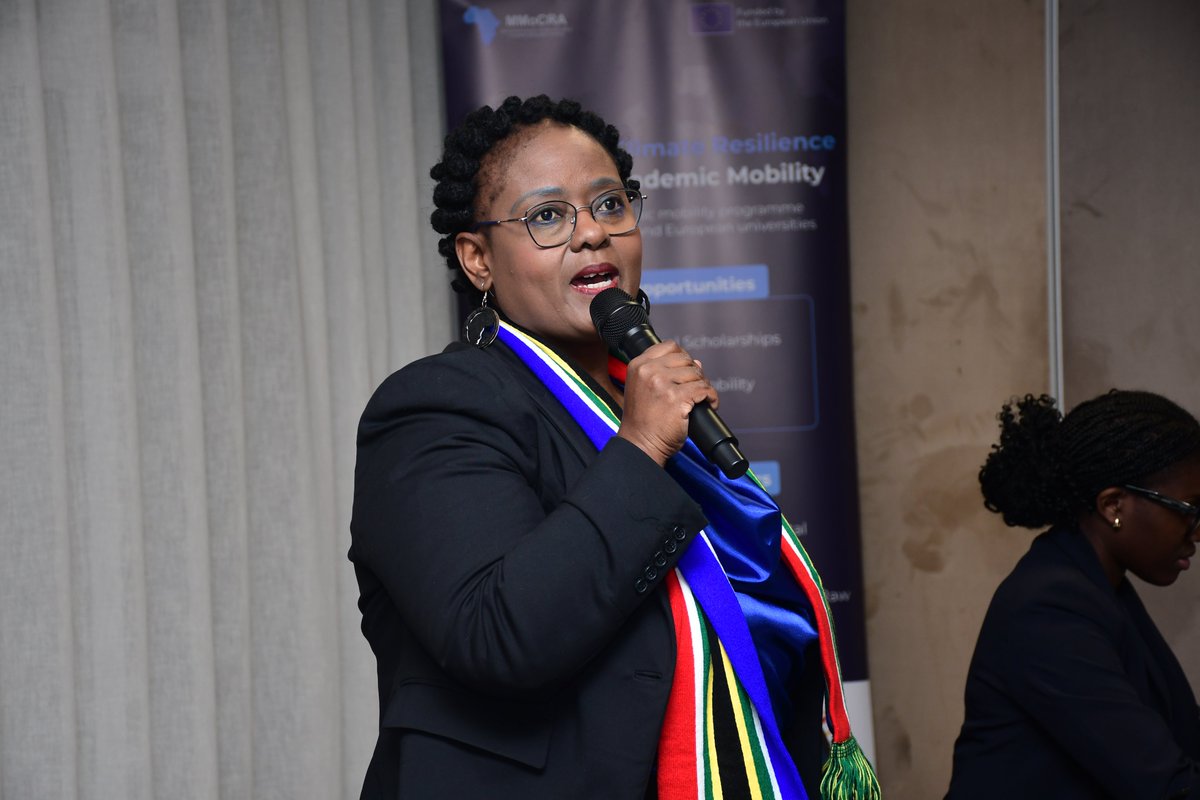
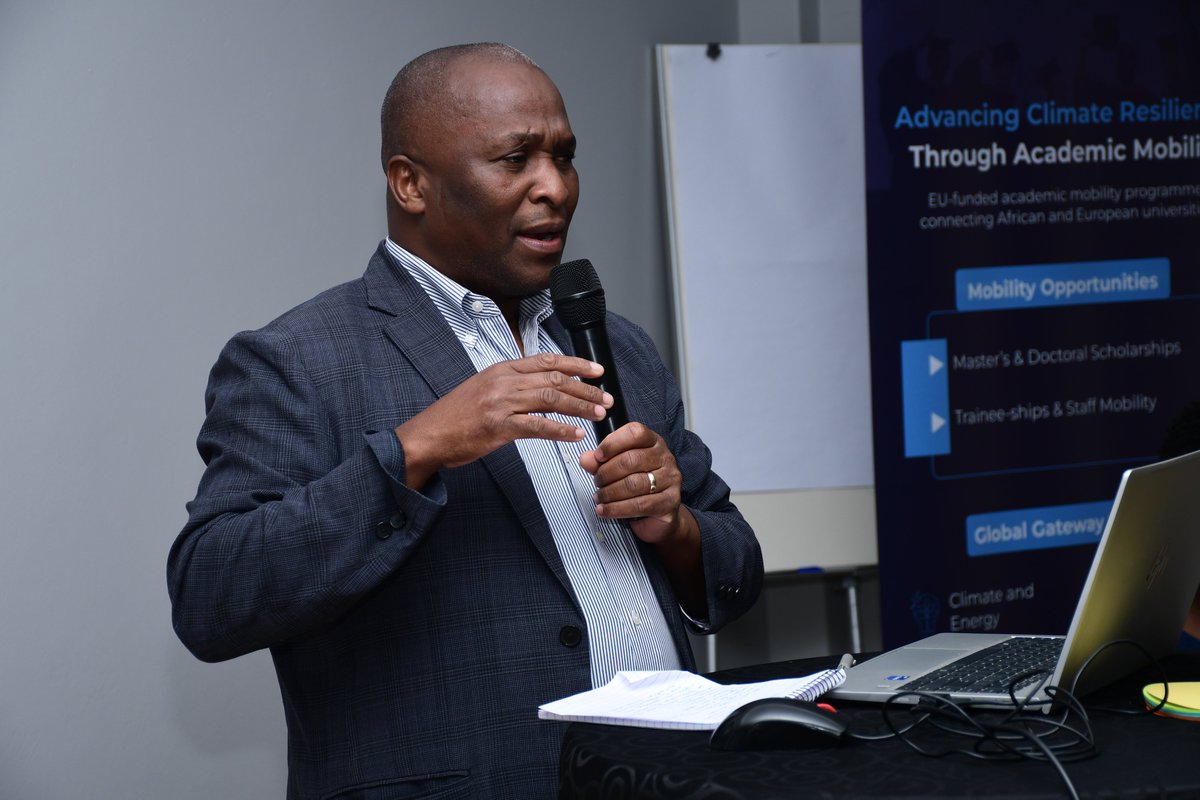
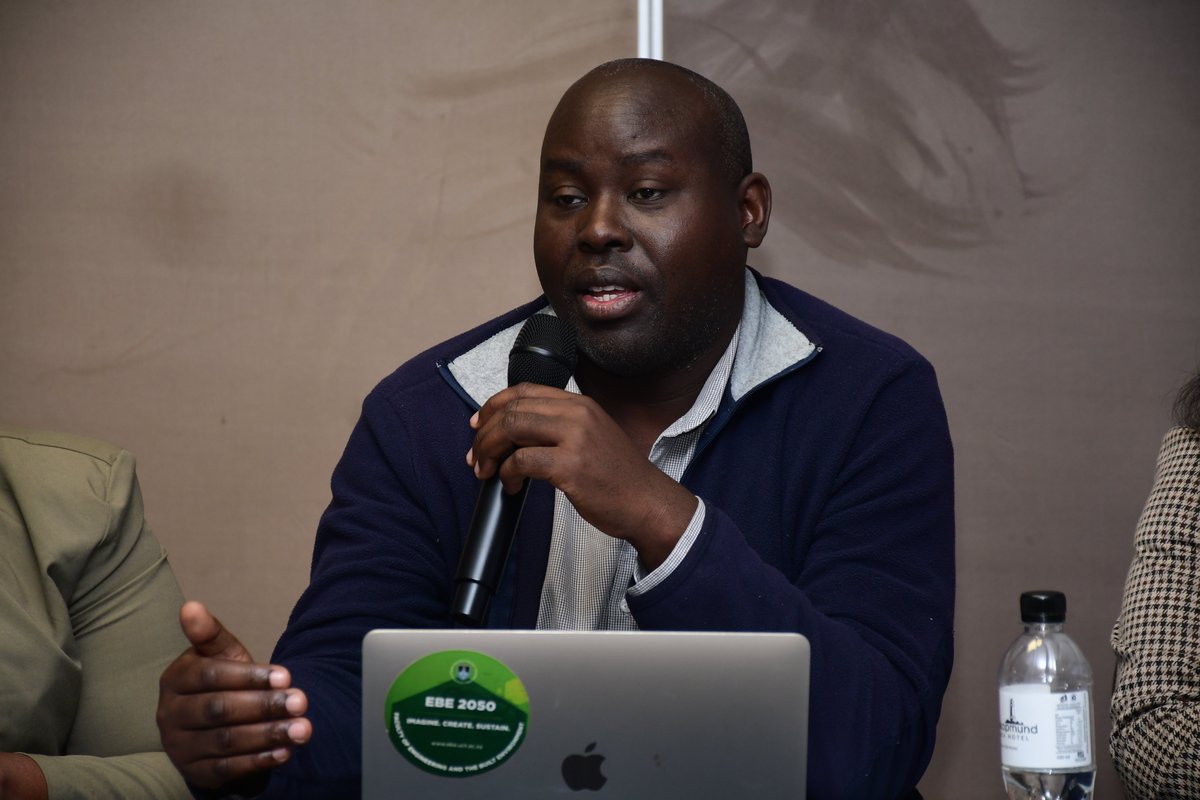
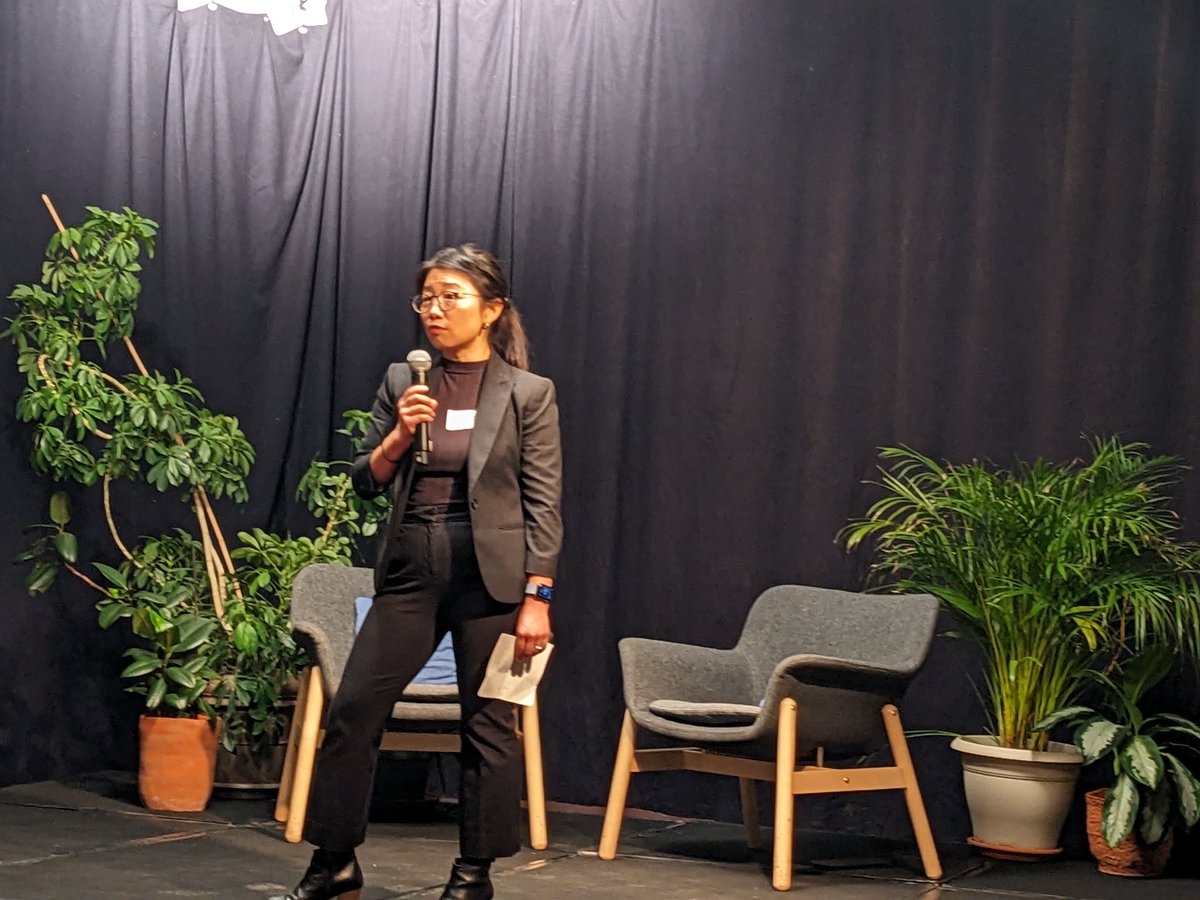
Day 3 kicked off with a recap by Jason Minnie, followed by industry insights from Patrick Karimi on strengthening collaboration between academia and industry. #ClimateAction#Research
Key insight: stronger academia-industry collaboration is critical. Insights from Patrick Karimi (KPLC- Institute of Energy Studies & Research) stressed aligning research with real industry needs. #ClimateAction#Research
The focus now shifts to action, as institutions are working in groups to develop 4-year work plans that will guide mobility and collaboration moving forward. #ClimateAction#Research
The focus turns to internationalisation, how universities can better support mobility through clear processes, student support systems, and seamless transitions.
From learning agreements to credit transfer frameworks, Day 2 of MMoCRA tackled the architecture of meaningful mobility. When institutions align, researchers and students can move, grow, and contribute, advancing climate resilience across Africa.
Lessons from Namibia University of Science and Technology and University of Twente highlight that successful mobility goes beyond movement; financing and accommodation are key enablers, while strong programmes can drive innovation, industry linkages, and long-term sustainability.
A key idea emerging: mobility is not just exchange, it’s a pathway to collaborative innovation, shared expertise, and building solutions across institutions.
Day 2 kicks off with a recap of key insights, setting the tone for deeper conversations on mobility and collaboration for climate resilience. #ClimateAction#Research
How do you ensure students can move across institutions without losing progress?
Today’s discussions are unpacking credit transfer and academic recognition across partners.
A key takeaway: mobility must be intentional.
Learning happens at the host institution, but recognition must be agreed upon before the journey begins through clear learning agreements.
Day 1 highlighted the power of collaboration. MMoCRA brings together institutions to co-create climate-resilient solutions through multidisciplinary research. Mobility-exchanges, internships, and virtual programmes drive partnerships, skills, and employability. #ClimateAction
Discussions also explored the institutional benefits and challenges of mobility, with practical insights from existing research projects.
A strong foundation is set for what comes next. Looking forward to Day 2. #ClimateAction#Research
Live from Namibia 🇳🇦—the land where the ocean meets the desert 🌊🏜️
We’re at the inception workshop on Multi-Disciplinary Mobility for a Climate Resilient Africa. #ClimateAction#Research
A powerful setting-Namibia���s landscape mirrors the goal: diverse elements coming together for resilient solutions.
The mission is clear: to build a climate-resilient Africa through collaborative, multidisciplinary research and innovation.
🚨 BREAKING: AI can now teach machine learning like Stanford's CS229 professors (for free).
Here are 15 insane Claude prompts that replace $50,000 ML bootcamps (Save for later)
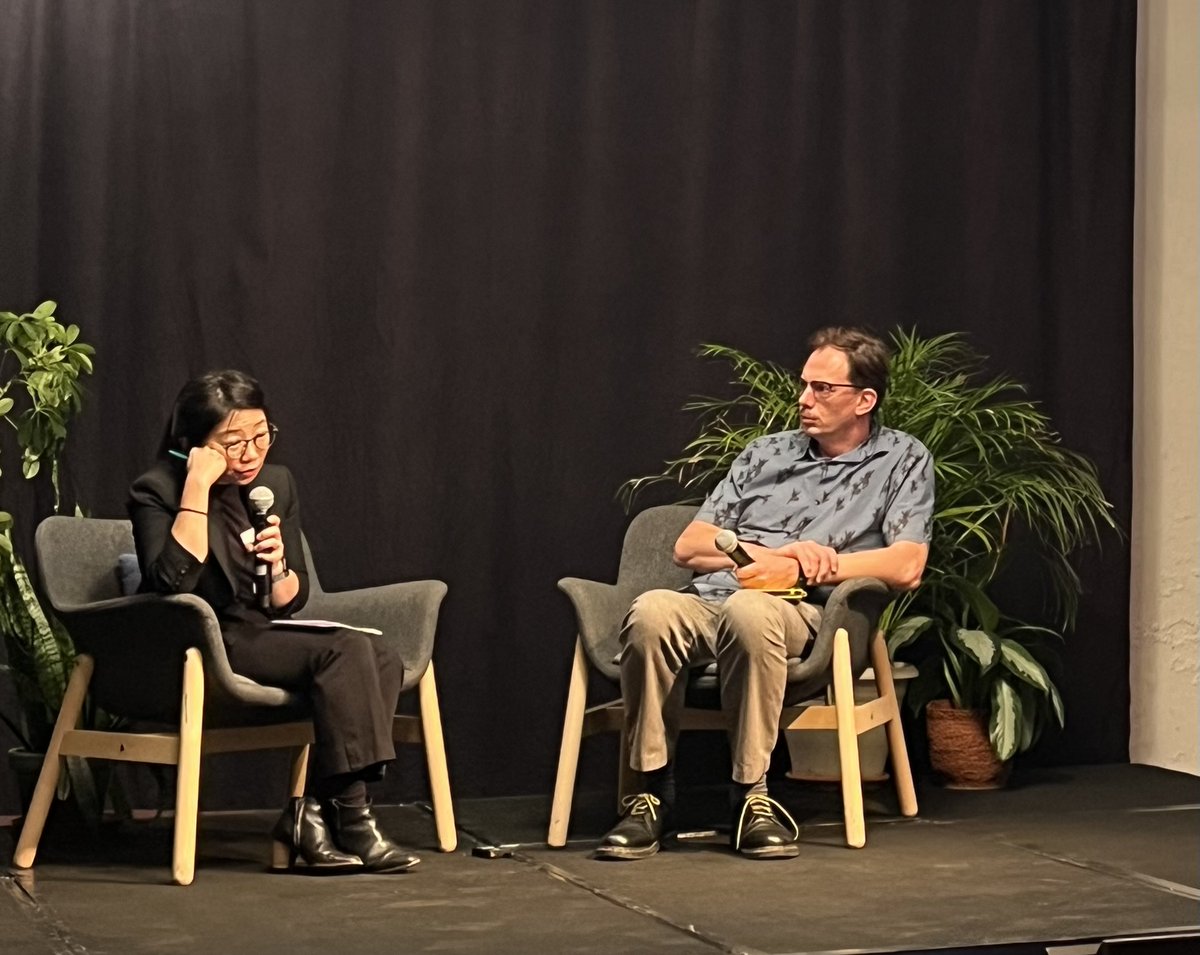
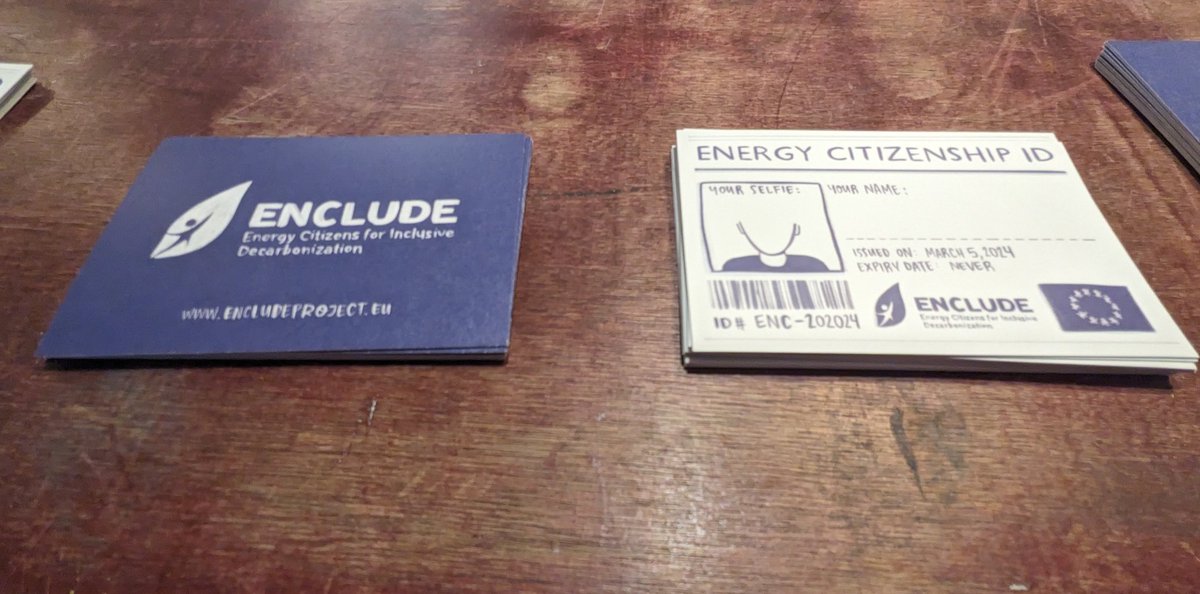
What is energy citizenship? How can we use it to address challenges standing in the way of a systemic energy transition? The @encludeproject's final event has kicked off in Brussels & online
Our final event just started!
Join us at https://t.co/7iEGAphoi5 (9:30-12:30 CEST) for a lively discussion on the present and the future of energy citizenship in Europe!