Bye, Viennese Schnitzel; hello, California rolls! I've just moved to @UCB_Chemistry. I'm looking forward to new challenges and collaborations. And I thank the tremendous support and lovely colleagues from @ISTAustria over the past few years.
Guess what? By learning from energies and forces, machine learning interatomic potentials can now infer electrical responses like polarization and BECs! This means we can perform MLIP MD simulations under electric fields! https://t.co/SPLCEqoDT4
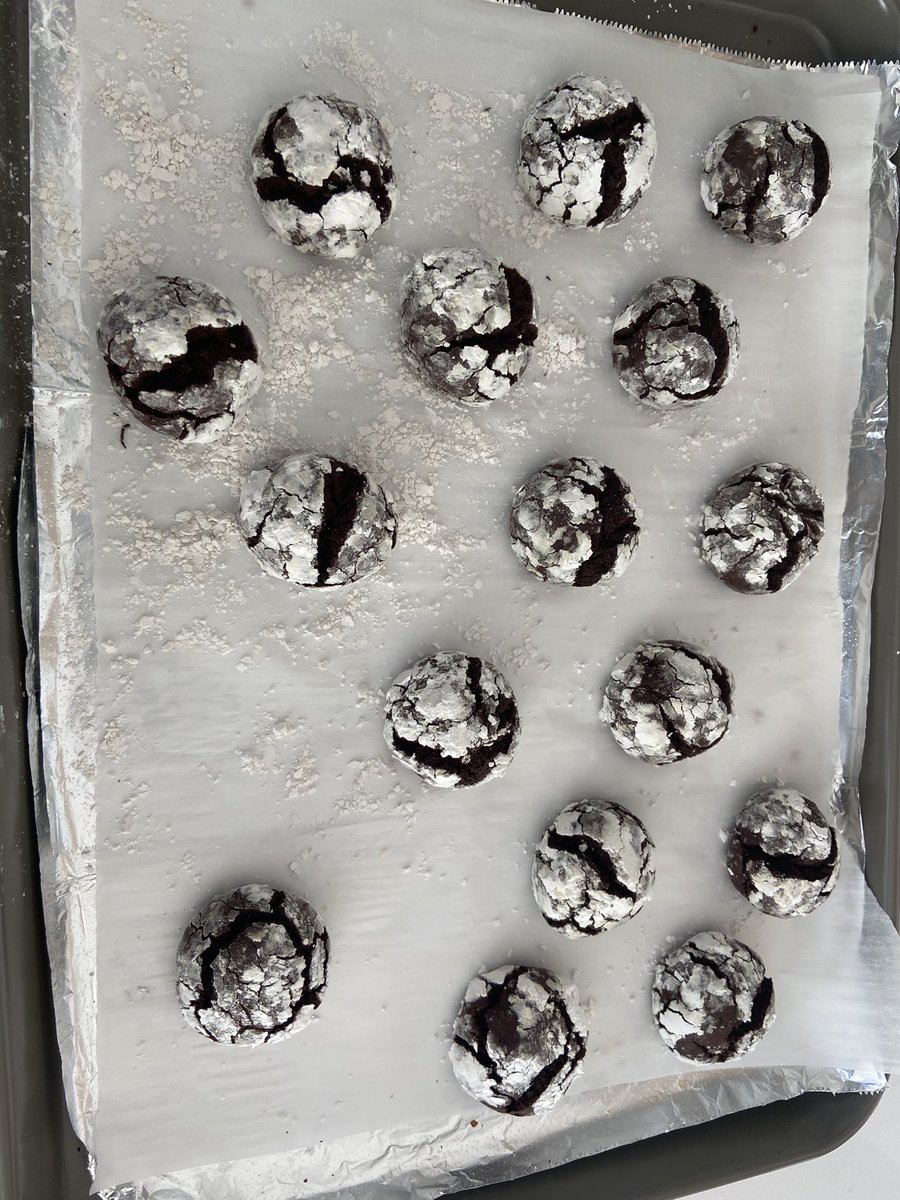
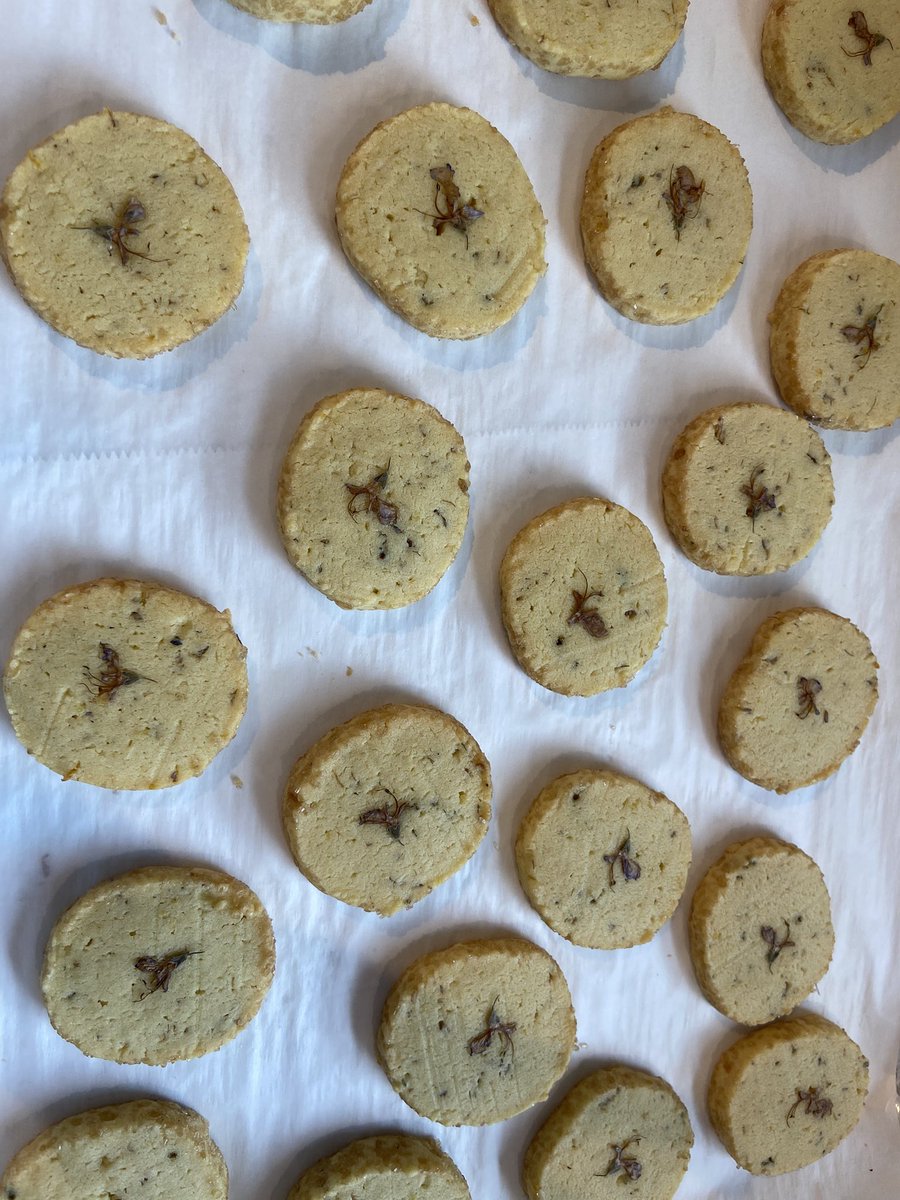
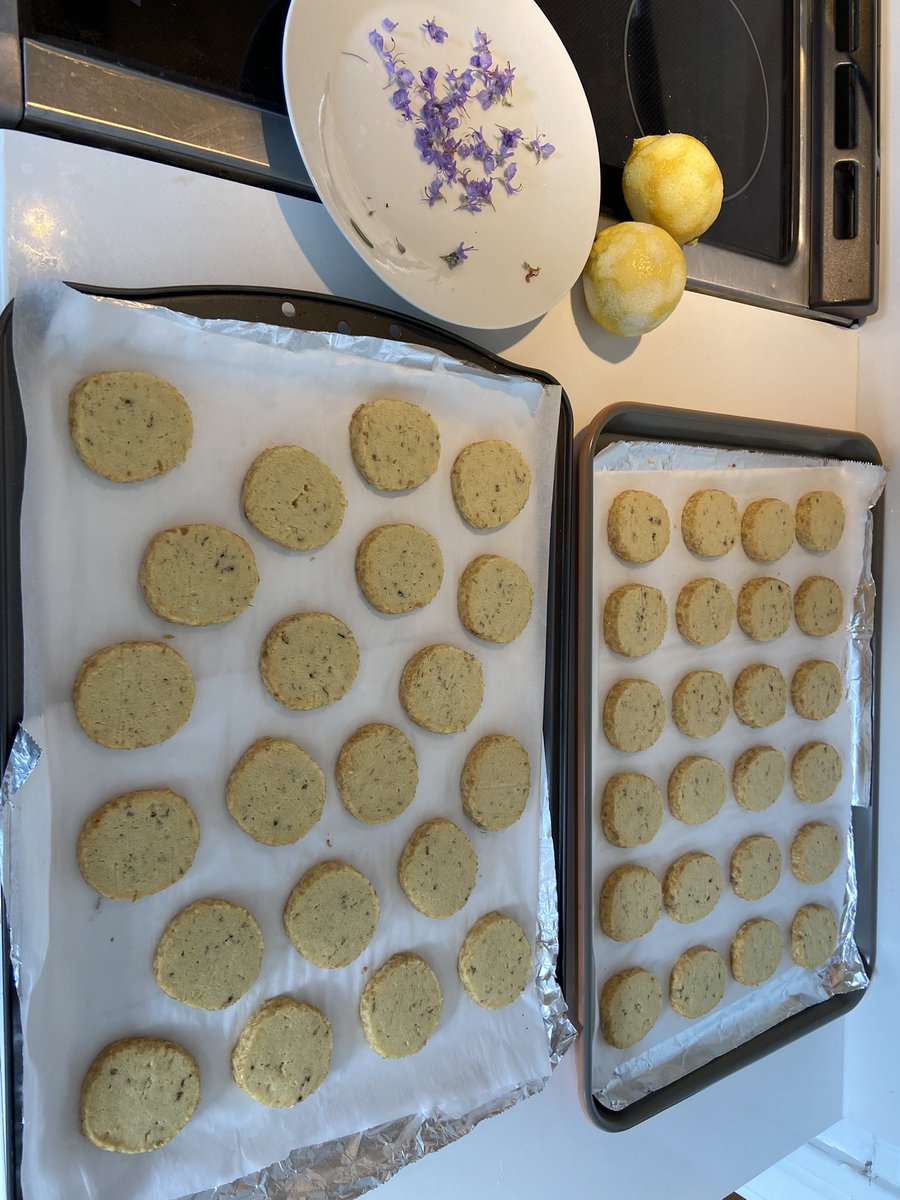
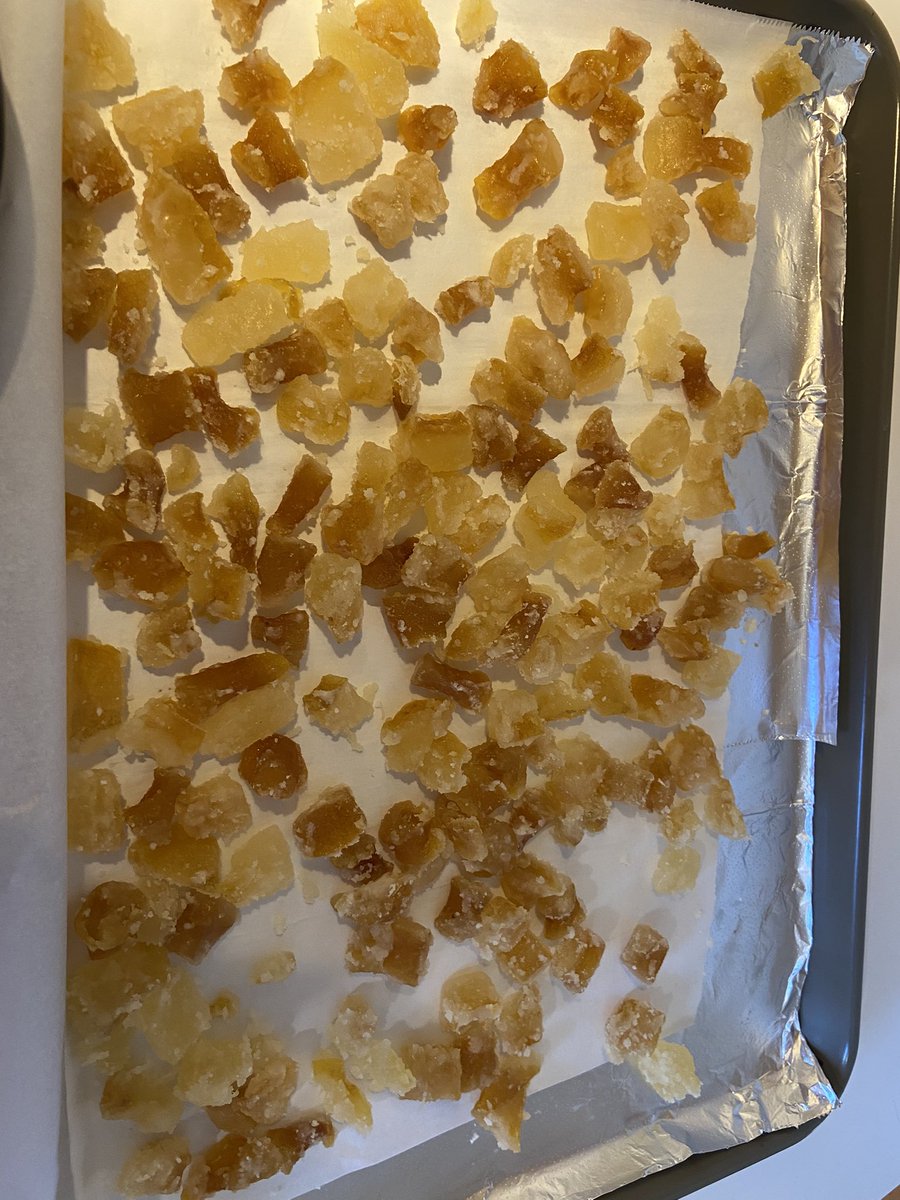
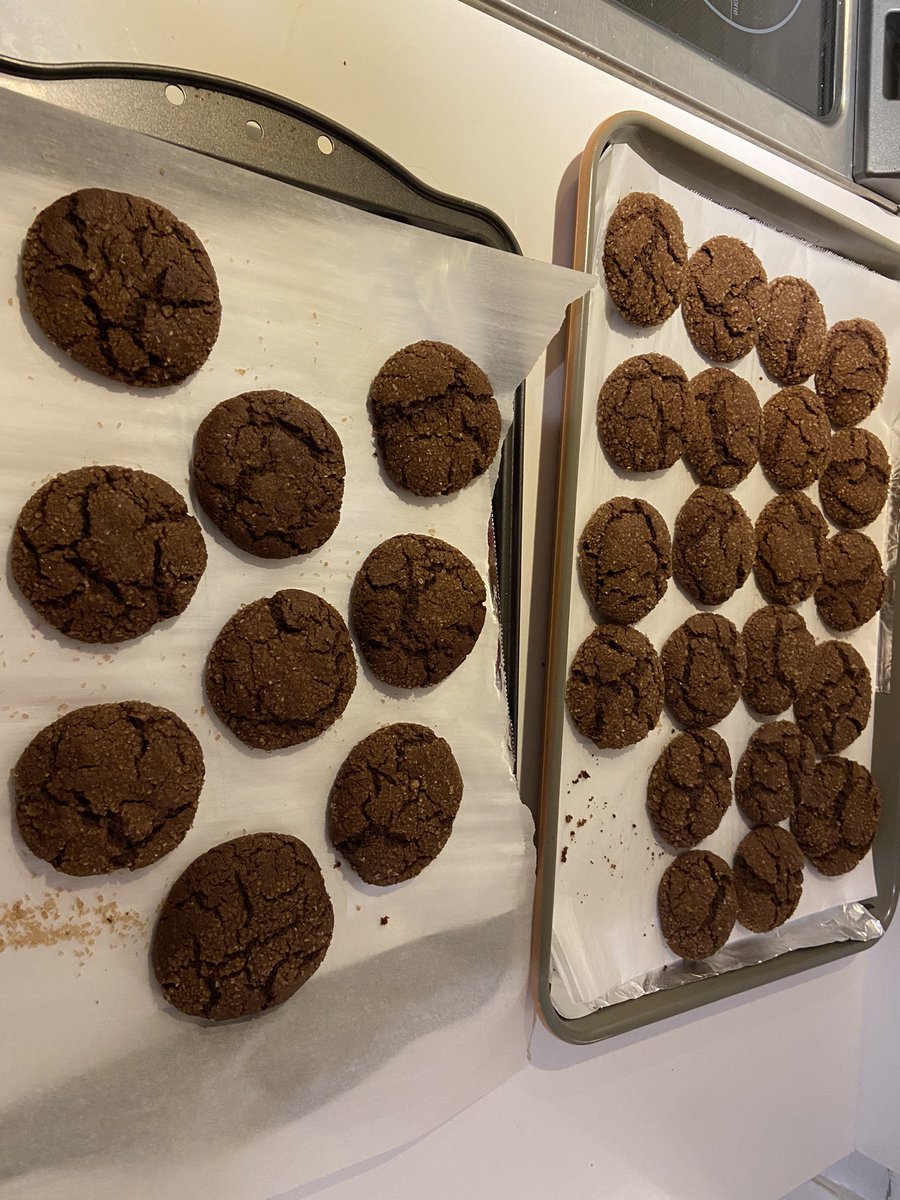
Gingersnaps. Basically followed Stella Parks recipe, but I doubled the amount of ginger and other spices, and substituted 50g of whole wheat floor for Dutch processed cocoa.
@mackenziejem LES can be used together with any short ranged machine learning interatomic potential, and it’s pretty lightweight. So if the base short ranged mlip is parallelized, so can be the LES version.
Long-range ML potentials strike again! 🚀 We benchmarked LES on diverse systems—molecules, solutions, and interfaces. Learning just from energy & forces, LES gives the most accurate potential energy surfaces, and physical charges, dipoles, quadrupoles!
https://t.co/73zx6popZW
Bothered by the lack of long-range interactions in ML potentials? Meet Latent Ewald Summation—our solution to fix "shortfalls" in short-ranged ML potentials for electrostatic and dielectric systems, with only a modest computational cost!
https://t.co/1WIEg4GIpl
Students of chemical physics, soft matter, biophysics, or anyone interested in understanding the visible world through a lens of its molecular constituents should check out Statistical Mechanics and Stochastic Thermodynamics, available for preorder https://t.co/Y761hftU3K
Bothered by the lack of long-range interactions in ML potentials? Meet Latent Ewald Summation—our solution to fix "shortfalls" in short-ranged ML potentials for electrostatic and dielectric systems, with only a modest computational cost!
https://t.co/1WIEg4GIpl
Spherical harmonics underlies atomic cluster expansion and most equivariant message passing machine learning potentials. But it is not the only way. Take a look of how to do the same only using Cartesian coordinates.
https://t.co/ZZendh59xo
JCTC has opened submissions to a new Virtual Special Issue, Machine Learning and Statistical Mechanics—Shared Synergies for Next Generation of Chemical Theory and Computation @devivo_marco@tiwarylab@RosyCers@ChengBingqing @gagliardi8
Learn more ✨ https://t.co/VVNF09JCQ0