@_27263hsbdjdiu Good one. "Nurses must understand principle 3 of the code of NMBA, Nurses shouldn't be deciding if the care provided is culturally safe & respectful or not but, it is upto the consumers and the family."-By Devanshi
#nursing1008 Yes mate, I also thought about this and confused recently. Your tweet helped a lot. I still cannot help wondering when the intergenerational trauma will stop?
Why can’t Indigenous Australians “get over it” and “move on” is because of our lack of understanding of how intergenerational trauma has impacted the Aboriginal Peoples lives and health including their families and communities #NURSING1008
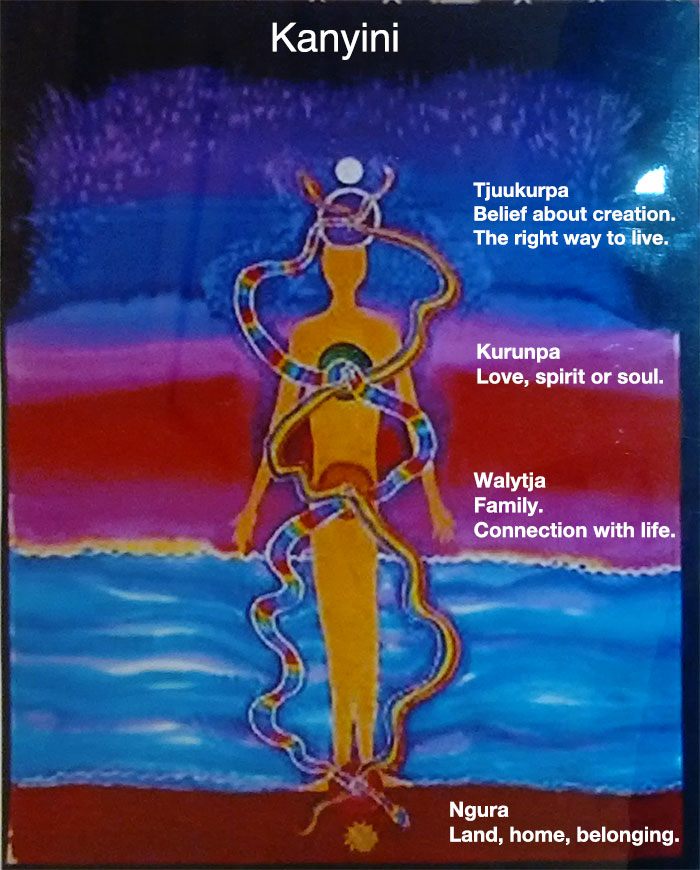
Very informative summary. Pic shows "Two energy lines they believe exists through the universe.Energetic consciousness of life. A combination of spiritual and physical.Two snakes become energized and help each other up to the next level." #nursing1008
Aboriginal people do not determine Aboriginality by skin colour; using language relating to skin colour or suggesting blood quantum is highly offensive.
While undertaking your admission assessments it is important that you ask. It is not culturally safe practice. #nursing1008
Power imbalance is use of the term ‘non-compliant’ to describe patients who do not follow a nurse’s instruction. A term like non-compliant emphasises the power that nurses have over clients and demonstrates little analysis of the ways. #nursing1008
While working as a RN at Aboriginal Medical Service, my role as sexual health coordinator. I faced a constant problem, because the Indigenous young women would not agree to consultations with the male obstetricians and gynaecologists. I had to negotiate with hospital #nursing1008
Colonisation has left unrelenting legacy upon Aboriginal and Torres Strait Islander people through the continuing economic, social, political and educational marginalisation of them and its profound effect on their health and wellbeing and that of their communities.#nursing1008
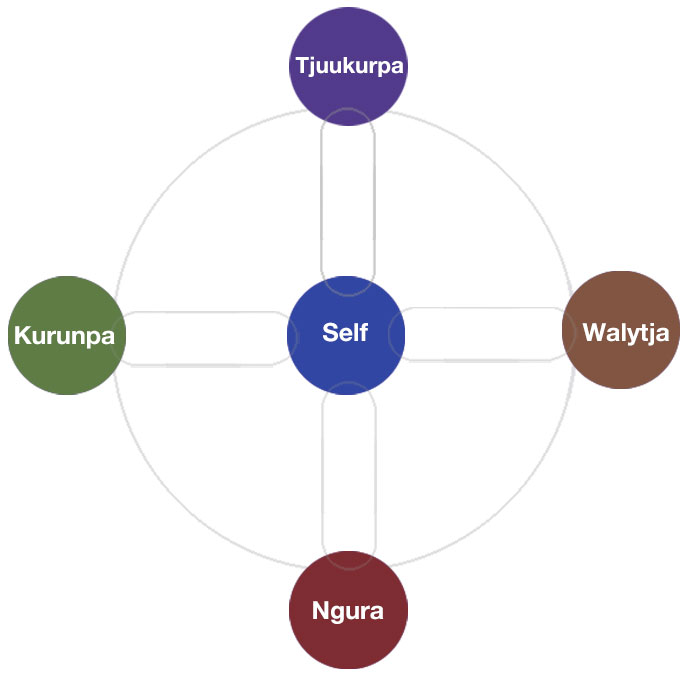
The Kanyini pillars passed down from the Aborigines elders.
Ngura:A sense of belonging to home and land.
Walytja:Family connecting with life.
Kurunpa:Love, spirit or soul.
Tjuukurpa:The belief about creation and the right way to live. #nursing1008
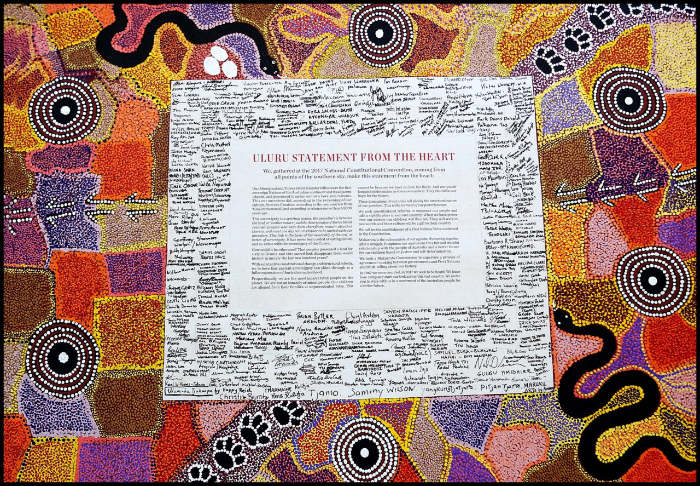
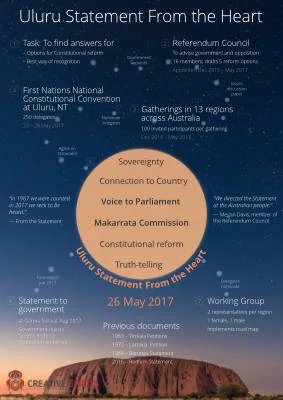
#nursing1008 Key elements of the Uluru Statement from the Heart includes sovereignty, constitutional reform, makarrata commission, truth-telling, voice to parliament.
"In 1967 we were counted, in 2017 we seek to be heard."
— From the Uluru Statement from the Heart
Uluru Statement from the Heart is a document Aboriginal people from all over Australia agreed on from 23 to 26 May 2017, . In it they express that they are a sovereign people, and what they want all Australians to do to recognise and support this sovereignty. #nursing1008
It was directed at addressing the disproportionate levels of violence in Indigenous communities in the NT, characterised by economic deprivation and poor health outcomes. It was a response to the (‘Little Children are Sacred Report’) into sexual abuse of Indigenous children.
#NURSING1008 The Northern Territory Intervenntion given for introducing the measures was the Little Children are Sacred report published in 2007, being the findings of an inquiry into child sexual abuse in the NT, allowing little time for consultation with Indigenous communities
When Australia was founded by the British, the decline in the First Nation Peoples' health and the decline in population numbers stems from this time. Policy decisions and societal factors have a lasting legacy. Almost two-thirds of the population did not survive.#NURSING1008
#nursing1008 Purple House’s ‘Return to Country’ program helps patients to get home to their families and communities for short-term visits in between dialysis treatments, arranging their return to Alice Springs or Darwin in time for their next treatment.
There have been barriers to the recruitment and retention of Indigenous employees, such as overly high expectations; discrimination and racism; and lack of recognition of skills and knowledge. Also, there's lack of access to technology and education. #nursing1008
More than half of all Aboriginal avoidable deaths related to primary prevention. Availability,Affordability,Acceptability(Cultural)and Appropriateness (to health need) barrier persists in all states, Territories and Geographical Areas and major cities in particular.#nursing1008
Nurses and midwives are engaged in culturally safe practice when their care is determined as safe by the recipients of that care. The capacity for reflective practice should become second-nature for nurses and midwives who are culturally safe practitioners.#nursing1008
Principles of cultural safety
1. Reflect on your own practice
2. Seek to minimise power differential
3. Engage in discourse with the client
4. Undertake a process of decolonisation
5. Ensure that you do not diminish, demean or disempower others through your action
#nursing1008
Nielsen explored Aboriginal nurses’ experiences of the cultural challenges involved in working in mainstream health care. She identified four major themes:
1. discrimination
2. the whiteness of nursing
3. cultural clashes within nursing
4. cultural vitality. #nursing1008