We know the methods and have the tools. Malaria Elimination is within our reach. Have a productive World Malaria Day #ChangingNarratives#BeyondWMD#WMD2025
A total of 44 countries and 1 territory are now malaria-free! 🎉
We're committed to supporting endemic nations in adopting successful models like #Egypt and Cabo Verde, whilst staying vigilant in countries declared #ZeroMalaria with monitoring and surveillance.
We can #EndMalaria!
I was asked, "Do civil society advocates still exist in the social sectors - health, education & poverty reduction?" Are civil society voices committed to improving lives or to political correctness & 'civil consultancy' labelled as 'advocacy'? Help me 🤔 @daktari1@lisa_hilmi
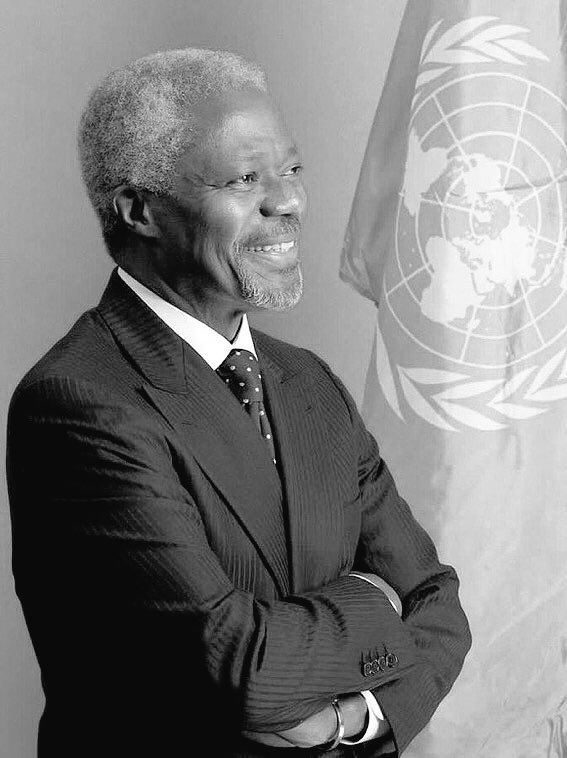
Kofi Annan touched so many lives. Very few people know that he actually started his diplomatic career at @WHO headquarters in 1962, as a budget officer. His journey towards top @UN leadership is an inspiration, and six years since he passed, his legacy remains an aspiration to continue working towards a healthier, safer, fairer and above all a more peaceful world for all. @KofiAnnanFdn
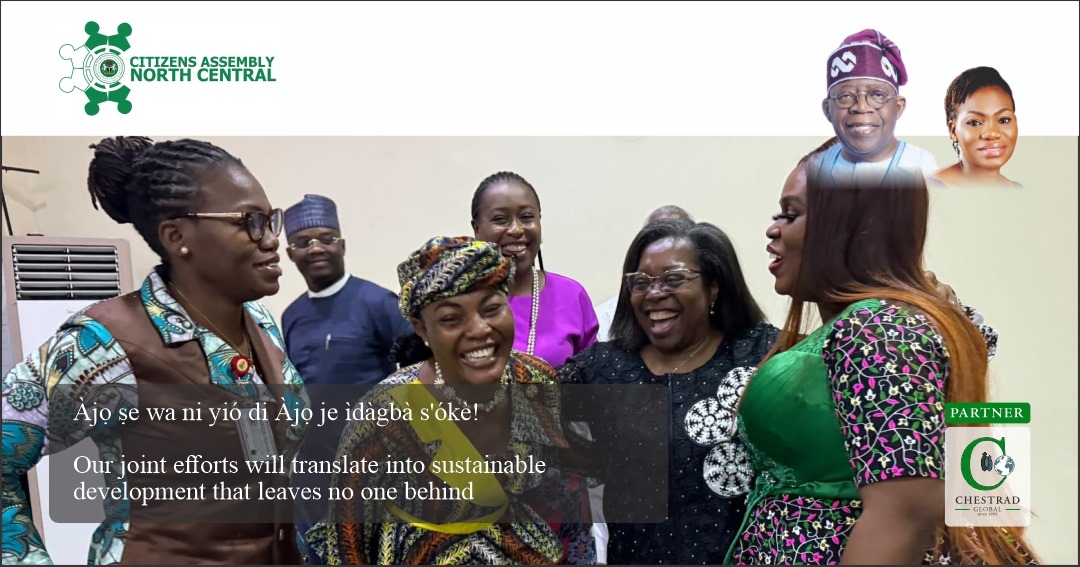
This afternoon, HE President Bola Ahmed Tinubu, GCFR @officialABAT, in-Council, approved a landmark policy set to transform healthcare human resource management in Nigeria.
The National Policy on Health Workforce Migration addresses the critical challenges facing Nigeria’s health human resources.
As the AU @_AfricanUnion Champion for Human Resources for Health and Community Health Delivery Partnership, Mr President’s commitment to a resilient and robust healthcare system is powerfully reflected in this forward-looking policy.
This policy is more than just a response to the ongoing exodus of healthcare professionals; it’s a comprehensive strategy to manage, harness, and reverse health worker migration. It envisions a thriving workforce that is well-supported, adequately rewarded, and optimally utilized to meet the healthcare needs of all Nigerians.
Central to this vision is the Nigeria Human Health Resource Program, which sets a framework for regular reviews of working conditions, ensuring that health workers, especially in rural and underserved areas, receive the recognition and rewards they deserve. By fostering an environment conducive to professional growth and stability, the policy aims to retain top talent within Nigeria.
In an increasingly digital world, integrating advanced health technologies is essential. The policy’s focus on digital health infrastructure—including Electronic Medical Records (EMR), telehealth, and a comprehensive Health Workforce Registry—marks a significant step towards a more efficient, data-driven health system. These innovations will streamline healthcare delivery and enhance the equitable distribution of health workers, ensuring access to quality care for all Nigerians.
Capacity building is at the heart of this policy. It recognizes the importance of continuous professional development, with strategic partnerships and opportunities for international training to equip our healthcare professionals with cutting-edge skills. This investment in human capital underscores our commitment to retaining and empowering our healthcare workforce.
The policy addresses the return and reintegration of Nigerian health professionals from the Diaspora. By establishing streamlined registration processes and providing attractive incentives, the policy not only encourages the return of our talented professionals but actively reintegrates them into our health system. This approach leverages the expertise of our diaspora to bridge gaps within the health sector.
Also, the policy champions reciprocal agreements with other nations to ensure that the exchange of health workers benefits Nigeria. These bilateral and multilateral agreements are designed to protect national interests while respecting the rights and aspirations of our healthcare professionals. We call on recipient countries to implement a 1:1 match—training one worker to replace every publicly trained Nigerian worker they receive.
Recognizing the importance of work-life balance, the policy includes provisions for routine health checks, mental well-being support, and reasonable working hours, especially for younger doctors. These measures aim to create a supportive work environment, reducing burnout and enhancing job satisfaction.
The governance of this policy will be overseen by the National Human Resources for Health Program (#NHRHP) within @Fmohnigeria, in collaboration with state governments. This ensures responsible implementation and alignment with broader sector-wide (#SWAp) health objectives.
With this decisive action, the National Policy on Health Workforce Migration is set to secure the future of Nigeria’s healthcare system. Under Mr. President’s leadership, this policy will further catalyze the transformation of our health sector, ensuring access to quality healthcare for all Nigerians.
As we embark on this journey, all stakeholders are invited to contribute to building a healthcare system that reflects our nation’s potential and promise.
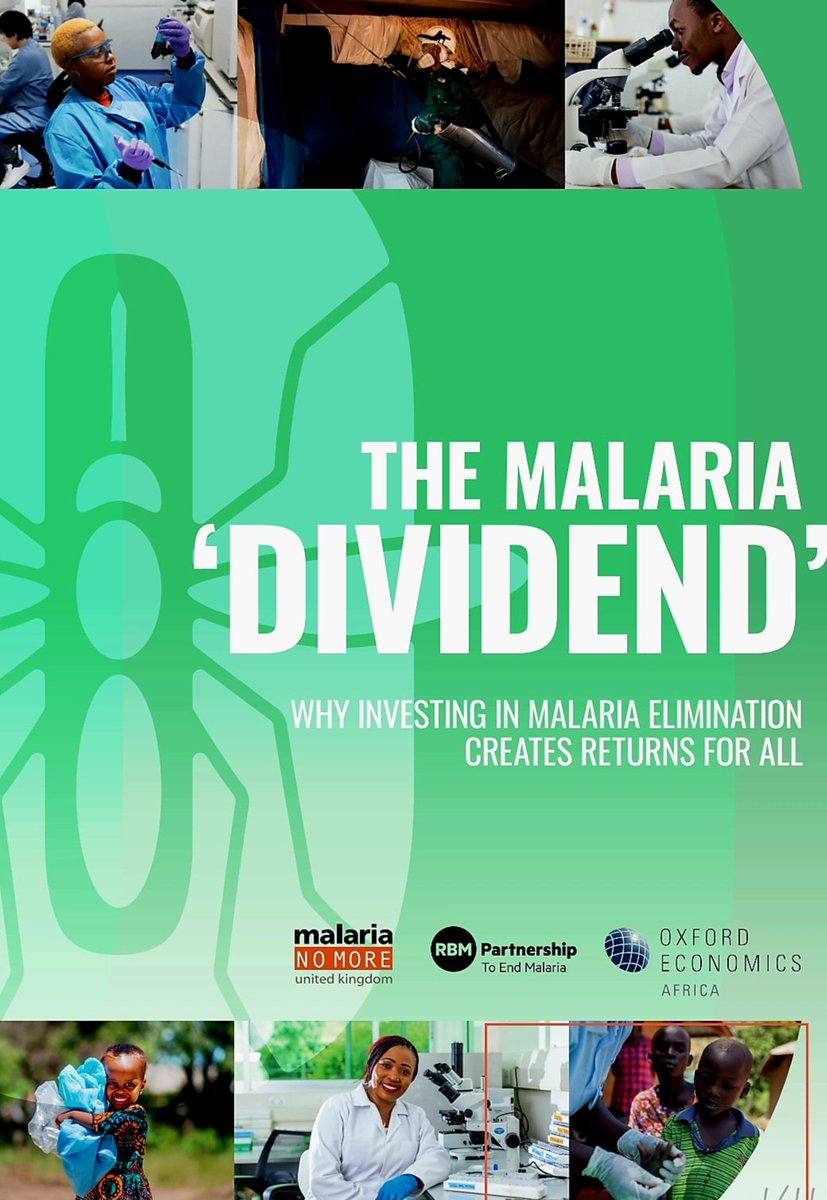
Eradicating malaria is possible with robust and sustained investment.
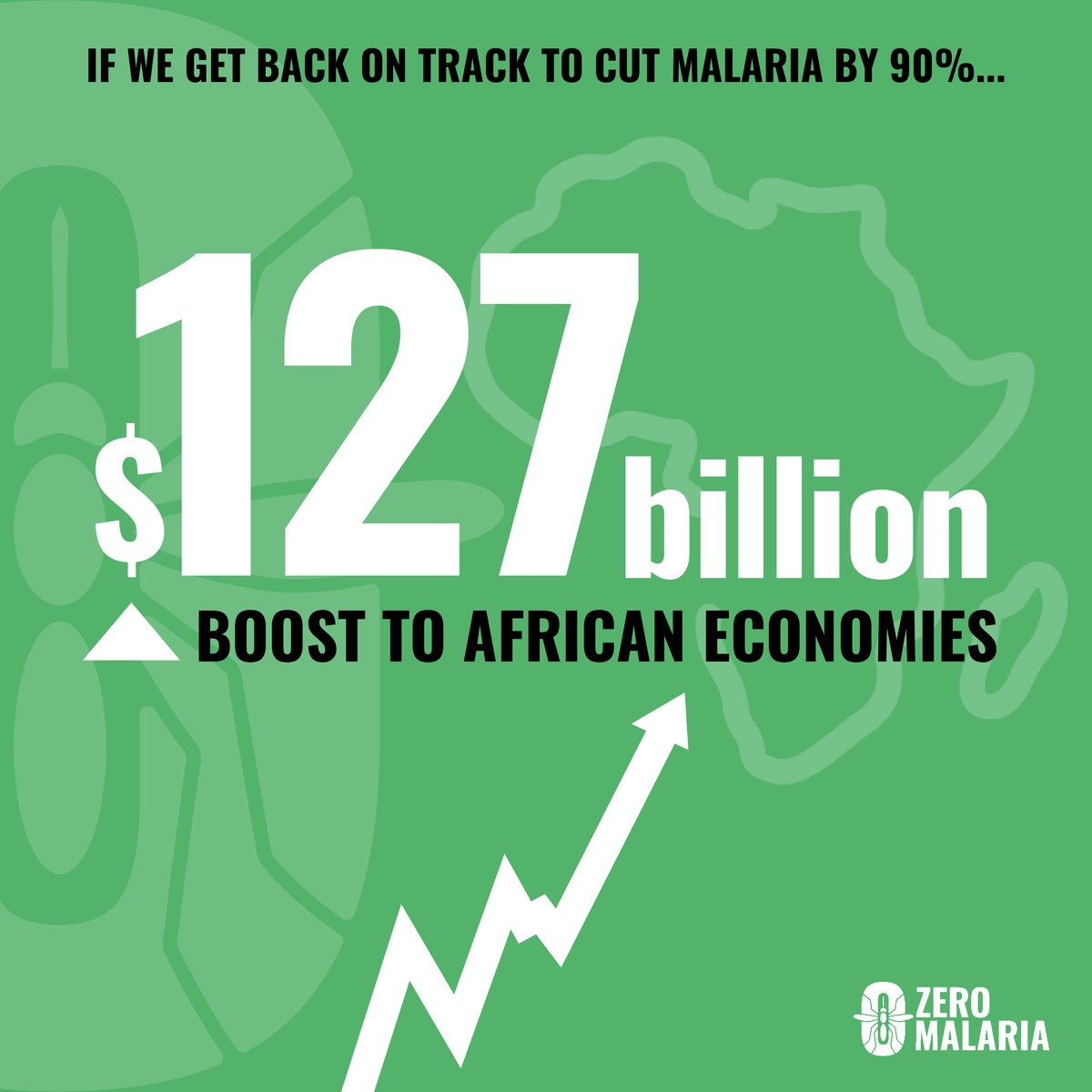
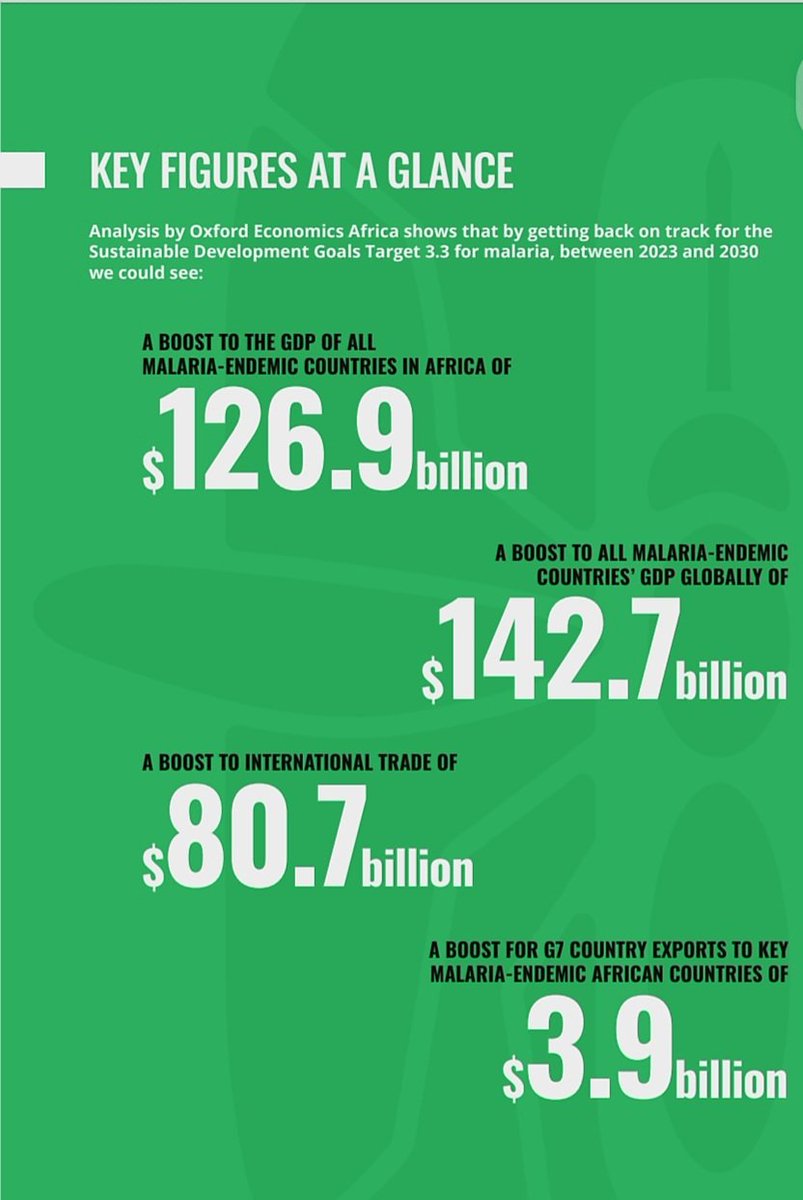
A new report by @MalariaNoMore & @endmalaria shows how investing in malaria elimination will save millions of lives, grow African economies, & strengthen health security. Read more: https://t.co/lFmJoyfuoi
"Malaria affects productivity in many ways beyond the loss of lives - absence from school, absence from work, the burden of caring," says Dr. @dare_lola , RBM Board Member, in a recent BBC News interview.https://t.co/qAsC9iXAiG
🧵"Malaria affects productivity in many ways beyond the loss of lives - absence from school, absence from work, the burden of caring" - @dare_lola from @CHESTRAD_global on BBC News explains how malaria is an economic burden on many African economies. But there is hope...
Important report on the economic impact of malaria elimination. This aligns with the campaign 'Change the Narrative Now'. We support this and
call on all to invest in malaria elimination for improvements growth and global trade https://t.co/QLhO6463xm @ALMA_2030@Amref_Worldwide