A country’s vitality is deeply tied to the value it affords to human life in every form and condition, acknowledging the dignity endowed upon every human person by virtue of their very existence. The moral greatness of a nation is manifested, above all, in its capacity to support, protect and cherish the lives of all, especially the most vulnerable and those whose worth is questioned.
If the two disciples of Emmaus recognize Jesus when He breaks the bread for them, we too should recognize Him in this way. Not just in the Eucharist, but wherever there is a life that becomes broken bread, wherever someone makes a compassionate gift of themselves, like He did. With the grace of the Risen Christ, we can become this broken bread that transforms reality. #GospelOfTheDay (Lk 24:13–35) #ApostolicJourney #Angola
Let us reject the logic of violence and war, and embrace peace founded on love and justice—an unarmed peace, not based on fear, threats or weapons. This peace is disarming, because it is capable of resolving conflicts, opening hearts, and generating trust, empathy, and hope. I strongly reiterate: The world thirsts for #Peace! Enough of war and all the pain it causes through death, destruction, and exile! #ApostolicJourney #Cameroon
God’s heart is torn apart by wars, violence, injustice and lies. But our Father’s heart is not with the wicked, the arrogant, or the proud. God’s heart is with the little ones and the humble, and with them He builds up His Kingdom of love and peace day by day. Wherever there is love and service, God is there. #ApostolicJourney #Algeria
Even today there are tombs to be opened, and often the stones sealing them are so heavy and so closely guarded that they seem to be immovable. Some weigh heavily on the human heart, such as mistrust, fear, selfishness and resentment; others, stemming from these inner struggles, sever the bonds between us through war, injustice and the isolation of peoples and nations. Let us not allow ourselves to be paralyzed by them! #Easter
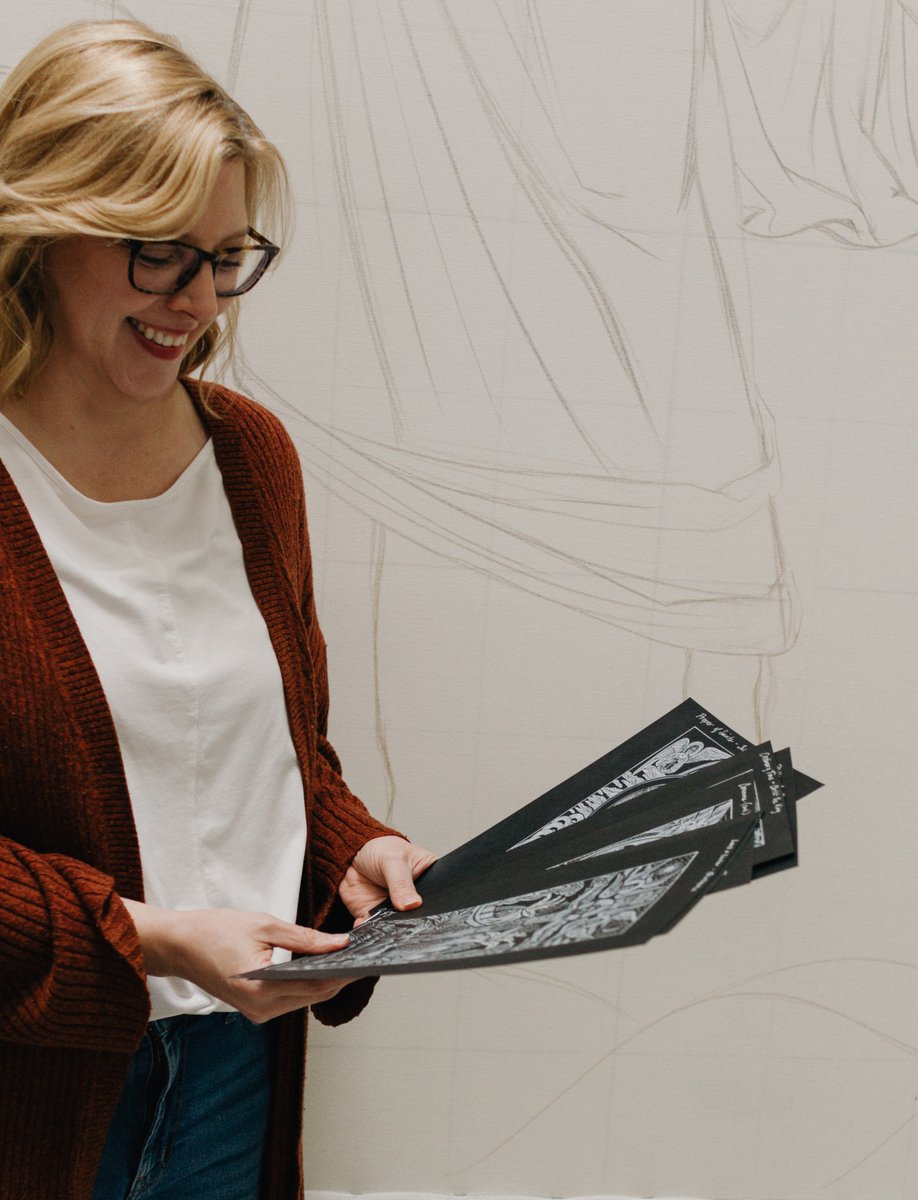
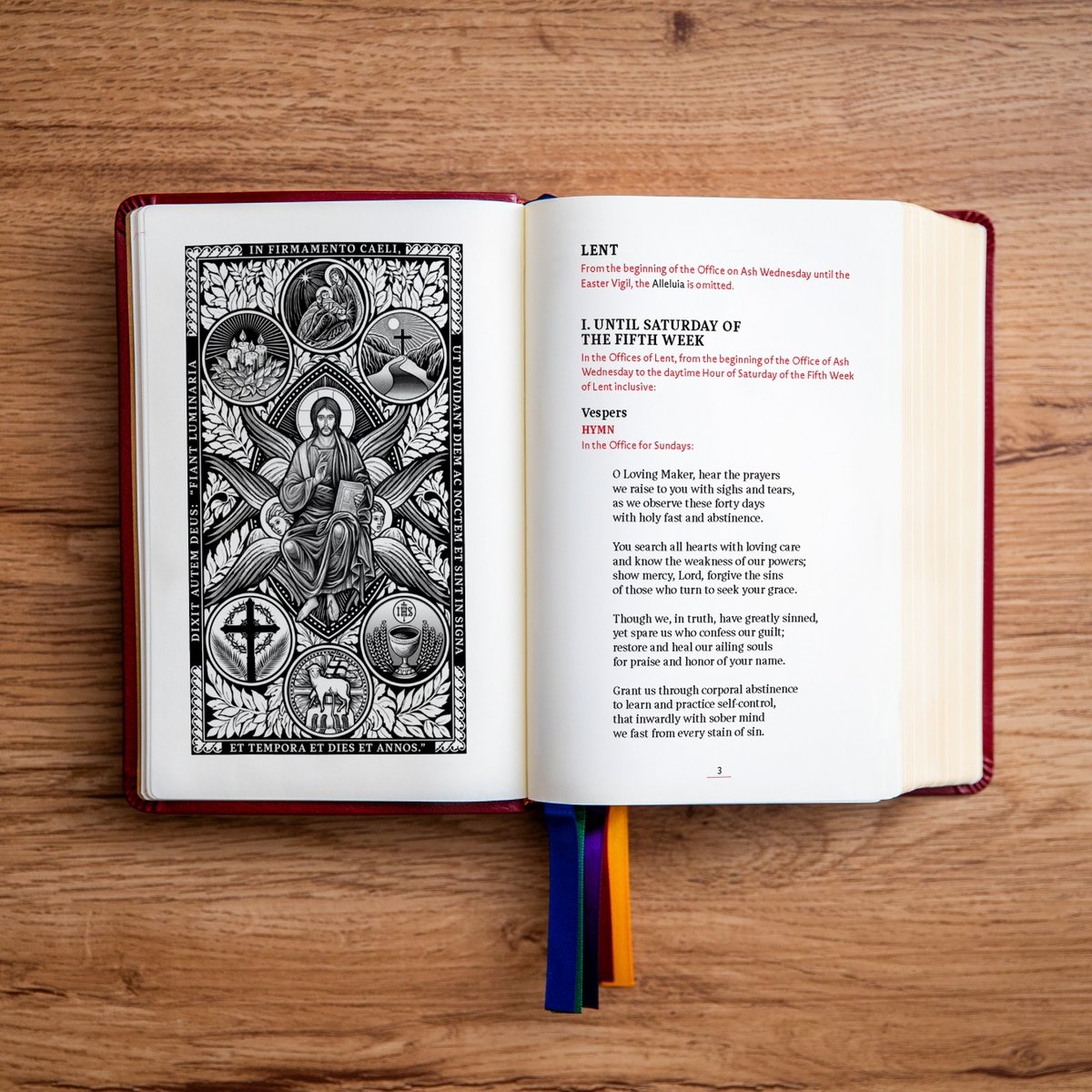
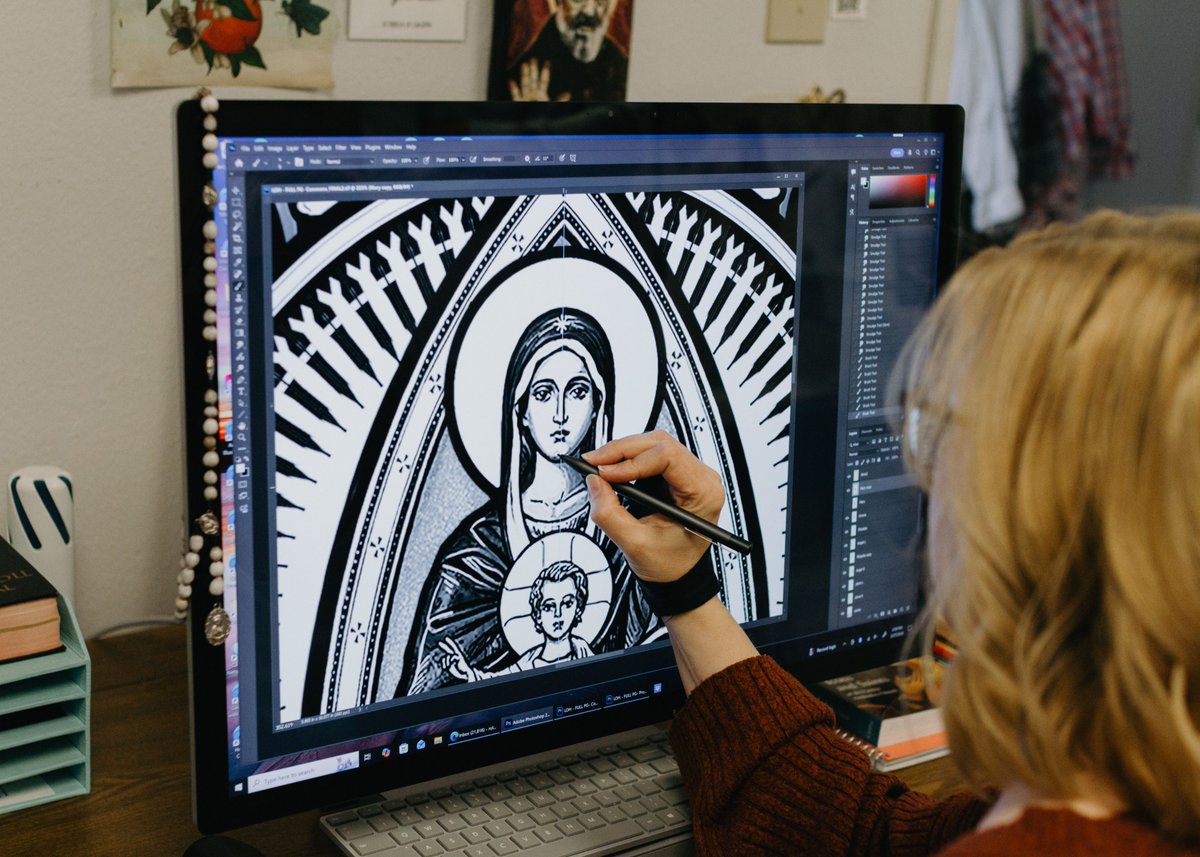
After months of careful work behind the scenes, we’re excited to give a first look at the original artwork for The Liturgy of the Hours, Second Edition, created by Ruth Stricklin of New Jerusalem Studios.
The dozens of pieces in this collection are deeply rooted in Scripture and Tradition, designed to draw you into the beauty, mystery, and daily prayer of the Church.
Learn more: https://t.co/UdUnSyY9Gc
@discord My account got disabled just trying to get normal work done for eSports coaching. Why does this keep happening? Username: brotherchicagovianney
Newly ordained Catholic Priests in South Korea blessing their bishops.
South Korea has a rapidly growing Catholic population with roughly 5.8 to 6 million adherents, making up about 11% of the total population.
In the current context, we are seeing an actual “short circuit” of #HumanRights. The right to freedom of expression, freedom of conscience, religious freedom, and even the right to life are being restricted in the name of other so-called new rights, with the result that the very framework of human rights is losing its vitality and creating space for force and oppression. This occurs when each right becomes self-referential, and especially when it becomes disconnected from reality, nature, and truth.
Via Nicolas Geranios
Growing up, I was always taught that the “first Thanksgiving” was the meal between Squanto and the English pilgrims. That was the picture we all learned in school: friendly Native Americans helping a starving group of Calvinist Puritans and then sharing a feast in 1621.
Only in recent years did I learn how much of the story had been left out.
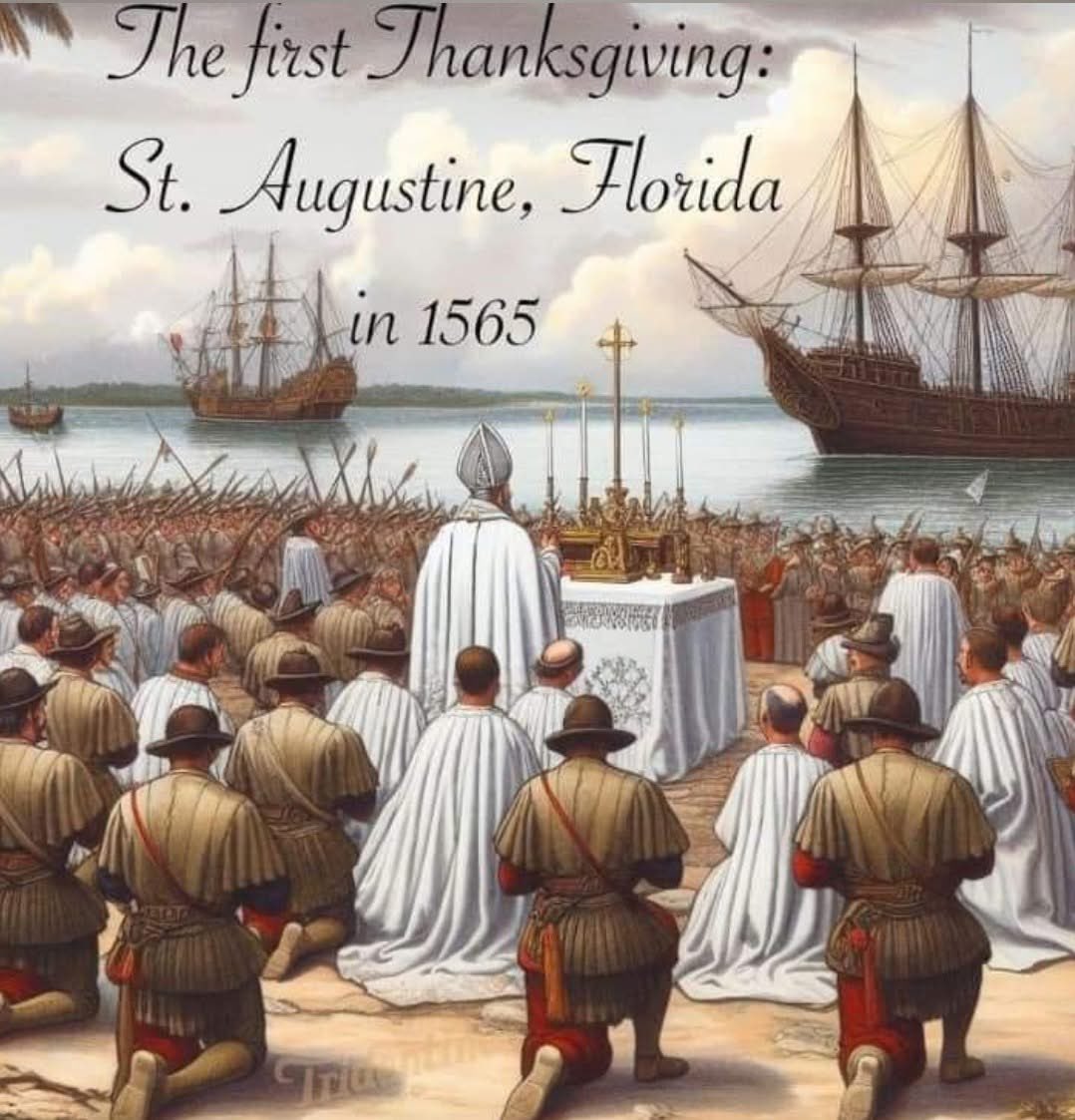
The actual first Thanksgiving on American soil took place in 1565 on Timucua (specifically Seloy) tribal land, in the place that would later become St. Augustine, Florida. It was celebrated by Spanish Catholics who had just arrived. They offered a Mass of thanksgiving and then shared a meal with the local Native peoples. In the most literal sense of the word “Eucharist” (which means “thanksgiving”), the first Thanksgiving was a Catholic act of worship followed by a communal feast.
None of this was ever mentioned in school.
And another part of the story I never heard as a kid: Squanto himself had been baptized Catholic years before he met the Puritans. His journey was extraordinary. In 1614, he was kidnapped by English traders under Thomas Hunt (English Protestants, not Spaniards and not Catholics) who tried to sell him into slavery in Spain.
What happened next is sobering...a part we were never told.
When Squanto arrived in Spain, Catholic friars intervened. They prevented his sale, took him in, taught him, and helped him make his way out of Europe. They are the ones who freed and protected him. Without their help, he would likely never have returned home.
Years later, when the Calvinist Separatists landed at Plymouth, hungry, unprepared, and close to death, it was this same Squanto (educated, freed, and helped by Catholics) who stepped in and guided them. Many historians agree they would not have survived the first year without him.
So while the 1621 feast is part of our national memory, the deeper story is far older and far more Catholic than we were ever taught. The first Thanksgiving was Catholic. The first European/Native cooperation on this land was Catholic. And even the survival of the pilgrims owes something to a Native man rescued and cared for by those formed by, and practicing, the Catholic Faith.
It’s a fuller and more honest telling of the story & one that fills in many missing pieces.
On this Solemnity of All Saints, it is a great joy to include Saint John Henry Newman among the Doctors of the Church, and, at the same time, on the occasion of the Jubilee of the World of Education, to name him, together with Saint Thomas Aquinas, as co-Patron of the Church’s educational mission.