Zvimwewo tendai Second republic
We know even mungati its Baba's responsibility to provide pamba but even vakauya neMatemba mukadzi anotodetemba nemutupo
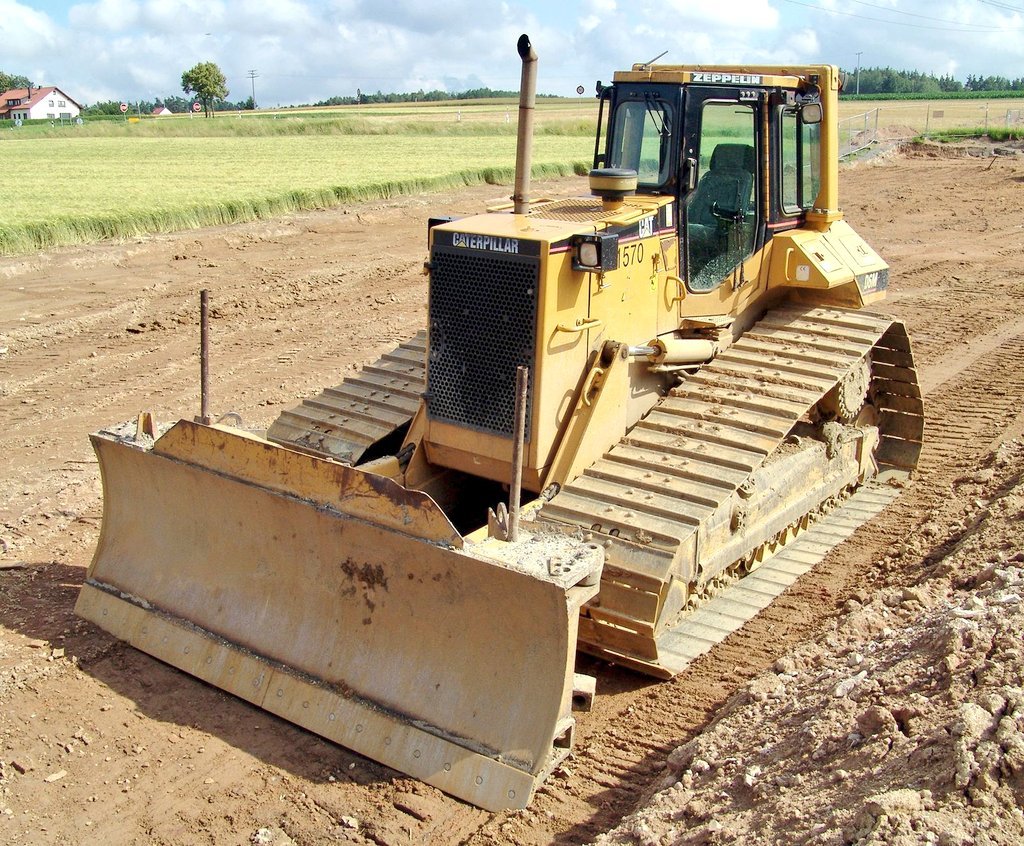
Cutting my story short; The idea of removing DUTY on Construction Equipment and Solar PV related products, HUCHI.
I bought 600 watts Jinko & Canadian Solar panels at $60. Gents, I used to folk out $130-$160��😭.
The prices of TLB, good second hand is now $20k-$28,000🙌🏾
Apa Felix Mhona kari kurova maRoads ekuJeruselem itsva🙌🏾
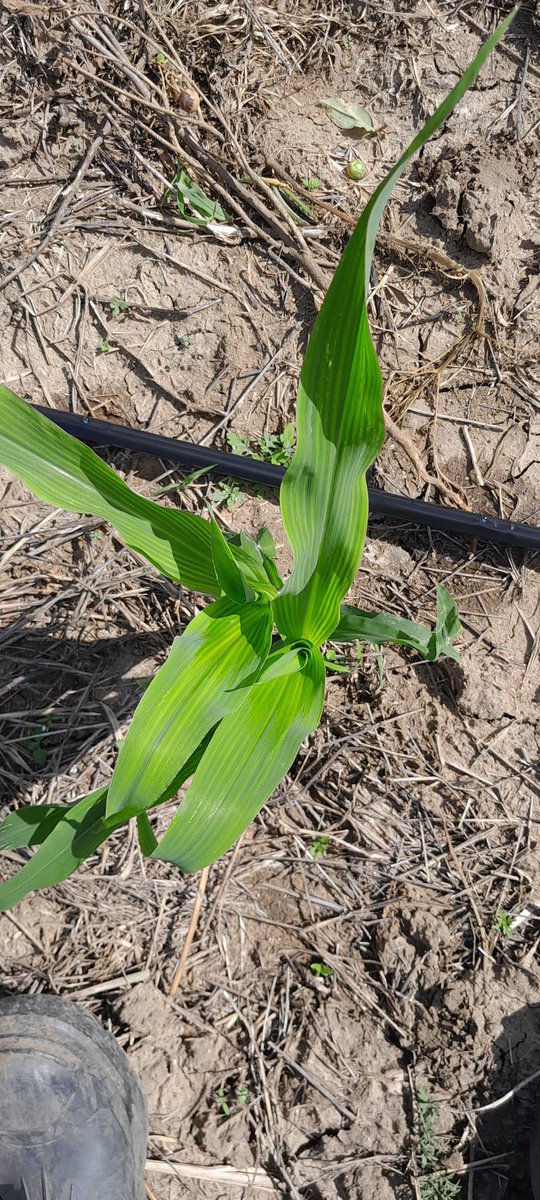
Are you planning to do Green mealies soon after the cold winter ?If your answer is YES:- stay tuned
We are going to release a thread on
- Why green mealies?
-Which one is the best variety? And why?
-How to grow them cost effectively?
- Pain points of growing green mealies?
Check out our next post this week as it will unpack green mealies production, we are sure it will assist you making the right decision on time
ChiefFarmer™️ Cultivating Knowledge , Harvesting Prosperity
@cmashx@MoLAFWRD_Zim@mtp_farm
#ItStartsWithTheRightSeed #ExecutiveAgronomy #SC727 #SC608 #GauchoTreatedSeed #MarketFavorite #FoodSecurity
GREEN MEALIES THREAD (Part 1)
Are you planning to grow green mealies after the cold winter?
If your answer is YES, this thread is for you.
Growing green mealies is one of the quickest ways to generate income if you plant the right variety, establish the correct plant population, and target the market at the right time.
NB :-Assumption is pH is within tolerance (5.5 and 6.5).
•Nutrition will feature in part 2
•Moisture management part 3
•Weed Management in part 4
• Disease and Pest Management 5
1/ Why grow green mealies?
Green mealies offer:
-Faster cash flow than waiting for dry grain.
-Strong demand from vendors, -supermarkets, roadside markets, institutions, and urban consumers.
-Lower exposure to late-season drought since harvesting occurs before physiological maturity.
Opportunity for multiple planting windows where irrigation is available.
2/ Which varieties are preferred by the market?
The market consistently favors:from @SeedCoZimbabwe
-SC727 (Nzou)
Large, well-filled cobs.
Attractive husk cover.
Excellent eating quality.
High market acceptance and premium prices.
Long shelf life
- SC608 (Shumba)
Uniform cob size.
Yellow in color
Reliable performance across many production areas.
Strong consumer preference.
Excellent fresh market quality.
Both varieties have established reputations among traders because consumers prefer large, sweet, well-filled cobs with an attractive appearance and Lengthy shelf life.
3/ Use Gaucho-treated seed and other seed dressing (nutritional micro elements)
Always plant Gaucho-treated seed .
Benefits include:
- Early protection against soil and early-season insect pests.(Grasshoppers)(preventative of MSV instances)
- Improved crop establishment & root formation
- More uniform plant stands( high vigor)
- Reduced early pest damage, allowing seedlings to establish vigorously.
4/ Target the correct plant population
For green mealies, aim for approximately:
44,000–46,000 plants per hectare. 46 k takes into account 3-4% establishment germination losses. (0.75 m X 0.27m)
This population helps achieve:
-Good cob size.
-Uniform cob development.
-Better marketable yield.
-Reduced competition between plants.
Remember, green mealies are sold by cob quality, not simply by tonnes.
5/ Soil fertility matters
Green mealies require:
- Well-prepared, fertile soils.
-Adequate nitrogen( Nitrogen Units).
-Balanced phosphorus and potassium.
-Sufficient moisture throughout growth.
NEVER compromise on fertility if premium-quality cobs are your target.
6/ Irrigation is key (600-750mm of water)
Consistent soil moisture is essential during:
-Germination.
- Early Vegetative (V4) - cob size determination)
-Tasseling.
-Silking.
-Cob filling.
Water stress during these stages can significantly reduce cob size and market value.(Reduced attractiveness)
7/ Common pain points
Many growers struggle with:
-Poor plant populations.
-Incorrect variety selection.
-Fall armyworm and other pests.
-Inconsistent irrigation.
-Nutrient deficiencies.
-Missing the optimal marketing window.
-Harvesting too early or too late.
Good agronomic management minimizes these risks.
8/ Final thoughts
Success in green mealies production begins with:
Good land prep (Seed soil contact)
- The right variety (SC727 or SC608) Gaucho-treated seed
-A plant population of 44,000–46,000 plants per hectare
-Good water management (600-750mm)
-Weed free environment (pre &post weed control)
-Balanced nutrition (NPK , & micro elements) ,Split fert application can be done
-Producing the quality the market demands.(No Fall army worm Damage) use a chemical that is ovicidal and larvicidal.
The best returns come from producing cobs that consumers want to buy ,not simply producing more plants.
ChiefFarmer™️
Cultivating Knowledge, Harvesting Prosperity.
#ChiefFarmer #GreenMealies #ExecutiveAgronomy #SC727 #SC608 #ItStartsWithTheRightSeed #FoodSecurity #ClimateSmartAgriculture #ZimbabweAgriculture #Agronomy #FarmerSuccess
The Gumbo Madyirapazhe (sometimes spelled Madyirapanze) is a Shona totem (mutupo) and associated praise name (chidawo) primarily linked to clans in Zimbabwe’s Gutu district (Masvingo Province), where they form a dominant group under chiefs such as Chief Gutu.
Madyirapazhe (or Madyirapanze) is a compound praise name translating to “those who eat outside” or “they eat outdoors/outside.” It derives from kudya (to eat) + panze (outside). According to oral traditions, it was conferred on the migrating sons of Chief Musana because they left their original homeland and had to “eat outside”—either literally (sharing meals in new, unsettled lands) or metaphorically (establishing new homes and communities beyond their father’s domain). It reflects values of hospitality, adaptability, communal sharing, and pioneering spirit. Some accounts note that an earlier chidawo, Makuwapasi or Mukuvapasi (roughly “those who eat on the ground”), was abandoned or distorted because of its more “earthy” or literal interpretation; Madyirapazhe replaced or evolved from it.
The full praise name is often given as Gumbo Madyirapazhe, Chitovanedzevamwe (or similar variants), emphasizing sociability and generosity.
Historical Background
The Gumbo-Madyirapazhe clan traces its origins to the Korekore (northern Shona) people of the Musana (or Musana/Bindura) area in the Mazowe Valley, north of Harare. Oral traditions state that the clan’s founding migrants were sons of Chief Musana (names commonly cited include Chisvino, Mahwazhe/Mabwazhe, Nemashakwe, Munyikwa, and Nendanga). They left due to succession disputes or the search for new lands.
Migration path:
They first moved southward to the Buhera area.
From there, they entered the Gutu region (then part of broader southern Shona territories), where they became the pioneers and dominant settlers.
Conquest and settlement in Gutu:
Upon arrival, they encountered and displaced the earlier Shiri (bird totem) inhabitants. Oral folklore recounts that the Gumbo migrants conquered the area called Gona by poisoning fruit trees, thereby taking control. This event is immortalized in the praise poem with the line “Shava huru yakapamba Gona” (the big eland that conquered/seized Gona)—using “Shava” (eland) metaphorically for power or conquest.
The name Gutu itself is said to derive from Chinomukutu (or Chinomukutu wemiseve), meaning “the one with a load/bundle of arrows,” referring to a leader or the militaristic nature of the migration. The clan is sometimes called vaGutu or vaKorekore in this context.
The Gumbo-Madyirapazhe became the ruling or dominant group in much of Gutu district. Subgroups such as the Munyikwa-Rufura are highlighted in historical accounts as central to the chiefdom. They intermarried with local groups, absorbed some earlier inhabitants, and drove others (e.g., certain Hera/Shiri remnants) eastward. Their influence extended to areas like Nyazvidzi and beyond.
Cultural role of the totem:
Like all Shona totems, Gumbo Madyirapazhe functions as a cultural archive preserving migration history, identity, social norms (e.g., clan exogamy—no marriage within the same totem), and virtues such as hospitality and resilience.
The clan is stereotyped in oral praise as sociable, loving/caring, and fond of meat (kukara nyama), with some traditions noting bold or opportunistic traits in ancestral stories (e.g., taking wives regardless of prior status).
The extensive detembo (praise poem) recounts their journey, taboos, places of settlement (Gona, Raubwi, Hwiru, etc.), and attributes. A representative excerpt (compiled from consistent oral versions) begins:
Mazvita Gumbo, Maita zvenyu Madyirapazhe,
Shava huru yakapamba Gona Gararamasango,
Chipauro chamafuta Chikodza mhandara,
Godza muto mhuru inobva Gona…
Vanoera gumbo remombe asi mutumbi wayo vachidya…
Hekanhi Madyirapazhe… Zvaitwa Chitova, mushukuro wegonamombe… Aiwa zvaitwa Gumbo, Chinemukutu, maKorekore.
6. Munzviro
Kana uri murume anonzwa kuperezeka panguva yebonde,
That moment when you lose your erection uchitokwenya munhu
Tora 1 teasppon yemudzi wacho wakaomeswa ukaita powder.
Sanganisa ne 500ml yemukaka wofashaidza unomwa kaviri pazuva.
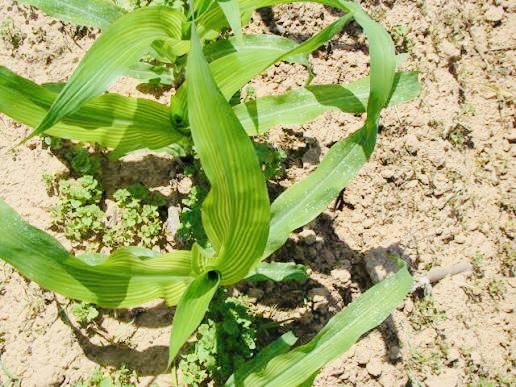
Zinc is a critical micronutrient for crops, soil health, & microbial activity. Its deficiency is common and can significantly reduce yield and crop quality.
Zinc Deficiency Signs
In Maize
White/yellow streaks on leaves, stunted growth, poor cob formation.
In Soyabean
Yellow leaves with green veins, leaf curling, reduced pods.
The Fix
· Soil Application: Apply 10–25 kg/ha Zinc Sulphate
· Foliar Spray: Mix 0.5–1 kg Zinc Sulphate in 200L water & spray on leaves.
Why Zinc Sulphate?
It’s fast-acting, provides zinc + sulphur, and boosts crop immunity, root growth, and yield!
OUR NEXT STOP IS NUTRIENT INTERACTION IN SOIL
ChiefFarmer™️|Cultivating knowledge , harvesting Prosperity
Chief Farmer- Dior Pote
#ZincDeficiency #MaizeFarming #SoyabeanCrop #SoilHealth #Micronutrients #SustainableFarming #FarmTips #CropNutrition #ZincSulphate #chieffarmer
THREAD:
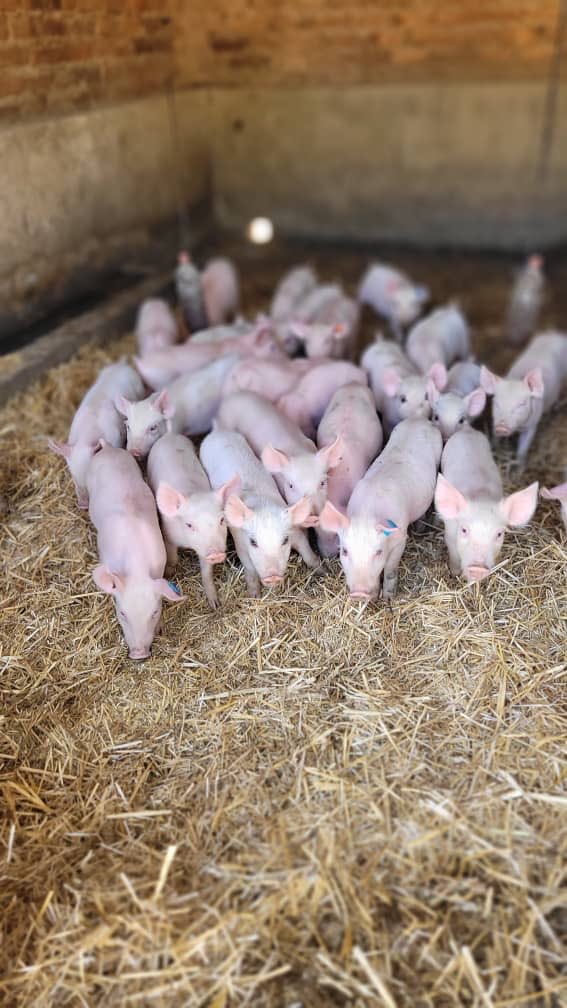
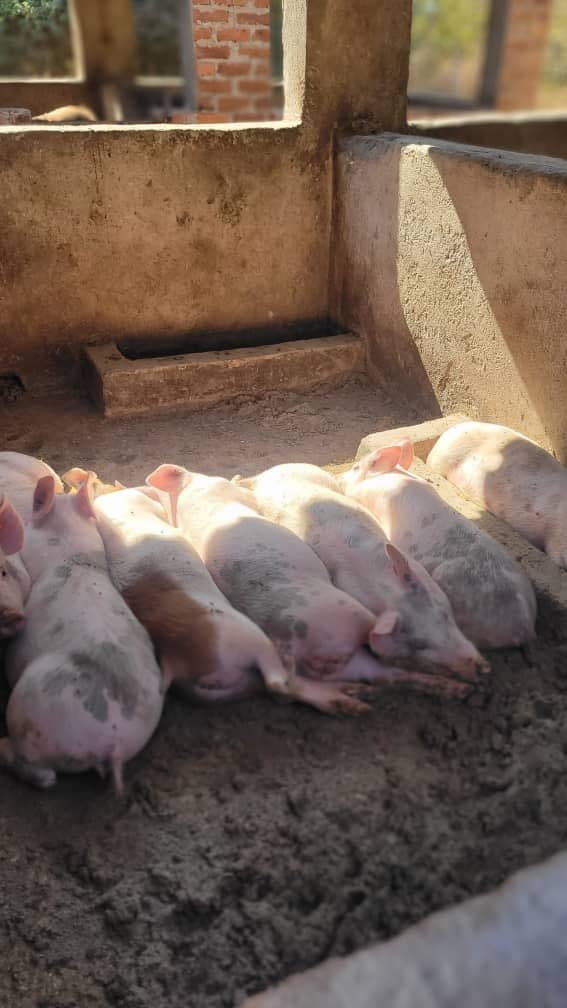
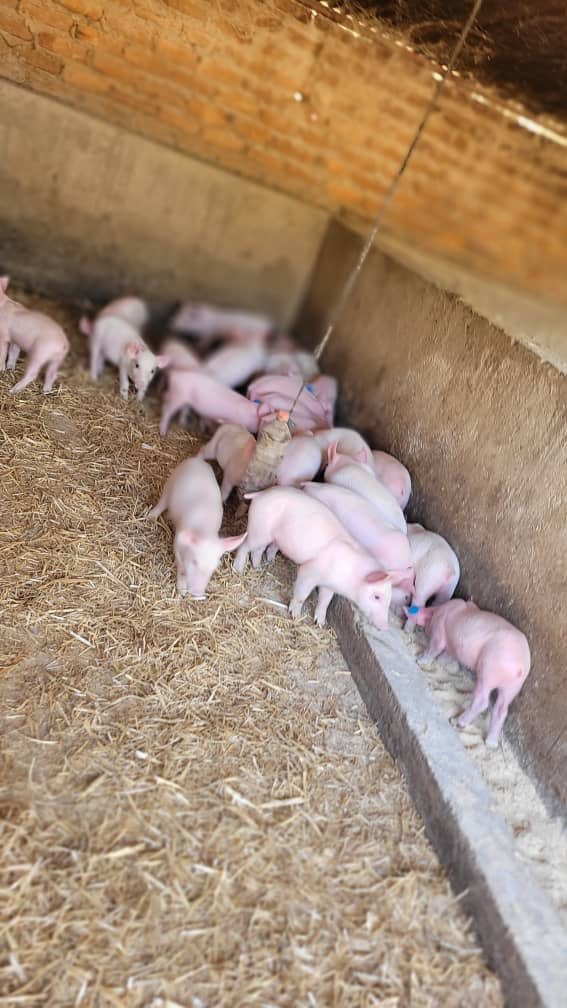
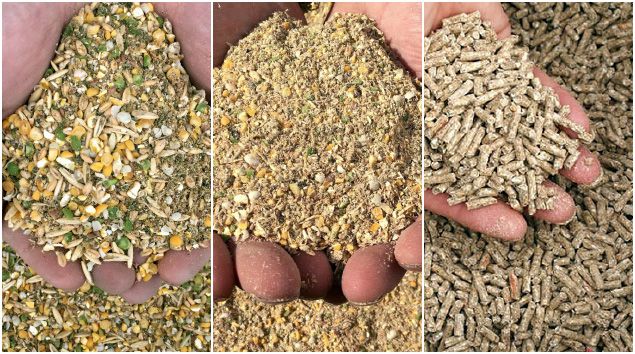
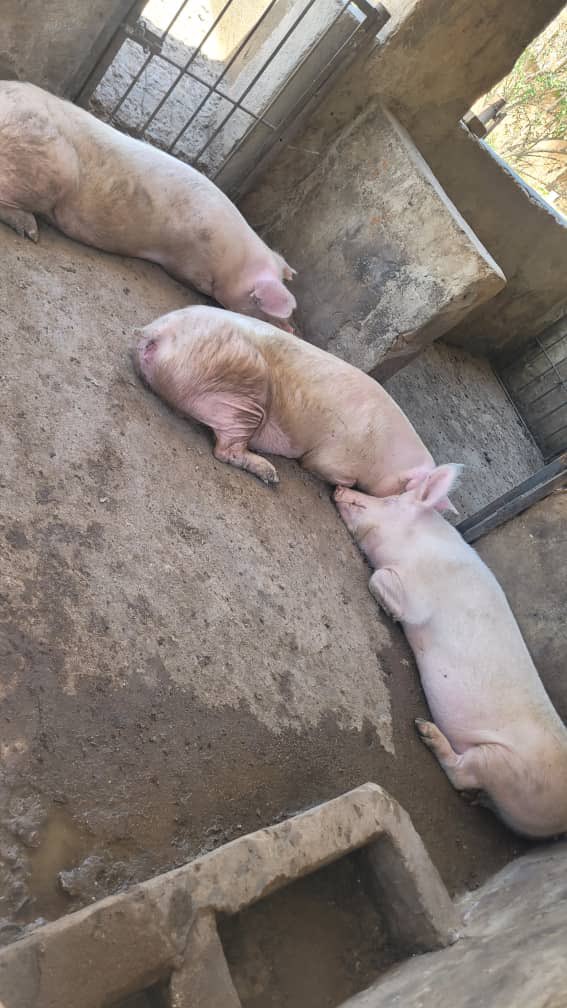
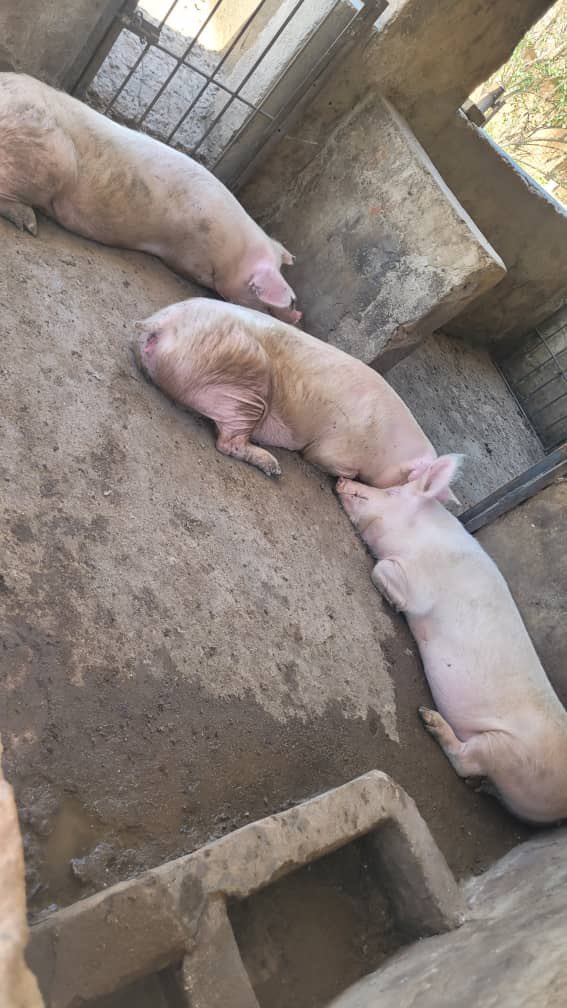
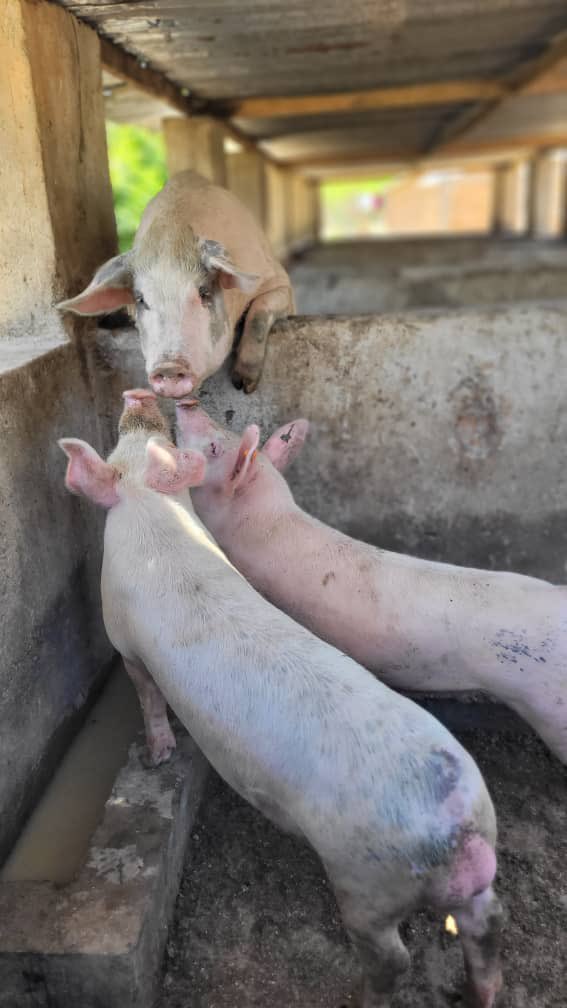
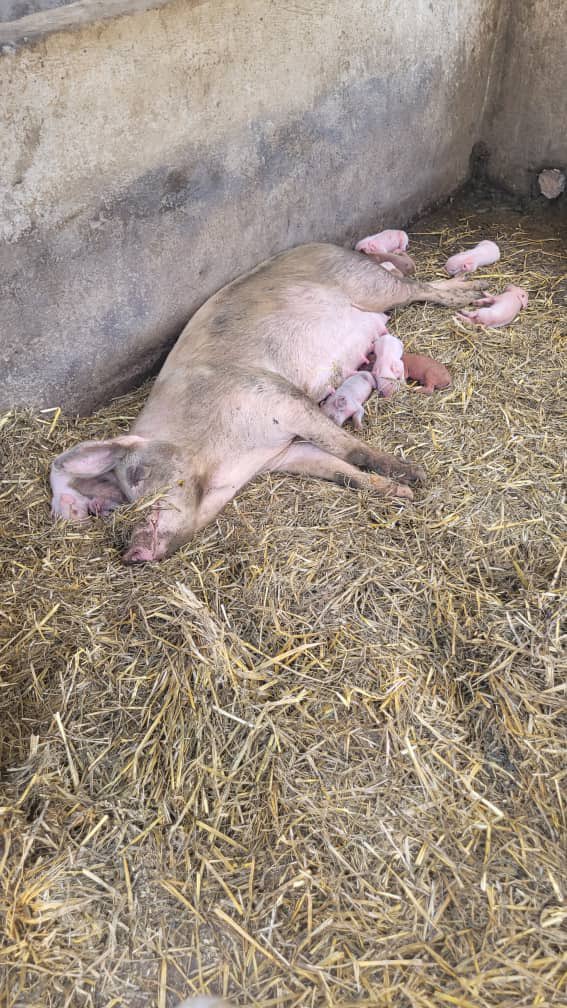
Pig Farming in Zim Feed Like a Boss, Profit Like a King 🐖💰🇿🇼
Pig farming isn’t just about feeding it’s about feeding with INTENTION. Every stage has a formula. Every kg of feed is either a step toward profit… or a waste.
Let’s break it down….
A Thread:
My experience as pig farmer !
Returning Home Is a Great Move. Here’s What I’ve Learned About Investing in Zimbabwe.
Going back home is something I truly support, but I want to share some personal insights based on my own experiences investing in Zimbabwe. It’s not always easy, in fact, it can be quite expensive. You'll feel the pressure when it comes to prices and the general cost of doing business.
For anyone considering returning home, I strongly recommend starting your investment journey while you're still in the diaspora. I understand how hard it can be to find someone reliable to assist while you're abroad, but whenever possible, try to be physically present during the early stages especially when setting up structures or making major purchases. A well-planned trip of just two to three weeks can be very productive if your goals are clear and your time is well-managed.
South Africa is a constitutional democracy that is deeply rooted in the rule of law, justice and equality. The South African government has not confiscated any land.
The recently adopted Expropriation Act is not a confiscation instrument, but a constitutionally mandated legal process that ensures public access to land in an equitable and just manner as guided by the constitution.
South Africa, like the United States of America and other countries, has always had expropriation laws that balance the need for public usage of land and the protection of rights of property owners.
We look forward to engaging with the Trump administration over our land reform policy and issues of bilateral interest. We are certain that out of those engagements, we will share a better and common understanding over these matters.
The US remains a key strategic political and trade partner for South Africa. With the exception of PEPFAR Aid, which constitutes 17% of South Africa’s HIVAids programme, there is no other funding that is received by South Africa from the United States.
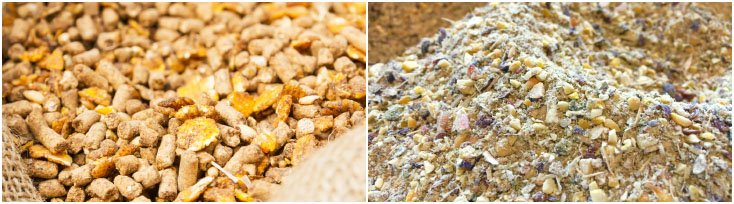
LAYER'S FEEDS?
Here’s a formulation guide based on expert recommendations:
1. Starter Feed (0-8 weeks)
- Maize: 50 kg
- Soya Meal: 17.5 kg
- Fish Meal: 12 kg
- Maize Bran: 10 kg
- Sunflower Cake: 4.5 kg
- Limestone: 4 kg
- Bone Meal: 1.5 kg
- Salt: 300 grams
- Premix: 200 grams
- Toxin Binder: 100 grams
This feed provides the necessary high protein (18-20%) for the rapid growth and development of the chicks.
2. Grower Feed (9-20 weeks)
- Maize: 60 kg
- Soya Meal: 14 kg
- Fish Meal: 10 kg
- Maize Bran: 7 kg
- Sunflower Cake: 5 kg
- Limestone: 2.5 kg
- Bone Meal: 1.2 kg
- Salt: 200 grams
- Premix: 100 grams
- Toxin Binder: 50 grams
This formulation lowers the protein content to around 16-18%, which is ideal for the continued growth and preparation of the birds for laying.
3. Layer Feed (20+ weeks)
- Maize: 55 kg
- Soya Meal: 13 kg
- Fish Meal: 8 kg
- Maize Bran: 12 kg
- Sunflower Cake: 6 kg
- Limestone: 5 kg
- Bone Meal: 2 kg
- Salt: 300 grams
- Premix: 150 grams
- Toxin Binder: 100 grams
This feed supports egg production with around 16% protein and the necessary calcium.
Farm smarter with #OptimistFarmer
WATERMELON GROWING TIPS🍉🍈
1.deep plough with a tractor
2. Make planting stations of depth 20cm.
3. Put heaped shovel of well rotten manure of either cattle, poultry, pig or goat.
4. Put (60g) of Compound C on each planting station and mix with the manure and soil within the planting station
5. Put the soil to almost level of the planting hole.
6. Irrigate to field capacity on each planting hole. The following day plant 3 plants on each planting station
7. Do a light irrigation regularly until there's good germination. Check cutworm effect on young seedlings and if any, spray any one of the following insecticides:
Decis forte, chloroprifos, lambda. For me, l prefer decis forte since it is persistent in the soil compared to other insecticides. After 7days of seedlings emergence, remove one seedling per planting station leaving two seedlings per planting station.
8. 2weeks after germination, top dress with AN (34.5%N) cup 5 per plant not pagomba pagomba plus winstart (160g per 16 litre of clean water) or omni boost (300g per 16litre of clean water) for root development
9. At 4 https://t.co/T69zKCSoOq dress with Pottasium nitrate at cup 2 per plant plus start to apply winglow at 160g per knapsack or 16 litre of clean knapsack.
Winglow promotes vegetative cropping
At 5, 6, 7weeks start to apply winbloom at 160g of clear water or best broom from zfc. It promotes crop flowering
At week 6, apply cup 2 (2g), potassium nitrate.
At Week 8, apply calcium nitrate. During this crop stage- crop flowering, irrigate daily becaus crop water requirement increases.
10. Watermelon is very prone to attack by fruitflies hence there is need to spray the following insecticides:
1) thunder
2) Acetacure
3) Malathion 50EC
4) Nemesis
5) Cartap hydrochloride
NB: Rotate at three of the above insecticides at day 3-4 interval.
11. From a 2-leaf stage of the crop, spray Preventative fungicides in rotation:
1) copper oxychloride
2) bravo
3) mancozeb
This should be done on weekly basis on crop under drip irrigation
If the crop is under overhead irrigation, spray should be done on every 4-5 day interval
12. For curative fungicides, use at least one of the following:
1) chemlaxyl / ridomil gold
2) -tebuconazole / folicur
3) otiva
4) Bion
This should be done for every fortnight on crop under irrigation
If the crop is under overhead irrigation, apply for every week.
13. Spacing is 150 cm between the rows and 75cm from plant to plant
After practising these activities. You will be amazed with the results. Very big watermelons.!
I am assuring you to get 22kg per fruit with crimson sweet variety.
The agronomic practises and crop protection is similar for other cucurbits such as pumpkin kayla, Butternut Waltham Plus and cucumber.
At cucumber, spacing is 40cm x 100cm but placing one seed per planting station. This means that application rate per plant will be +30g of compound C.
#AfrostainFarmtech
#Sustainable #farming
#agribusiness
𝐈𝐧𝐛𝐫𝐞𝐞𝐝𝐢𝐧𝐠 𝐢𝐧 𝐏𝐢𝐠𝐠𝐞𝐫𝐲: 𝐈𝐦𝐩𝐨𝐫𝐭𝐚𝐧𝐭 𝐀𝐝𝐯𝐢𝐜𝐞 𝐟𝐨𝐫 𝐅𝐚𝐫𝐦𝐞𝐫𝐬
I want to offer some advice to both new and experienced farmers regarding the purchase of breeding stock. When buying from large companies, it’s wise to save enough to purchase both gilts and boars on the same day. If you can only buy one, make sure to ask for the name of the boar. The reason for this recommendation is that it allows you to communicate your need for breeding stock directly, ensuring the sellers are aware of your requirements from the outset to avoid inbreeding .
This topic is important because many farmers are unaware of the risks of inbreeding, which can lead to confusion when their projects underperform, even when the breeding stock comes from reputable sources.
Often, farmers buy breeding stock in small batches for various reasons and then return to purchase additional gilts or a boar. This can create confusion and potential mix-ups. If you haven't documented your initial purchases, you may inadvertently breed animals from the same parents. Large companies often restrict access to their pigsties, leaving you reliant on their assurance that they will provide you with the best breeding stock. Therefore, it’s crucial to keep detailed records of your initial purchases to prevent breed mixing, as staff may not remember which animals you acquired or their parentage.
Always exercise caution when buying breeding stock, even from well-established farmers. In Zimbabwe, reputable sources for quality breeds include Triple C and PIB, where many successful farmers obtain their stock. While it’s possible to buy from different farmers, be aware that they might have sourced their animals from the same boar at Triple C or PIB. To avoid the costly consequences of inbreeding, do everything you can to ensure genetic diversity in your herd.
Fact that all sides: including prominent Zanu PF hangers-on and opposition operatives, and not to forget the none aligned, all came out moaning on the budget and all reduced to banging on trivialities of the bloody Range Rover it shows he did a commendable job after all.
I would have been worried to see people happy. Only Consumerist Finance Ministers do things to please the mobs.
In my Village WhatsApp Community group we actually analysed the budget better and we agreed and disagreed on some aspects.
Of note, the few taxis everyone is moaning about are indirect taxes that are avoidable and targeting behavioural and societal changes.
If you avoid fast food and eat at home with your family, you don’t pay the tax. Your health eating habits improves your health and you don’t need to moan about a cancer machine.
Betting is addictive and destructive to the families. And plastic tax is meant to reduce waste to manageable levels to protect our environment and urban drainage infrastructure. And to clean up our cities.
At the end of the day Zimbabwe need to accelerate return to a monocurrency to save itself descending into a primitive society reliant on Tuckshops as more and more retail chains are more likely to shut down.
Problem for Mthuli is that his enemies are within Zanu PF and pro-regime agents. As for the Range Rover; mayida kuti afambe neHonda Fit here? Tibvireyi kumhepo!
RACISM: Over 75% of Democrat voters believe that Trump refuses to condemn white supremacy, racism, and the kkk. Watch 4 minutes of Trump condemning it and Democrats lying about it.
Pennsylvania - Cambria County polling hours have been EXTENDED to 10pm, and Laflin Borough polling hours have been EXTENDED to 9:30pm. STAY IN LINE AND VOTE! https://t.co/czQRkZmYUH