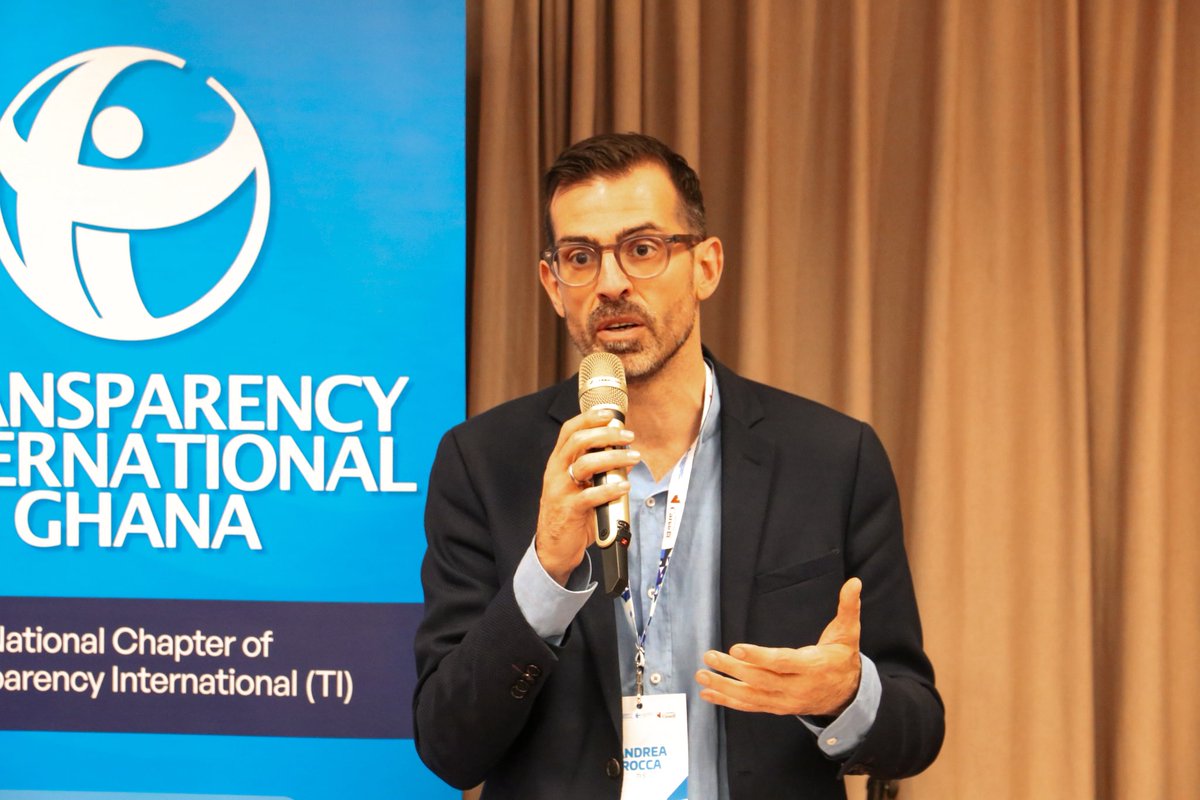
🌍Co-hosted by TI Ghana and the Transparency International Secretariat, the 2026 ARM meeting which opened on 1st June brings together anti corruption leaders to strengthen collaboration and advance transparency, accountability and integrity on the continent.
The Africa Regional Meeting 2026 highlights valuable exchanges, new partnerships, and a renewed commitment to collective action against corruption.
Appreciation to all participants, National Chapters, partners, for contributing to a productive and engaging opening session.
Day 1 at #ARM2026 is focused on key governance challenges across Africa: Political Integrity, Illicit Financial Flows, Public Debt Transparency, Access to Information, Whistleblower Protection, and Citizen Engagement.
Together, we're advancing stronger anti-corruption solutions.
“We can achieve more together than alone”
Honoured to welcome Transparency International Board Chair, @FrancoisValeri3 , to the African Regional Meeting 2026 in Accra.
His presence reinforces our Shared commitment to strengthening the anti-corruption movement across Africa.
Proud to be in Accra, hosted by our great @anticorruption chapter in Ghana, with all our so talented and courageous chapters in Subsaharan Africa. Our goals: that political power be exercised for the citizens, not for the powerholders. And that African wealth remain in Africa.
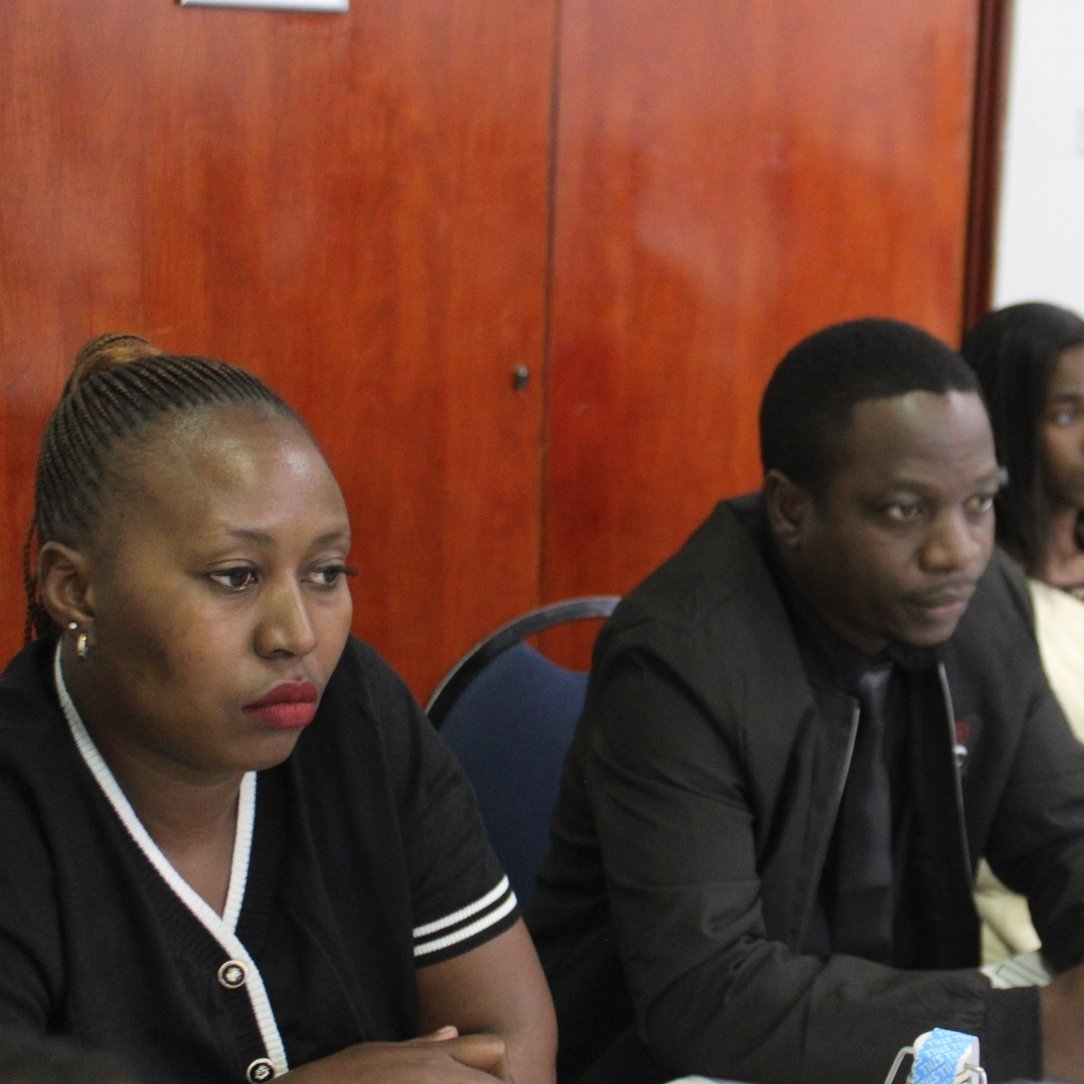
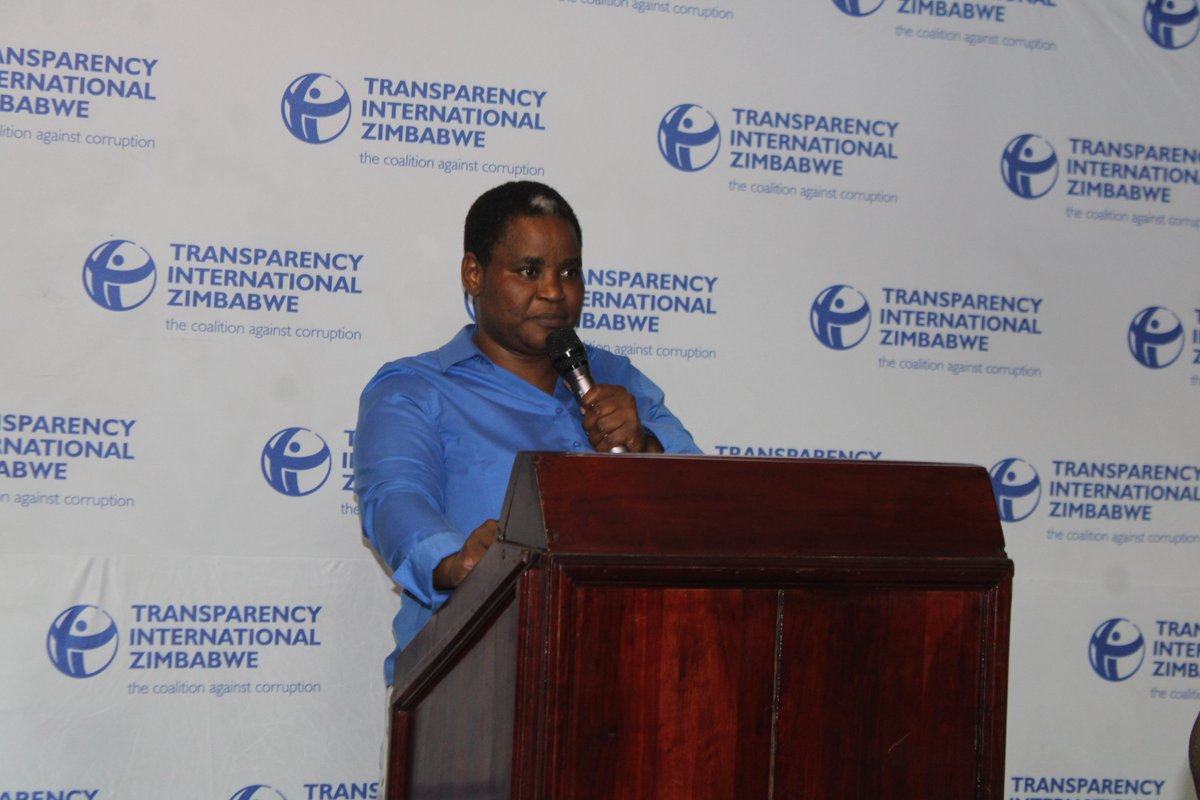
Transparency International Zimbabwe (TIZ), through the Strengthening Anti-Corruption Frameworks for Responsive and Accountable Governance in Zimbabwe (SAFRAG) Programme, is holding a follow-up provincial engagement meeting in Bulawayo aimed at strengthening collaboration among justice sector and anti-corruption institutions.
The engagement builds on capacity-building workshops conducted over the years to strengthen skills in investigation, prosecution, and asset recovery of corruption-related offences.
The meeting provides a platform for institutions to assess corruption case handling mechanisms, strengthen coordination at the station level, and identify opportunities for resource sharing and expertise exchange.
Key stakeholders participating include the National Prosecuting Authority of Zimbabwe, Zimbabwe Anti-Corruption Commission, Zimbabwe Republic Police Anti-Corruption Unit, Zimbabwe Human Rights Commission, Zimbabwe Gender Commission and Zimbabwe Revenue Authority
Through sustained collaboration and institutional coordination, Zimbabwe can strengthen accountability and improve the fight against corruption
#EndCorruptionZW #TIZim
We are pleased to announce that our Executive Director, Tafadzwa Chikumbu will be one of the speakers at the National Education Summit Zimbabwe (NESZ 2026). He will contribute to discussions on transparency, accountability, governance, and the importance of integrity in building a stronger and future-ready education system for Zimbabwe.
#NESZ2026 #Leadership #Transparency #Governance #EducationZimbabwe #Innovation #TIZim #EndCorruptionZW
NESZ 2026 speaker announcement.
Tafadzwa Chikumbu — Executive Director of @TI_Zimbabwe — brings governance, accountability & anti-corruption expertise to Zimbabwe's national education summit.
📅 27–30 May · ZITF Bulawayo
#NESZ2026#Governance#Leadership
Strong citizen agency is critical in the fight against corruption. Institutions matter. Laws matter. Policies matter. But institutions cannot function effectively where citizens are passive, resigned, or complicit.
Fighting corruption requires active citizenship
#SOI2026 #OurIntegrity #OurIdentity #EndCorruptionZW #TIZim
We recognise corruption as a major impediment to sustainable development. Corruption diverts public resources, weakens institutions, erodes public trust, entrenches inequality, and undermines democratic governance. Quite simply, corruption steals from the future. It undermines progress across the Sustainable Development Goals.
#SOI2026 #OurIntegrity #OurIdentity #EndCorruptionZW #TIZim
As systems evolve, corruption evolves with them.
As technology advances, corruption finds new methods. As governance frameworks strengthen, corrupt actors devise new ways to circumvent them.
This is why the fight against corruption must continuously innovate. Innovation is no longer optional.
#SOI2026 #OurIntegrity #OurIdentity #EndCorruptionZW #TIZim
We celebrate more than a graduation. We celebrate the rise of a new generation of ethical leaders committed to integrity, accountability, and justice. The graduates of the School of Integrity for Emerging Leaders leave not only with knowledge but with a responsibility to challenge corruption and lead with courage. The fight against corruption starts now, and the future is in their hands
#SOI2026 #OurIntegrity #OurIdentity #EndCorruptionZW #TIZim
“Corruption is not just a legal or criminal issue. It is an economic and social problem that affects every aspect of national development.”
This was the key message from Mr Rex Shana, Deputy Chairperson of the Law Development Commission, who was the Guest of Honour at the graduation ceremony for the 2026 School of Integrity for Emerging Leaders.
Drawing on more than 35 years of experience in legal service, Shana said corruption distorts markets, discourages investment, increases the cost of doing business, and weakens economic competitiveness. He noted that corruption also determines who gets access to healthcare, education, infrastructure, and development opportunities, while compromising the future of entire communities.
He stressed that corruption is constantly evolving and often concealed through complex transactions, manipulated documents, and informal influence. He urged young people to engage in climate governance, natural resource governance, digital governance, public procurement, and policy advocacy to help shape a more accountable Zimbabwe.
Addressing the graduates, Mr Shana said the most valuable outcome of the programme is the network they have built with one another. “Use this opportunity wisely. Your greatest strength is not merely what you learned this week, but the community you are building.”
#SOI2026 #OurIntegrity #OurIdentity #EndCorruptionZW #TIZim
Integrity is not just a principle. It is the foundation of development, justice, and trust.
Speaking at the graduation of the 2026 School of Integrity, His Excellency Per Lindgärde, Ambassador of Sweden to Zimbabwe, said corruption steals from the future by diverting resources from hospitals, schools, water systems, and other essential public services.
Sweden, through the Swedish International Development Cooperation Agency (Sida), remains a strong supporter of Transparency International globally and in Zimbabwe. This partnership has helped advance anti-corruption reforms, including asset recovery, whistleblower protection, beneficial ownership transparency, and the strengthening of justice sector institutions.
Addressing the graduates, His Excellency Lindgärde emphasized that young people are not the leaders of tomorrow, but the leaders of today. He challenged them to use their skills and voices to monitor public spending, demand accountability, and promote ethical leadership in every sector.
His message was clear: graduation is not the end of the programme, but the beginning of a lifelong commitment to integrity.
Congratulations to the 2026 School of Integrity graduates. Zimbabwe’s future will be shaped by citizens who choose integrity over corruption.
#SOI2026 #OurIntegrity #OurIdentity #EndCorruptionZW #TIZim
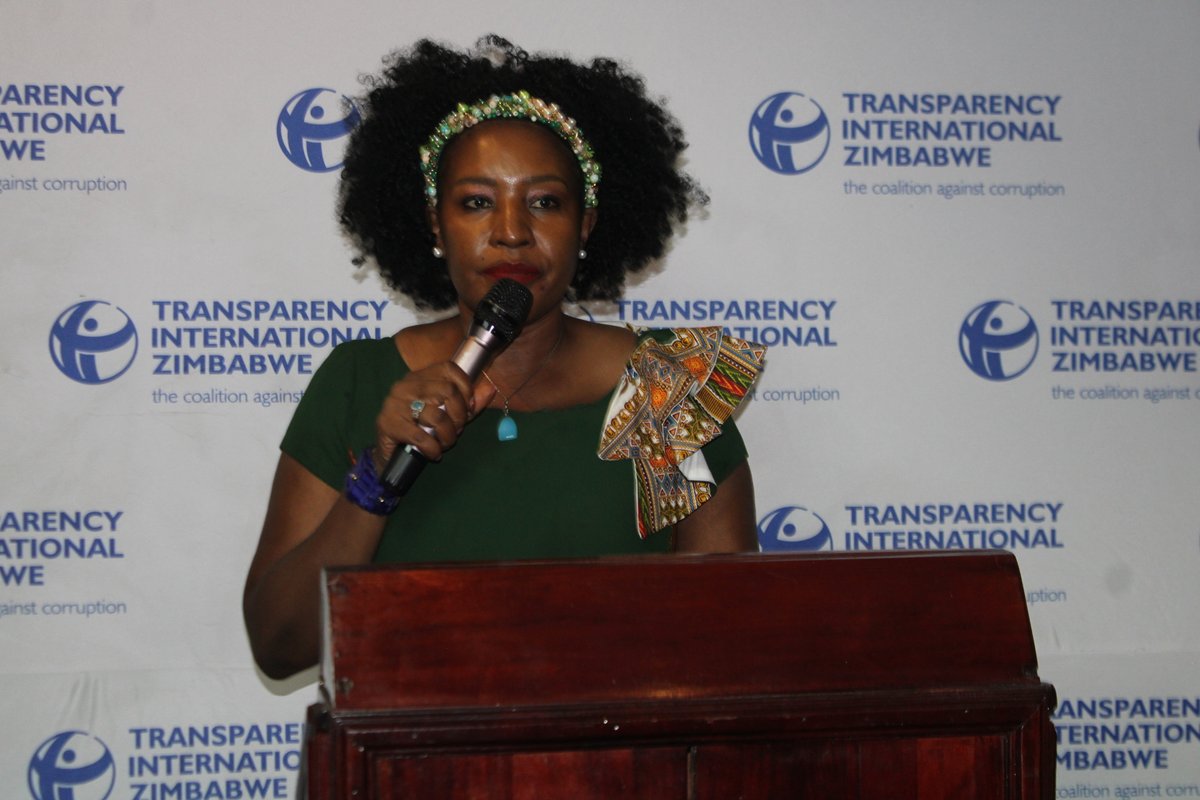
At a dinner hosted by Transparency International Zimbabwe for fellows of the School of Integrity for Emerging Leaders, Commissioner Zalerah Makari of the Zimbabwe Anti-Corruption Commission and Simiso Mlevu, ZACC spokesperson, contributed to a frank and practical discussion on the realities of fighting corruption in Zimbabwe.
Commissioner Makari reaffirmed ZACC’s constitutional mandate to investigate corruption, recover stolen assets, expose wrongdoing, and strengthen integrity systems across public institutions. She highlighted measurable progress, including the establishment of over 300 Integrity Committees, more than 30,000 Integrity Pledges signed by public officials, and significant asset recovery actions.
Simiso Mlevu raised key operational and legal realities affecting enforcement, including challenges around securing admissible evidence, witness cooperation, and the risks of entrapment in investigations. The discussion also touched on broader structural issues such as defining who qualifies as a public official, especially in relation to parastatals.
The conversation further highlighted emerging threats such as cybercrime and the use of cryptocurrencies to conceal illicit wealth, making detection and recovery more complex. Concerns around politicisation of corruption cases were also raised, as they risk undermining public confidence in enforcement processes.
There remains limited public understanding of whistle-blower and witness protection frameworks, despite their importance in encouraging reporting and safeguarding those who come forward. While Zimbabwe’s Constitution and the ZACC Act provide a strong legal foundation, effective enforcement depends on clarity, trust, and implementation.
Section 49 of the Constitution of Zimbabwe, which guarantees personal liberty and security of the person, reinforces the importance of due process in all enforcement actions.
Fighting corruption requires informed citizens, accountable institutions, and a shared commitment to integrity across society.
#SOI2026 #OurIntegrity #OurIdentity #EndCorruptionZW #TIZim
Zimbabwe’s mineral wealth should be the foundation of inclusive development. Instead, weak oversight and opaque deals often mean the country receives far less than the true value of its resources.
This was one of the strongest takeaways from the session, “Follow the Money, Follow the Power: Who Benefits from Zimbabwe’s Resources and Development?”, facilitated by @fadzyMislee of the Zimbabwe Environmental Law Organisation (@ZELO_Infor ) at the School of Integrity for Emerging Leaders.
A critical issue is how levies and royalties are calculated. In many cases, the government relies on production figures reported by mining companies. This raises an important question: do our institutions have the technical capacity, laboratories, weighbridges, and skilled personnel needed to independently verify what is extracted and exported?
Minerals are rarely found in isolation. Platinum occurs alongside other valuable Platinum Group Metals such as palladium and rhodium. Lithium deposits may also contain additional commercially valuable minerals. If royalties are assessed on only one mineral, Zimbabwe risks losing significant revenue.
The session also examined resource-backed loans, where future mineral revenues are pledged to finance infrastructure such as major roads. While these arrangements can accelerate development, they may lock the country into opaque agreements that prioritize short-term gains over long-term national interests.
Zimbabwe does not lack resources. The challenge is governance. Strong institutions, transparent contracts, and informed citizens are essential to ensure our natural wealth benefits everyone, not just a connected few.
To move from awareness to action, this discussion must be grounded in Zimbabwe’s National Development Strategy (NDS2 ) and the annual budget process. When citizens participate in budget consultations, it is important to understand the priorities of different ministries. That knowledge is what enables effective tracking, engagement, and influence over how public resources are allocated and spent.
#SOI2026 #OurIntegrity #OurIdentity #EndCorruptionZW #TIZim
Young People Driving Ethical Change in Zimbabwe: Lessons on Movement Building
Jessie Chihota – @WalpeAcademy
Real change does not come from scattered voices. It comes from unity and organised action. Young people in Zimbabwe have energy and ideas, but without coordination, that energy gets diluted. There is a growing need to build unity around shared goals, including practical commuter-based initiatives that respond to everyday challenges, rather than fragmented individual efforts.
One major challenge is distraction. Social media can help mobilise, but it also creates noise, division, and short attention spans. It shifts focus away from sustained action on issues like corruption, accountability, and service delivery. Movement building requires discipline staying focused on what matters and avoiding constant derailment by online trends.
Surround yourself with people who add value to your growth and purpose. Networks matter.
Engage widely with different people civil society actors, peers, professionals, and community leaders. Strong movements are built through intentional relationships, shared learning, and collaboration. Ethical leadership is not individual effort; it is collective discipline and consistent action.
#SOI2026 #OurIntegrity #OurIdentity #EndCorruptionZW #TIZim
Today, fellows in the School of Integrity for Emerging Leaders visited Zimpapers, Zimbabwe’s oldest media house, with roots dating back to the 1890s.
During the visit, they attended a lecture on the vital role of the media in promoting transparency, accountability, and ethical leadership. The session highlighted how journalism informs citizens, exposes corruption, and helps strengthen democratic governance.
The fellows also toured the Zimpapers Knowledge Centre, which preserves archived newspapers dating back to 1890s. This gave them a rare opportunity to explore more than a century of Zimbabwe’s history through newspaper coverage.
One of the most memorable moments was seeing original reports on the Willowgate scandal. The archives demonstrated how investigative journalism exposed one of the country’s most significant corruption scandals and led to high-level resignations.
The fellows were also told that the Knowledge Centre houses a complete collection of speeches by Robert Mugabe, from his first address as Prime Minister in 1980 to his final speech as President.
Another highlight was viewing historic editions of the The Rhodesia Herald, offering a glimpse into the colonial-era press and how media narratives have evolved over time.
The visit gave the fellows a deeper appreciation of the media’s role in documenting history, shaping public opinion, and holding those in power accountable.
#SOI2026 #OurIntegrity #OurIdentity #EndCorruptionZW #TIZim
Human Rights in Zimbabwe and the Corruption–Rights Nexus
@zppINFO director Perlagia Kapuya led a thought-provoking session on the state of human rights in Zimbabwe and the close link between corruption and human rights violations. She explained that corruption is not just a governance problem. It directly denies citizens access to quality healthcare, education, water, and other essential services.
She challenged participants to become active defenders of human rights, emphasising that young people have a critical role in promoting accountability, engaging their communities, and demanding transparent leadership.
“The fight against corruption is inseparable from the fight for human rights,” she said, urging participants to lead with integrity and courage
#SOI2026 #OurIntegrity #OurIdentity #EndCorruptionZW #TIZim