Spent the day with the SEDC Executive Management Team reviewing:
✅ the draft South East Vision 2050 Regional Development Plan (to be released for public validation and input),
✅ South East Investment Company operationalisation, next steps on the South East Venture Capital Programme including accelerator and incubation support for selected startups,
✅the takeoff of the South East Community Social Impact projects; and
✅the next phase of feasibility studies for regionwide infrastructure projects.
Institutions are built one decision and one milestone at a time.
The work continues.
MOII
#SEDC #SEV2050 #RegionalDevelopment #RenewedHope
@Nedumcity_ ...its important so we learn. But they are times I feel you can be better informed. I dont mind taking you to any site/project (whether its in my terrain or not) so we can get your feedback. But I can tell you for free..HE is going gungho with respect to Healthcare @Nedumcity_
@Nedumcity_ I honestly never really respond to these things
I also have always liked your content
But its like something switched
All I would say is 'try' and be objective
In Parklane alone they are building so many new structures
I dont mind you hitting us when we do bad because its..
Startups don’t just need funding. They need systems that make funding work.
Having worked across MSME and digital economy ecosystems from Anambra to Enugu, one pattern has become clear. Startups rarely struggle because of ideas. They struggle in the gap between idea and investment.
We often frame the conversation around funding. Who raised, who did not, and who is investing. But funding is not the real issue. Structure is. Funding does not operate in isolation. It depends on systems that prepare founders, connect them to opportunity, and support them beyond the moment capital is received.
Across Nigeria, ambition is not lacking. Founders are building across sectors and the energy is evident. What is missing are clear pathways. Many founders find themselves stuck between stages, too early for investors yet too advanced for basic support, capable enough to be noticed but not sufficiently supported to scale.
This is where startup ecosystems either succeed or fail. From experience, funding only works when it is supported by systems that provide access, preparation, connection, and continuity. Without this, capital becomes selective and concentrated. With it, funding becomes scalable and repeatable.
Through our work at the Enugu SME Agency and initiatives such as the SEDC-led venture capital programme, it is clear that there are more founders ready for opportunity than the current system can support. That is where the real gap exists.
The work ahead is not simply about increasing the amount of funding available. It is about building clearer pathways that identify potential early, refine it deliberately, connect it to capital, and sustain it through growth.
Because funding on its own does not build startups. Systems do.
ACO
Freedom is seperation between time and income. As long as time equals income...you are trading life for money. When income continues without your presence. You are playing the asset game.
The iDICE Startup Bridge Programme is now live 🚀
A national initiative supporting founders across Nigeria’s 36 states + FCT to move from idea to scale.
Founders Lab applications: Mar 16 – Apr 20, 2026
Apply at https://t.co/vH1jfA7waS
#BuildNext#iDICEStartupBridge
During a recent television interview, I was asked an important question.
If initiatives like the Enugu Campus Hackathon identify talented founders, what happens next?
It’s a fair question.
Innovation ecosystems are not built through programmes alone. They are built through systems that consistently support talent, enterprise creation, and economic participation.
The Hackathon represents one piece of that broader architecture.
But several other initiatives are already in motion as part of Enugu State’s digital economy strategy.
Two of them I briefly mentioned during the interview are the development of the Enugu Tech & Innovation Hub, inspired by the Norrsken ecosystem model, and the Enugu Talent City initiative focused on positioning Enugu as a destination for global knowledge work and outsourcing.
Each of these projects addresses a different part of the same question.
How do we convert a young, highly educated population into a productive digital economy?
The work continues.
I will share more about these initiatives in the coming weeks.
ACO
Talent is abundant; conversion is rare. Growth accelerates when institutions build repeatable systems: application, selection, refinement, evaluation, incubation. When that pipeline becomes predictable, productivity compounds and economic expansion becomes measurable.
I’ve come to understand that economic growth does not respond to capital alone, it responds to productivity. And productivity begins long before investment; it starts with how human capital is identified, refined, and deployed.
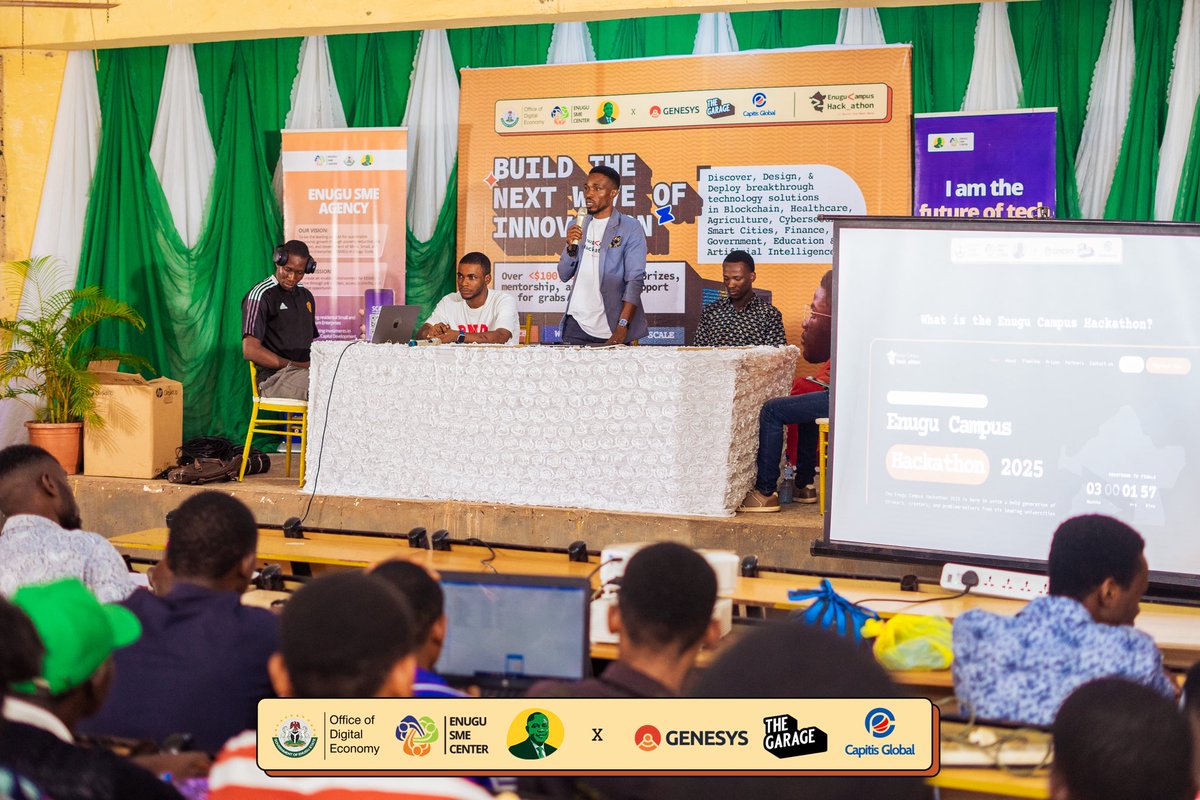
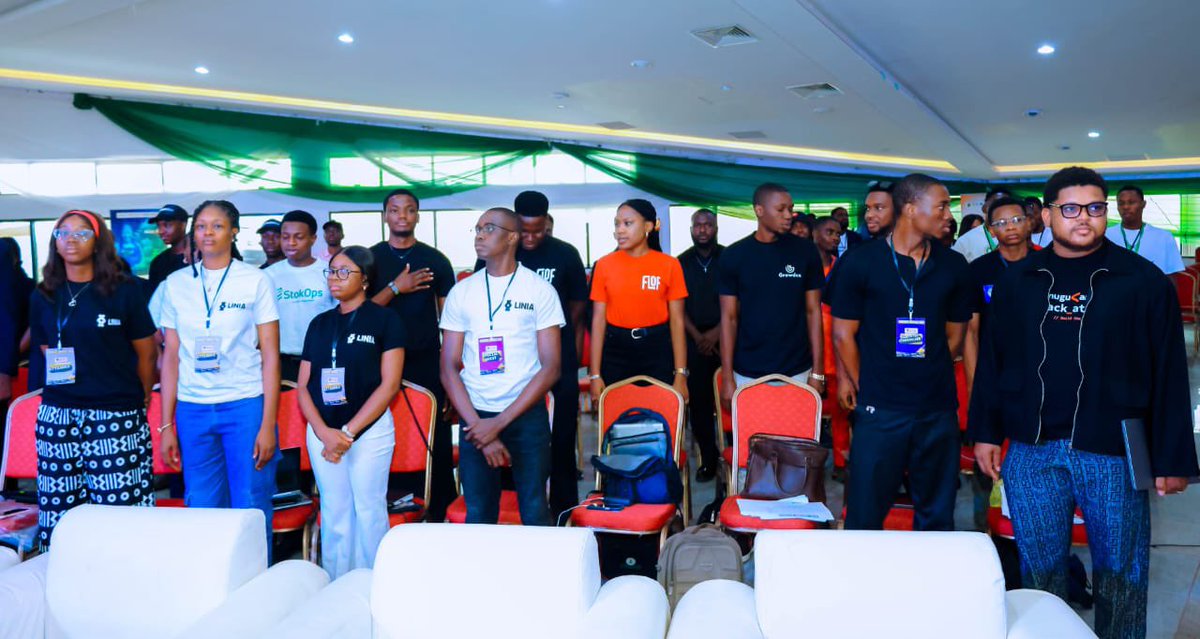
By the Grand Finale, eleven (11) ventures had evolved from ideas into execution-ready startups. Over $13,000 in innovation grants and a six-month incubation programme valued at $10,000+ each ensured the journey did not end with applause, but continued with structure and support.
This morning, I joined Rufai Oseni, Vimbai Ekpenyong and Dr. Reuben Abati on ARISE TV to discuss the South East Development Commission — our fiscal strategy, our priorities, and our long-term vision for the region, in strong collaboration with state governments, the private sector, and other key stakeholders.
Here is the full conversation.
Our mission remains clear: build sustainable infrastructure, mobilise private capital, and drive real economic growth across the South East.
MOII
#SEDC #RegionalDevelopment #RenewedHope #Development
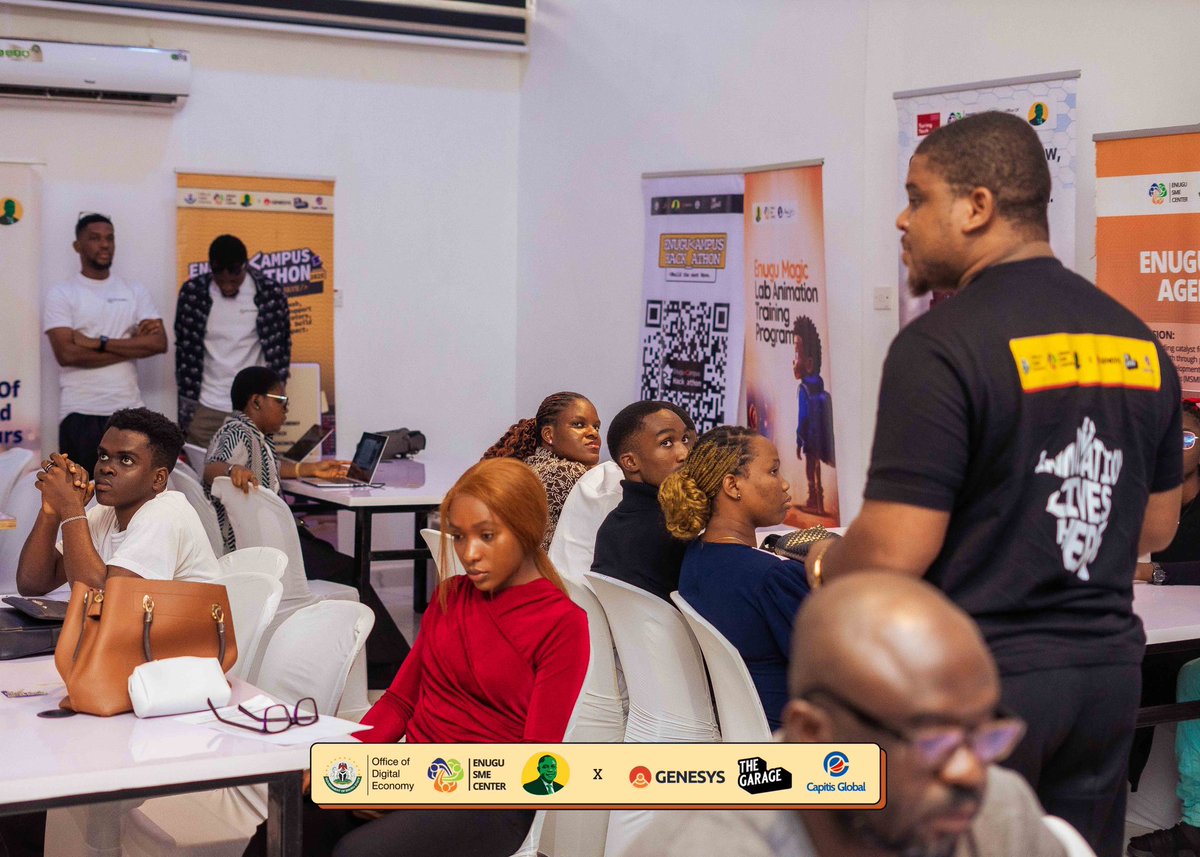
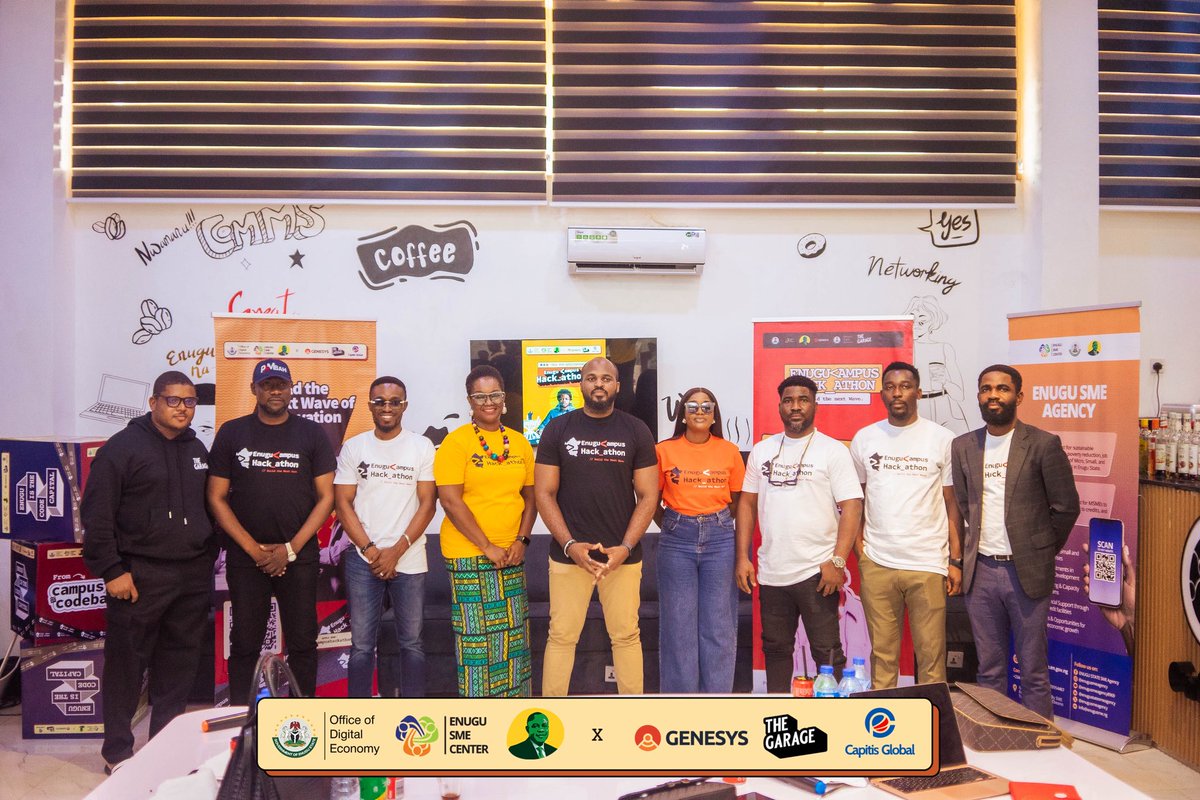
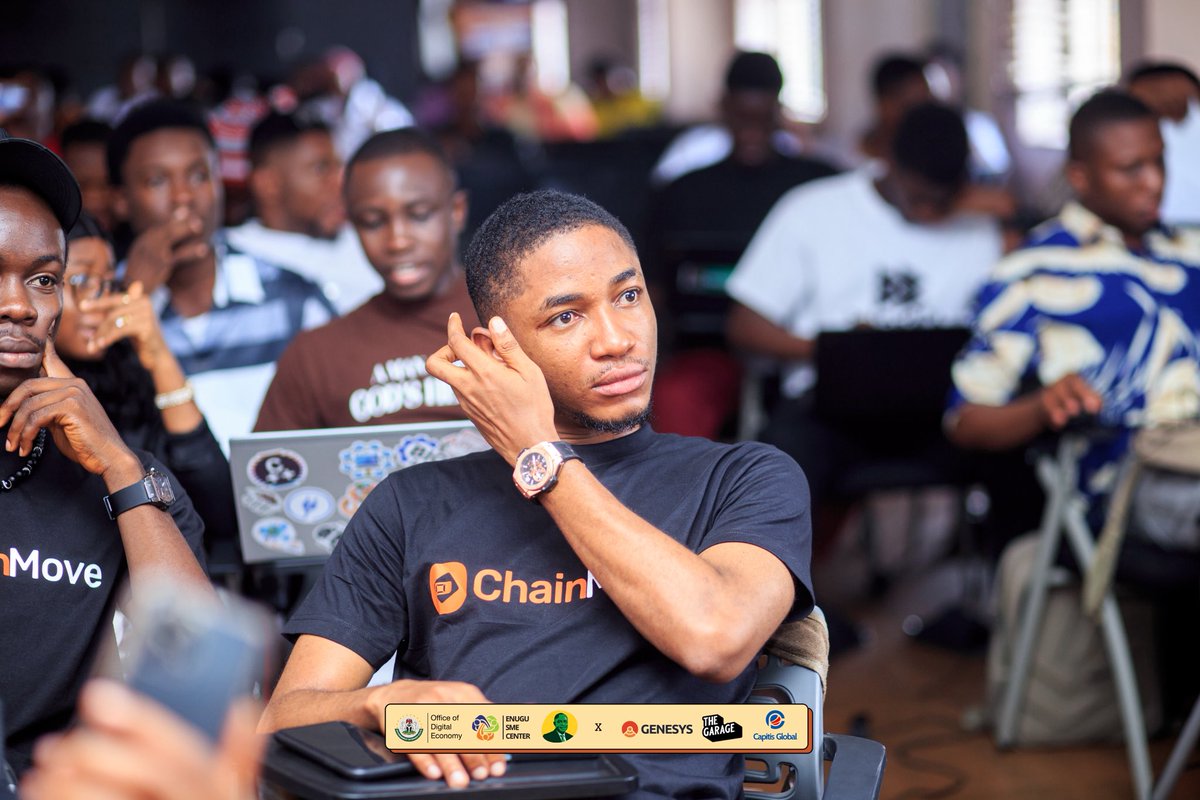
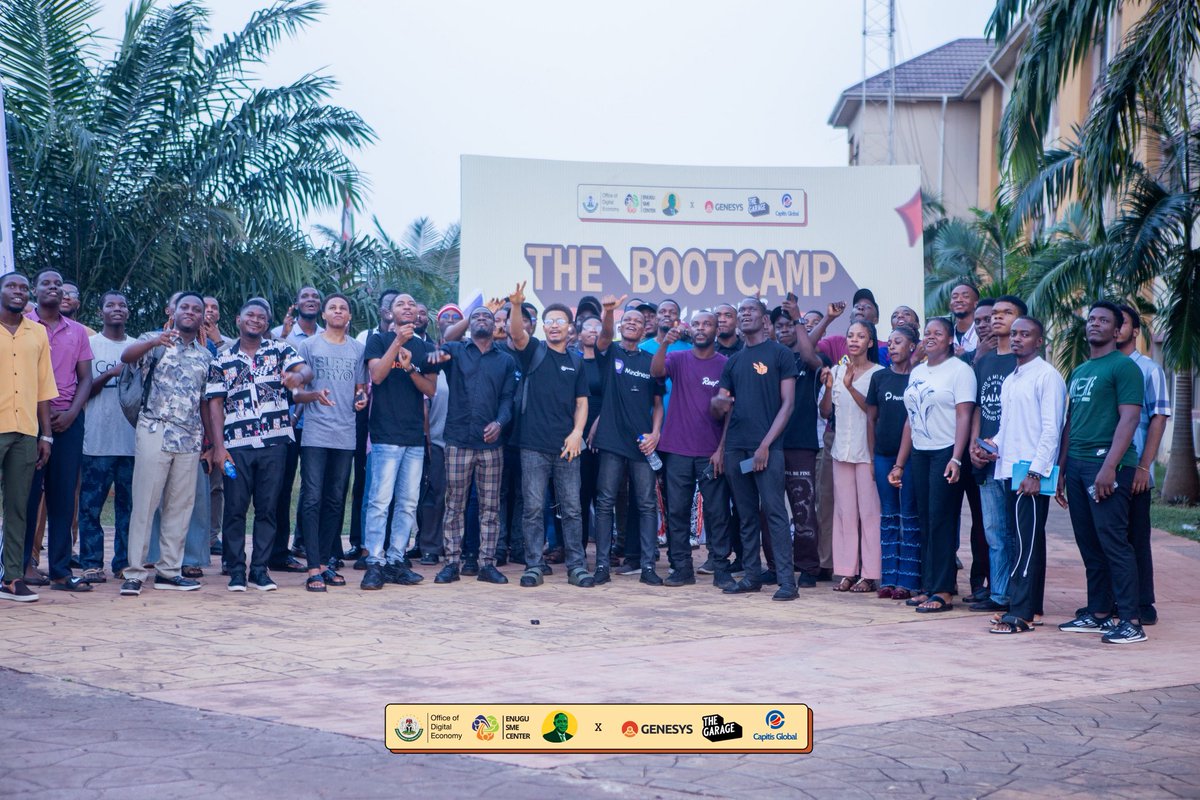
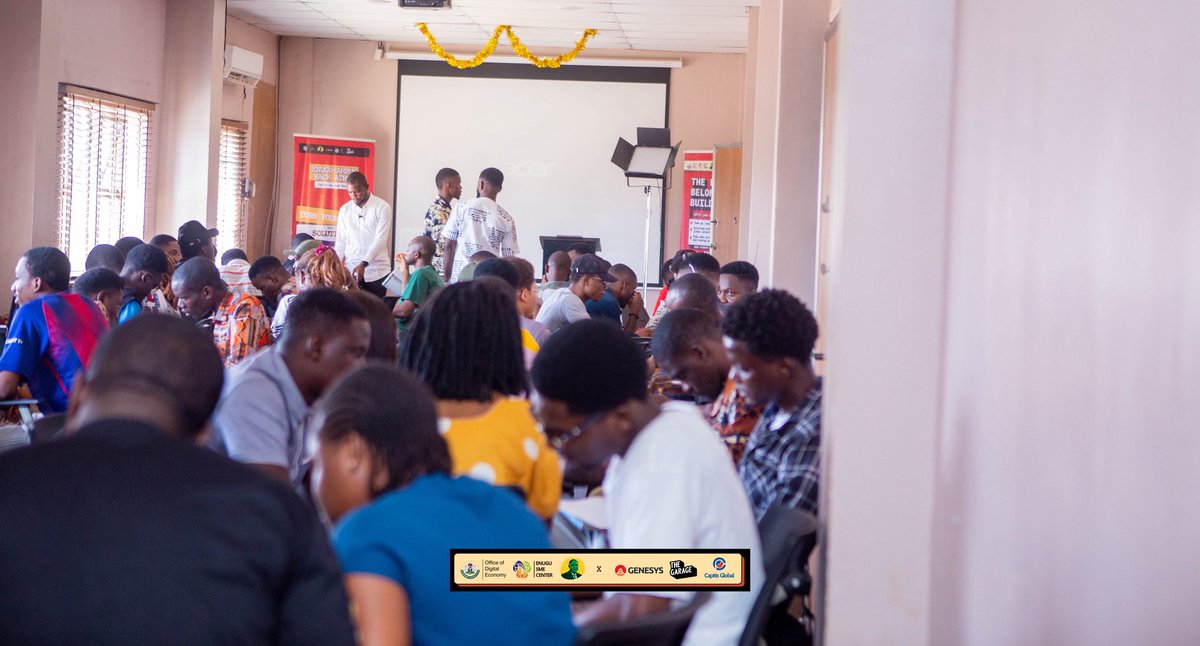
The Enugu Campus Hackathon was designed as an innovation pipeline connecting university talent to opportunity, capital, and enterprise development.
A $30 billion economy starts with intentional human capital development.
When Governor Peter Mbah set the goal to grow Enugu State’s economy from $4.4 billion to $30 billion, the question was never whether growth was possible.
The real question was how.
Growth at that scale requires a shift from consumption to productivity, from job seeking to enterprise creation, and from dispersed talent to deliberately deployed talent.