We are the Child Health Research Foundation. Guided by our commitment to prevent infections and save lives, we move forward every day with hope and purpose. Our work is for #Bangladesh, in #Bangladesh, and with #Bangladesh — rooted in the belief that together, we can build a healthier future.
Our latest publication is now out in Open Forum Infectious Diseases!
The study aims to understand the burden of enteric fever across diverse regions of Bangladesh using serosurveillance. By analyzing blood samples collected from communities, researchers detected antibodies produced by the body after exposure to typhoid-causing bacteria to better understand how widely the infection is spreading, including infections that may go undetected through routine hospital testing alone.
The findings suggest that typhoid infections in Bangladesh are far more common than previously detected, particularly in densely populated areas, among young children, and in regions with limited testing facilities.
These insights provide important evidence to help inform public health policies and support the strategic post-introduction monitoring of the typhoid conjugate vaccine in Bangladesh.
Read the full publication here: https://t.co/QJ34YN35or
Neonatal sepsis claims the lives of thousands of newborns every year. Yet, in low- and middle-income countries like Bangladesh, where most of these deaths occur, effective treatment options remain limited.
Last week, CHRF members attended the NeoSep1 Clinical Trial Investigators' Meeting, in Kuala Lumpur, Malaysia. At the meeting, researchers and clinicians from across the globe, came together with a shared goal of improving treatment options for neonatal sepsis.
NeoSep1 is an international effort to identify more effective antibiotic combinations to treat neonatal sepsis. By conducting the trials in the high-burden countries, the study aims to develop treatments around the real-world challenges of the communities most affected.
For a country that carries a disproportionate share of burden, having local researchers engaged in shaping global treatment evidence is not just meaningful, it's essential. Every newborn deserves a fighting chance, and we are proud to be part of the effort to improve the lives of newborns worldwide.
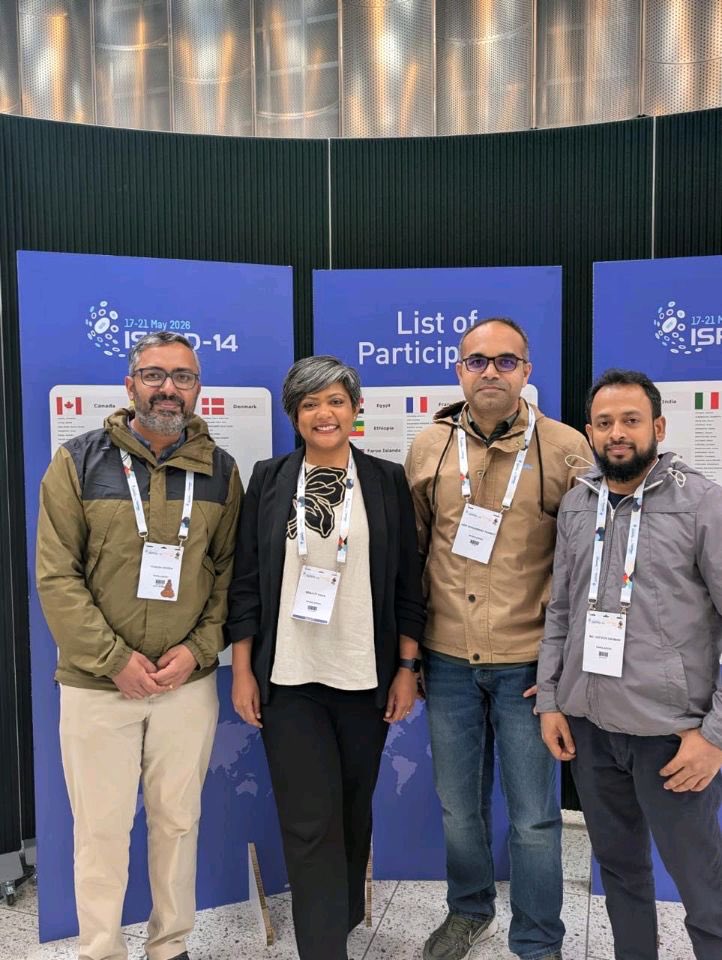
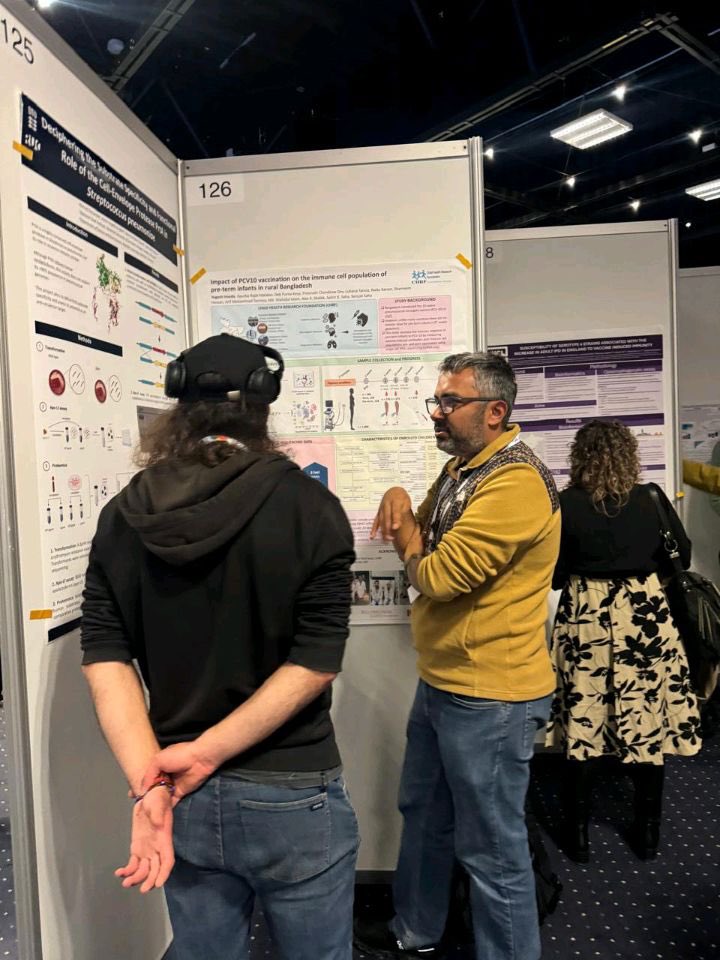
Researchers, clinicians, and public health experts from around the world came together at ISPPD-14 2026 to advance the understanding and prevention of pneumococcal disease and pneumonia, and CHRF was proud to contribute research from Bangladesh.
Our team shared findings on changes in pneumococcal serotype distribution and antimicrobial resistance (AMR) trends over the past 20 years, characteristics of pneumococcus in patients with pleural effusion, and immunological responses to PCV10 in term and preterm infants explored through single-cell genomics.
We are happy to be part of a global community working together to strengthen evidence and advance solutions against pneumococcal disease.
For over two decades, CHRF has been conducting pneumococcal surveillance in Bangladesh, contributing critical evidence on disease trends and vaccine impact.
On 21 May at ISPPD-14, Dr. Senjuti Saha presented findings from this long-term surveillance work, highlighting how large-scale rural and urban surveillance, combined with genomics and antimicrobial resistance (AMR) data, is helping track the impact of pneumococcal vaccine (PCV) since its introduction in Bangladesh in 2015.
Dr. Saha also moderated an engaging and interactive Meet-the-Expert session on pneumococcal vaccine coverage and equity in a changing world.
At CHRF, we are proud to be part of a global effort that brings together scientists and public health experts to exchange knowledge, advance research, and support evidence-based public health decisions worldwide.
Wanna know what a day in the life of our BSB Fellows looks like? Here is Prokrity going through her everyday tasks as a BSB fellow at CHRF!
From creating content and telling impactful stories to contributing behind the scenes of the Building Scientists for Bangladesh (BSB) initiative, our fellows work closely with the BSB Team to bring science communication to life.
Applications are now open for CHRF’s Fellowship Program for students who have completed their A-Levels/HSC and are passionate about science, creativity, and communication. Fellows are expected to be available on-site at CHRF Headquarters at least three days a week.
Preference will be given to BSB Alumni.
Apply by 15th June 2026 to be part of this exciting opportunity!
Learn more and apply here: https://t.co/ZwinigawKz
What does it mean to be recognised globally as a rising voice in vaccine research? Hear Dr. Senjuti Saha share her reflections after receiving the Sabin Rising Star Award from the @sabinvaccine Institute.
Watch the full livestream here: https://t.co/SnLie2UweA
Bangladesh introduced the Pneumococcal Conjugate Vaccine (PCV10) in 2015 - how far have we come in preventing pneumonia and pneumococcal diseases?
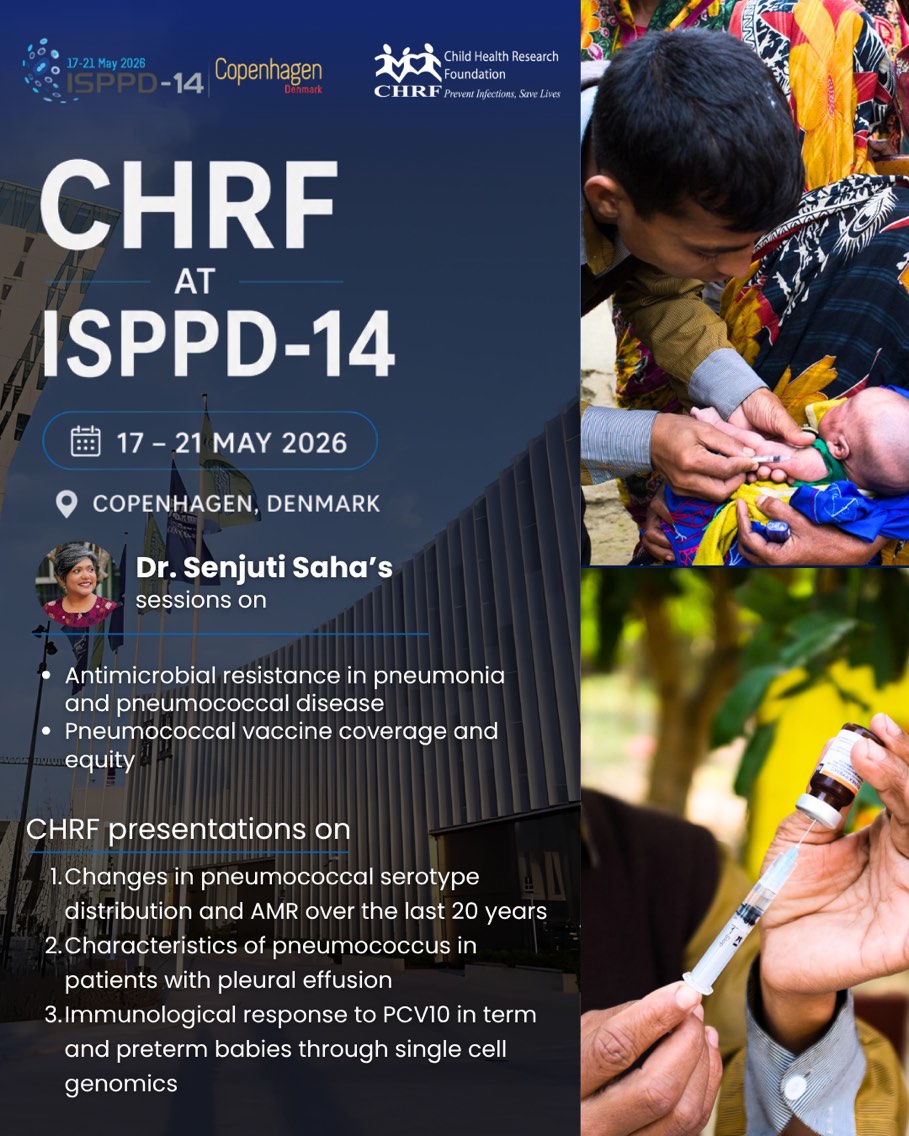
CHRF scientists will be presenting on the impact of PCV10 and the current state of Streptococcus pneumoniae in Bangladesh at the 14th Meeting of the International Society of Pneumonia and Pneumococcal Diseases (ISPPD-14) in Copenhagen, Denmark. The meeting will take place from 17 to 21 May 2026.
ISPPD brings together leading experts in microbiology, epidemiology, clinical research, treatment, prevention, and public health from around the world to discuss pneumonia and pneumococcal diseases.
Dr. Senjuti Saha will speak on pneumococcal vaccine coverage and equity on 19 May, and combatting antimicrobial resistance in pneumonia and pneumococcal disease on 21 May. In addition, three CHRF members will present on changes in pneumococcal serotype distribution and AMR over the last 20 years, characteristics of pneumococcus in patients with pleural effusion, and immunological response to PCV10 in term and preterm babies through single cell genomics.
We are honored to have our team contribute to and engage in these important global conversations on infectious disease research and public health.
Join us if you’re in Copenhagen next week!
Today, Dr. Senjuti Saha of CHRF was awarded the prestigious Sabin Rising Star Award, becoming the first South Asian to receive this recognition. From advancing pathogen genomics and antimicrobial resistance research to generating critical evidence that helped introduce the Typhoid Conjugate Vaccine (TCV) in Bangladesh, her work has transformed data into real public health impact for millions.
The award was presented by Amy Finan, CEO of the Sabin Vaccine Institute in Washington, D.C, where Dr. Saha was introduced by her mentor, Dr. Mathuram Santosham. Years ago, Dr. Saha stood beside him when he was honored with the Albert B. Sabin Gold Medal, making this moment especially meaningful to witness together once again.
At the Child Health Research Foundation and across Bangladesh, we are proud to celebrate this remarkable achievement and the impact her work continues to create.
👏 Congratulations to Dr. Senjuti Saha @senjutisaha of @chrfbd, who won the @sabinvaccine 2026 Rising Star Award for using genomics to inform the rollout of the world’s largest #typhoid conjugate vaccine program!
Bangladesh’s 2025 TCV campaign reached 40M+ children—an incredible milestone!
#TakeOnTyphoid
সম্প্রতি প্রথম আলোর এক সাক্ষাৎকারে বাংলাদেশে প্যাথোজেন জিনোমিকস গবেষণায় কাজ করা থেকে শুরু করে টাইফয়েড টিকা কর্মসূচির জন্য তথ্য সংগ্রহ ও বিশ্লেষণে নিজের অভিজ্ঞতার কথা জানিয়েছেন স্যাবিন রাইজিং স্টার ২০২৬ পুরস্কারজয়ী ড. সেঁজুতি সাহা।
সম্পূর্ণ সাক্ষাৎকারটি পড়ুন এখানে: https://t.co/TpFQWXypsg
From pioneering large-scale pathogen genomics work in Bangladesh to generating critical evidence for the introduction of the Typhoid Conjugate Vaccine in the country, Dr. Senjuti Saha reflects on the journey behind her 2026 Sabin Rising Star Award in a recent interview with Prothom Alo.
The conversation highlights the power of building local scientific capacity, read the full interview here: https://t.co/G5ThyZHnrn
Happy Mother’s Day to all the incredible mothers around us!
At CHRF, many of the incredible women behind our work are mothers. Alongside carrying the strength, care, and responsibility of motherhood every day, they lead teams, spend long days collecting data in communities, work in research and laboratories, and dedicate themselves to improving and saving the lives of children across Bangladesh.
Today, we celebrate all mothers — their dedication, resilience, sacrifices, and the endless love they pour into giving their children the very best in life. To every mother, thank you for everything you do and for all the love and strength you bring into this world!
CHRF offers Next-Generation Sequencing (NGS) services for researchers, providing high-quality sequencing data and advanced bioinformatics support. We ensure accuracy, reliability and timely delivery of results to advance your research.
Submit samples by 7th May 2026 to receive results by 25th May 2026. For further information, contact us at +8801880-156641 or email [email protected].
Every year, hundreds of thousands of children suffer from serious respiratory illness caused by respiratory syncytial virus (RSV), and nearly all of them are from low- and middle-income countries (LMICs), like Bangladesh. Yet most of what we knew about RSV in Bangladesh came from clinical data, not taking into account the many children who were not hospitalized.
Our latest study, published in The Lancet Regional Health: Southeast Asia, set out to capture the community-level burden of RSV in rural Bangladesh. A key finding was that the greatest impact was seen in the earliest months of life, with preterm infants facing a much higher risk. Through this study, a more complete picture emerged, one that shows significant burden extending beyond the hospital walls.
None of it would have been possible without the children and parents of the Mirzapur community, who opened their doors and trusted us with their participation. As well as CHRF's village health workers, who visited every household, every week, for almost two years, with the kind of care and sensitivity that this work demands.
Studies like this move us closer to evidence that reflects real lives, not just clinical settings. The findings further reinforce the need for an RSV maternal vaccine to protect children in their early days, and save lives. Having locally generated, population-level data allows us to design better prevention strategies that will be actually effective for our communities.
Learn more in The Lancet Regional Health: Southeast Asia - https://t.co/TK0853FlCq
At CHRF, progress is driven by people — the researchers, field teams, lab staff, and clinicians who show up each day with purpose and determination to tackle infectious diseases and protect lives.
This Labour Day, we honor the dedication behind the work and celebrate everyone striving to make the world healthier. Happy Labour Day!
Plates that make the invisible, visible.
Media plates are often the start of your sample’s journey in a lab. When bacteria is grown in them, the patterns that are revealed help identify the pathogen, understand the infection, and provide treatment. In clinical microbiology, this is where understanding begins - with basic media, careful preparation, and the ability to read what grows.
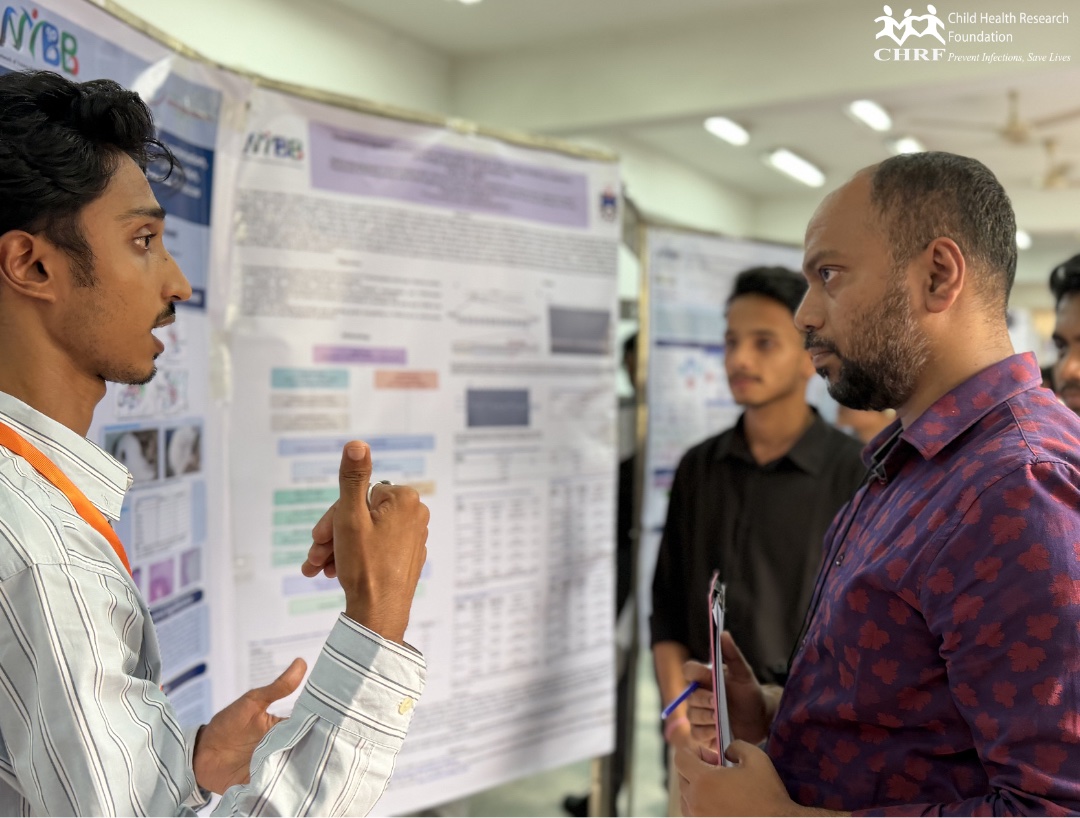
CHRF was honored to participate in the 6th International Young Biotechnologists Congress 2026 & Future Biotechnologists Summit 2026, hosted by the Network of Young Biotechnologists of Bangladesh (NYBB) at the University of Dhaka on 25 April 2026, with a shared vision of advancing biotechnology for sustainable development in Bangladesh.
Dr. Arif Mohammad Tanmoy, Associate Scientist at CHRF, delivered a compelling presentation highlighting CHRF’s work in infectious disease research and its efforts to empower aspiring scientists. He, alongside Mr. Nahid Shohan, Senior Research Officer at CHRF, served as judges in the poster presentation segment, where young researchers presented innovative ideas shaping the future of biotechnology.
It was a truly inspiring event that brought together passionate young minds from across the country and we are grateful to have been part of an event that celebrates collaboration and inspires the next generation of biotechnologists!
CHRF is excited to join the “6th International Young Biotechnologist Congress 2026 (IYC 2026) and Future Biotechnology Summit 2026” organized by the Network of Young Biotechnologists of Bangladesh (NYBB) in association with the National Institute of Biotechnology (NIB) and BGI, China.
Join us to learn about CHRF’s training opportunities and more!
🗓️ 25 April 2026, Saturday
📍 Nawab Ali Chowdhury Senate Bhaban, University of Dhaka, Ramna, Dhaka, Bangladesh
This World Laboratory Day, we celebrate the people behind the bench, our laboratory teams across all our sites, who play a vital role in advancing research, strengthening surveillance, building capacity and improving public health in Bangladesh and beyond.
Their dedication, passion, and precision transform samples into data, and data into evidence that drives our advocacy.
Happy Laboratory Day!