@LohrThoughts While the latter 4 are pretty straightforward, I'm curious what aspects of society engineers are specifically trained to quantify, value, and protect?
@LohrThoughts 2) Society will then judge the value of our contribution and we individually take that feedback and strive to improve. These things are not trainable, rather they are learned and improved upon as we and society evolve.
@LohrThoughts 1) I guess that's what I thought you meant with the science component. It's my belief that we serve society. Our obligation is to take the best parts of science, sustainability, and safety, temper them against spend, while upholding that sacred trust we carry as engineers.
Take a break from looking at the screen and catch up on season 1 episodes of the LiquiTalks podcast. Stay tuned for the launch of season 2 in July filled with very special guests! #waterpodcast#season1#episodes#legionella
Listen Here- https://t.co/GXOsHXxogq
Facilities Managers and Engineers - Do you have to design and/or operate a hot water system at 160 degrees to kill waterborne pathogens like Legionella? Is there a safer, more cost effective and efficacious way to mitigate waterbor…https://t.co/vjZqUtRbe2 https://t.co/iEf88mhtC7
1/6
Shocking findings in this @TheLancetInfDis report, 'Who is most likely to get #Covid19?'
First, the study:
-analysis 3802 tests from UK surveillance data
-important caveat: the data exclude those with mild or no symptoms so are not representative
https://t.co/V0bUJI85ly
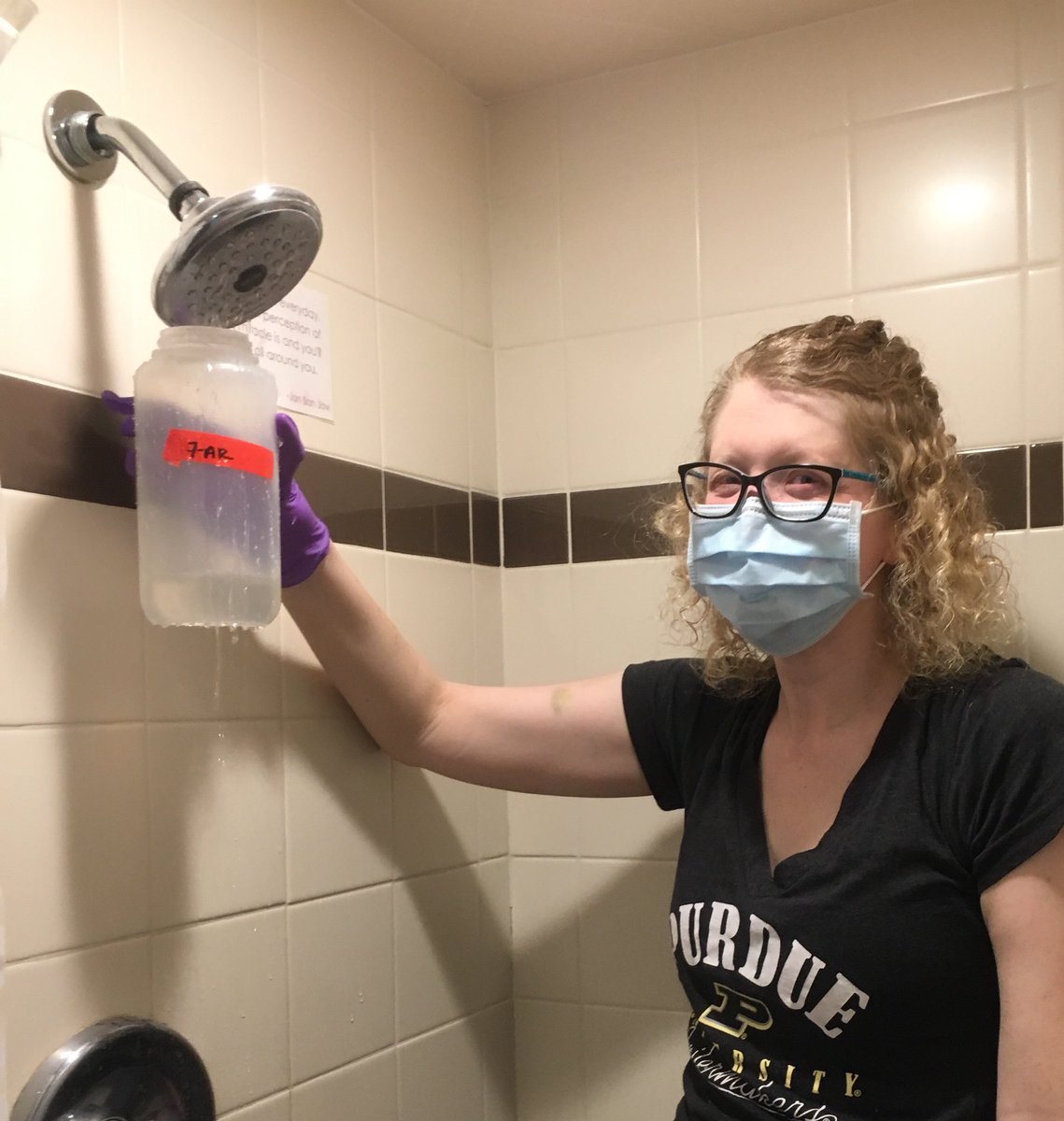
Sampling in the #covid era requires a bit more PPE than usual. Quantifying the microbial community changes over extended stagnation in shutdown buildings.
“Buildings have to be the secret weapon in the future to combat infectious diseases," says Luke Leung, at @SOM_Design. Experts from all sectors are coming together to understand how we can optimize our cities to prevent future pandemics via @FastCompany https://t.co/4a1tXdponT