For the new kids in back: If you hate statistics, you'll love my free lectures. Putting science before statistics, from basics of inference & causal modeling to multilevel models & dynamic state space models. It's all free, made with love and sympathy. https://t.co/GnOYGex9Yg
It took over 10,000 hours of drawing (six years and a bit) to get to the middle. The next 50 blocks will be no less interesting, with lots of references, Easter eggs and interactions. Thank you all very much for your support! This will be legendary.
Our paper is out! @CCNi_UofG@PalvaLab Using simultaneous MEG/EEG, we reveal diverse posterior alpha band oscillations - each associated with unique facets of visual attention! Our findings provide new insights into the roles of posterior alpha-oscillations... (1/4)
Happy that our paper with @GregorThut and @PalvaLab is out! Using simultaneous MEG/EEG, we reveal diverse posterior alpha band oscillations - each associated with unique facets of visual attention! https://t.co/yBF82eZIjK
@UniOslo_RITMO is recruiting a PhD student to study musical microrhythm, supervised by @annedanielsen and Rainer Polack. This is the best imaginable situation for a budding rhythm nerd. If you have any star undergrads in your lab open to a move to Norway...https://t.co/mMRuQiXB90
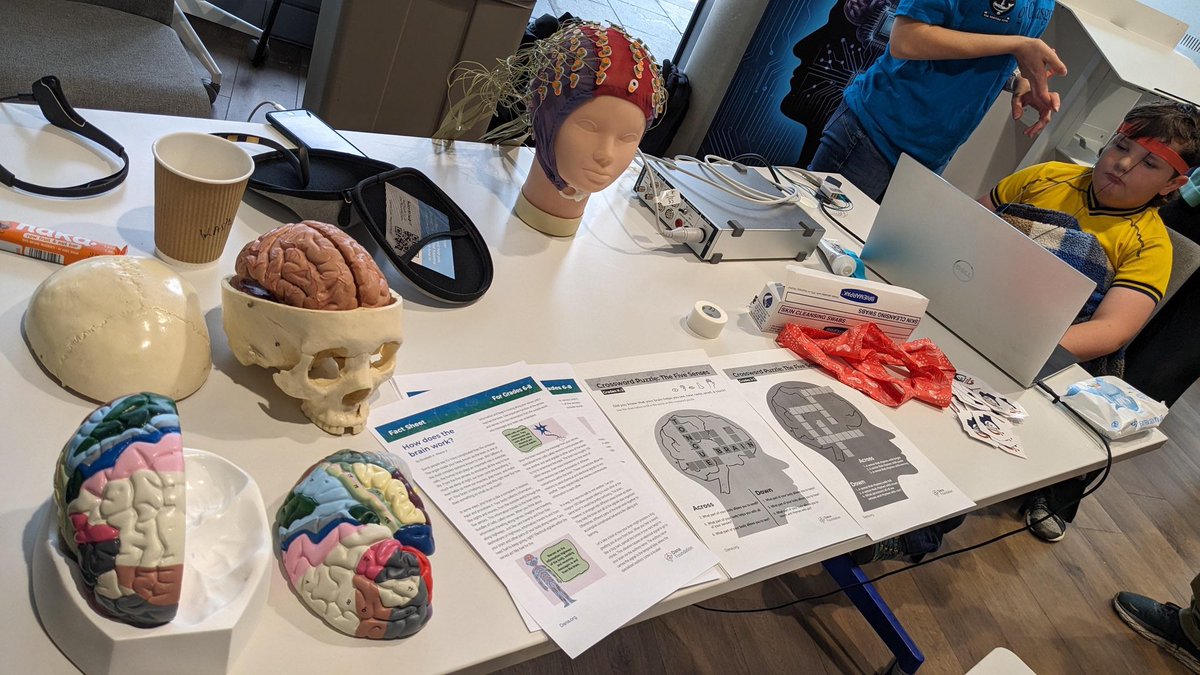
What an amazing day at #Explorathon24@ernscot@UofGPE celebrating 100 Years Anniversary of EEG! We will be at @UofGARC again tomorrow (Sunday 22/09) 12-3pm, come see your brain waves, listen to sonified EEG and try out some neurofeedback
With @CCNi_UofG@Neurotech_UofG
Happy science fact of the day: It's a year since the first Imaging Neuroscience paper was published, with 280 papers since then. Hence in just the first year, over half a million dollars has stayed within academia, rather than going to Elsevier [shareholders etc].
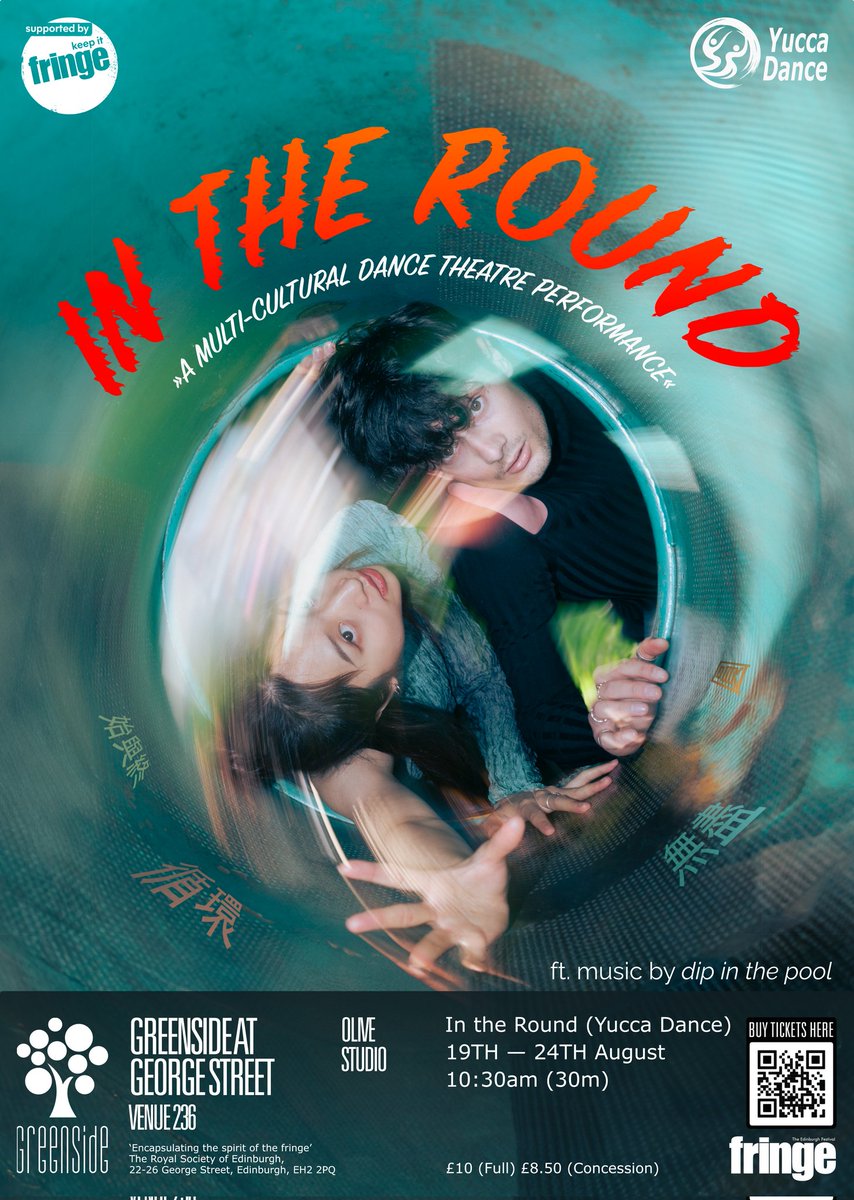
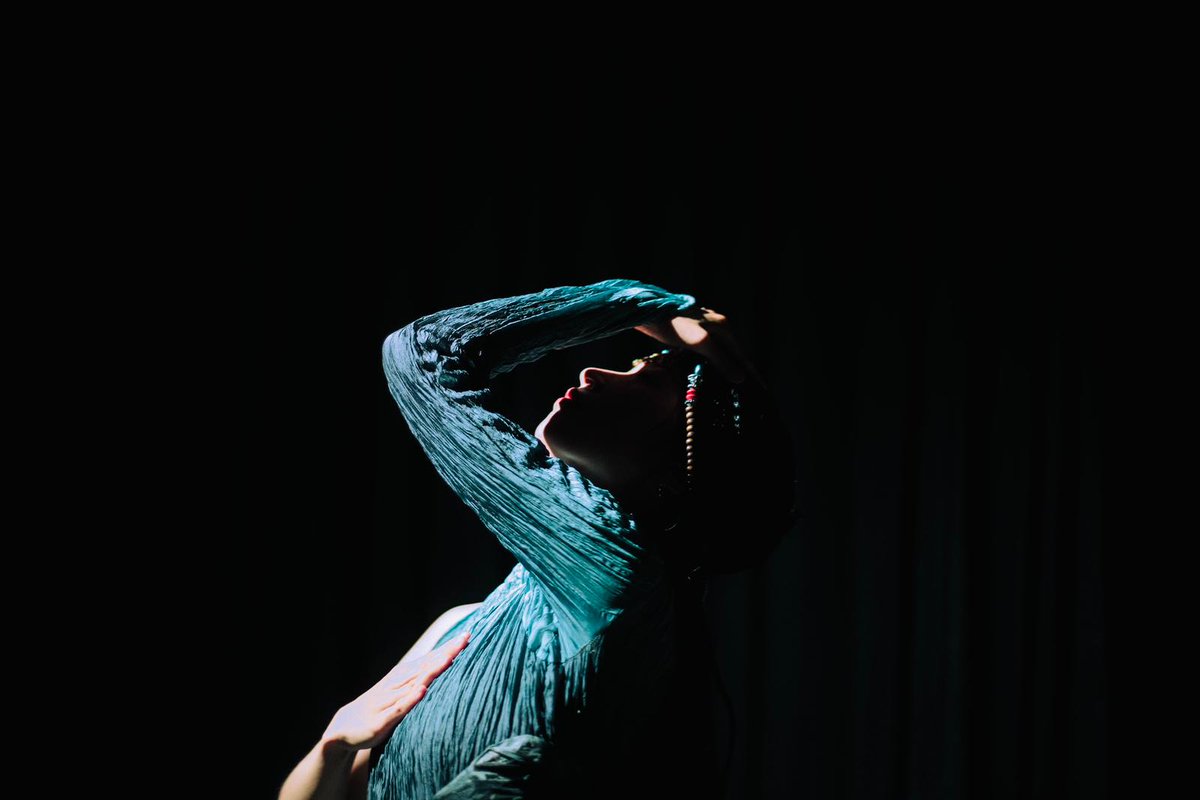
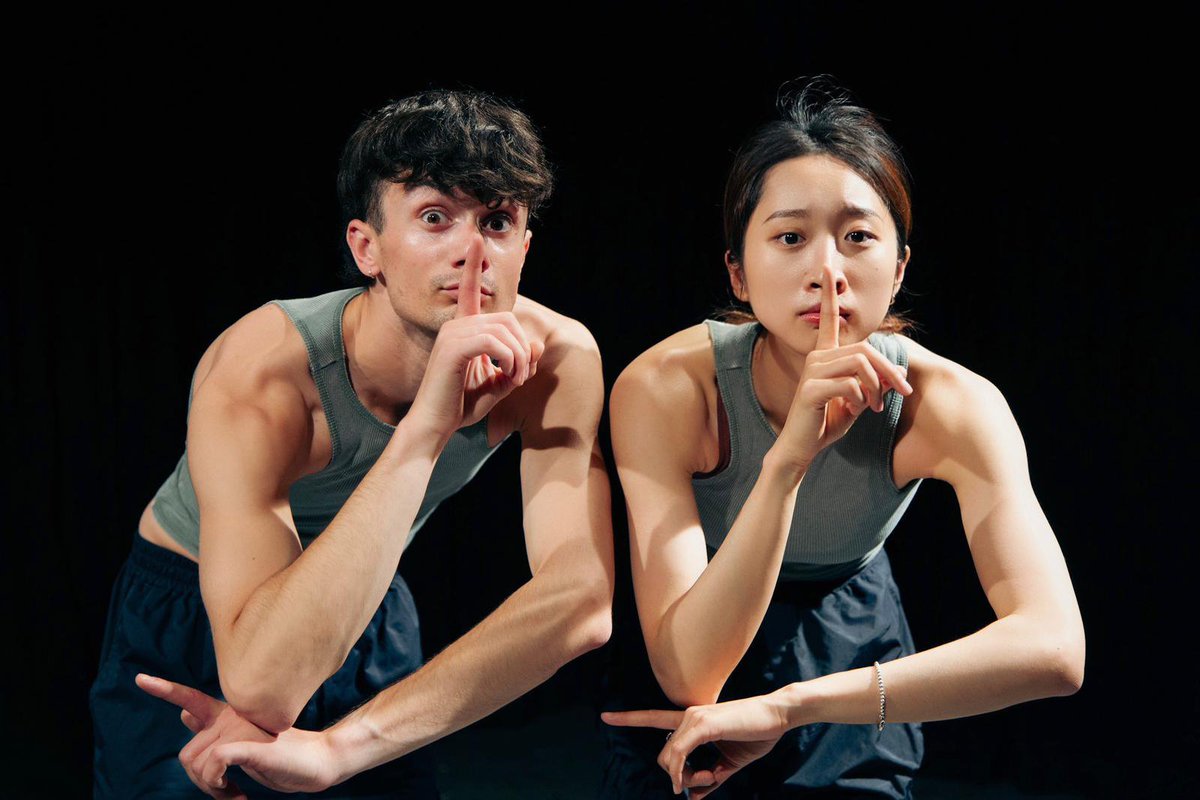
Just wanted to plug that if you're in Edinburgh for @edfringe, don't miss this show next week by @Yuxi_Jiang_ combining Tibetan folk and modern dance theatre + surprise linguistics component (and me being a small part of the team🤓)
#edfringe#edfringe2024
https://t.co/qGcYA5BlG2
Jump into the fascinating world of Neurotech research we do at the University of Glasgow and see how science, technology, and ethics come together to shape the future of healthcare. Find us in the Glasgow Science Centre today!
📢 Delighted to share our new paper in Current Opinion in Behavioral Sciences: "Rhythmic sensory stimulation as a noninvasive tool to study plasticity mechanisms in human episodic memory" https://t.co/4UmNzmU551
w/ @WangDanying Andrew Clouter @Kimron_Shapiro & @SimonHanslmayr
#GlaSciFest 2024: Bodies of Knowledge: A Science & Circus Cabaret🎪
Life's a science cabaret old chum! A fabulous array of performers from Community Circus Paisley show what science means to them.
📅8th June, 6-7pm
📍Community Circus Paisley
info👉https://t.co/yg4cMeEnyn
Do you play in a band, orchestra, choir, or any other musical group?
Complete this survey about enjoyable group music experiences and how you feel when you play music or sing with others. You can even enter to win a $50 gift card!
https://t.co/Q3MlRjhxOl
#LIVELab#MusicAndTheMind
🚨New Preprint Alert🚨: 'Progressive multi-stage extrapolation of predictable motion in human visual cortex', with Charlie Sexton, @phil__johnson, @ella_mwil & @HinzeHogendoorn!
Paper: https://t.co/PxhLTO5MKS
Code: https://t.co/mSXycaWg9T
Data: https://t.co/muJHjoHy5I
GIVEAWAY 📚
In honour of #TerryPratchettDay, we're giving away Discworld books. Which ones? In the spirit of 'starting in the wrong place', we'll pick some of your recs for the best place to start.
To enter, share this post and follow @PratchettOnline. Winners picked 1 May.
Thank you to all that attended this drizzly March BEPSI meeting!
Major thank you to @ChrisJTurn (Glasgow University), and @AnthMHarris (QBI) for showcasing their intriguing works (and Ant for his oscillation drawing skills). Talk titles are pictured below ⬇️
I'm urgently looking for a candidate for a 4-year PhD position at the BCBL, San Sebsastián, Spain. If you're interested in developing a Neurofeedback protocol using EEG signals to validate an intervention for children with dyslexia, do get in touch!
And this is often worse for disabled academics who incur additional disability related travel costs. Often it means we won’t get to attend as many conferences as our non-disabled colleagues… which impacts our research dissemination and networking opportunities! @AcademicChatter