What the eastern African stone tool evidence tells us about Plio-Pleistocene hominin extinctions | Cambridge Prisms: Extinction https://t.co/Q74pMkxonb
Early Blade Production in the Levantine Late Acheulian: Implications for the Origins of Blade Technology https://t.co/eOIkXJZsrG #mdpiquaternary via @Quaternary_MDPI
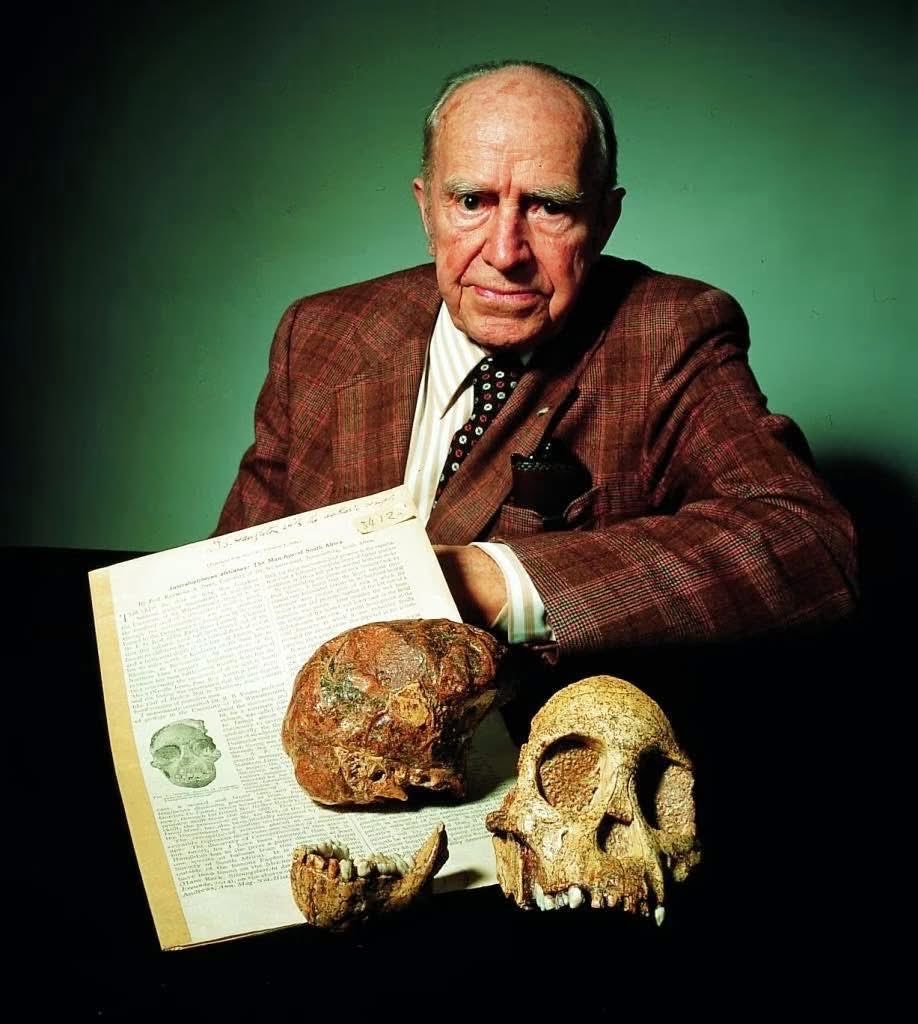
November 22, 1988 - died this day Australian anatomist and anthropologist Raymond Dart, best known for the description and naming of the type fossil of Australopithecus africanus in 1925
'the absence of the double-shoveling of incisors in the Shizitan and Dushan Cave populations suggests that population differentiation may not have emerged until the Holocene' https://t.co/42ooBQ2GBy
'Hundreds and hundreds of bones': In a hidden Alpine cave, a mountaineer discovers an Ice Age cave bear graveyard https://t.co/fUJfAJo7RY via @BBC_Future
November 22, 1988 - died this day Australian anatomist and anthropologist Raymond Dart, best known for the description and naming of the type fossil of Australopithecus africanus in 1925
November 22, 1988 - died this day Australian anatomist and anthropologist Raymond Dart, best known for the description and naming of the type fossil of Australopithecus africanus in 1925
The most accurate ape family tree ever. (So far)
Built from the first complete, telomere-to-telomere genomes of six ape species…
According to the study:
LCA of all apes lived ~24 Mya
LCA of the Great Apes lived ~19 Mya
LCA of the African Great Apes ~11 Mya
LCA of Humans & Chimps ~6.2 Mya*
And that final split was likely more recent, based on evidence suggesting the pan and homo ancestors occasionally hybridized.