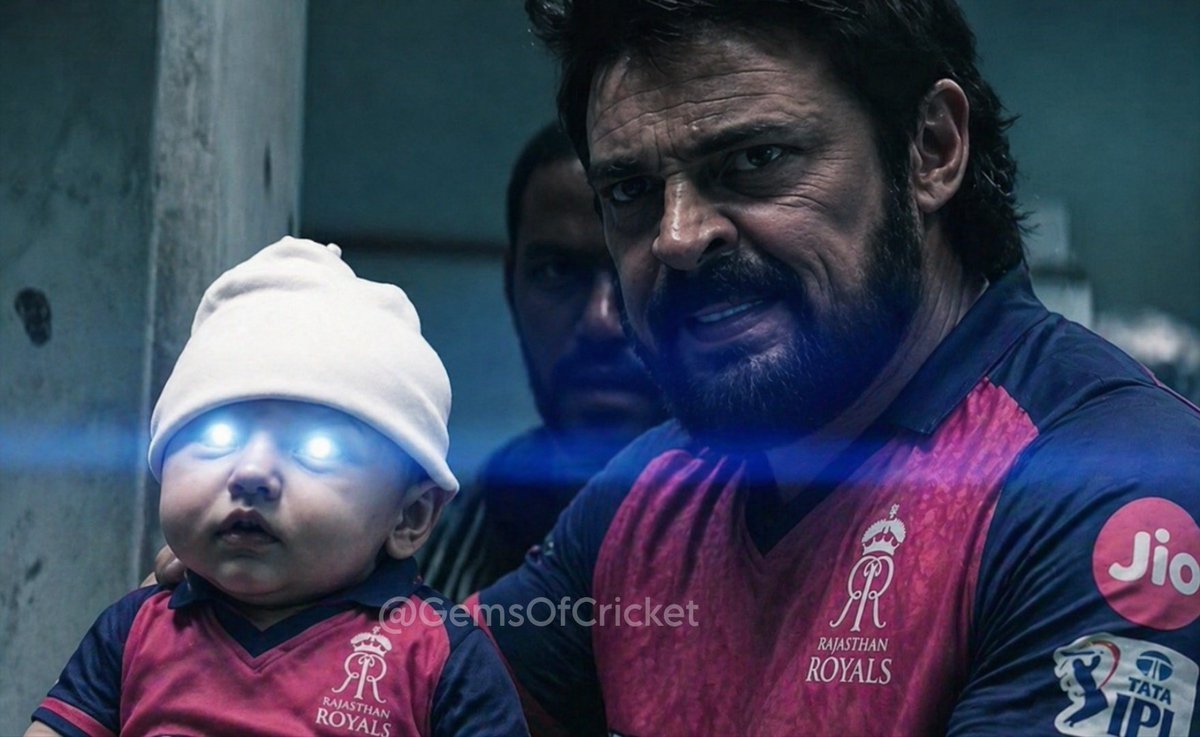
“Yang itu siapa, Pa?”
“Yang itu Om Charles, nak. Dia sebentar lagi podium.”
“Om Sharls nabrak, Pa.”
“Iya, nak. Sebentar lagi dia bawa obor buat ngebakar garasi Ferrari.”
This 4,500-year-old terracotta dice from the Indus-Saraswati Civilization is a powerful reminder of India’s living heritage. Dicing is also mentioned as a popular game in Rig and Atharva Vedas (two of the four sacred Vedic scriptures).
From symbols and craftsmanship to rituals, yogic practices, and collective memory, numerous elements of ancient Indian civilization continue to thrive in the daily social and religious life of Indian society across regions and communities.
Civilizational inheritance is not just about geography or ruins, it is defined by living customs, symbols, rituals, and unbroken cultural consciousness. India is the enduring living continuity of the Indus-Saraswati Civilization.
#IndusSaraswatiCivilization #AncientIndianHeritage
THE BEST SHOT OF LAST NIGHT - STILL CANNOT FATHOM HOW IT WENT FOR A SIX. 🤯
- Vaibhav Sooryavanshi was unbelievable, the reaction of Shubman Gill says it all. 🥶
In defense of Indian 🇮🇳 democracy!
During Prime Minister Narendra Modi most successful visit to Norway a minor incident happened. A Norwegian journalist demanded that the prime minister starts holding press conferences. She claimed that Indian democracy is in bad shape.
May be its time to pause? May be its time to be a bit curious to the world’s largest democracy?
Two weeks ago five Indian states and territories held elections. The turn out in the battlefield state of West Bengal was 94%. In the last local election in Norway it was 62%, in many European local elections turn out is below 50%. Can voting in massive numbers be a signal Indians trust their democratic process?
In the same election BJP won big in Assam and West Bengal. It lost even bigger in Kerala and Tamil Nadu. Can this diversity be a signal that Indian democracy is reflecting the will of the people?
The journalist referred to a democracy ranking putting India at 157 in the world, behind many dictatorships and deeply troubled states. When a ranking is so obviously contrary to common sense, why not ask critical questions to those making the ranking rather than demand that leaders shall comment on nonsense? I recommend Salvatore Babones book “Dharma democracy”. The book debunks convincingly the flawed methodology of these rankings.
It was referred to a ranking claiming it’s very dangerous to be a journalist in India. Reality is that it is more dangerous to be journalist in the US and far more dangerous in the vast majority of other nations in the world.
Let’s be real. India is not perfect. Of course there are incidents. India has a population the size of North America, South America and Europe combined. But India is much more peaceful than Europe or the Americas. That’s remarkable - given the ethnic, language and religious diversity of India and the many development challenges.
Unless we consider democracy a form of government only suited for some very small, peaceful and homogeneous Western European nations, may be we should commend Indian democracy?
India is the only major former UK colony which became and has remained a democracy. Its sometimes claimed that the Brits taught India democracy. If that was the case why isn’t Myanmar or Pakistan or the Gulf kingdoms democracies??? Reality is that Indian democracy is both homegrown and extraordinary successful.
Thank you to all of you for the immense support we’ve felt this week ❤️ Absolutely gutted we couldn’t bring it home, but that’s racing. Until the next one 🙏
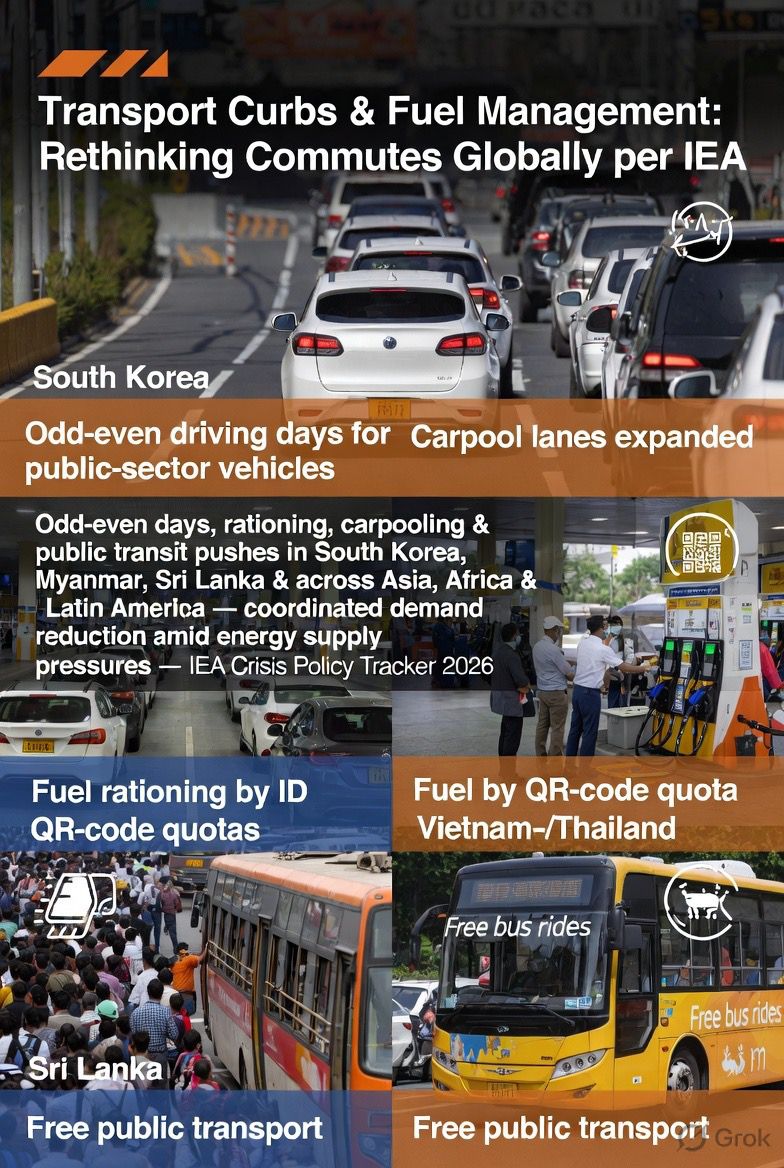
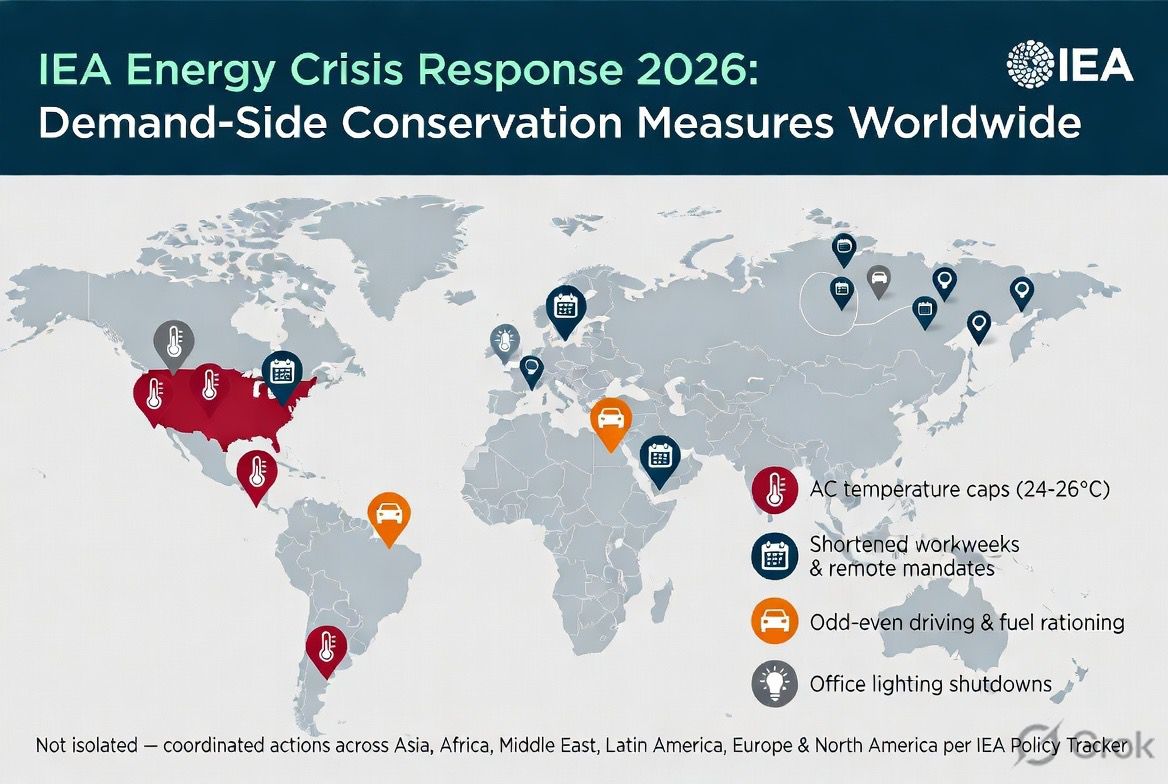
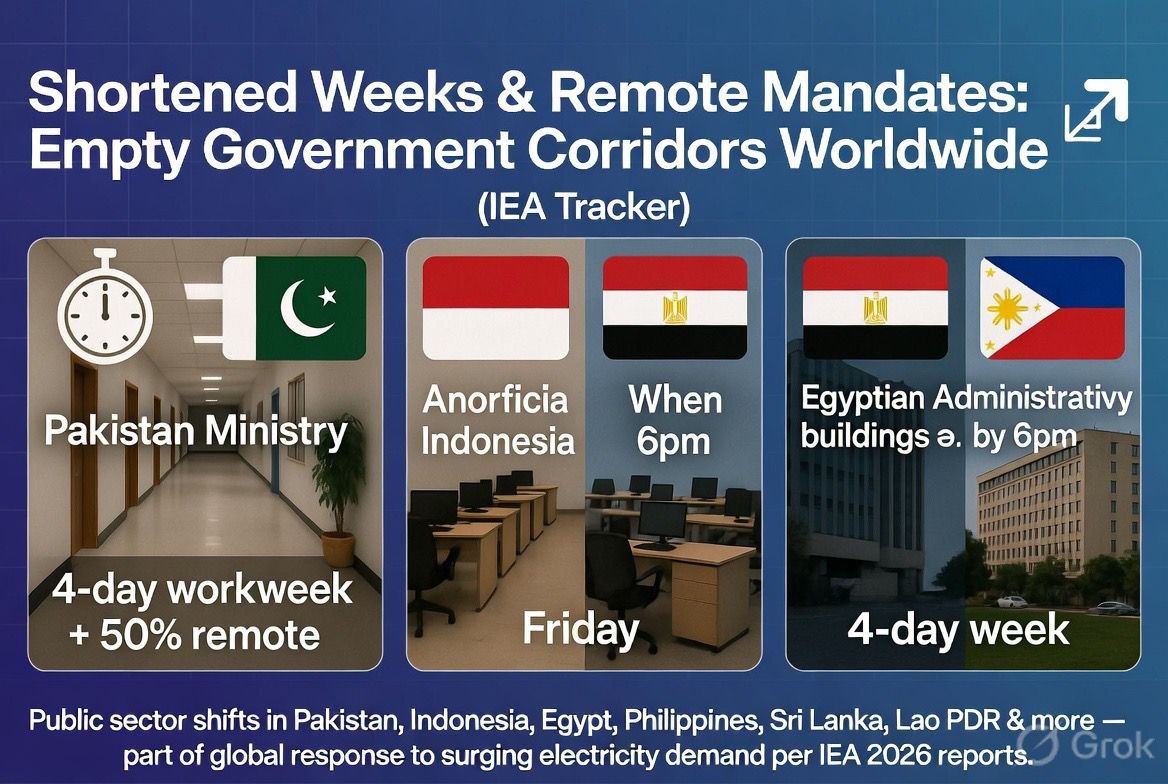
Currently, this is happening all around the world
• Several states in the US have encouraged citizens to work from home.
• South Korea asked citizens to use washing machines and vacuum cleaners only on weekends to reduce electricity demand.
• Pakistan Super League matches were played without crowds to reduce energy consumption. 4 days week, schools closed
• Sri Lanka declared Wednesdays as a national holiday to conserve fuel.
• Bangladesh ordered shopping malls to close by 7 PM and banned decorative lighting to save electricity.
• China encouraged citizens to switch to electric vehicles (EVs).
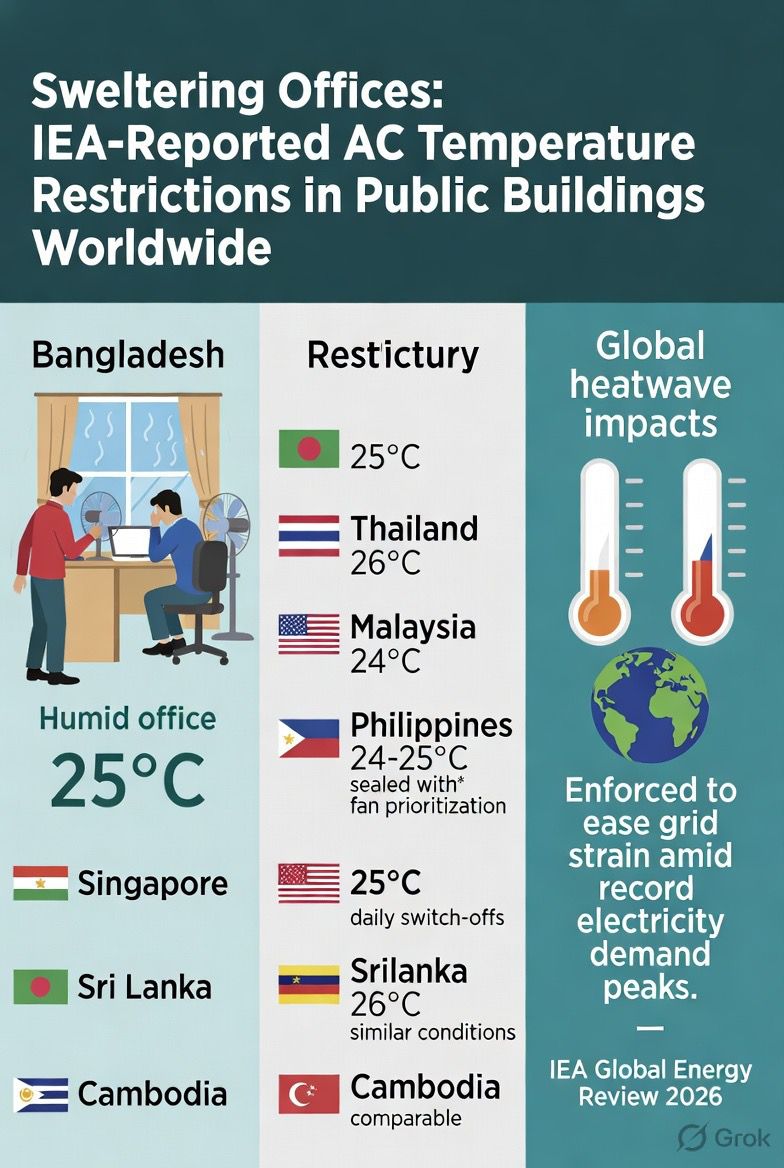
• Thailand advised citizens to set air conditioners at 27°C and avoid wearing coats and ties to reduce cooling demand.
• The UK reduced highway speed limits to 80 kmph to improve fuel efficiency.
• Germany introduced car-free Sundays to conserve fuel.
• Spain mandated early closing hours for offices to reduce electricity consumption.
• France banned short domestic flights where the same journey by train takes less than three hours.
• Brazil encouraged citizens to use public transport more frequently.
• Italy mandated a minimum AC temperature setting of 27°C in public buildings.
• The Philippines implemented work-from-home measures and reduced operations in shopping malls to save energy.
This is happening all around the world. All countries have increased prices of petrol and issued mandatory harsh measures. India is the only country in the world where no harsh steps have been taken
Understand the global crisis
Don't fall for Congress ecosystem agenda
Support your country
“If Modi-Shah wanted, they could have easily seized power by imposing Article 356. If they wanted, they could have won elections by forcing arrests, as the Congress once tried by arresting Amit Shah in Gujarat. If they wanted, they could have blown up Trinamool party offices across the state in response to the killing of 400 BJP workers and taken control, as was done under Jyoti Basu's leadership by sending dresses of widows to opposition homes.
But they did not.
They have come down to the soil of Bengal before the people, the sovereign masses. Working day and night, they are begging for votes from the public, because this is a democracy,” an Indian Army veteran writes to me from Kolkata. I have withheld his name for obvious reasons.
The same people who keep complaining that remote Indian regions remain underdeveloped suddenly become full-time environmental absolutists the moment India tries to build something strategic.
Great Nicobar is not some random vanity project. NITI Aayog itself said its development is crucial for leveraging India’s strategic presence near the Strait of Malacca, and the government has identified Galathea Bay for an international container transshipment terminal to turn it into a major shipping hub.
You cannot spend years mocking the state for neglecting frontier regions and then act shocked when the state finally moves to build serious infrastructure there.
And this moral posturing from Congress is especially rich. The Hasdeo record alone is enough to expose the hypocrisy. The Indian Express reported that mining there renewed after then Rajasthan CM Ashok Gehlot met then Chhattisgarh CM Bhupesh Baghel in March 2022 because Rajasthan needed coal, and both states were ruled by Congress at the time.
The same reporting notes that Congress later changed its line and began protesting the very tree-felling it had earlier enabled or failed to stop. So spare the sudden sermon about forests from people whose own record on tree-felling has been conveniently selective.
What makes the politics even stranger is that Great Nicobar is tiny in population. Official island statistics put its 2011 population at just 8,046, which means this is hardly some giant electoral jackpot for Rahul Gandhi to defend.
What is obvious, however, is the strategic upside for India. Reuters recently described the Strait of Malacca as the world’s busiest maritime trade route and said China relies on it for 75% of its crude oil imports. So from a geopolitical standpoint, stronger Indian reach in Great Nicobar is far more likely to worry Beijing than ordinary Indians.
That is why this outrage feels less like love for islanders and more like reflex obstruction of any project that expands India’s strategic leverage.