Today is World Oceans Day.
Take a deep breath and join me underwater for a moment, surrounded by these extraordinary creatures.
The ocean is full of wonders. Let’s keep it that way.
#WorldOceansDay
A bricklayer in East Yorkshire has spent 35 years putting up barn owl nest boxes on weekends. This year, the region saw 308 owlets hatch.
His name is Robert Salter. He's 56 and does bricklaying full time. In 1990, he saw a piece on the news about a man in Lincolnshire installing barn owl boxes, and decided he'd do the same. He started with five.
He now has more than 350 boxes scattered across fields, farms, outbuildings, and trees in East Yorkshire. Every June, he takes four weeks off from bricklaying and visits them with his wife Sue. Scrambling up ladders, ringing chicks, cleaning boxes, repairing the ones the weather got to. He's a licensed bird ringer for the British Trust for Ornithology.
In 2024, the region ringed 95 owlets. In 2025, the count was 308. The Barn Owl Trust says that nationally, this year was "pretty poor" for barn owl breeding, but east Yorkshire is the exception, and it's the exception because of one man with a ladder.
The barn owl population in the UK was estimated at 4,000 pairs in the mid-2000s and crashed to roughly 1,000 by the early 2010s. The species is still recovering.
Most of conservation is one person who refuses to give up.
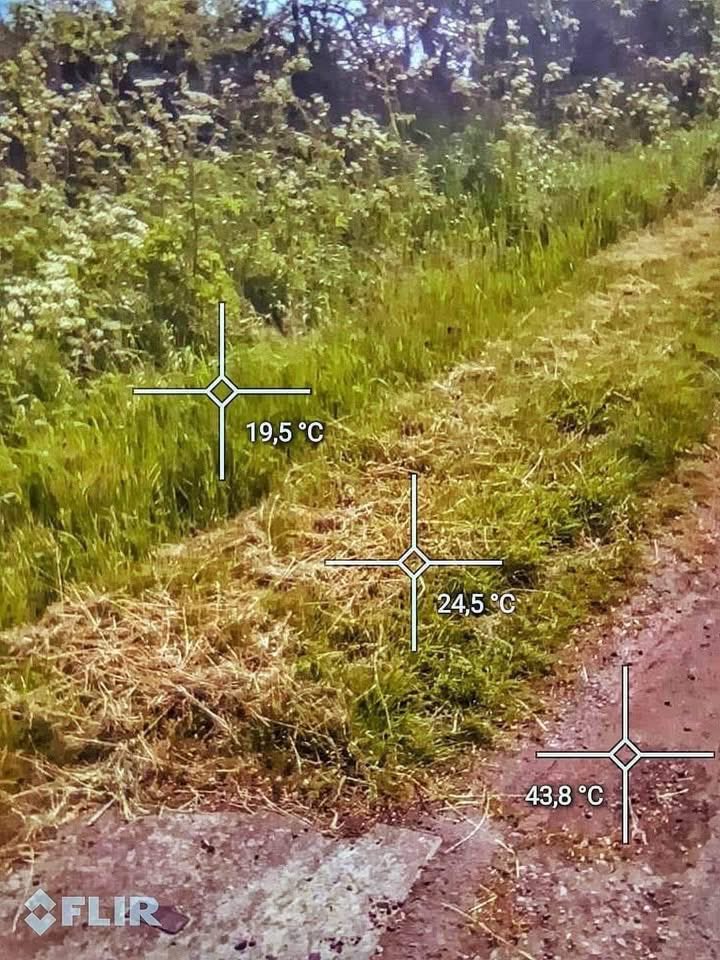
Uncut grass keeps the ground at around 19.5°C
Grass cut to 10 cm raises the ground temperature to about 24.5°C
Bare ground in the middle of summer rises to over 40°C
It's important to raise awareness #NoMowMay
How to help wildlife in a heatwave:
💧top up garden ponds or provide fresh drinking water
🌸 grow nectar-rich flowers
🐝 make a bee bowl
More: https://t.co/Ef04EI9ysb
More than 4 out of 10 insect species face extinction. Others are declining badly. We can help in our gardens and community spaces by not being too tidy, planting nectar-rich flowers & trees, and not using weedkillers and pesticides. More:
https://t.co/DUHBNrj4gW
Kitchen sponges like these release microplastics which end up in the sea, harming ocean creatures. And they can't be recycled, so they sit in landfill for hundreds of years. Eco-friendly, compostable sponges are available - see: https://t.co/dVz4CGpvSP
Do you know your chaffinch from your chiffchaff? The dawn chorus is at its best during May, and listening to birdsong is good for wellbeing - so set your alarm and enjoy the sound of spring!
A quick guide, with sound: https://t.co/smL4SSLh0b
“We often talk of saving the planet. But the truth is, we must do these things to save ourselves. With or without us, the wild will return.”
— David Attenborough
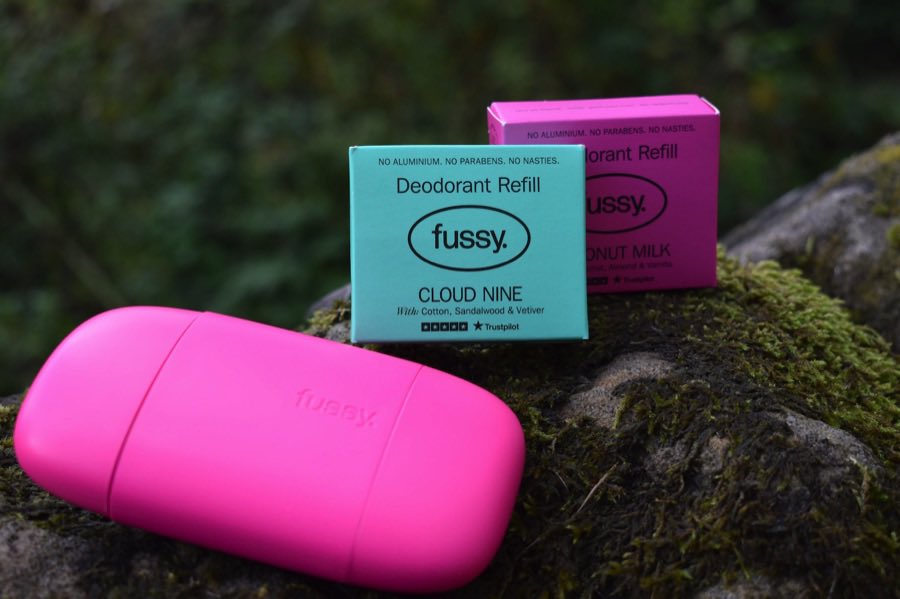
Billions of single-use plastic deodorant containers are thrown away each year. These end up in landfill for 100s of years, & release microplastics that end up in rivers & seas, harming marine wildlife. Using a refillable deodorant helps reduce this waste.
https://t.co/AFfpH6JcY7
How to help birds in summer:
🌸 Grow nectar-rich flowers to attract insects
💧 Provide fresh water
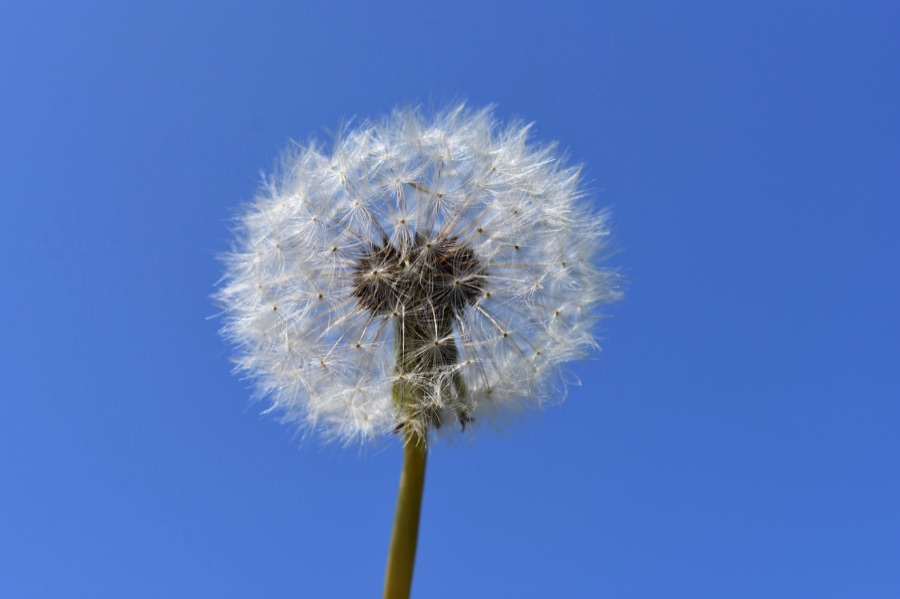
🌻 Grow sunflowers and dandelions for seed
More: https://t.co/oupczwnUhw
Red squirrels 'close to extinction' in England @BBCNews
Hard to believe that our beloved red squirrel is close to extinction and could disappear in 25yrs!
It isn't enough that they "cling on" to life across Cumbria, Northumberland and North Pennines
We have a duty to our children to save and nurture fellow species
#WakeUpWorld
https://t.co/23T2Yyotoe
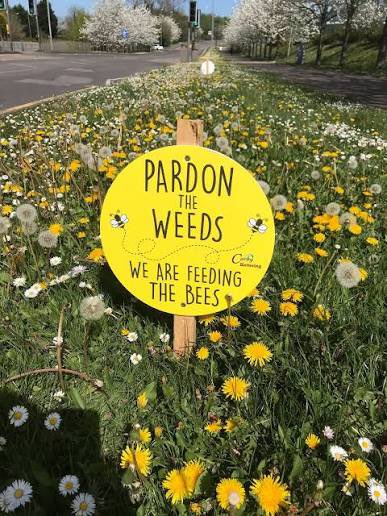
Over-mowing by many councils has started already. Dandelions, daisies, cuckooflower, clover - lifelines for pollinators - mown down to lifeless, 'tidy' grass deserts. Is your council taking positive action to restore at least 30% of nature, or is it lagging behind?
Very Important Message!!
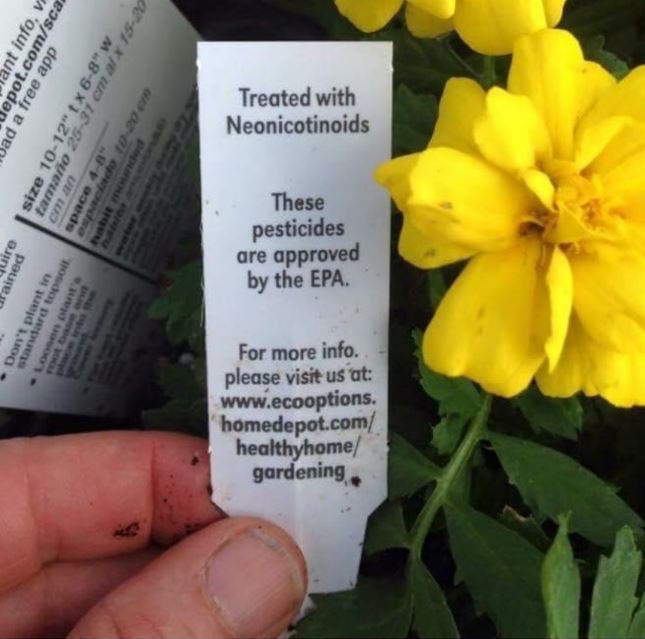
Do NOT, and I repeat do not buy plants treated with Neonicotinoids. Bees take the pollen back to the hive and feed it to the brood.
This is a number one cause of the colony collapse. It's important to NOT buy these plants!
Make sure to share this post!
Sir David Attenborough turns 100 next week.
"Please make no mistake. Climate change is the biggest threat to security that modern humans have ever faced."
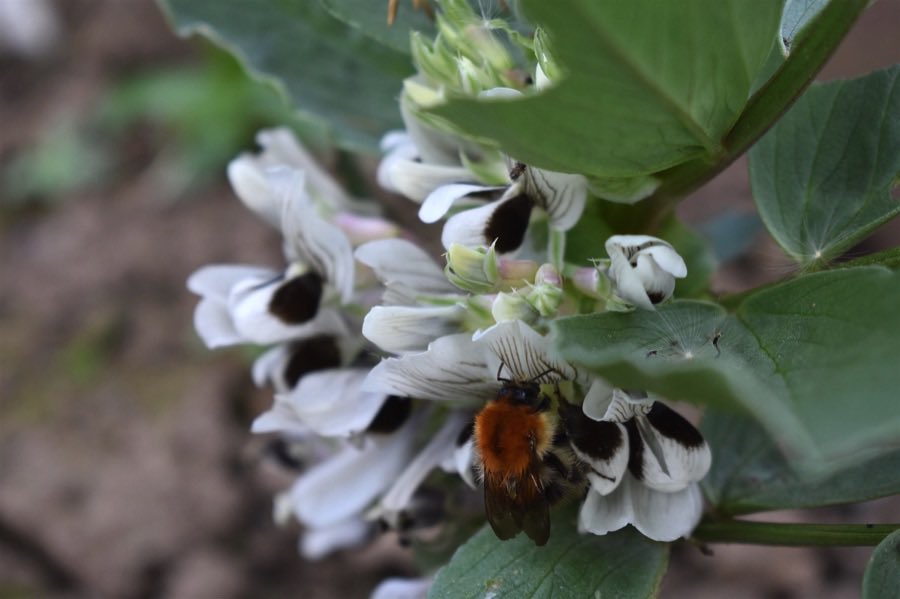
Growing your own food can reduce your impact on the environment – and many crops have nectar-rich flowers that also feed bumblebees, butterflies and other pollinators.
Try:
🐝 Broad beans
🐝 Blueberries
🐝 Herbs
🐝 Apples
More: https://t.co/EmkXfFqh62
Dates for your diary: Don't forget - our Climate and Environment Hustings is on Monday 20th April, Sherwell Church Hall, North Hill, 6pm Please spread the word. Everyone is needed! In hope and solidarity, Ricky, on behalf of Climate Action Plymouth
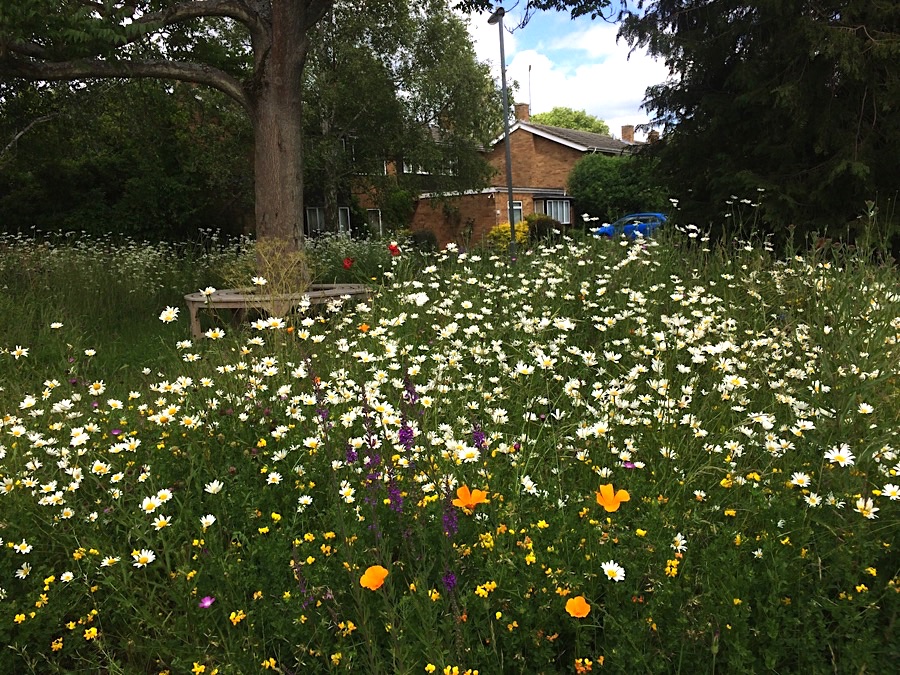
How many people out there are giving wildflowers a chance by leaving areas of their gardens uncut this year? Please RT if you are offering a lifeline to pollinators like bees, butterflies, moths, hoverflies and bats by mowing less!
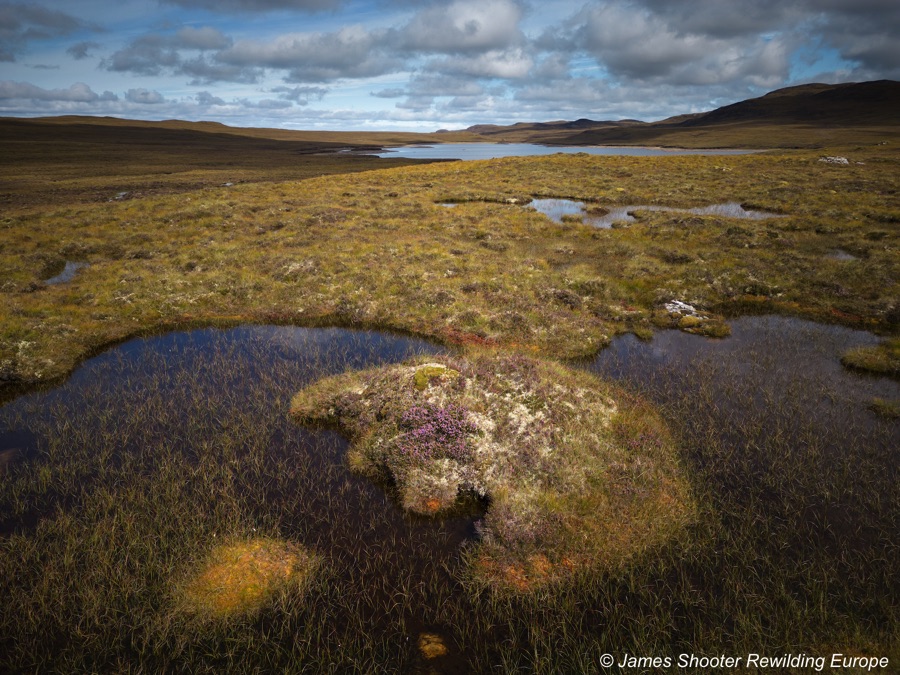
A globally rare landscape of blanket bog near Loch Ness is being restored as part of Britain's largest rewilding initiative.
More:
https://t.co/1z2cE037VV
The stark contrast between plastic grass and real grass. One is devoid of life and shedding microplastics. The other is colourfully boosting biodiversity.
More: https://t.co/j9sS5mRHiU