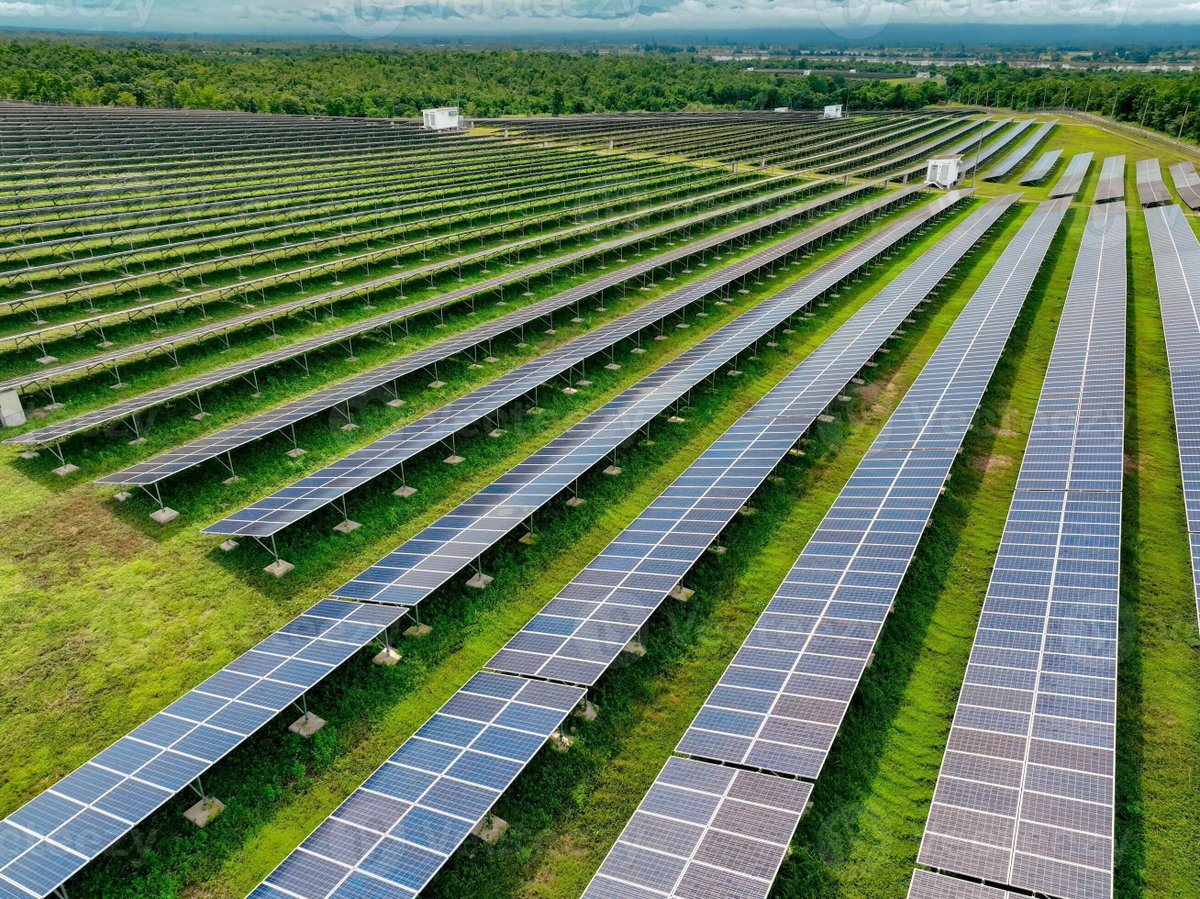
For commercial solar, If buying feels like navigating a legal maze, buyers walk away. Clean power deployments grow fastest when the contracts are simple and standard.
China continues to install renewable capacity at a remarkable pace.
When deployment reaches that scale, the global energy conversation changes from possibility to inevitability.
Many businesses are no longer waiting for national grid improvements before thinking about their energy future.
Self-generation is quietly becoming part of corporate risk management.
Energy transitions are rarely defined by one breakthrough moment.
They are shaped by thousands of decisions made across policy, finance, engineering, and operations.
Momentum builds gradually.
Global renewable deployment is becoming less theoretical and more operational. The focus is shifting from ambition statements to implementation performance.
Execution discipline is gaining importance.
A noticeable shift in the sector is how energy planning is becoming more integrated with industrial policy.
Power availability is no longer treated as a background issue. It is increasingly central to economic competitiveness.
Innovation in renewable energy is not always about new technology.
Sometimes it is about using familiar solutions in new environments and scaling them with discipline.
Deployment strategy matters.
In many markets, energy users are becoming more active participants rather than passive consumers.
From rooftop solar to corporate procurement strategies, their relationship with electricity is evolving.
One thing that stands out in the past few months is the pace of solar deployment globally.
Projects that used to take years to move forward are now being announced and financed much faster.
The energy transition is starting to move at real industrial speed.
One underrated driver of renewable success: stakeholder alignment.
Projects move faster when regulators are engaged, communities are informed, off-takers secured, and financiers aligned.
Technical expertise alone is not enough. Ecosystems matter.
Energy strategy is no longer just about infrastructure, it’s about economics.
Countries that solve reliable power unlock:
• Industrial growth
• Digital expansion
• Manufacturing competitiveness
Energy today is national competitiveness in action.
Generating more energy isn��t enough.
Without strong distribution and transmission, even the best projects underperform.
Energy planning has to be wholistic, thinking about generation, grids, and people.
The details matter more than hype.
@JessePeltan Solar definitely has a strong case, especially in high-irradiance regions.
The real opportunity now is making it reliable at scale by pairing it with storage, stronger grids, and supportive policy.
Solar isn’t the problem anymore. The technology is ready. The demand is clear.
Yet, many projects still stall.
The winners in energy aren’t the loudest. They are the ones who combine strong partnerships, smart planning, and long-term vision.
Thoughtful strategy beats rushing.
🌟 Completed Power Africa Nigeria Power Sector Program's Financial Modelling Bootcamp (SHS Corporate Finance) with @USAID and @PowerAfricaUS ! Grateful for skill enhancement in energy finance. Thanks to PA-NPSP team. #PowerAfrica#FinancialModelling#EnergyFinance 🚀💡