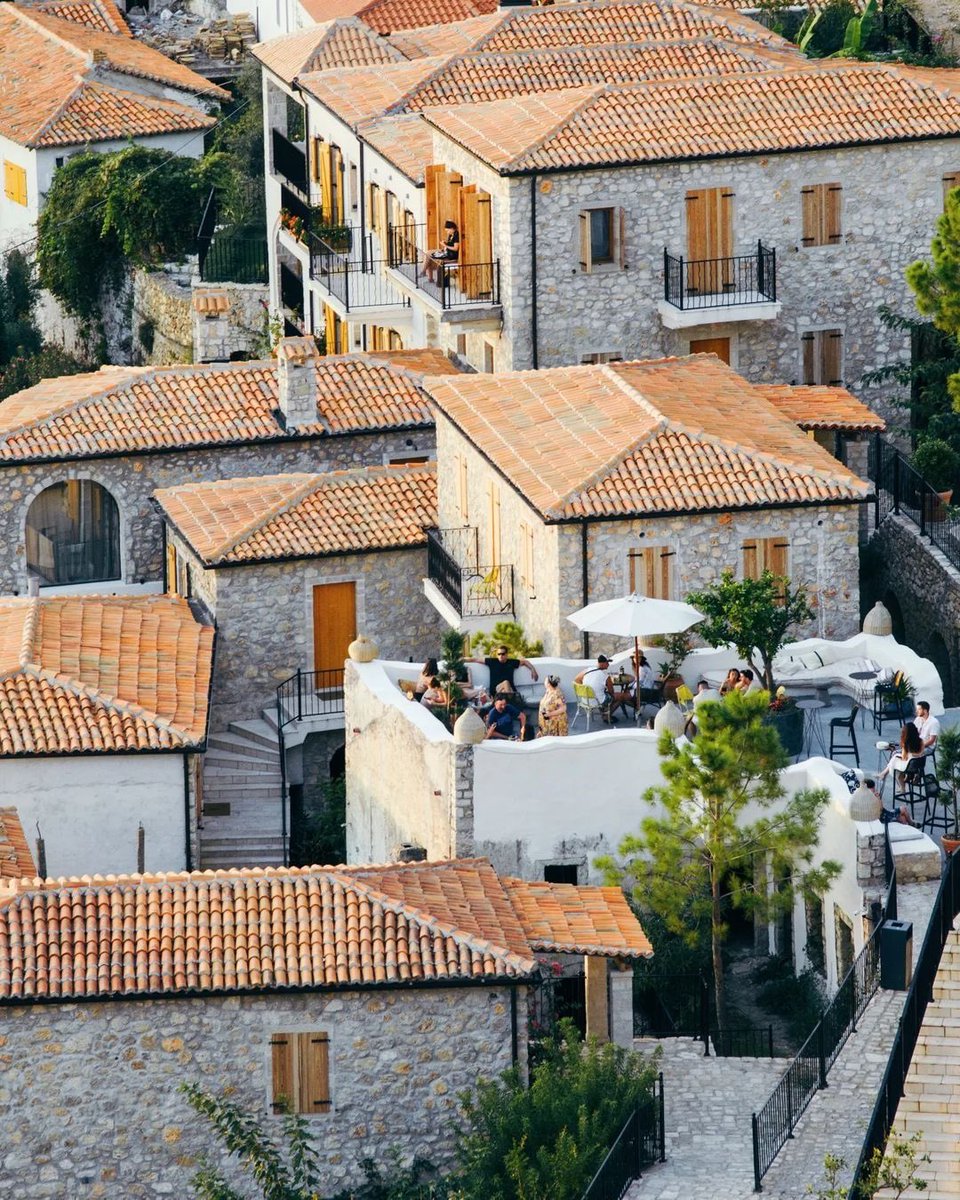
Walk through Lisbon, Barcelona, Rome or any great Mediterranean city and the roofs tell you something immediately. They are terracotta. They are clay. And most of them have been sitting there for over a hundred years without being replaced.
Walk through most of our cities and the roofs tell a different story. Aluminum sheets weighted down with stones so the wind does not carry them away. Black roofing absorbing every degree of tropical heat. Roofs that leak every rainy season and lift off every harmattan, then get patched, then leak again, then get replaced, then leak again.
When this argument comes up, the response is always the same: clay is too heavy. This from people who spend every dry season watching their aluminum sheets fly off and every wet season putting buckets under the holes. The roof that requires stones to stay on the building is apparently lighter than the one that has been sitting on buildings in southern Europe for a century without moving.
Clay tiles last between 50 and 100 years when properly installed. They are fire resistant, rot resistant and their natural thermal properties keep interiors cooler without electricity in the exact climate we live in. Africa has the clay, the soil and the kiln tradition to produce them locally. What we are missing is the willingness to think past the next rainy season when we build.
The aluminum sheet is not affordable. It is cheap today and expensive for the rest of your life.