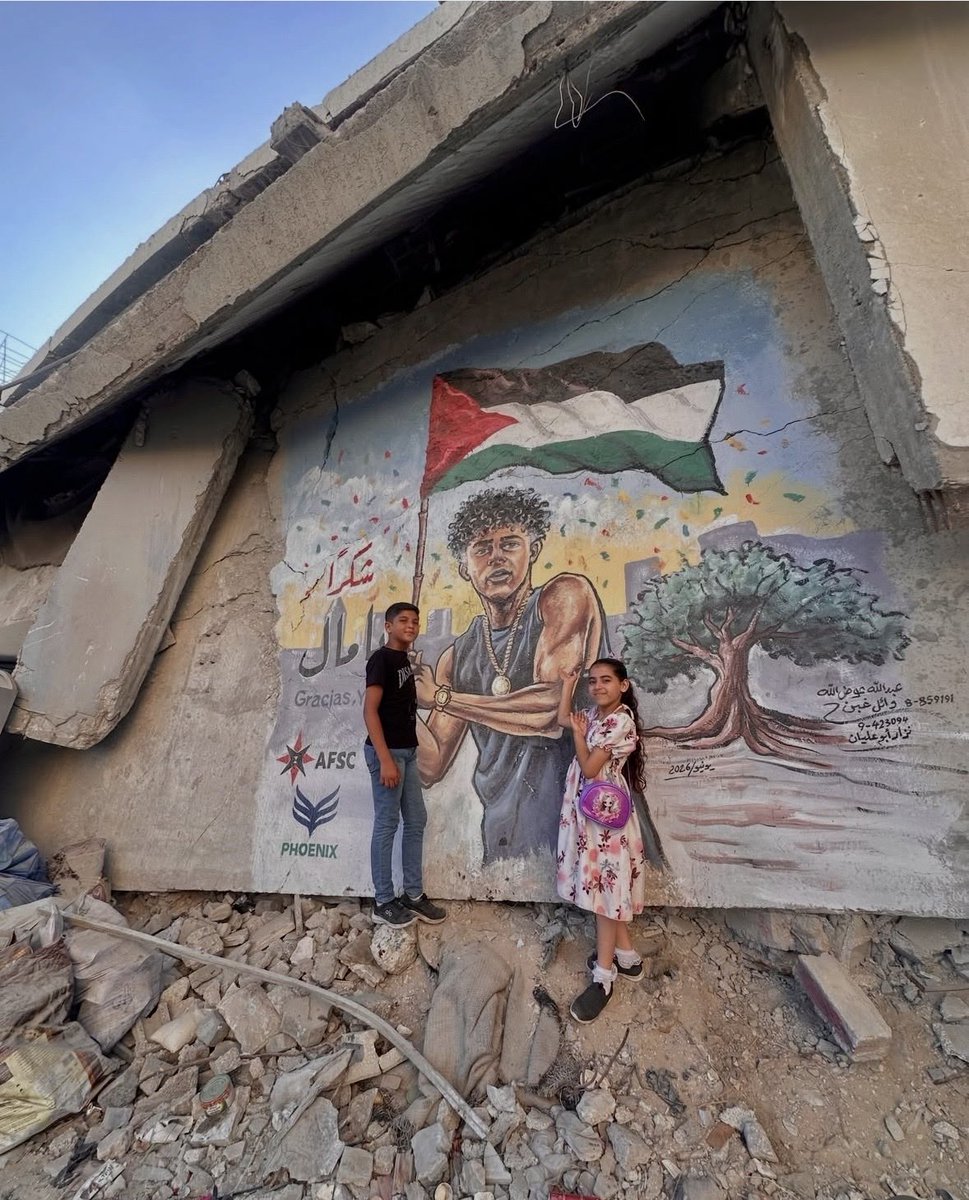
Former Manchester City manager Pep Guardiola has urged the world not to forget Palestinians in Gaza.
In a video with the UN agency for Palestinian refugees, UNRWA, he condemns the dehumanisation of victims and the suffering of children.
🇲🇪Another significant day in Montenegro’s path to EU membership.
🇮🇪🇪🇺Minister @ThomasByrneTD is hosting the 29th Intergovernmental Conference with Montenegro, provisionally closing 3 negotiating chapters.
⬇️Watch his remarks ahead of the conference.
There is a larger story behind the scenes in Belgrade today, and it is not simply that thousands of people still regard Ratko Mladić as a hero.
It is that Serbia has still never fully confronted its own role in what happened in Bosnia.
The Bosnian Serb aggression and genocide did not happen in isolation, with Serbia standing somewhere on the other side of the Drina as a passive observer. The military machine Mladić commanded was built, armed, supplied and financed to an extraordinary degree from Belgrade.
When the Yugoslav People’s Army formally withdrew from Bosnia in May 1992, it did not simply pack up and leave. Much of its Bosnian Serb personnel remained and became the Army of Republika Srpska. The new army inherited hundreds of tanks, armored vehicles, artillery pieces, weapons and enormous ammunition stocks from the JNA. Supplies continued to arrive from Serbia. Officers continued receiving salaries and benefits through Yugoslav military structures.
A JNA document presented at The Hague recorded 51,900 weapons distributed to Bosnian Serbs as early as March 1992.
And perhaps the clearest evidence came from Mladić himself. In 1995, he reported that the Yugoslav Army had supplied 47.2% of the infantry ammunition, 34.4% of the artillery ammunition and 52.4% of the anti-aircraft ammunition his forces had consumed through the end of 1994. Much of the remainder had been inherited directly from the JNA.
This was not moral support from a neighboring country. It was the infrastructure of war.
And that infrastructure enabled crimes across Bosnia.
Srebrenica was the genocide for which Mladić was ultimately convicted, but his record did not begin or end there. Sarajevo was besieged and its civilians deliberately terrorized for years. Across places such as Prijedor, Foča, Višegrad, Zvornik and countless other towns and villages, Bosniak civilians were murdered, imprisoned in camps, tortured, raped, forcibly expelled and driven from communities their families had inhabited for generations. Mosques and cultural heritage were deliberately destroyed as those communities were erased.
That is the history behind today’s funeral.
More than thirty years later, Serbia had an opportunity to demonstrate that it understood where that politics led. Instead, a Serbian government aircraft brought Mladić’s body home. Serbian soldiers carried his flag-draped coffin. A commemoration was organized at the Army House in Belgrade. Free buses brought mourners from across Serbia. Thousands came to honor him. Senior figures in the Serbian state have defended the spectacle rather than confronting what it represents.
That is why this funeral matters.
It is not really a story about one dead general.
It is a story about a state that materially sustained his army during the destruction of Bosnia, and a society and political establishment in which the mythology surrounding that project remains powerful enough that, in 2026, a convicted genocidaire can still come home to this.
Al Jazeera correspondent Mohammed Wishah was killed in an Israeli strike that targeted his vehicle in Gaza City.
His death brings the number of Palestinian journalists killed since October 2023 to 262, amid violations of the US-brokered “ceasefire.”
#JournalismIsNotACrime
Palestinian boy walking alone on a road, carrying two large water containers after a long journey. 💔
The footage highlights the severe humanitarian conditions facing civilians, particularly children, amid ongoing shortages