"Saving Indonesia’s Cool Corals In A Warming World"
Researchers are working with communities to study the reefs of Indonesia's "Coral Triangle" under threat from population pressure and climate change.
My latest @ForbesScience Story. #worldoceansday
https://t.co/HztX212tON
#Coral reefs offer crucial coastal protection and habitats for marine life, yet they face severe threats. 🪸
Researchers in Indonesia & the Philippines are helping reverse the decline of coral reefs under #CLimateAdaptationREsilience initiative.
https://t.co/0emse75gLD
This @Forbes piece emphasizes the role of marine biologists & researchers like @cilunaaaaaa in preserving Indonesia's biodiversity.
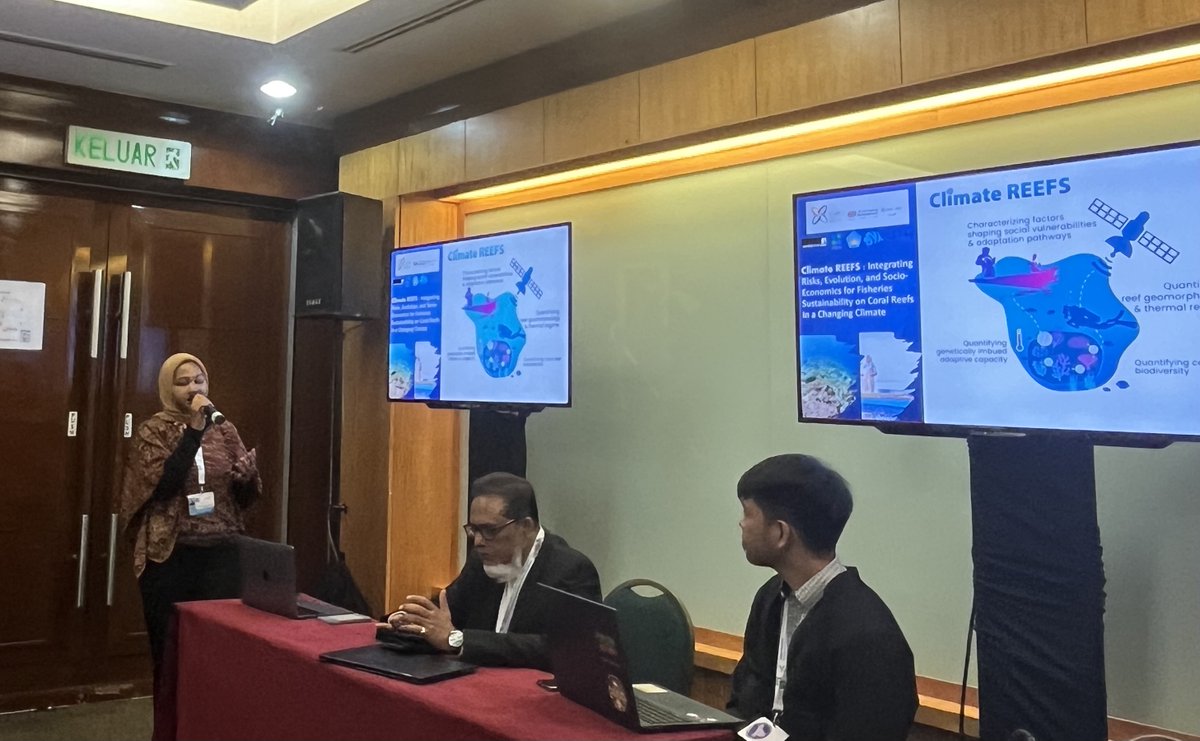
The ClimateREEFS project is preventing the deterioration of corals. #ClimateAdaptationREsilience @FCDOReserach @IDRC_CRDI
https://t.co/d7fRoXLPMe
🪸How are local communities adapting to coral reef decline?🪸
Corals are not only structurally important for other marine organisms. Apart from serving as nurseries, shelters, and feeding and reproduction grounds for about a quarter of marine species, corals are essential to humans, impacting at least 500 million people on the planet – some estimates point to 1 billion people.
We asked a group of coral scientists from the Global South how their communities are responding to the rapid decline of coral cover.
Watch the video to find out!
If we save corals, we help save humans. Learn more about how CORDAP is funding science that can secure a safe future for corals at https://t.co/IHAiNckeP3
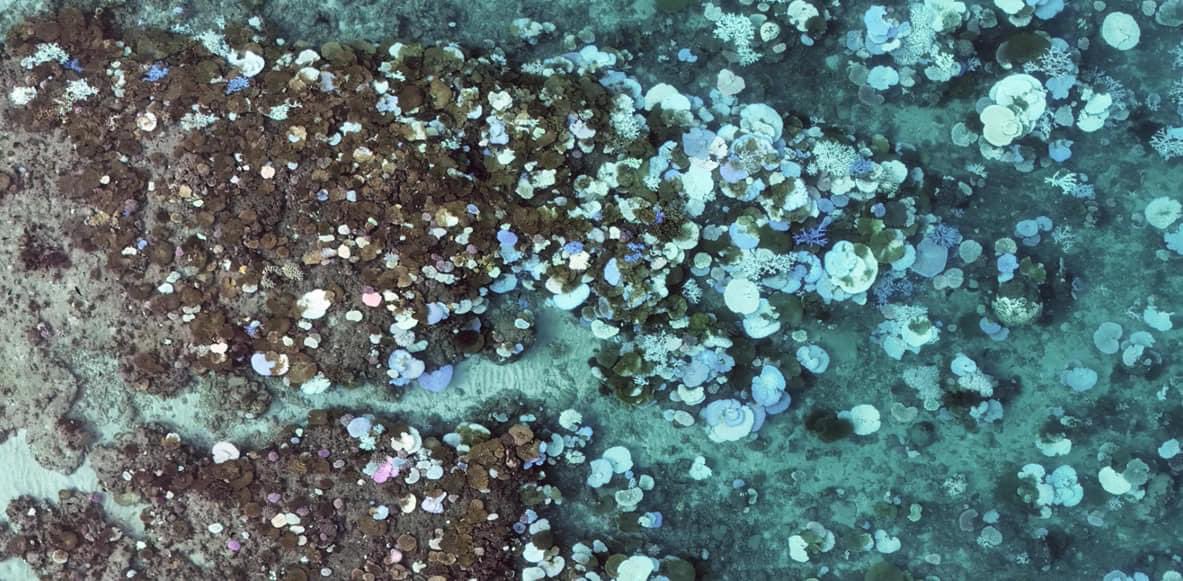
The same reef from a drone shot in 2023 and just a few days ago (2024) - the bleaching on the northern GBR is next level. The world is on fire (even under the water). Photos from Mar Inn
From rights to resilience. This session spotlights the link between land rights and climate resilience, represented by young leaders representing and working with indigenous peoples, pastoralists, and farmers. Amazing stories from Bangladesh, Philippines, and Kyrgyzstan.
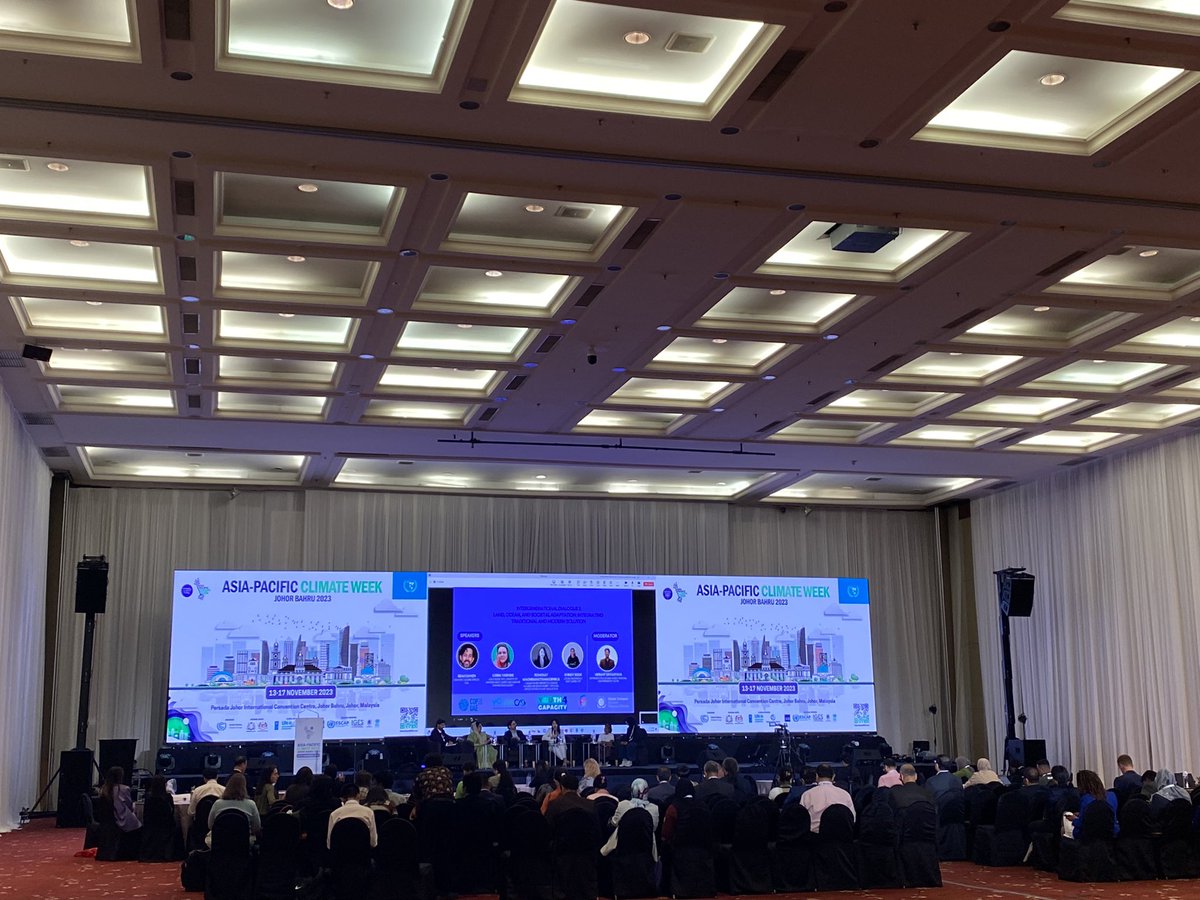
Late post. #APCW2023 day-2. Intergenerational dialogue echoes the vital role of knowledge transfer and amplifying youth voices—building a stronger, inclusive foundation for addressing the climate crisis.