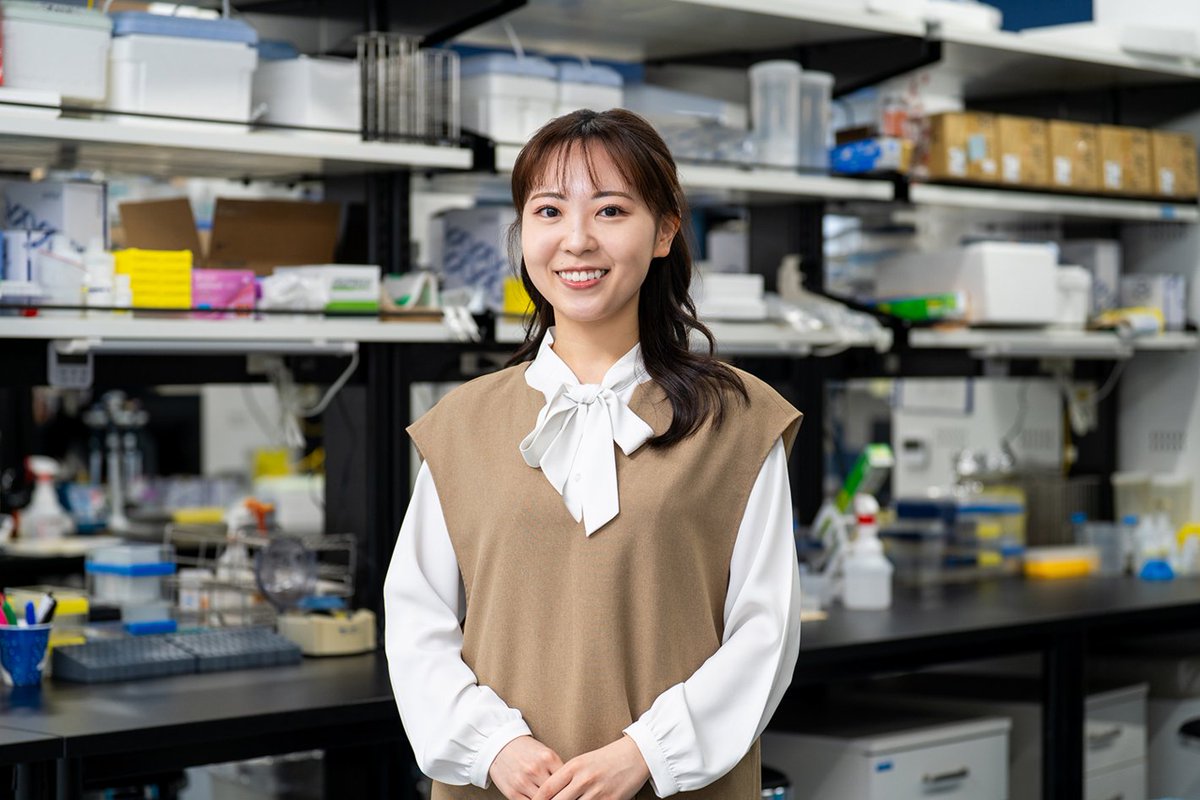
The CiRA Reporter "PEOPLE" article features graduate student Ayana Sunami of Professor Yoko Hamazaki's lab, who studies age-related changes in immune cells and shares how her global background drives her goal to give back to society through science.
https://t.co/YfPiZ5COSr
CiRA is now accepting applications for the FY2027 Research #Internship Program in the summer!🧑🔬
For applicants attending overseas universities, the deadline is February 5, 2027. (Domestic university students: May 18, 2027)
#iPSCs#KyotoUniversity
🔗https://t.co/stBBty4iz1
The CiRA Reporter "ETHICS" article written by Researcher Kayo Takashima revisits the debate over Mary Warnock's 1984 report, which led to the "14-day rule" for human embryo research, and reflects on real-world bioethics.
https://t.co/r7EO3koal8
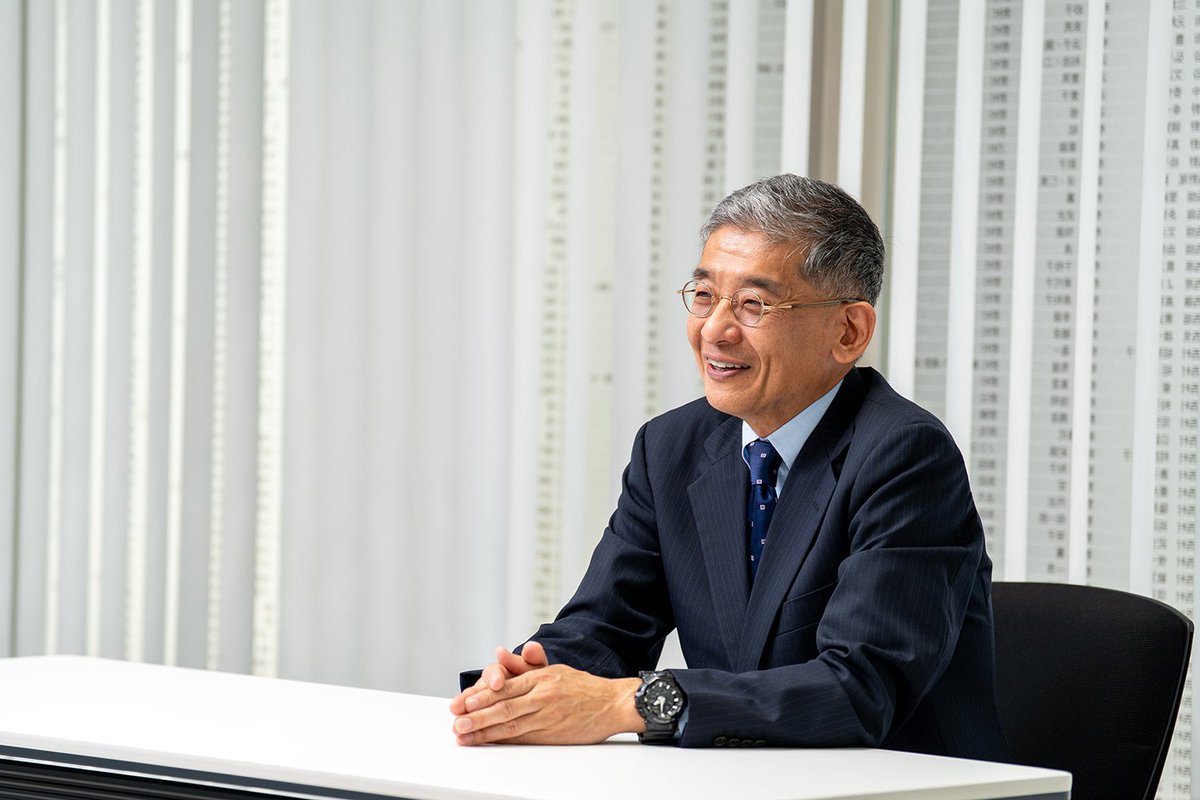
This CiRA Reporter article features a conversation between Director Koji Eto and next-generation researchers. They discuss the present and future of CiRA, exploring how curiosity drives discoveries in life sciences.
https://t.co/xNf5LuCUvM
The CiRA Reporter features Director Koji Eto. Upon assuming the directorship, he reflects on CiRA's mission and shares his vision for advancing iPS cell research and medical applications.
https://t.co/rUUVa5WYMH
🔬 Research Highlight
A team led by Assist. Prof. Ryusaku Matsumoto and Prof. Takuya Yamamoto has optimized human iPS cell culture conditions to efficiently generate hypothalamic-pituitary organoids. 🧬
🔗 Full story:
https://t.co/CBsNKEQN8Y
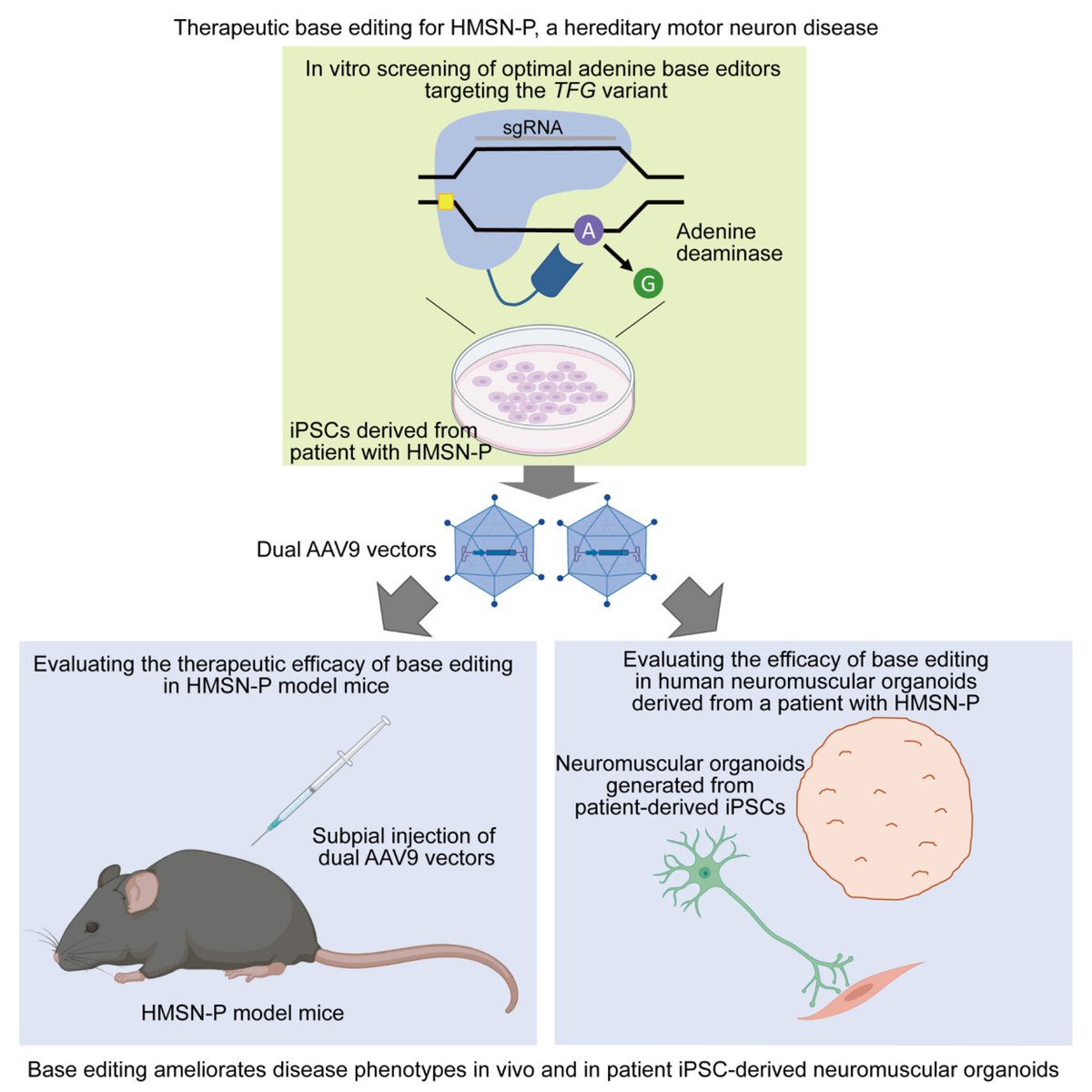
This provides proof-of-concept for precision gene therapy for inherited motor neuron diseases. These findings were published in Molecular Therapy Advances.
Read the full paper here:
https://t.co/1itd9Ahb1Z
In a collaborative study led by Prof. Haruhisa Inoue, researchers demonstrated that adenine base editing can correct a disease-causing genetic mutation and alleviate neurodegeneration in HMSN-P.
https://t.co/5QfH6mKPU9
Jun Takahashi was selected for pioneering the translation of iPS cell biology into regenerative therapies for Parkinson’s disease, culminating in the world’s first clinical approval for iPS cell-derived cell transplantation.
Read more: https://t.co/OvBYC9wCtG
You can also check out a summary of the paper on our website:
Toward the Responsible Conduct of Human Fetal Tissue Research ― Challenges for Informed Consent and Research Governance in Japan
https://t.co/E8ygRm4Hp9
An interview with Prof. Misao Fujita is out on RegMedNet! She discusses her paper on the ethical, legal, and social issues of human fetal tissue research in Japan and applying international standards.
Read here👇
https://t.co/sbChnUu8Xd
Prof. Shinya Yamanaka’s interview has been published in TIME!
Twenty years after the discovery of iPS cells, the article reflects on his research journey and iPS cell research today.
Read the article here👇
https://t.co/lBuJJnyfNX
Photograph by Takuya Maeda for TIME
@TIME
Today marks 20 years since Prof. Yamanaka & his team first reported generating mouse iPS cells on Aug 10, 2006.
At CiRA, we continue advancing iPS cell technology for regenerative medicine, drug discovery & disease research, moving forward step by step.
#iPSCell20th#StemCells
20 years after discovering iPSCs, Nobel Laureate Dr. Shinya Yamanaka discusses advancing cell therapies, combining iPSCs with CRISPR & organoids, and the future of stem cells!
https://t.co/Yru6ZkTXph
#iPSC#StemCells#ShinyaYamanaka
On July 3, Yohei Matsumoto, Minister of MEXT, visited CiRA.
He exchanged views on the current status of iPS cell research with Director Eto and others, and observed "iPS cells 2.0" under a microscope.
👇Read more:
https://t.co/U6rrB3qa2L
#CiRA#iPScells#MEXT#KyotoUniversity
With funding from the JSPS Core-to-Core Program, CiRA established the International Interdisciplinary Program for Advanced Regenerative Applications and Design of Individualized Genomic Medicine (i2PARADIGM) in FY2026.
https://t.co/vfwzeuenio
These findings could advance blood-based diagnostic tools and the search for new therapeutic targets for ALS.
The results are published in the journal Biology Methods and Protocols.
https://t.co/QzlpZlEMRX
A research team led by Prof. Haruhisa Inoue has developed a machine-learning method to analyze blood gene expression data in ALS. They identified a 3-gene combination that accurately distinguishes ALS, including genes not previously linked to the disease.
https://t.co/aFify1ot7z
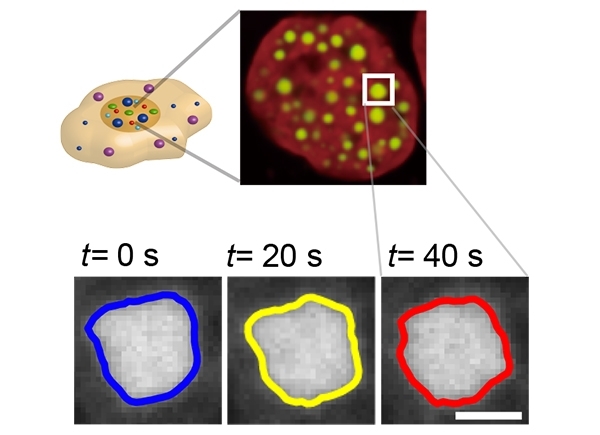
In a new study, a research team led by Dr. Shunsuke F. Shimobayashi, in collaboration with researchers at Princeton University, developed a non-invasive method to probe the physical properties of condensates directly inside living cells.
https://t.co/XSEanQIT3q