-Blue-blocking glasses guide:
🔴 Red/Orange lenses: Every evening after sunset.
🟡 Yellow lenses: Optional, during the day, if heavy screen use.
⚪ Clear lenses: Waste of money.
The Carnosine® adhesive skin patch may enhance left ventricular systolic function via cutaneous phototherapy—no drugs or external light required. https://t.co/pdHdfy3OiO
The rich red light at sunrise 🔆👑—combined with that crisp circadian-setting blue—is nature's ultimate Ozempic, the original GLP-1 booster hiding in plain sight. 🌅
Nobody talks about this, but just 30 minutes of direct sunrise exposure (eyes + skin, no sunglasses, no windows blocking UV/IR) triggers a cascade that crushes modern metabolic dysfunction:
- Fires up hepatic beta-oxidation [the metabolic hub] — your liver's ancient, true fat-burning pathway — flipping the switch from sugar-burning chaos to efficient fat torching all day.
- Structures the water inside your cells (hello, EZ water / exclusion zone), charging them like batteries to store more energy and electrons — prepping for the UVB punch that hits later in the morning.
- Skyrockets insulin + leptin sensitivity — resetting hunger signals, killing cravings, and letting your body actually hear "I'm full" again (the real reason Ozempic works... but the sun does it upstream, for free).
- Supercharges mitochondrial function — more efficient energy production, less inflammation, better fat oxidation, and upgraded cellular power plants that make you feel alive instead of sluggish.
Science backs it: Morning natural light (rich in red/IR at dawn, shifting to blue) entrains your circadian clock, boosts GLP-1 signaling naturally, improves glucose control, enhances whole-body fat oxidation, and even upregulates mitochondrial pathways in ways artificial light never can. Studies show sunrise light exposure stabilizes blood sugar, shifts metabolism toward fat burning, and aligns hormones like leptin for effortless appetite control.
This isn't biohacking hype—it's biology we evolved under. Modern indoor life + artificial blue light at night destroys this system, turning us into carb-craving, fat-storing machines.
Want the ultimate "GLP-1 agonist" without the jab, the nausea, or the $1k/month price tag? Step outside at sunrise tomorrow. Eyes to the horizon, skin exposed, 30 minutes. And DHA seafood maxxing breakfast
OR head to my bio for 1 on 1 consultation. I literally walk with you.
Your body already knows the protocol. The sun invented the hack.
Who's starting tomorrow? 🔥☀️ #SunriseProtocol #NatureOzempic #CircadianHealth #MitochondrialMagic #FatBurning #Biohacking #GLP1Natural
1 of 2
The fact that medicine is suddenly obsessed with mitochondria should tell you everything. You do not see this level of attention gather around a trivial part of biology. When entire fields start circling the same structure, it usually means we are standing near a deeper truth about how life actually works.
Because mitochondria are not a side topic. They sit near the center of how the body allocates repair, adapts to stress, and decides what gets preserved versus what gets delayed. When attention converges there, it’s not a trend. It’s a signal that biology has been misunderstood at a foundational level.
Yes, artificial interventions may produce a local effect. A symptom may shift. A marker may move. But local change is not the same as global recovery. Mitochondria do not operate in isolation — they are shaped by light, sleep, timing, movement, food quality, and the environment the body is forced to interpret every day.
As mitochondrial medicine expands, the real responsibility is not just learning how to “target” mitochondria, but learning how to restore the conditions they were built to operate in. Otherwise we risk silencing symptoms while the machinery remains strained.
Nature already gave us the primary levers. If we ignore them and stack artificial signals onto an already noisy system, we may get short-term changes while the deeper pattern stays broken.
Most people were never taught how to read the environment. It is our duty to help them read it.
⸻
1. They sculpt the body through growth timing
How they sculpt:
Mitochondria decide whether a cell has enough charge and material to build, divide, or pause.
That means they influence growth rate, tissue development, and regeneration quality.
What helps:
•Strong day/night light timing (morning light, dark nights)
•Sleep consistency
•Not overeating late (lets repair timing run cleaner)
⸻
2. They sculpt the body through tissue repair
How they sculpt:
Every tissue is constantly replacing parts of itself.
Mitochondria power and time repair turnover: collagen remodeling, membrane repair, protein cleanup.
What helps:
•Deep sleep (repair window)
•Adequate protein + micronutrients from real food
•Seafood + quality animal fats (supporting membranes and repair capacity)
•Recovery days (not constant stress/training)
⸻
3. They sculpt the body through hormone signaling
How they sculpt:
Hormones don’t act in a vacuum.
Mitochondria affect how well tissues can respond to hormones (thyroid, insulin, sex hormones, cortisol).
Same hormone signal, different mitochondrial state = different outcome.
What helps:
•Stable blood sugar swings (less chaos)
•Sunlight + movement
•Reducing chronic artificial light at night / circadian disruption
⸻
4. They sculpt the body through inflammation control
How they sculpt:
When mitochondria are stressed, cells leak danger signals and oxidative stress rises.
That changes swelling, pain, skin quality, gut tolerance, and recovery speed.
What helps:
•Better sleep + earlier nights
•Lower chronic stress load
•Less ultra-processed food / alcohol overload
•Gentle daily movement (walks > only intense bursts)
⸻
5. They sculpt the body through cell fate
How they sculpt:
Mitochondria help decide whether cells adapt, survive, or die.
That’s huge for development, aging, tissue quality, and what accumulates over time.
What helps:
•Avoid nonstop overtraining / sleep debt
•Build metabolic flexibility (movement, meal timing, not constant snacking)
•Recovery-focused routines that improve redox/repair, not just stimulation
⸻
7. What we were not taught
Your body is shaped by the conditions it is forced to interpret, day after day.
Mitochondria decide what gets repaired, what gets delayed, and what gets left behind.
Most people were never taught to read those conditions.
It is our duty to help them read the environment.
Your ETC needs specific micronutrients to move electrons. These are not optional.
- CoQ10 shuttles electrons from Complex I/II → III
- B2 is embedded in Complex II
- B3 donates electrons at Complex I
- Iron-sulfur clusters carry electrons between complexes
- Copper required for Complex IV
- Mg stabilizes ATP itself
Pull any of these out and the whole chain will slow down. Most people on a modern diet are prob running low on at least 2-3.
This is why you need to micronutrient max.
Most people with "low-iroN" don't have low iron.
So few people actually do comprehensive iron studies looking at serum iron, ferritin, transferrin saturation, TIBC, copper, ceruloplasmin, CBC, inflammatory markers, liver function tests, iron intake, gut health status/malabsorption potential, other minerals like cobalt, manganese.
Standard iron tests are a problem during chronic inflammation. You might see low serum iron while your tissues are actually overloaded.
And regular oral iron supplementation rarely produces intended effects. Probably you just end up feeding dysbiosis in the gut and oxidative stress in the body.
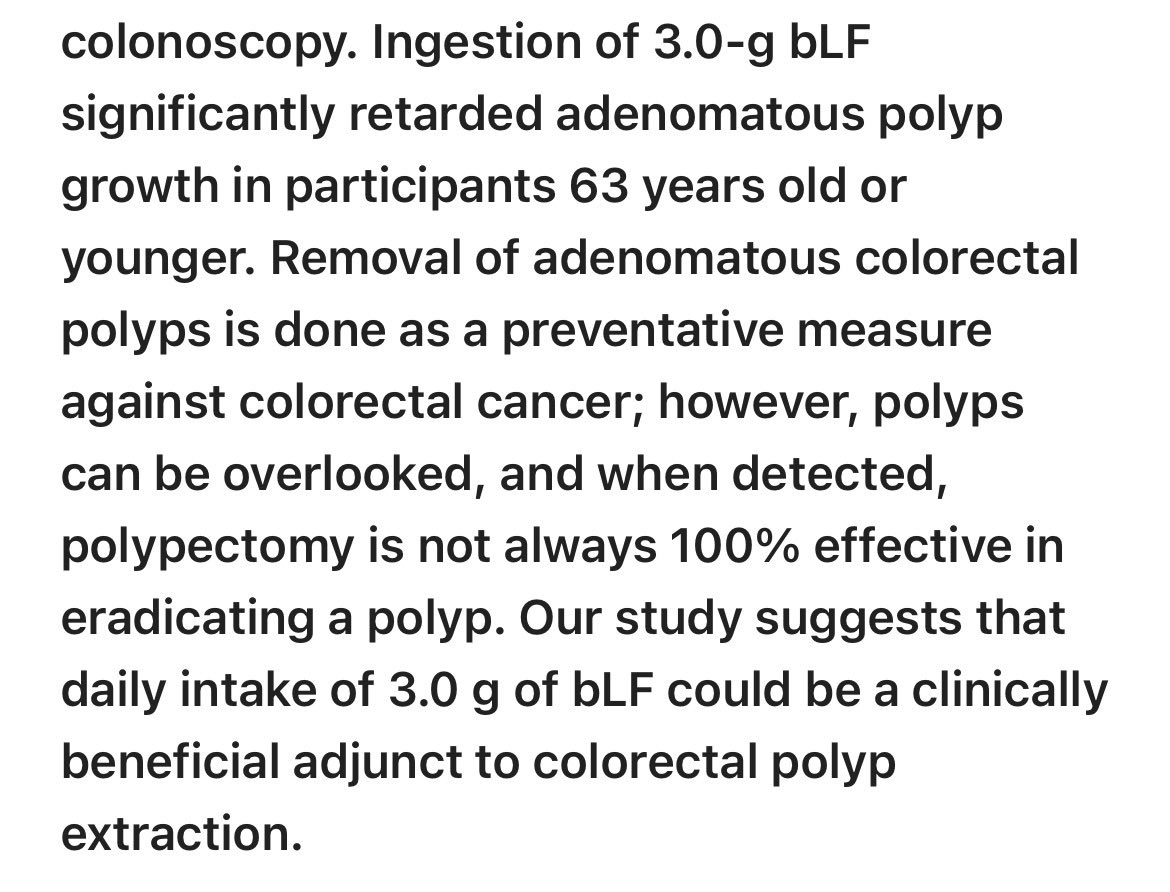
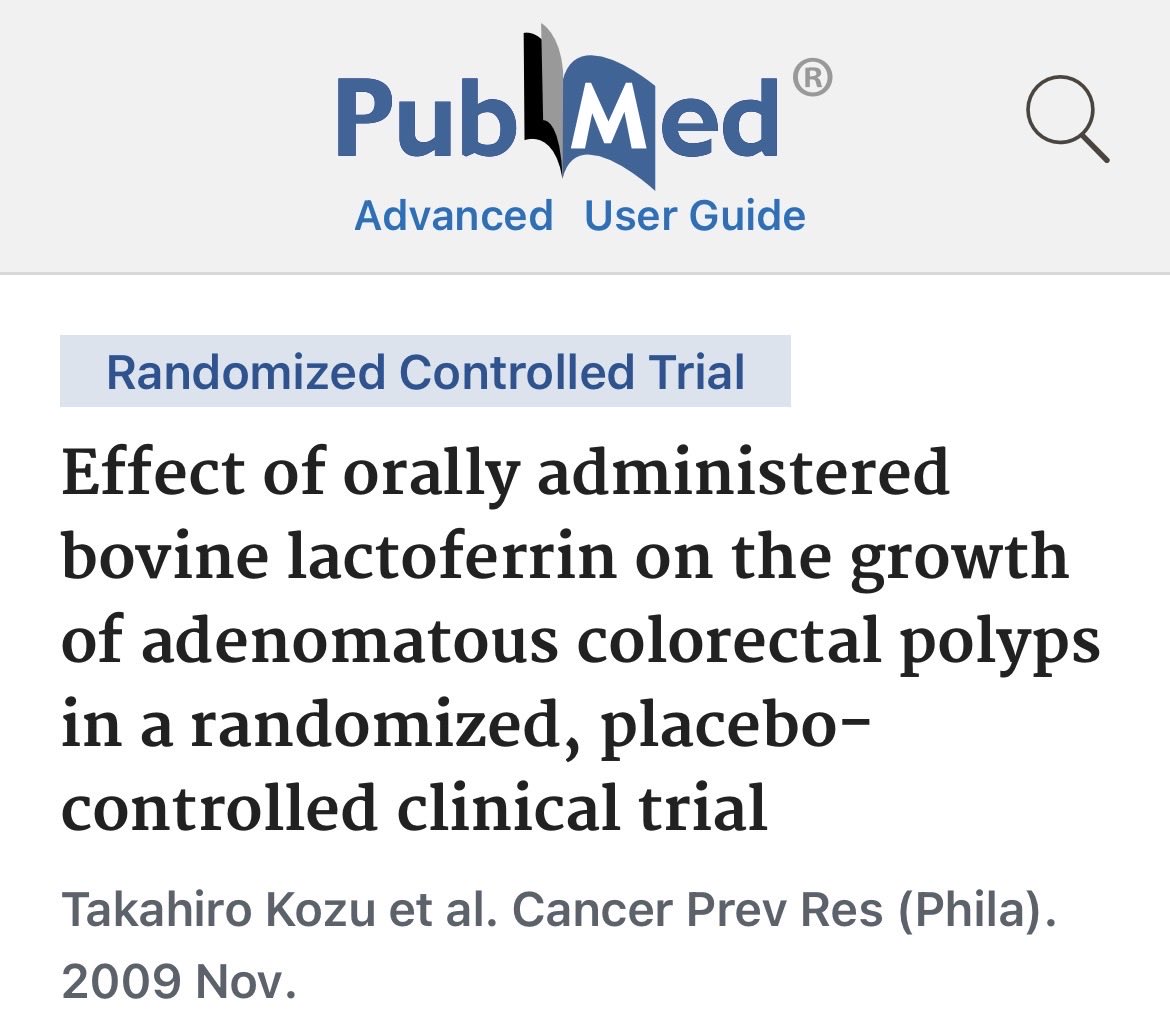
3g LACTOFERRIN daily significantly slowed precancerous colon growth— for 12 months straight.
Japan’s National Cancer Center found this in 2009. The West completely ignored it.
→ Polyp growth significantly slowed in patients ≤63
→ Some polyps actually regressed
→ NK cell activity increased in patients with shrinking polyps
Published in Cancer Prevention Research. (PMID: 19861543)
I found it interesting that a big driver of obesity & type 2 diabetes isn’t just diet…
A 2017 review integrates UV biology (vitamin D + nitric oxide + immune pathways) with metabolic data and argues reduced sun exposure may promote obesity & T2D through multiple mechanisms.
A 2025 large epidemiologic study found higher long-term ambient UV exposure was associated with lower T2D risk in several subgroups.
Sunlight isn’t just about vitamin D — it may be a metabolic signal we’re missing.
Gorman S, et al. Ultraviolet radiation, vitamin D and the development of obesity, metabolic syndrome and type-2 diabetes. Photochem Photobiol Sci. 2017.
Ming C, et al. Association between ultraviolet exposure and type 2 diabetes. J Photochem Photobiol B. 2025.
🚨Congratulations to @western_health in Western Australia with the new Footscray Hospital!
When it opens this week the patients will have access to fresh air and natural light which evidence has shown is best for a healing environment and early discharge!
The new hospital is designed to bring the outdoors to the bedside—ICU patients can be rolled outside while still connected to oxygen and monitors, so they can sit in natural light and breathe fresh air. A glass-enclosed “medical services panel” extends ICU care onto balconies and gardens, letting patients feel a real breeze on their face while surrounded by greenery. With plants lining the grounds and gardens and quiet, private rooms, the goal is a calmer, brighter healing environment where light and clean air are part of the care.
Video: https://t.co/jPnz4x13sd
Project site: https://t.co/dPXXXiq0Wc
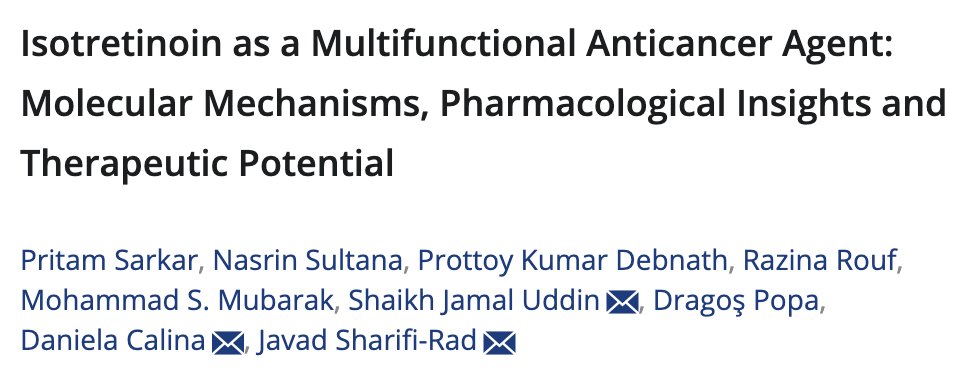
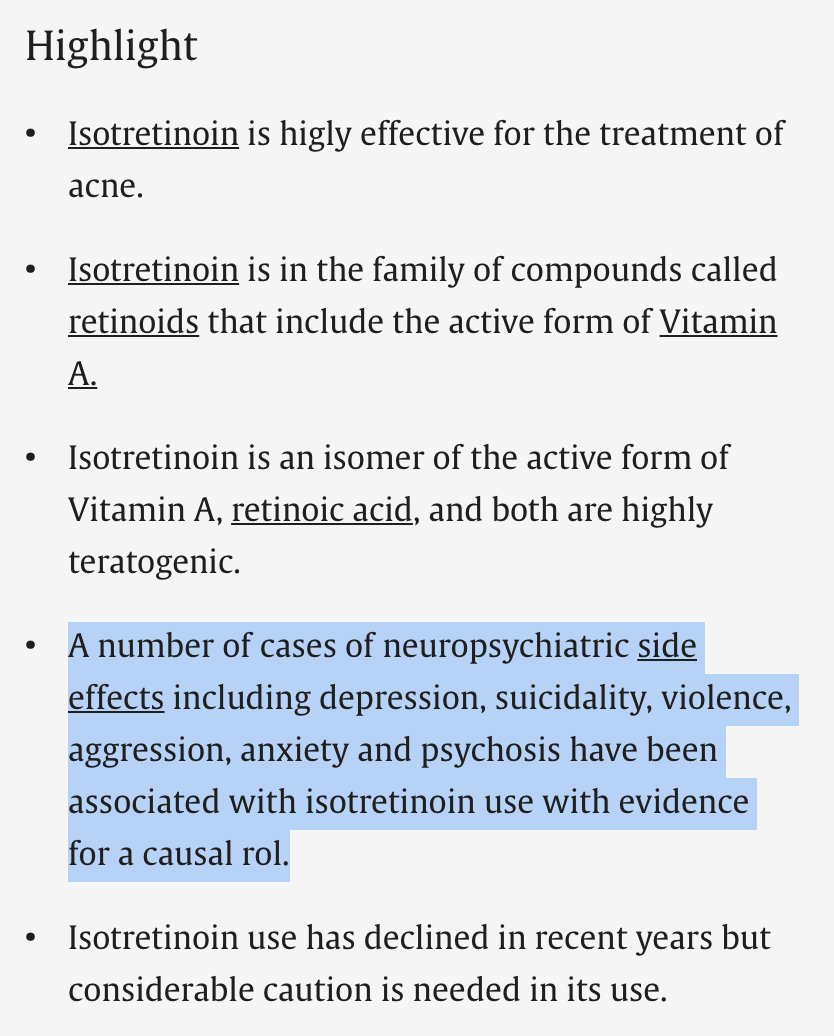
Accutane is one hell of a drug. It's literally a mild chemotherapeutic agent.
What Accutane does differently when compared to natural retinoids:
— It's delivered in insanely supraphysiological doses.
— It bypasses normal retinoid buffering and regulation
— Accutane slows down bile flow to almost stand still and the body can’t remove it (anti-vitamin A theory)
— It creates systemic exposure rather than localized, demand-driven signalling for acne resolution
— It inhibits endogenous retinoid conversion and clearance pathways
— It chronically atrophies your sebaceous glands so skin can't be fully hydrated
— It suppresses androgen and IGF-1 signaling critical for tissue maintenance
It destroys copper metabolism and all of its downstream pathways
— It shifts retinoids from regenerative signaling toward anti-proliferative programming
— It lingers functionally long after dosing stops
Accutane is a lipophilic (fat-soluble) drug that accumulates in the body's fatty tissues.
This accumulation helps explain its prolonged effectiveness and the strict safety guidelines that remain in place long after a course of treatment has ended.
The nuance here is that this creates a functional vitamin A toxicity state that can persist for years, not because isotretinoin itself remains at pharmacologic concentrations forever, but because it reshapes retinoid signalling, storage, clearance, and receptor sensitivity long after dosing stops.
It's also a mitochondrial toxin, depletes neurotransmitters, dysregulates methylation cycles, inhibits neurogenesis, and drives sympathetic oveactivation.
It also destroys Copper—ATP7A/7B coupling, where ceruloplasmin, cytochrome c oxidase, melanogenesis, collagen production, and neuropeptide release become dysregulated.
A key persistence mechanism may be chronic suppression of Wnt/β-catenin signalling. Retinoids bias cells toward forced differentiation, reducing stem cell renewal, ALDH enzyme expression, aldehyde detox, and tissue repair.
This is why post-accutane syndrome (PAS) symptoms and effects can persist epigenetically long after the drug is gone.
Resolve by: restoring bile flow (vitamin C/B vitamins, glycine/choline/taurine), optimizing gut health (search my profile), detoxification (bile flow, glucuronic acid, sulfation, methyatlion), restoring Wnt/β-catenin (eg., Lithium), neurogenesis (eg., 7,8-DHF, butyrate) + address your unique weak areas of physiology based off blood work/labs, symptoms, health history, etc.
The Eye’s Brain-Like Biology:
How the retina and its supporting tissues secretly runs your biology — one built from light, mitochondria, melanocortin, and quantum-grade metabolic control
Kola Adetu | December 2025
In the quiet darkness behind your closed eyelids, a miniature brain is hard at work.
It weighs less than a gram, consumes oxygen at cancerous rates, and burns glucose the way tumors do — yet it never divides. It generates its own cortisol, its own opioids, its own leptin. It makes decisions about vascular growth, inflammation, and cell suicide faster than any neuron in your skull. And it does all of this under the command of a single master variable: light.
This is not a metaphor. The retina, retinal pigment epithelium (RPE), and choroid constitute a bona fide neuro-endocrine-neural axis that mirrors — and in some ways exceeds — the complexity of the hypothalamus. Over the past decade, a cascade of discoveries has revealed that many of the circuits we once thought were exclusive to the brain (POMC processing, leptin signaling, circadian mitophagy, Warburg metabolism, melanocortin tone) are running in parallel inside the eye.
The implications are no longer academic. The same pathways that fail in obesity and type 2 diabetes are the same ones that fail in age-related macular degeneration, diabetic retinopathy, and glaucoma. Fix one, and you may quietly rescue the other.
1. A Second Hypothalamus, Built for Light
Begin with POMC — pro-opiomelanocortin — the ancient precursor peptide that the hypothalamus cleaves into alpha -MSH, ACTH, and beta-endorphin to control hunger, stress, and pain.
In 2005, researchers were stunned to find robust POMC mRNA in human RPE cells. By 2017, single-cell atlases showed that RPE cells transcribe the entire hypothalamic stress toolkit: CRH, CRHR1, PC1/3, PC2, and 7B2. When the RPE is stressed — by blue light, oxidized lipids, or hyperglycemia — it mounts a local HPA axis response within minutes, releasing alpha -MSH and ACTH that act in autocrine and paracrine fashion to suppress VEGF and inflammation.
The choroid listens. Choroidal endothelial cells express MC1R and MC3R; alpha -MSH from the RPE keeps them quiet. When POMC processing collapses (or leptin signaling) fails in the eye, the result is not obesity but choroidal neovascularization — the bleeding scars of wet AMD.
2. Leptin, the Quantum Peptide
Leptin was discovered as the “satiety hormone” in 1994. Thirty years later, we know it is also lives in the eye — produced by RPE and Müller glia, acting on leptin receptors in the choriocapillaris and ganglion cells.
But the eye adds a twist no adipocyte can match: leptin signaling here is directly tuned by photons. Melanopsin in intrinsically photosensitive retinal ganglion cells (ipRGCs) and opsin-3 in the RPE convert specific wavelengths into changes in mitochondrial redox potential. Morning red light (620–670 nm) raises circulating and ocular leptin within minutes; evening blue light collapses it. The mechanism appears to involve non-thermal photon absorption by cytochrome c oxidase and structured water layers around mitochondria — effects large enough to measure, subtle enough that classical biochemistry long ignored them.
The result is a genuine quantum-biological control loop: light → mitochondrial redox → leptin conformation → JAK-STAT tone → POMC cleavage → alpha -MSH → vascular restraint. Break any link and the eye (like the brain) falls into a state of false plenty: high leptin, no signal, runaway hunger or runaway vessels.
🧌🔆👇🏿
In the early 1900s, Dr Auguste Rollier treated thousands of tuberculosis (of the skin, bones and glands) patients at altitude with sunlight.
Its estimated that nearly 90% improved clinically, and up to 60% fully recovered, decades before antibiotics existed.
They gradually increased sunlight exposure at altitude, carefully titrating the sun.
Patients would start with minutes to an hour of morning sun, then slowly build up exposure over weeks.
Eventually, they’d spend hours reclining in deckchairs, skin exposed to the alpine light.
Sunlight was the therapy = heliotherapy
These days, it’s easy to miss sunlight entirely.
Most deskbound professionals spend 90% of their day indoors.
Sunglasses go on first thing, then its into the car, and straight to a day spent indoors at the desk under artificial light.
Yet sunlight:
→ Energizes your cells
→ Regulates hormones
→ Reduces blood pressure
→ Sets your circadian rhythm
→ Drives vitamin D production
To name a few.
The sun hasn’t changed.
Only our relationship to it has.
Maybe it’s time to relearn what they already knew 100 years ago.
What could possibly be causing (or contributing) to our epidemic of diabetes?
Take a big guess.
1) we spend 93% of our lives inside
2) we live under light devoid of infared
3) we put in windows that block infrared
4) we look at screens at night
https://t.co/jrM8QcfQtD
















![MitohormesisAct's tweet photo. The rich red light at sunrise 🔆👑—combined with that crisp circadian-setting blue—is nature's ultimate Ozempic, the original GLP-1 booster hiding in plain sight. 🌅
Nobody talks about this, but just 30 minutes of direct sunrise exposure (eyes + skin, no sunglasses, no windows blocking UV/IR) triggers a cascade that crushes modern metabolic dysfunction:
- Fires up hepatic beta-oxidation [the metabolic hub] — your liver's ancient, true fat-burning pathway — flipping the switch from sugar-burning chaos to efficient fat torching all day.
- Structures the water inside your cells (hello, EZ water / exclusion zone), charging them like batteries to store more energy and electrons — prepping for the UVB punch that hits later in the morning.
- Skyrockets insulin + leptin sensitivity — resetting hunger signals, killing cravings, and letting your body actually hear "I'm full" again (the real reason Ozempic works... but the sun does it upstream, for free).
- Supercharges mitochondrial function — more efficient energy production, less inflammation, better fat oxidation, and upgraded cellular power plants that make you feel alive instead of sluggish.
Science backs it: Morning natural light (rich in red/IR at dawn, shifting to blue) entrains your circadian clock, boosts GLP-1 signaling naturally, improves glucose control, enhances whole-body fat oxidation, and even upregulates mitochondrial pathways in ways artificial light never can. Studies show sunrise light exposure stabilizes blood sugar, shifts metabolism toward fat burning, and aligns hormones like leptin for effortless appetite control.
This isn't biohacking hype—it's biology we evolved under. Modern indoor life + artificial blue light at night destroys this system, turning us into carb-craving, fat-storing machines.
Want the ultimate "GLP-1 agonist" without the jab, the nausea, or the $1k/month price tag? Step outside at sunrise tomorrow. Eyes to the horizon, skin exposed, 30 minutes. And DHA seafood maxxing breakfast
OR head to my bio for 1 on 1 consultation. I literally walk with you.
Your body already knows the protocol. The sun invented the hack.
Who's starting tomorrow? 🔥☀️ #SunriseProtocol #NatureOzempic #CircadianHealth #MitochondrialMagic #FatBurning #Biohacking #GLP1Natural
1 of 2](https://pbs.twimg.com/media/HCqJMxyXUAAQv1D.jpg)