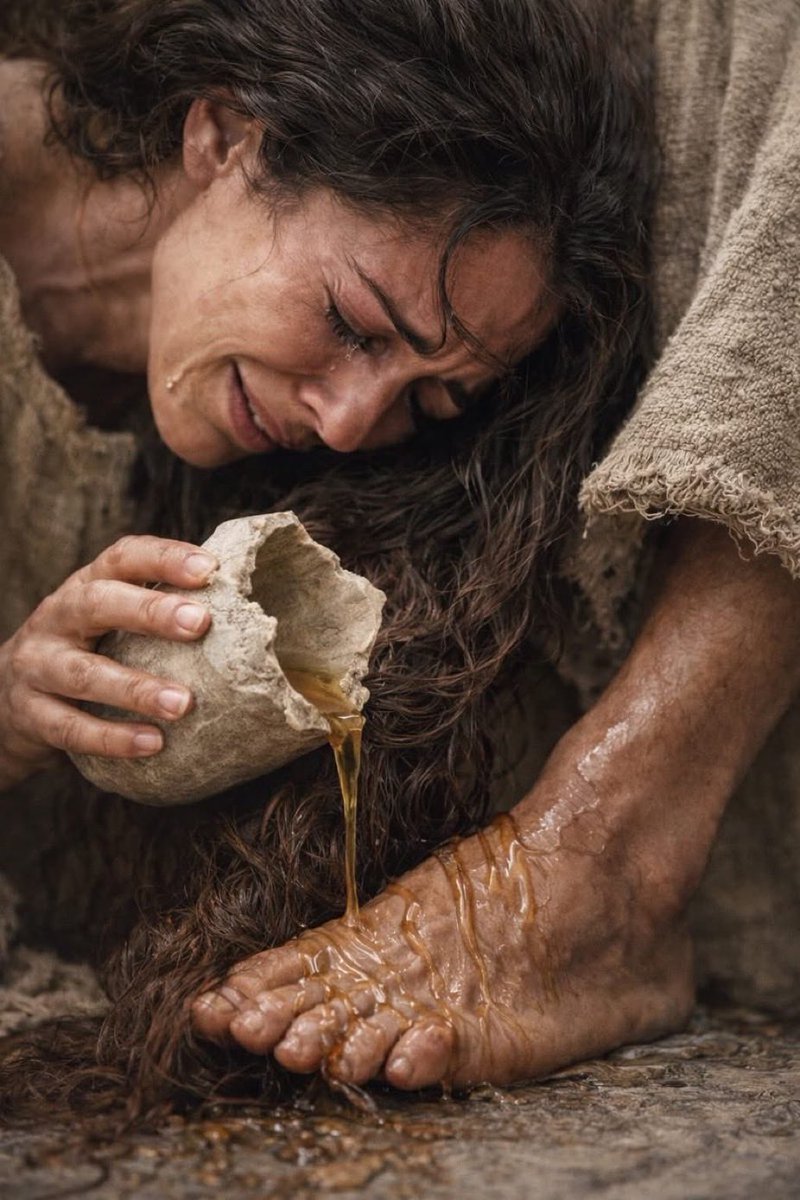
A Ascensão não nos fala de uma promessa distante, mas de um vínculo vivo, que nos atrai também para a glória celestial, alargando e elevando já nesta vida o nosso horizonte e aproximando cada vez mais a nossa maneira de pensar, de sentir e de agir à medida do coração de Deus.
@Pontifex_pt Vinde Espirito Santo, enchei o coração de vossos fiéis, e ascendei neles o fogo do Vosso Amor. Enviais o Vosso Espírito e tudo será criado, e Renovarei a face da terra.
Nestes dias que antecedem a Solenidade de Pentecostes, enquanto nos preparamos para reviver o mistério e o milagre da descida do Espírito Santo sobre a Igreja nascente, #RezemosJuntos ao Espírito Santo, Senhor e Doador da vida, para que nos conceda o dom da #UnidadedosCristãos, nos dê uma paz duradoura e renove a face da terra.
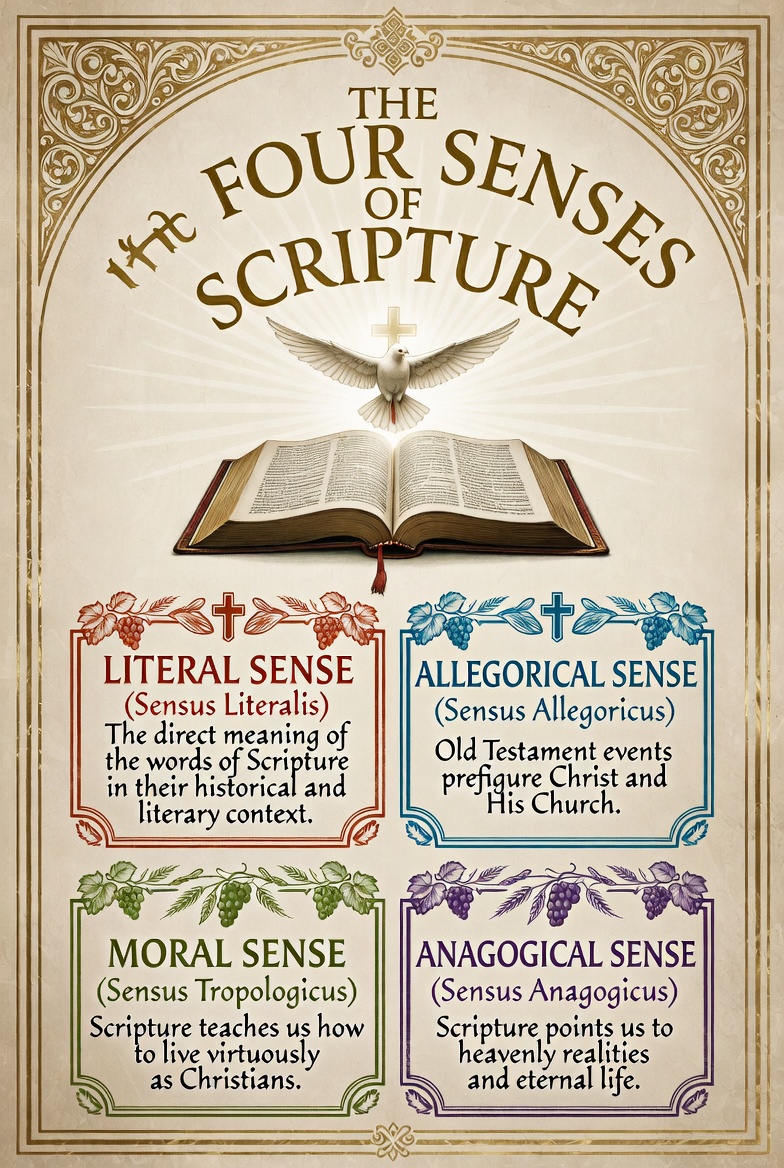
Our Catholic understanding of Sacred Scripture rests on the conviction that God is its true author, working through human writers to reveal Himself and His plan of salvation. To interpret the Bible rightly, the Church distinguishes two primary senses: the literal and the spiritual. These are not opposed but complementary, forming a unified approach that respects both the humanity and the divinity of the inspired text.
The literal sense is the foundation. It is the meaning conveyed directly by the words of the text, understood according to the intention of the human author and the literary conventions of the time. This sense attends to history, grammar, context, and genre. When the Book of Exodus describes the Israelites crossing the Red Sea, the literal sense recounts a real historical event of deliverance from slavery. The literal sense is not always simplistic or “wooden.” It can include metaphor, poetry, or parable when that is what the author employs. Without a firm grasp of the literal sense, spiritual interpretations risk becoming arbitrary. The Church insists that all other meanings must flow from and remain rooted in this plain sense of what the text actually says.
The spiritual sense builds upon the literal. Because the same God who authored Scripture also governs history, events and realities described in the Bible can point beyond themselves to deeper mysteries. The spiritual sense therefore discerns how God uses the literal realities to reveal Christ, the life of the Church, and the final destiny of creation. Tradition divides the spiritual sense into three interrelated dimensions, though they often overlap.
The allegorical sense shows how persons and events of the Old Testament prefigure the mystery of Christ. The Passover lamb, for instance, literally sacrificed in Egypt, allegorically foreshadows Jesus as the Lamb of God whose blood delivers humanity from sin. The moral sense draws lessons for righteous living. The Exodus journey teaches the believer how to leave behind the “Egypt” of sin and walk faithfully through the desert of this life toward the promised land of heaven. The anagogical sense orients the reader toward the eschatological fulfillment at the end of time. The earthly Jerusalem, literally the city of David, anagogically signifies the heavenly Jerusalem where God will dwell with His people forever.
These senses are four ways of listening to the one Word of God. The literal sense anchors interpretation in reality; the spiritual senses reveal the full depth of God’s saving intent. The Catechism of the Catholic Church teaches that a Christian reading of Scripture, guided by the Holy Spirit and the living Tradition of the Church, moves from the letter to the Spirit. In this way Sacred Scripture is not merely an ancient book but a living encounter with Christ, who opens minds to understand the Scriptures as he did for the disciples on the road to Emmaus. Through patient study and prayerful contemplation, the faithful discover that every page, read in the literal sense and illumined by the spiritual, leads ultimately to the same Lord who speaks still today.
79 percent of the more than 400 men set to be ordained to the Catholic priesthood in the United States this year reported that they regularly prayed the Rosary before entering seminary, according to CARA
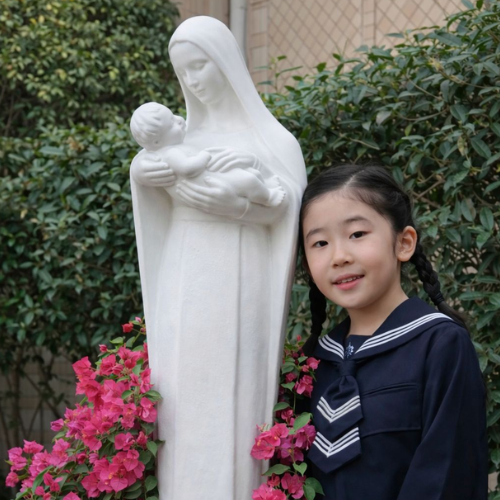
Menina de 8 anos pede aos pais para ser batizada no Japão e mãe se batiza também🇯🇵
Minami Kimura disse aos pais que queria se tornar cristã em maio do ano passado. Maiko, mãe da garota, conta que ficou surpresa com a convicção de Minami ao pedir para ser batizada e que isto a fez estudar sobre o Catolicismo, levando-a também a desejar o batismo.
Via: Church Pop
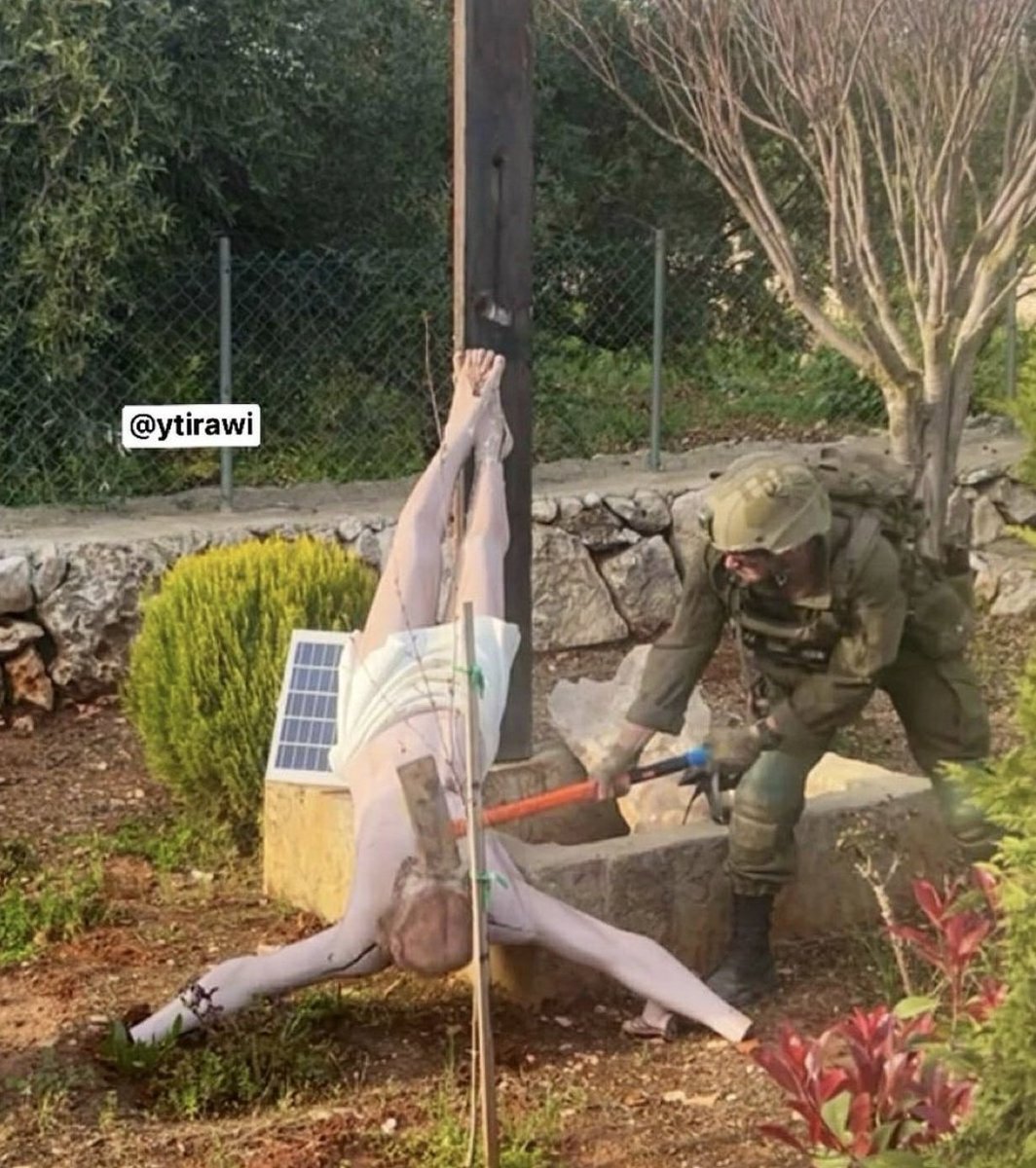
The Israeli Defence Forces (IDF) has confirmed the authenticity of a soldier destroying a statue of Jesus in Lebanon
The IDF say that they are now investigating