Official twitter page of CitiBIM |At CitiBIM, we are constantly working towards delivering world-class technology implementation in construction industries.
Now, this is where things get visually interesting. 😍. 3D BIM is a shared information model that helps all stakeholders (architects, engineers, builders, manufacturers, etc.) visualize the project in three dimensions and collaborate.
Thread.
free and also a cash Price. A winner will be chosen from our Twitter and LinkedIn posts. Share the opportunity with your friends and colleagues.
(Follow our account and like our post to have a good chance of winning. )
#engineering#citiBIM#citibim#BIM#competition
being usable for drawings and providing additional advantages. In our upcoming post, we'll talk about this 3D aspect.
Stay enlightened. #geometry#construction#software#citibim#bimmodeling#dimensions .
Don't forget to follow us here and on LinkedIn: https://t.co/eNI0SNUVDU
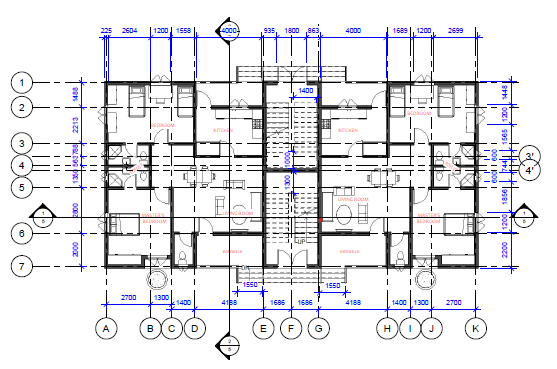
The earliest type of construction model is a 2D model. It entails using lines with a straightforward X-axis and Y-axis (length and breadth) to create the plans and drawings we see. These can be created manually using manual processes or through the use of CAD software. Early CAD
systems were 2D models, allowing plans and sections to be developed on computers more quickly and accurately than by manually drawing them on a drawing board.
Due to the limitations of using 2D, there has been significant advancement in this area, with 3D geometry models now
Hi guys, glad to see you following our posts. We will commence the series we discussed last which is the dimensions of BIM. Today we will talk about the first dimension (1D), which is the beginning stage or the formative stage for BIM implementation into your projects.
...documents/plans are unique for every project and are tailored specifically to the each project.
Projects will have a quality and efficient output by following a strategically defined plan curated at the start of a project called BIM Execution Plan (BEP)
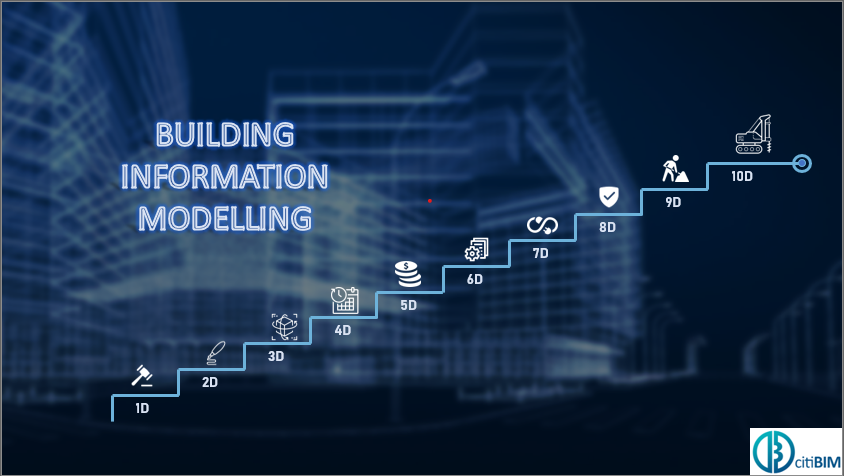
We have discussed BIM and its benefits, and we will start a series on the dimensions of BIM to ensure we can effectively utilize the tools.
"The dimensions of BIM: an intuitive overview to outline the heterogeneity of the information flows involved in a BIM-based design" -Biblus