This is our Citizen Code 🩵
We’re excited to share the new Citizen Code website and a short brand film that captures who we are and where we build from.
Citizen Code is more than a technology organisation. We are a collective of writers, thinkers, and builders working at the intersection of code and context. Our work is rooted in accountability, ancestry, and activism — because technology should not only be accessible, it should be grounded in the lived realities of the people it serves.
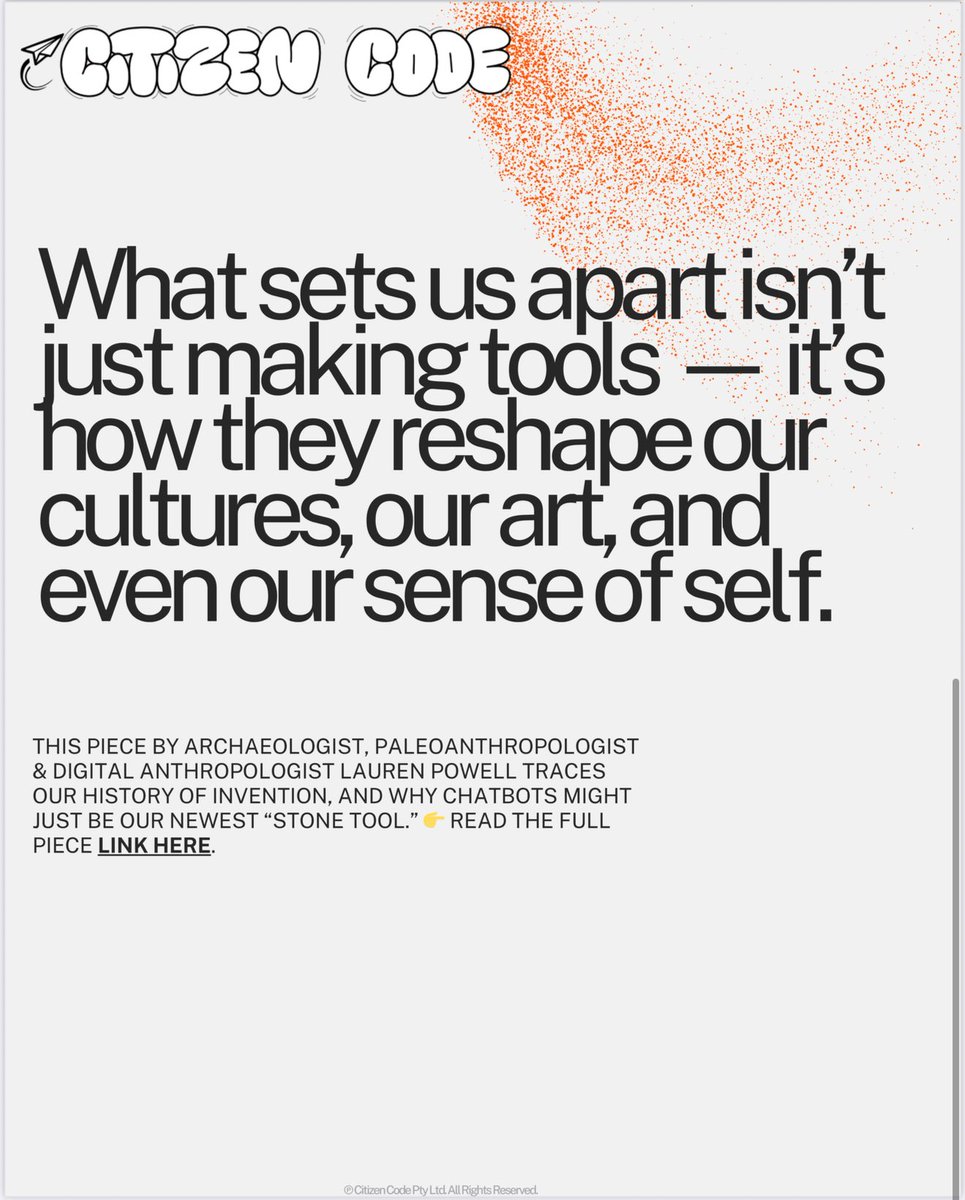
Over the coming weeks, we’ll be publishing a series of essays on Digital Anthropology and the human side of building technology in imperfect worlds. First up: Stonetools to Chatbots: A Brief History on Humans and Technology.
To understand why we exist and the journey that brought us here, read our Founder’s piece: “Why Citizen Code” https://t.co/QbeB9tCG1j
Please take a moment to watch our video & explore our homepage https://t.co/kBRPcPEewl 🙌 This is only the beginning of a season of storytelling, reflection, and innovation — from Africa to the world 🚀
GOOD MORNING SOUTH AFRICA. OUR #MenstrualHealthBill has made it over 2000 responses 🥳 🩸
With just 8 days to go, we need everyone’s support.
🔗: https://t.co/odVIcwUtAk
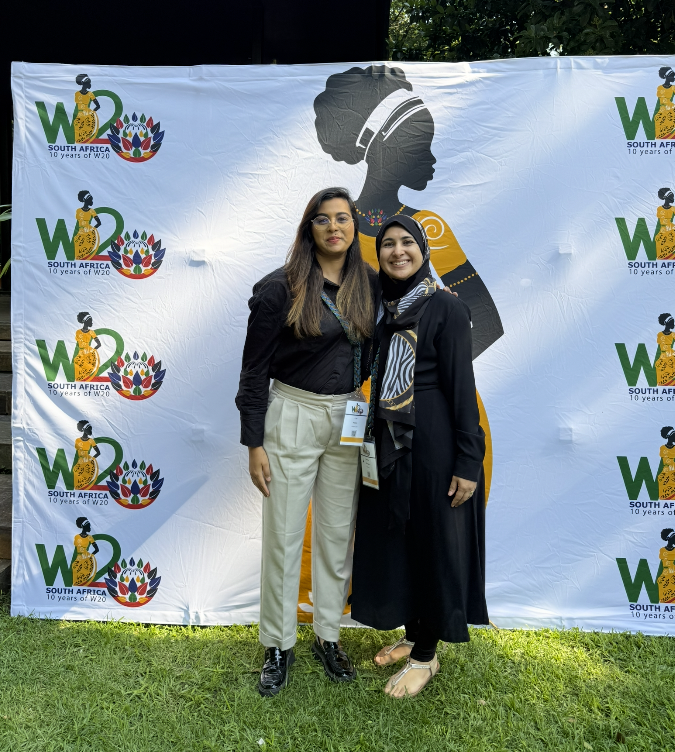
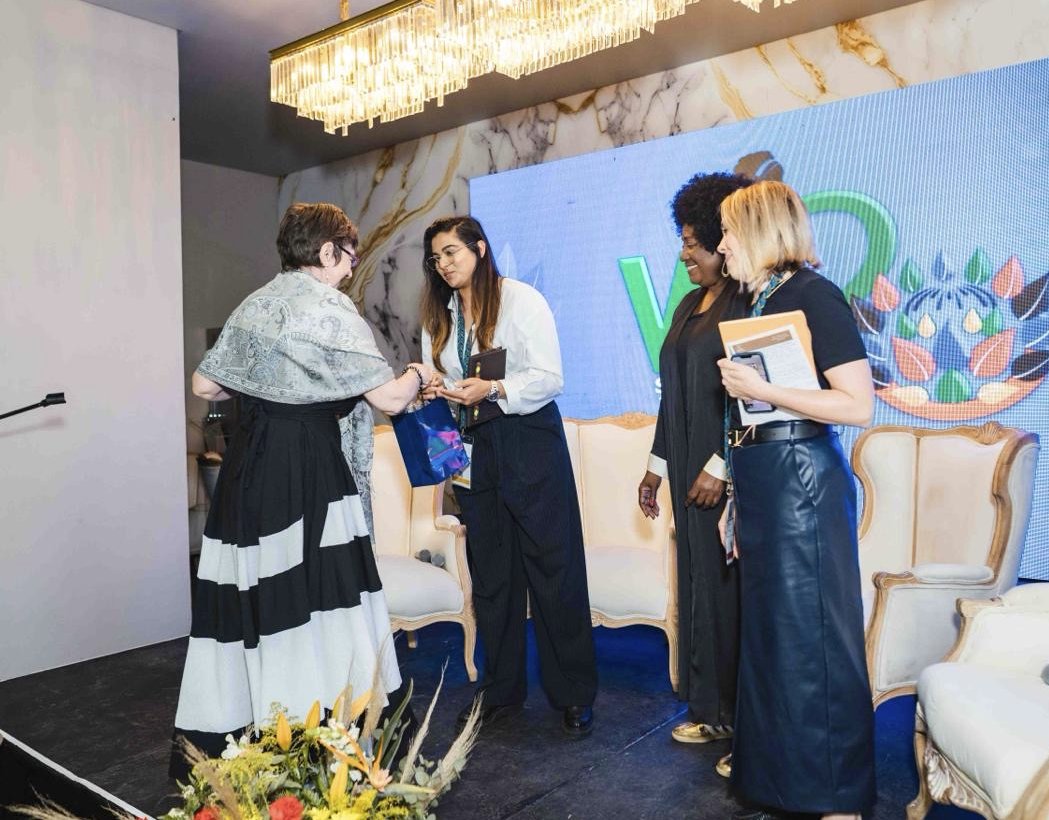
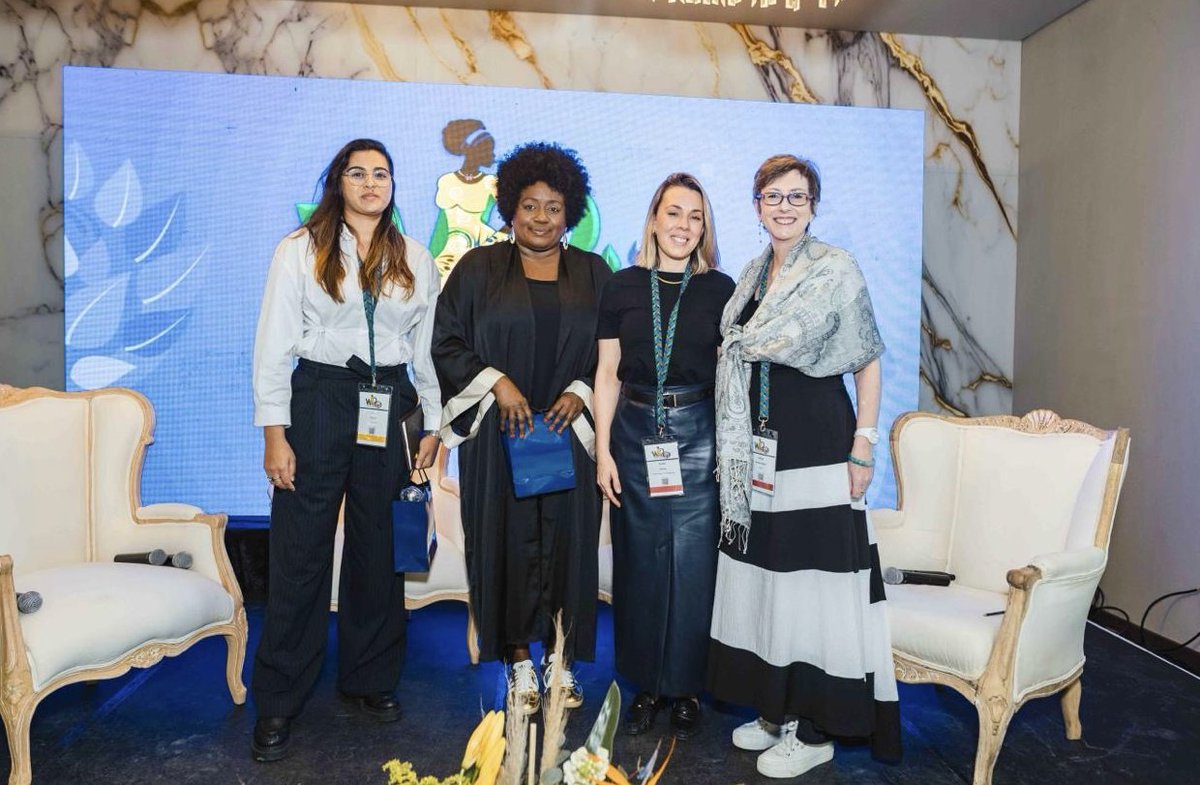
Being a speaker at the #W20 (Women 20) Summit for the #G20 was both a privilege and a great responsibility. It was the first time the G20 was hosted on African soil, at a moment when the world is rethinking how technology can advance inclusion, equity, and human development.
As a technologist building with social impact partners like @girleffect , I’ve contributed to digital products that reach young women and girls across Africa, Asia, and also with other organisations in humanitarian settings. My work has focussed on practical technology that meets people where they are — IVR systems, USSD lines, web platforms, and AI chatbots that help girls access health information, safety resources, and community support.
During my panel on The Future of AI, I opened with a reminder: we cannot only talk about AI when we talk about AI. In the context of women and girls, we must talk about the entire technology ecosystem. AI is not an independent engine. It sits on top of data, infrastructure, and design systems that already exclude women and girls. If those systems are biased, AI will only amplify inequality.
We also cannot ignore that the technology field has been historically male dominated. We are relying on systems and infrastructure that were never designed for us. The social impact sector carries an extra duty of diligence to ensure women are represented in STEM fields and, importantly, in decision-making roles. Equity in technology cannot exist when the rooms designing our future still lack gender balance.
It’s also not enough to talk about connectivity. Access alone does not equal inclusion. We must understand the barriers women and girls face even when connected: cultural restrictions, limited digital literacy, and shared devices that compromise privacy. Our inclusion must be treated as a technical requirement in how we build responsibly.
The Global South, and especially women technologists from these regions, are not waiting to be included. We are already designing, leading, and shaping what ethical and inclusive technology looks like. What we need now is recognition, collaboration, and investment. In the words of Naadiya Moosajee, “we are overly mentored and underfunded.”
The next decade of digital transformation must address not only who builds technology, but who it is built for. Inclusion is not achieved through innovation alone. It is achieved when every woman and girl can use technology safely, meaningfully, and on her own terms.
Special thanks to Dr Narnia Bohler-Muller (@HSRCza) for her invitation & leadership as Head of W20 Delegations, Lorenza Fluks (PhD) for my recognition in her recommendations on women in STEM, Naadiya Moosajee (@womhub) for her guidance and mentorship, and to all the women shaping the final recommendations to the G20.
Have you been wondering where websites fit in a world of AI and chatbots?
For impact orgs working in health, GBV, menstruation, or vaccine education, the answer is simple:
The web is still your foundation.
It anchors credibility.
Feeds AI systems with truth.
Prevents misinformation.
Just because we can’t see the foundations anymore doesn’t mean the walls don’t need them.
Read the full piece:
🌐 https://t.co/yGAyrzDAnH
#CitizenCode #AI #Web #DigitalImpact #TechForGood
Some of our team members at the #G20 The Road to G20: From Policy to Practice hosted by @WesternCapeGov & @womhub .
Our founder @real_lisa_adams was a panelist alongside Clayton Naidoo from @Google , Nomonde Gongxeka - Seopa from @GSMA & Mike Mpanya from @Cisco facilitated by the wonderful @CrystalOrderson .
The discussion was rich in experience and guidance towards what inclusion looks like when we are developing technology and raising startups globally, with an African lens. Lisa shared that while access and infrastructure matter, one of the biggest adoption barriers is trust. For women and girls especially, technology has to feel safe, relevant, and reflective of their realities.
This is central to our work: building grassroots innovations that bridge global commitments and local impact! 💡
#G20 #Tech #Startups
What if the future of technology design depended on lessons from the past?
From stone tools to chatbots, every invention has reshaped what it means to be human.
This thought piece is authored by Lauren Powell — Archaeologist, Paleoanthropologist, and what we at Citizen Code call a 'Cultural Technologist.'
Lauren Powell bridges human history with digital product design. Her work brings anthropological depth to technology, reframing how we classify, design, and evaluate tools in ways that are inclusive, culturally grounded, and future-focused.
“Tool-making is not uniquely human but every invention, from stone blades to algorithms, has carved new meanings of what it means to be human””
“For the first time, our tools talk back. What will chatbots teach us about ourselves?” 💡
Appreciation to Karina Rios Michel (@girleffect ) and @real_lisa_adams (Citizen Code) for their contributions and expertise in shaping this piece at the intersection of anthropology and technology design.
👉 Read the full article here: https://t.co/9rD0ZWsSvG
If you’re curious about anthropology’s role in shaping the future of tech — or want to explore what it means to design as a Cultural Technologist, Lauren Powell is someone you’ll want to follow closely.
#DigitalAnthropology #CulturalTechnologist #HumanTechnology #ProductDesign #AIandCulture #CitizenCode #Anthropology
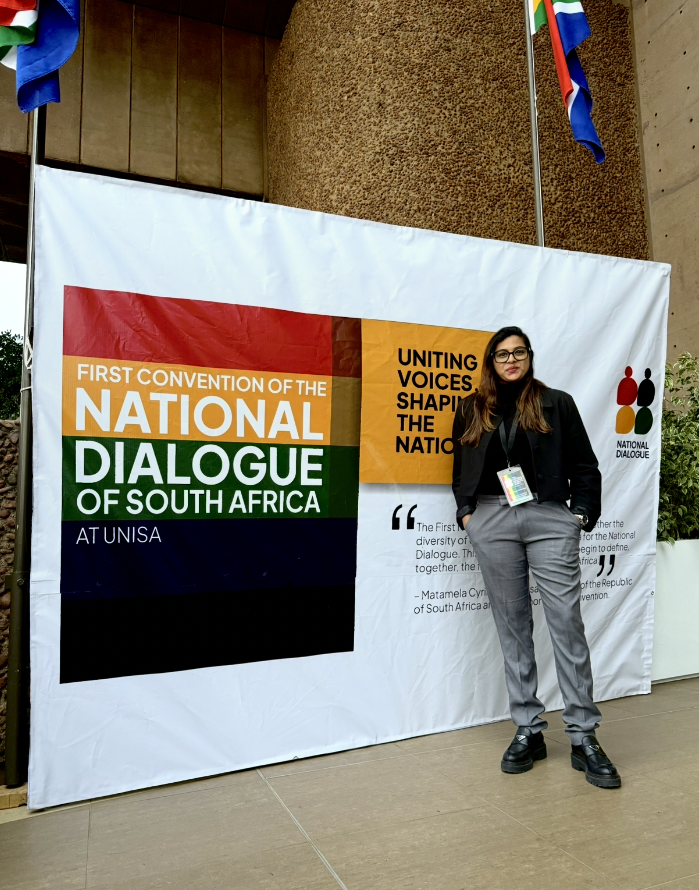
Being invited into the Eminent Persons Group’s Support Team for the launch of South Africa’s National Dialogue was more than an invitation — it was a signal that technology finally has a seat where it matters.
My ongoing participation is assigned to the Women & GBVF working Group, connecting my life’s work to make sure women and girls are the first to benefit from tech.
Tech solutions are not new to us. From @BigSis_ZA to @EskomSePush the work many of us in social impact build daily, South Africans already know innovation. The task now is to use our platforms to collect narratives, apply human-centred design, avoid over-designing, and make space for community-rooted tech collectives like @citizencode_za & @girleffect. African Technology Solutions: we've got work to do 💙
🎥 Sharing clip from my interventions (aired on @SABCNews).
Tomorrow I’ll take these insights global at the W20 Pre-G20 Outreach Event alongside @unwomenafrica@womhub.
#W20 #TechForSocialImpact #SouthAfrica #nationaldialogueza #G20
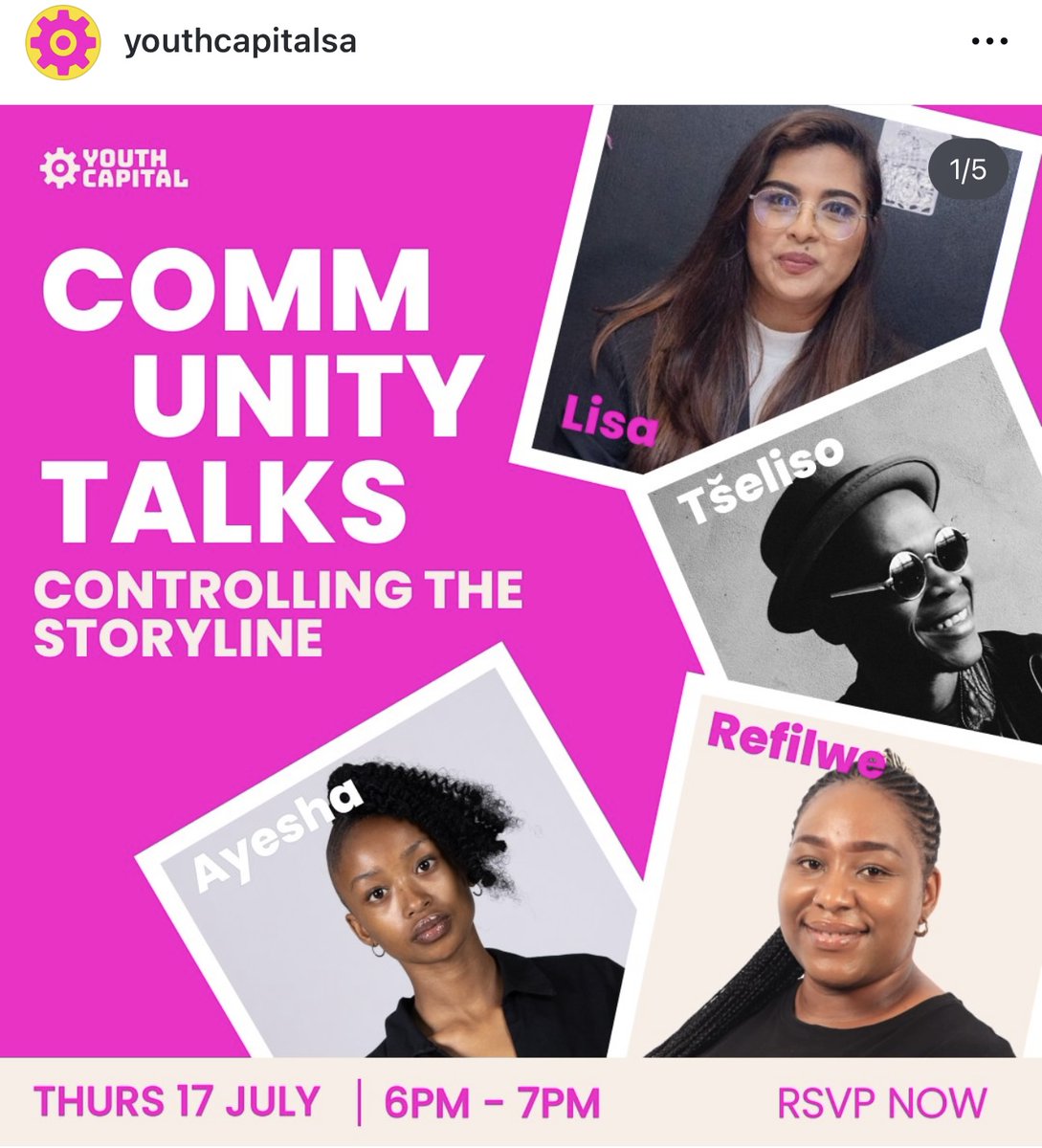
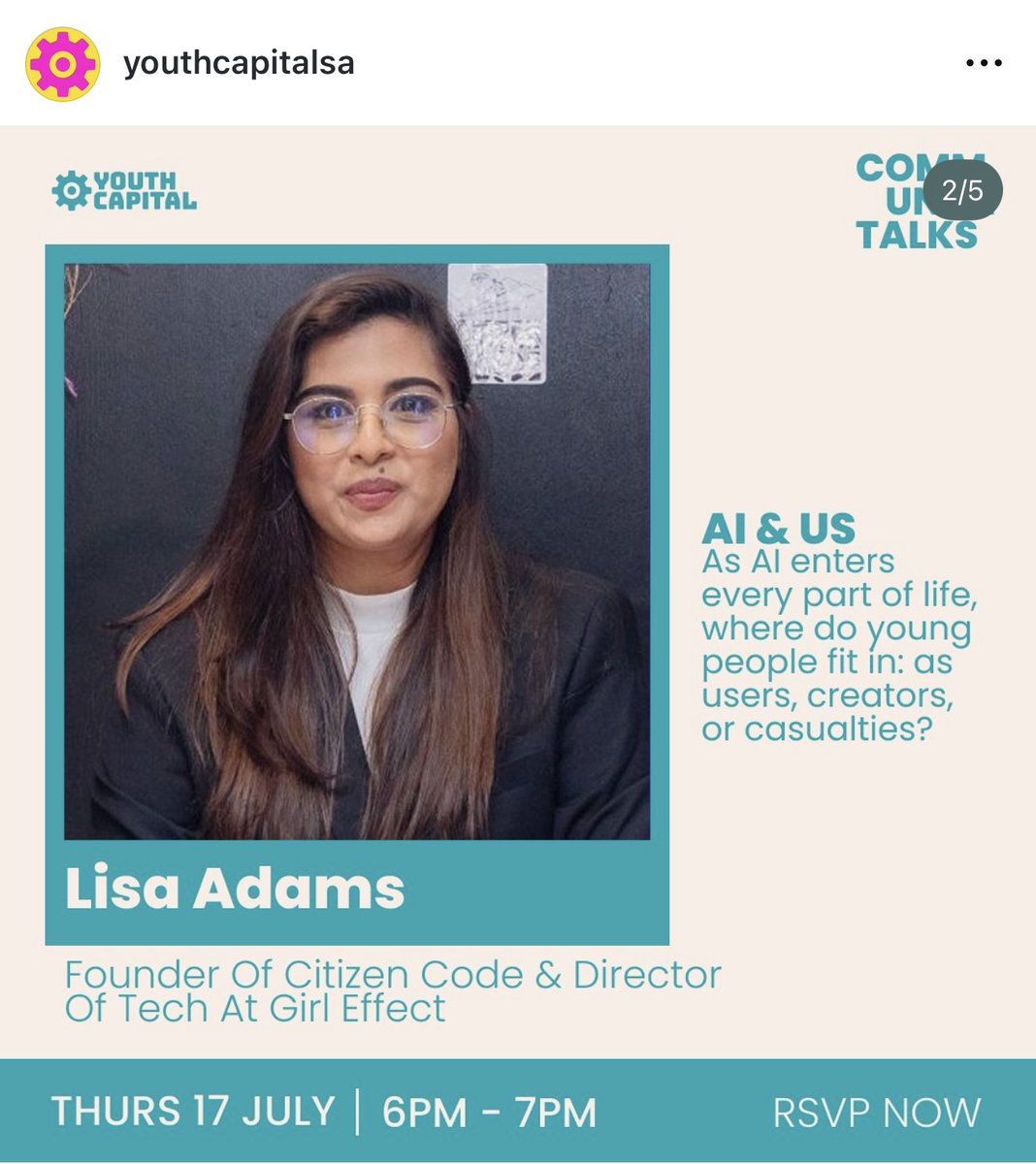
I'm joining a powerful panel with @YouthCapitalSA to unpack what it really means to control the narrative in 2025.
As a technologist building ethical, accessible AI for African youth, I’ll share insights from Parliament’s Budget Vote 20 on Women, Youth & Persons with Disabilities.
AI isn’t just about access. It’s about ownership. Frameworks. Futures.
Without a decolonial lens, we risk dressing up old systems of exclusion in shinier code.
Youth shouldn’t just use AI. They should be training it, shaping it, interrogating it and profiting from it.
Shout out to:
• Tšeliso Mohaneng on Soft Life & Amapiano as aspiration
• Refilwe Chiloane of Sunshine Cinema on storytelling as activism
• Ayesha Ralekgetho holding space for deep, real dialogue
This isn’t just a panel. It’s a call to reframe power :p
#AI4Youth #DecolonialTech #CivicTech #CitizenCode #DigitalJustice #FutureAfrica
@citizencode_za@girleffect
Will be at @InnoCityCPT today panelling a talk on the "Whatsapp Effect" & discussing how we are modelling innovation around Chatbots & what has become the Digital Front Door for many. Will be alongside @gustavp from @turn_io, Dr Anton Prinsloo from https://t.co/kZNcOMdXP6 & Nick Mills @umondeSA from https://t.co/ZMqTUGL8ZW
Tickets available here: https://t.co/IQRagnnt4O
Youth Month South Africa Mantra for 2025:
“NOTHING ABOUT US, WITHOUT US" 🔥
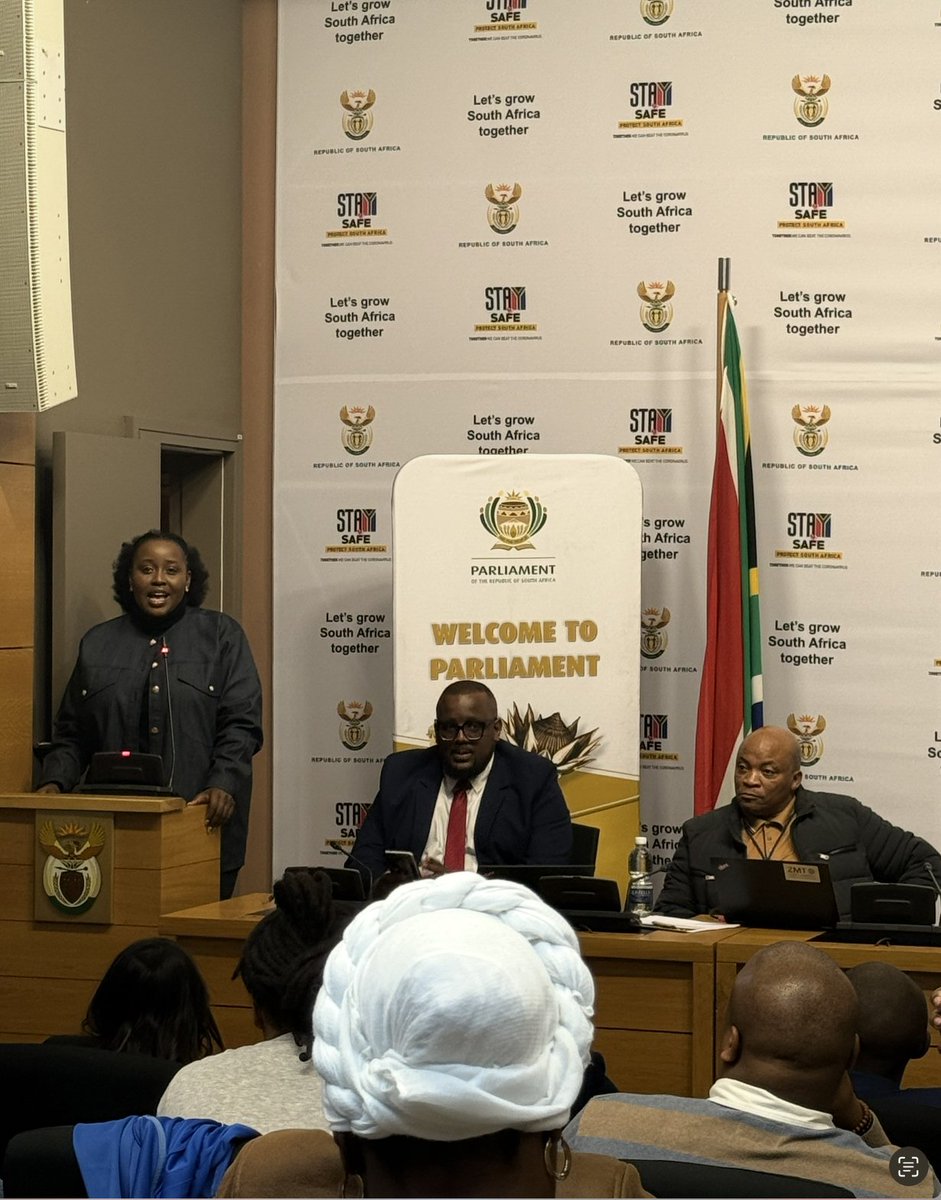
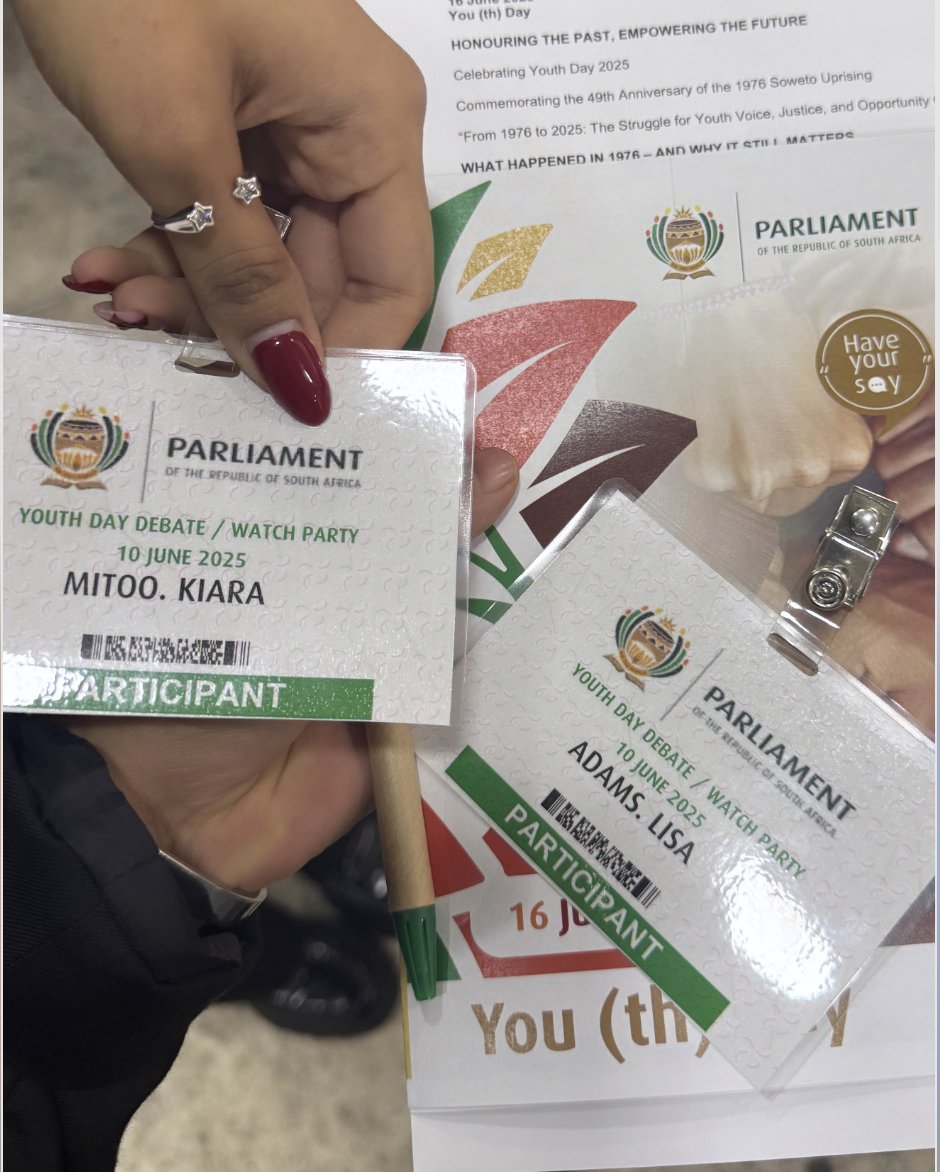
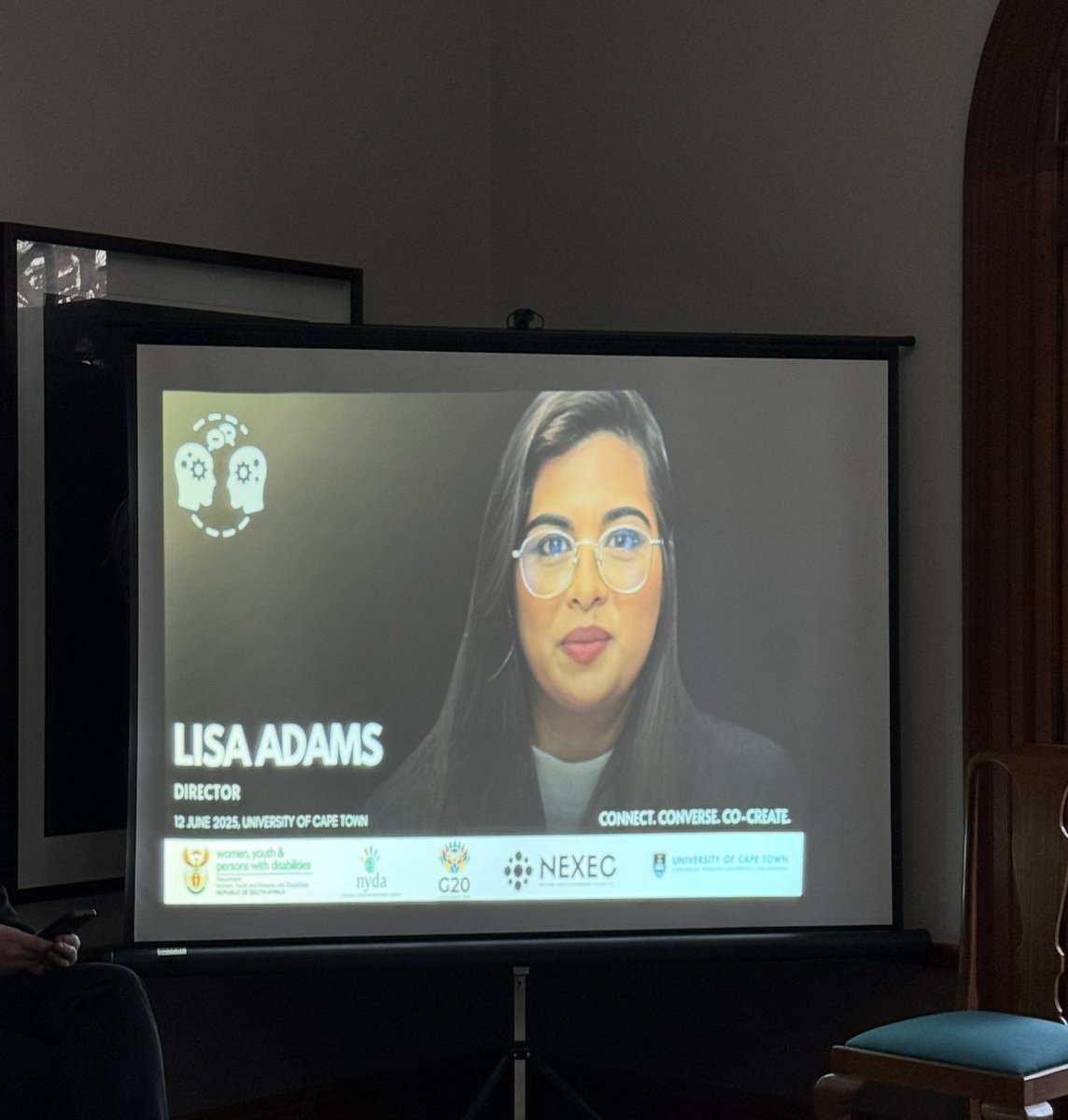
Last Month I was invited to Parliament to represent change-makers in the Youth Space. Myself and Kiara Mitoo (Citizen Code Chief Intern 🚀 ) met various Ministers, observed the National Youth Debate & participated in presenting solutions.
The National Youth Debate was opened by the Minister of Women, Youth and People with Disabilities. She was a phenomenal force. I believe it is critical to bear in mind that when addressing issues pertaining to the youth we need to think consciously about how women & persons with disabilities are disproportionately impacted by economic gaps.
My Key Takeaways & concerns for SA Youth:
- There are approximately 10 million young people between the ages of 15-24.
- The Youth Unemployment Crisis has increased by 62.5% since 2018.
- The Youth Unemployment of 2023 reported that 46.5% of South Africans aged 15-34 years of age are unemployed.
- Despite major efforts of the Fees Must Fall movement (nearly 10 years ago now), access to free quality learning and training is still low.
- Young people remain on the margins of public policy and not engaged.
- Despite the efforts within Parliament to adapt and empower the youth through youth policies, they aren’t translating to change on the ground.
- Despite the stats of a high Internet Penetration rate of 80% in South Africa, we are still experiencing a major lack of internet and infrastructure in Rural and Township communities.
- There have been some major policy changes, households earning 350-600k have historically excluded young people from being included in financial aid for education. This is now included.
- Almost every single MP highlighted the importance of coding, robotics and AI skills to move us toward the Digital Revolution.
- The Youth are not utilising their democratic power, if all the Youth were registered to vote and actually participated they would hold 60% of the decision-making power in elective decisions.
- Currently both Academically Qualified Young People and People without Academic Qualifications are jobless.
Despite the call for advancing Technology skills, there was very little practical solutions presented or awareness of how South African Youths interact with Technology. It’s important to spotlight how the Youth is currently engaged with technology and then to consider how we can meet them where they are. Majority of engagements are still predominately mobile-first experiences, while battling internet access and high data costs.
Young South Africans don’t want to be passive recipients of economic change, they want to be actively engaged in how they shape their future.
Minister Chikunga closed with a powerful summary:
“When young people sit in the room. Things become more honest, more real. Young voices are critical tenants of sustainable economic ecosystem.”
@citizencode_za | @girleffect | @ParliamentofRSA |
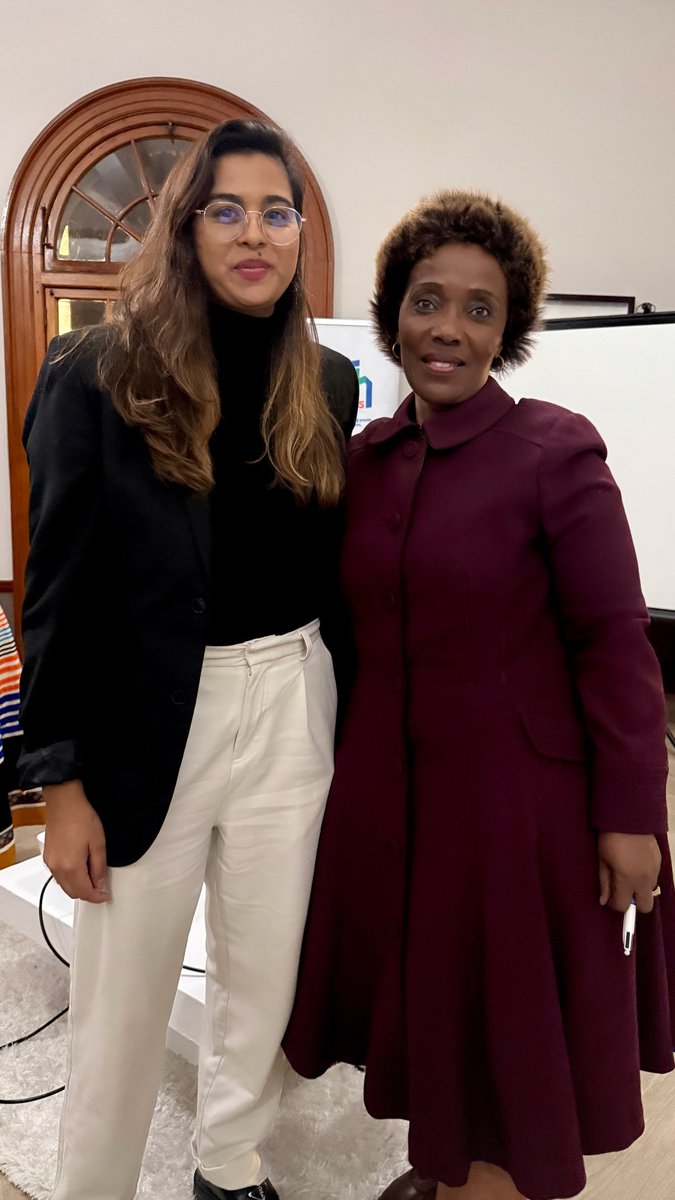
🚀💙Celebrating young female leaders in tech who are driving change! 💙 We’re proud to stand alongside @grit_gbv as community partners, united in our mission to end GBV and elevate female youth leaders in STEM. Our Youth Ambassador and Software Intern, Kiara, had the chance to connect with GRIT’s Tech Liaison and Support Officer—the self-proclaimed “Tech Princess”—at the @africatechfest ! 💪 Here’s to empowering more young women in tech and building a safer, stronger future together! 💙 #WomenInTech #YouthLeaders #EndGBV #STEM
On behalf of the Citizen Code team, we are incredibly proud and honoured to have you as our leader @real_lisa_adams. We have had an exciting year (collosal understatement btw), moving at an almost impossible pace—and somehow each and every one of us has experienced what it is to be transformed and elevated through your mentorship and example. Your unwavering authenticity and integrity has taught us to leave no part of ourselves behind when we show up to our work. You’ve encouraged us to look beyond our professional selves to uncover new ways of not only existing, but collectively thriving in the technology space.
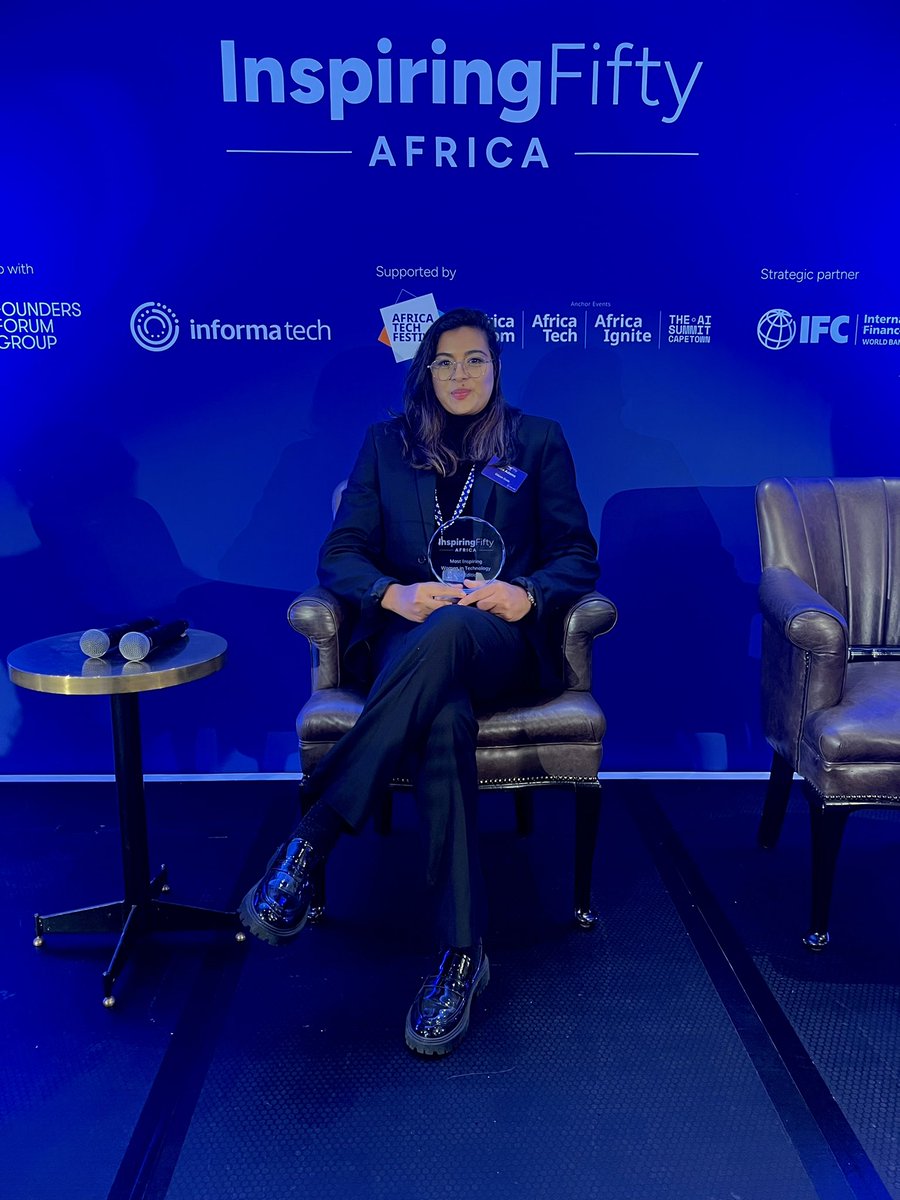
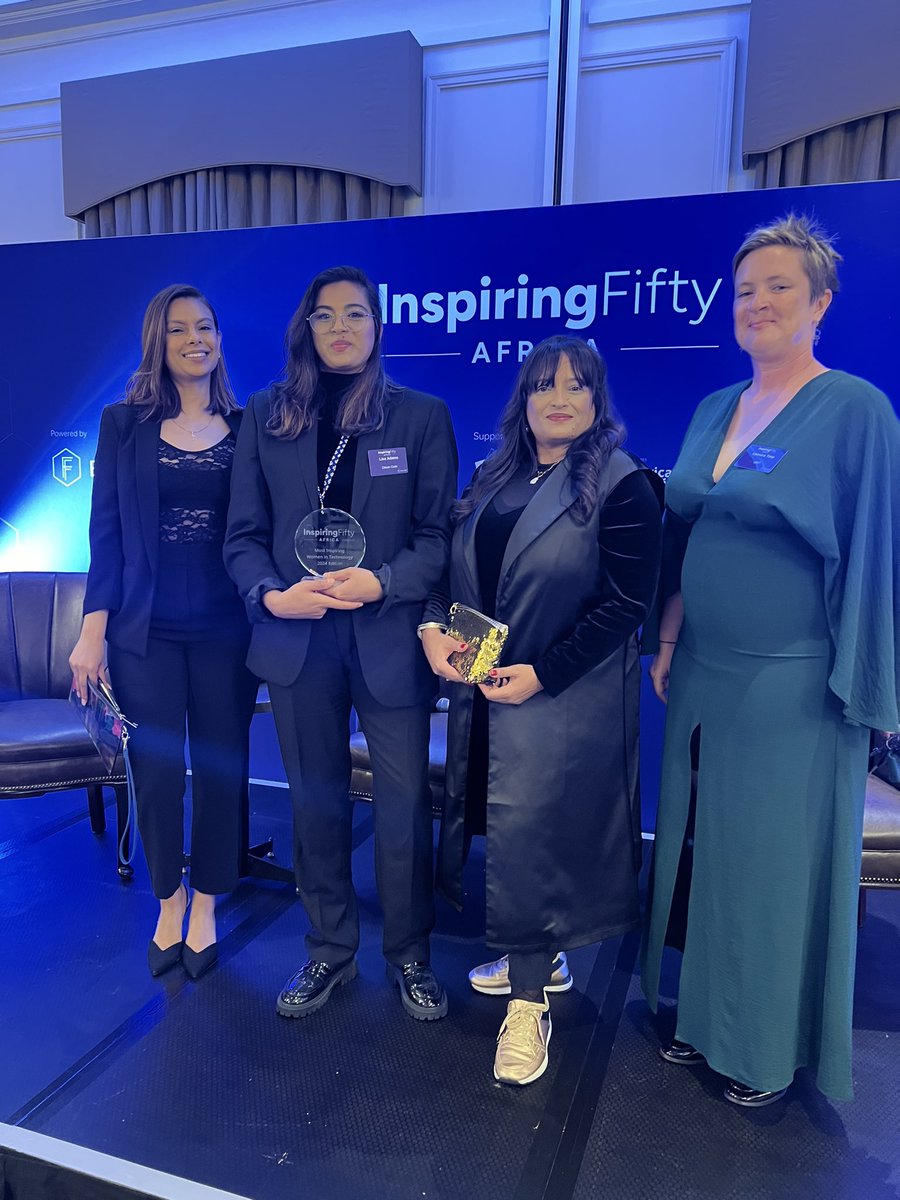
Being recognised as one of the Top 50 Inspiring Women in Technology in Africa is a powerful testament to the depth of your impact—not just within Citizen Code but across the entire industry. Your dedication goes far beyond the usual bounds of leadership. From fostering inclusivity and creating partnerships that genuinely uplift others, to your commitment to truly listening and understanding the communities you serve, you are a leader who doesn’t just drive change—you build it alongside those around you. You embody what true collaboration looks like.
Congratulations on this amazing achievement from all of us at Citizen Code. We’re so lucky to be on this journey with you—here’s to many more years of inspiration, innovation, and impact! 🚀
This award comes at a pivotal moment for me, marking a truly special close to this year.
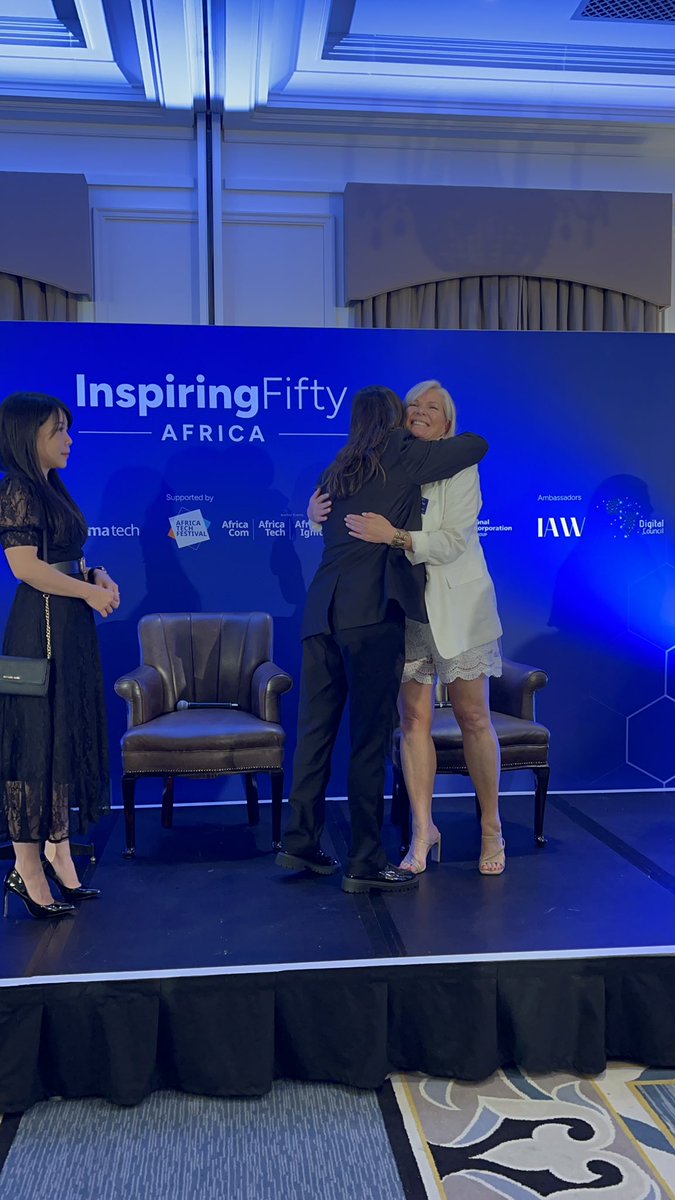
I’m incredibly grateful and honoured to be recognized as a winner of the Top 50 Inspiring Women in Technology in Africa (InspiringFifty) as we kick off Africa Tech Week. Being among these accomplished women—many of whom I’ve long admired and been inspired by—is an incredible feeling.
Being an African technologist fills me with pride. I’m encouraged not only by our talents and passion but by the unique way we innovate and advance technology in ways that are truly transformative. My mission has always been to embody an African Valley approach, one that redefines success in technology through decolonized systems, methods, and metrics that centre our own values and goals. Our indigenous methods deserve to set a new global standard for an inclusive, people-first Technology Blueprint.
To all the women—and especially women of colour—working in tech: here’s to more companies with our names on them, more leadership roles in our hands, funding allocated to our ideas, and the recognition of our work, making our impact visible for the future generations we’re inspiring.
Congratulations to my fellow powerhouse women in African technology! And a huge shoutout to @citizencode_za - this is a win for all of us!
@EQLHER@africatechfest@citizencode_za@Inspiringfifty
#africatechweek #africatech #womeninstem #stem
@JustTazneem @citizencode_za You forgot the frame where you lead a Product Ideation session for Malaria Prevention intervention and presented a marvellous gaming concept Kids VS Mosquitos 👀😎👏🏽 Thanks for being incredible!