After a few months of yelling into the void with just my own newsletter, it's nice to know that someone else thinks I'm making sense.
Huge thanks to @InfiniteBlockHQ and @MicromobilityCo for believing in me and publishing this piece on @culdesac, and all of you for reading.
New newsletter just dropped. @CityBits_Max takes a long look at @culdesac's ambitions to build a car-free city from scratch, right in the traffic-clogged heart of the USA🏗️🌆
Is this post-car utopia an oasis or a mirage? (spoiler: we like their odds!)
https://t.co/hyR3TOdb32
There's nothing wrong with wanting to preserve what you have and protect your investments but America is rapidly reaching a point where, especially in urban centers, this attitude will have lasting impacts on our ability to progress beyond our current levels of development.
Great article from @Noahpinion on why America struggles to build quality transit, develop renewable energy potential, or even construct housing.
https://t.co/dDLmSZKeWS
NIMBY attitudes and the ability of small number of local actors to stymie progress is largely to blame.
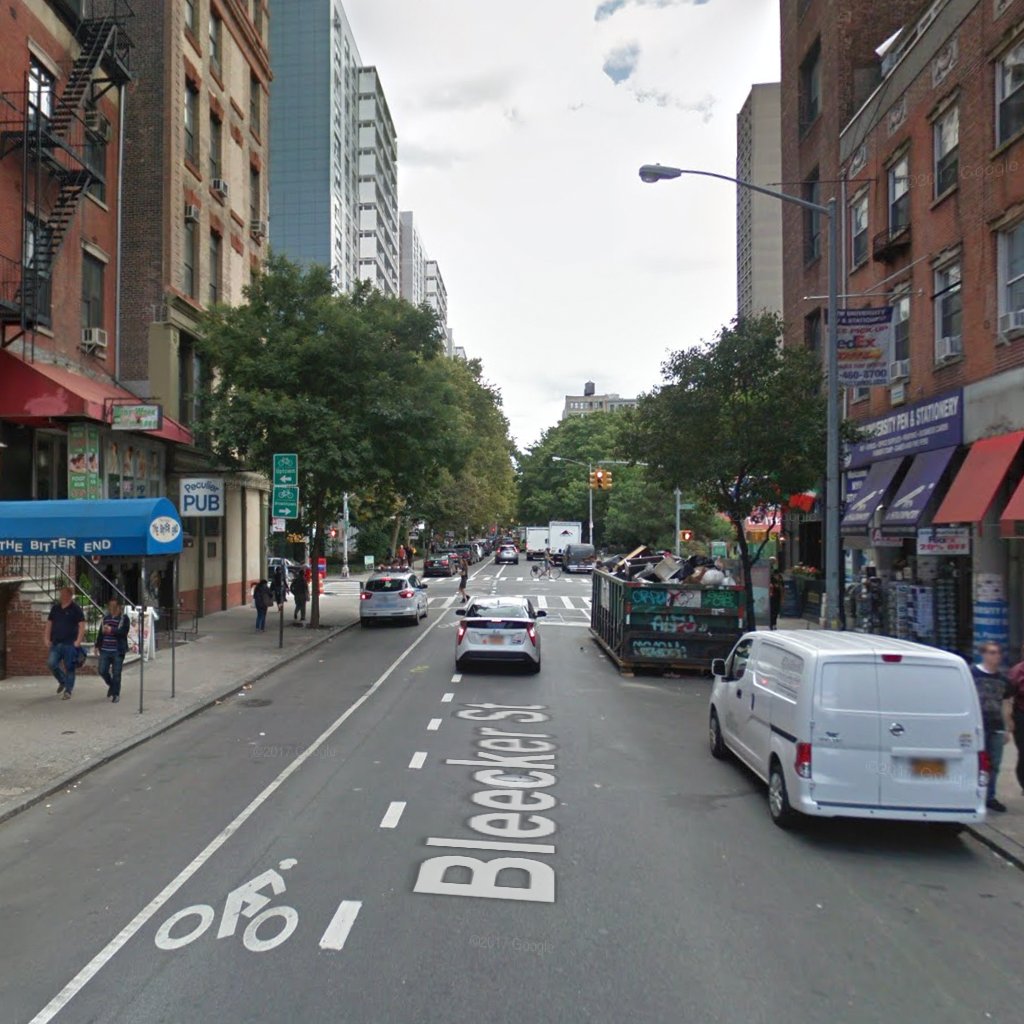
If American cities are serious about reducing emissions and actually working towards Vision Zero (no traffic deaths) then we need protected bike lanes, bike storage, and other meaningful infrastructural investments that actually encourage non-car means of transportation.
(4/4)
Amsterdam gets a lot of positive attention for their high levels of cycling and limited car dependency, especially compared to US cities.
But their success isn't an accident, or a fluke of culture, it's deliberate.
https://t.co/FmzwSMeuXQ
(1/4)
From the article:
“To reduce car dependency, you need bikes plus a high-capacity, high-efficiency, high-frequency public transit system.”
It's not enough to keep existing car-centric infrastructure and policies in place and expect people to pick up cycling
(3/4)
Chicago opening job board specifically aimed at hiring H1-B visa holders.
https://t.co/wYxvhH8B09
A very cool response by the city, H1-B who have had their lives upended by tech layoffs need and deserve support, great to see this kind of quick policy action being taken.
American exceptionalism does exist, but not in the ways we'd often like to admit.
Great piece here on why it's so stupidly expensive to build transit in NYC: https://t.co/nDXes0AxK0
I am all for congestion pricing and getting more vehicles off the road, but to do that without also providing alternatives (e.g. bike infrastructure, public transit improvements, increasing walkability) is going to be a hard sell politically for sure
If Manhattan (or any city) is serious about making congestion pricing work, you need this kind of corresponding investment into alternative modes.
https://t.co/qD9q81XphJ
Great piece from @MarkLevineNYC arguing for more West Side bike lane investments
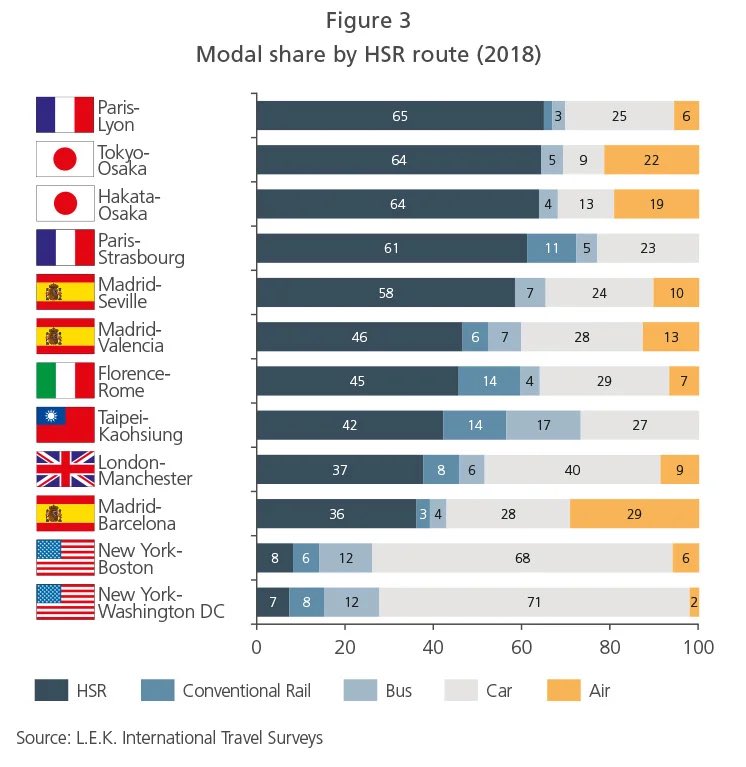
This just blew my mind when I was researching this week’s video. Is Acela a really bad service, or are Americans just too car-brained? A combination? Other? Vid at noon(ish) Pacific.
Just added a new 'recommended' newsletter - @ReadExpedite by @kh.
Love all the food tech and delivery coverage.. Great analysis and a personality/style to match!
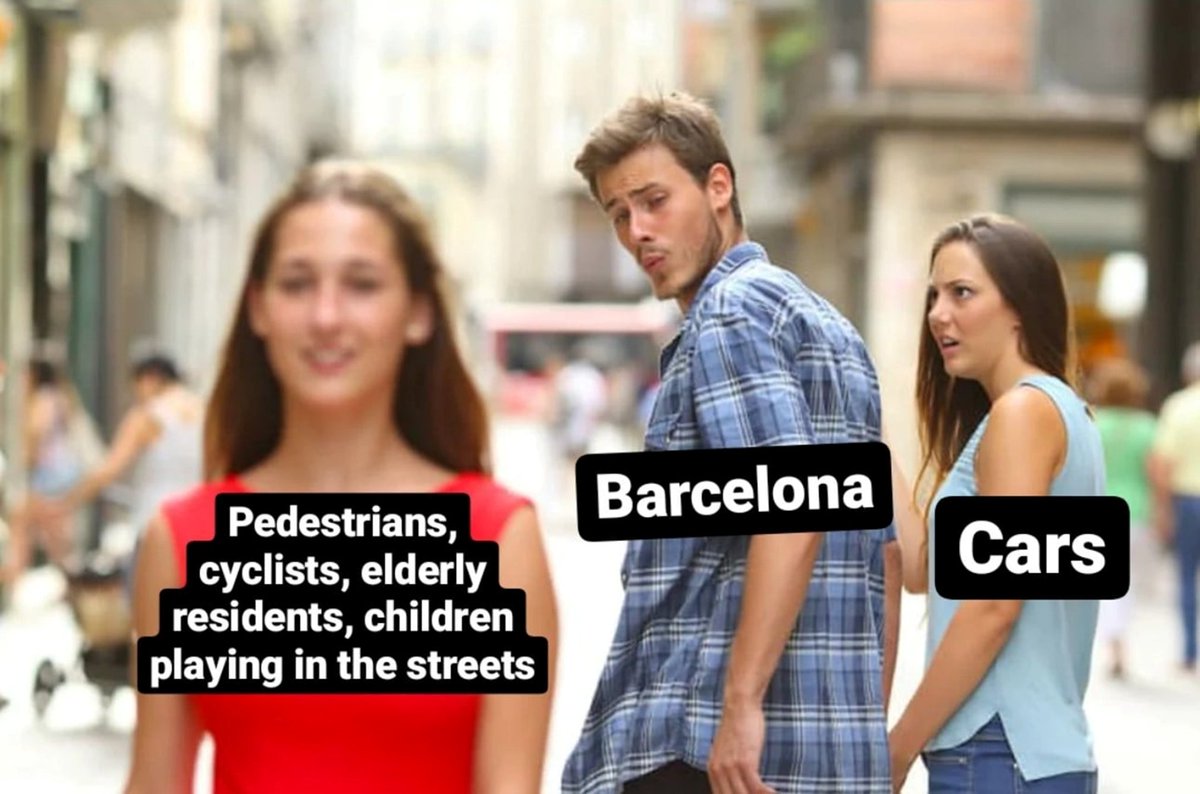
@jahorne @TheWarOnCars Hey Jerome! Big fan of your work. I think the statement itself is a good idea but w/ bad messaging, but like other pithy, more radical statements it does attract attention (though not all of it posivitive).
"Make cities less car dependent" doesn't have the same ring to it.
Saying "ban cars" is a compromise, because saying "Let's reduce car usage in favor of safer, more sustainable modes of mobility and reduce dependency on automobiles" isn't nearly as good as slogan. More here from @TheWarOnCars:
https://t.co/Kq2cTRAHOm
NYC bus speeds up 50% after the city installed priority bus lanes, but legal and fiscal woes still abound, as @JohnSurico explains: https://t.co/FE88VtHZFT